REVIEW · TOKYO
Tokyo: Art Aquarium Museum GINZA Entry Ticket
Book on GetYourGuide →Operated by LINKTIVITY Inc. · Bookable on GetYourGuide
Goldfish, but make it art. At Art Aquarium Museum GINZA inside Ginza Mitsukoshi, you’ll watch goldfish displayed like modern installations, synced with light, music, and scent. I especially like the goldfish-as-art displays and the way the space makes you slow down and look closely instead of just rushing past tanks.
One thing to consider: it’s compact, so you’ll likely finish in about 45 to 60 minutes and then you’re back in the shopping-and-street life of Ginza.
In This Review
- Key things to know before you go
- A Department-Store Art Show for Goldfish
- Lights, Music, and Scent: What You’ll Experience
- Edo-Style Goldfish Viewing, Updated for 2022+
- Seasonal Changes at a Permanent Location (Why It Can Feel New)
- Photography Rules and How to Get Good Shots
- Timing, Ticket Value, and Building a Ginza Day
- Getting There: Ginza Mitsukoshi and Station Exits That Work
- Who Should Go, and Who Might Skip It
- Should You Book Art Aquarium Museum GINZA?
- FAQ
- How long does the Art Aquarium Museum GINZA take?
- Where is the museum located?
- What’s the price?
- How do I get there by train?
- Are children allowed free entry?
- Can I take photos inside?
- Are flash or extra lighting equipment allowed?
- Is the museum seasonal or permanent?
- Is the ticket refundable or cancellable?
- Are there multiple viewing start times?
Key things to know before you go
- Inside Ginza Mitsukoshi: easy to combine with a Ginza day and depart from central Tokyo
- One-hour style visit: plan short, focused time rather than an all-day museum block
- Light, music, scent effects: the show is part aquarium, part sensory art installation
- Photography is allowed, but limited: no tripods/monopods and no extra lighting
- Seasonal changes at a permanent venue: some displays shift over the year, so return visits feel fresh
- Goldfish info in English: you can actually learn as you look, not just admire color
A Department-Store Art Show for Goldfish
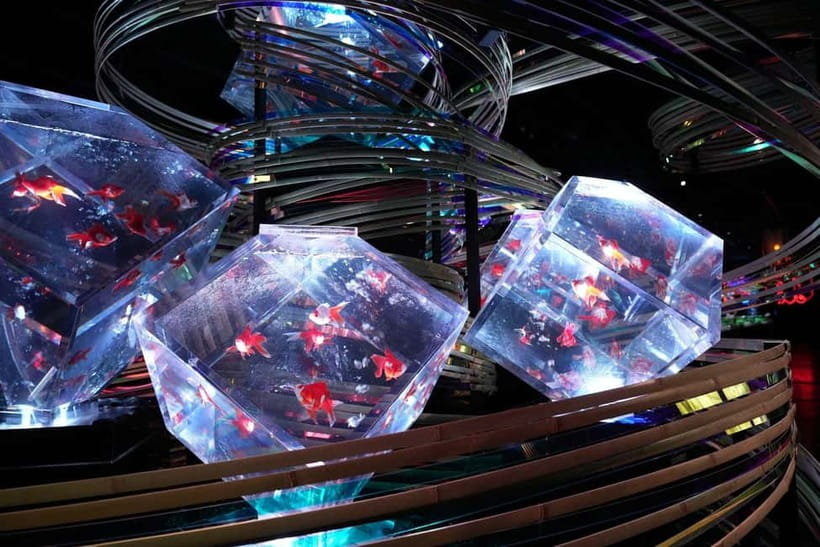
This is Tokyo’s version of a quick art break: not a huge aquarium complex, not a standard museum either. It’s an art-focused aquarium experience tucked into a major department store, so the entry feels straightforward even if you’re juggling shopping, transit, and jet lag.
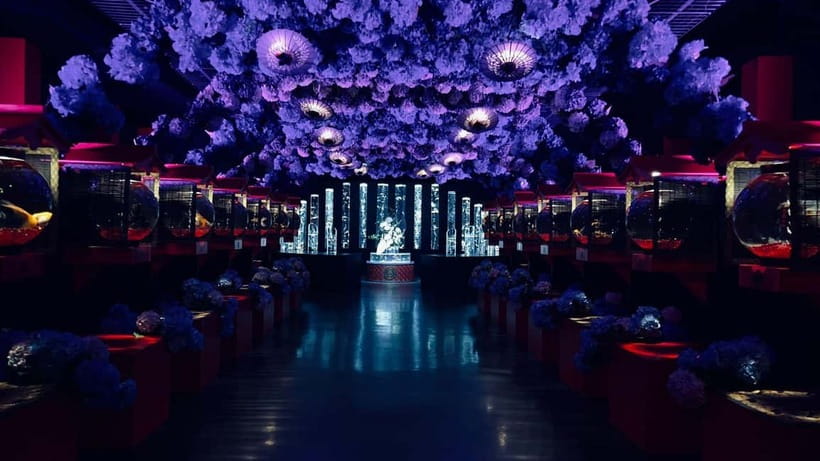
I liked how the setting and the concept match. In a city that loves precision and design, the museum treats goldfish like the subject of an installation. Expect clean presentation, carefully arranged views, and lots of color emphasis instead of a chaotic “watch tanks everywhere” layout.
The location also matters for value. Being inside Ginza Mitsukoshi means you can fit this into a day without committing to a long detour. You’re already in the neighborhood for food, stores, and coffee, so the museum becomes an easy add-on rather than a standalone mission.
You can also read our reviews of more tours and experiences in Tokyo

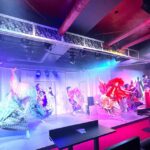
Lights, Music, and Scent: What You’ll Experience
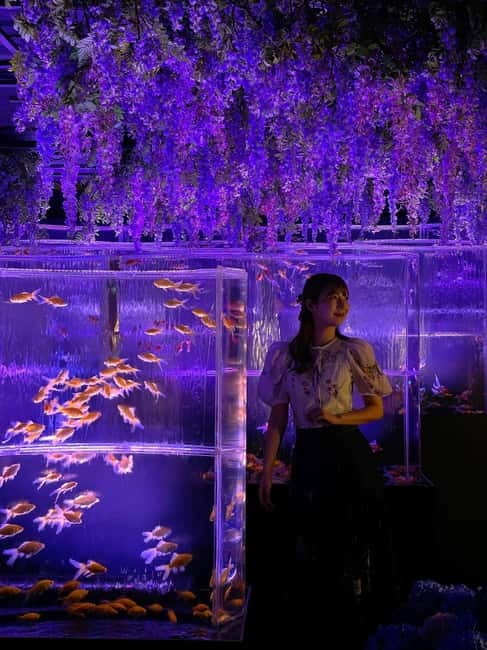
The core idea is that goldfish viewing becomes a sensory event. As you move through the museum, you’ll encounter light effects, background music, and even scent-related atmosphere. It’s not just decorative. The pacing and visuals are designed to make you watch the fish more like dancers than specimens.
This is one of those experiences where the details help. The lighting changes how you perceive movement and scale, and the calm audio makes it easier to focus. If you’ve ever watched goldfish in a plain tank, you’ll notice how different the viewing becomes when the environment is engineered for mood.
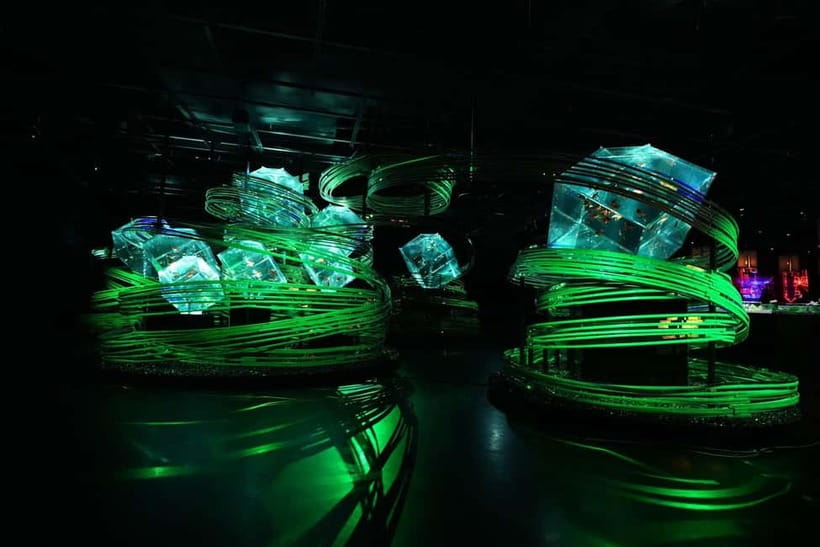
Also, the presentation uses spatial design. Instead of feeling like you’re walking past identical rectangles of glass, you’ll see goldfish shown with distinctive framing and display angles. That’s why people gravitate to it for photos, but it also works for calm viewing even if you don’t care about Instagram.
Edo-Style Goldfish Viewing, Updated for 2022+
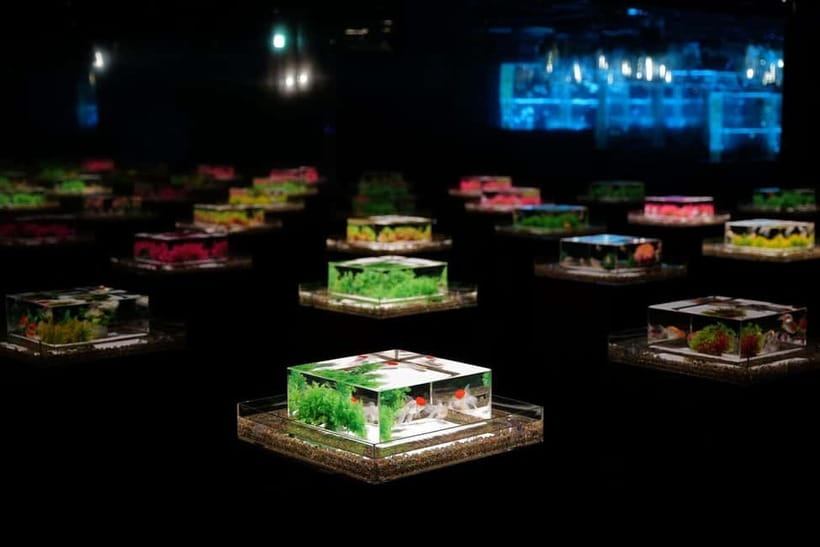
There’s a thoughtful nod to tradition here: it reimagines the Edo-period appreciation of goldfish in a modern art setting. You don’t need to know the history to enjoy it, but the concept gives the museum more meaning than a themed aquarium.
What I’d expect you to notice is the shift from “just animals” to “objects of aesthetic study.” The displays highlight beauty in texture and color, and they encourage close watching. The fish become the art, while light and design tools act like the gallery lighting and staging you’d see in a contemporary exhibit.
You’ll also find information about goldfish in English, which helps the experience click. Labels and explanations can turn a simple color appreciation into a more satisfying look that feels intentional. If you enjoy learning a little while you sightseeing, this is a nice match.
Seasonal Changes at a Permanent Location (Why It Can Feel New)
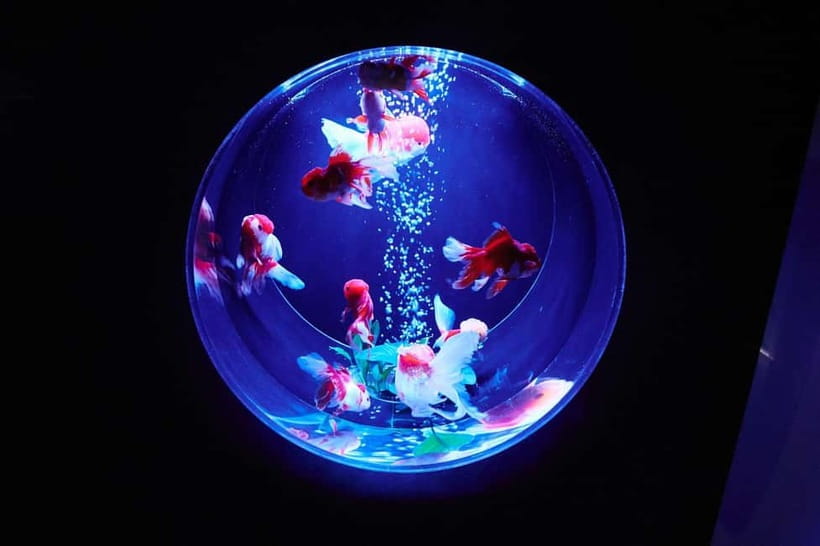
This is a permanent venue, and the museum is designed for change across the year. That matters because a lot of seasonal pop-ups are either gone quickly or don’t feel worth revisiting. Here, the concept stays, and the museum aims to keep things evolving through the year with seasonal changes.
I found that this makes it easier to justify the ticket even if you’re not sure how long you’ll want to spend. If you end up liking it, you can come back later and expect more than a static repeat. Even the layout approach can feel refreshed when the seasonal elements shift.
It’s a great option when you want something compact that still has variety. You’re not committing to a full-day museum, but you’re also not getting a one-time gimmick.
Photography Rules and How to Get Good Shots
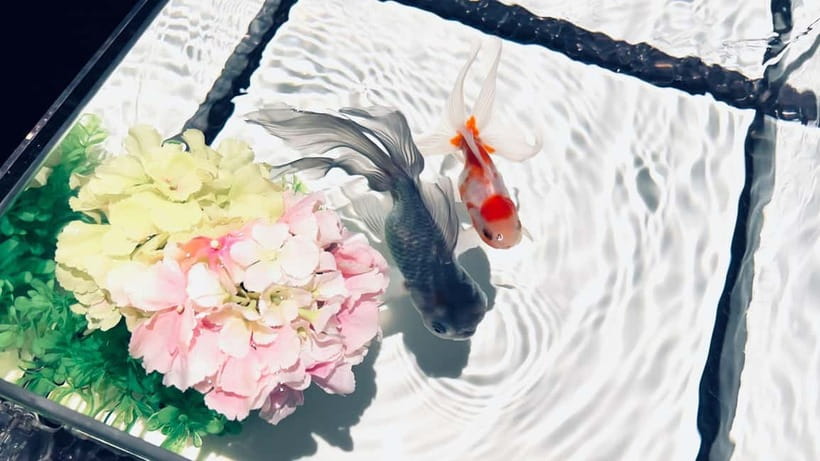
This is a popular photography spot, and that can be a blessing or a hassle depending on when you go. The museum is set up to be photographed, with lighting that enhances color and movement. If you like taking pictures, this is one of the easier places to do it without needing special equipment.
Just know the rules:
- Tripods and monopods aren’t allowed
- Strobes and extra lighting aren’t allowed
- Photography is permitted
So your strategy should be simple: move calmly, wait for the right moment, and keep your gear compact. If you’re using a smartphone or small camera, you’re fine. If you’re planning a whole rig session with supports, you’ll need to rethink it.
If you’re photo-focused, go in with a plan. Pick a few displays and spend time there. The space is designed for viewing, not for everyone sprinting through.
You can also read our reviews of more museum experiences in Tokyo




Timing, Ticket Value, and Building a Ginza Day
The ticket price is about $17 per person, and the estimated viewing time is around 1 hour. For central Tokyo, that pricing makes sense because you’re paying for a designed environment and sensory effects, not just a few tanks.
Think of it like a gallery visit with a soundtrack and lighting. If you only have a short window in Ginza, this fits perfectly. If you’re the type who likes to linger in photography-friendly spots, you might hover at your favorite sections and still stay within the total hour.
A practical tip: because it’s compact, you should pair it with something that makes sense right after. Ginza Mitsukoshi itself is an easy follow-up, and Ginza’s transport links make it simple to continue to another stop. One note from real-world pacing: it can feel a bit out of the way if your day is mostly planned around other neighborhoods, so keep your schedule anchored to Ginza.
Getting There: Ginza Mitsukoshi and Station Exits That Work
The museum meeting point is Ginza Mitsukoshi, and the admission reception and same-day tickets are on the 9th floor of the new building. If you’re navigating without stress, that floor detail helps.
For train access, here are the practical routes:
- Tokyo Metro Ginza Line / Marunouchi Line / Hibiya Line: Exit A7 of Ginza Station
- Tokyo Metro Yurakucho Line: about a 5-minute walk from Ginza 1-chome Station (Exit 9)
- Toei Asakusa Line / Tokyo Metro Hibiya Line: about a 2-minute walk via the underground passage from Higashi Ginza Station toward Ginza Station
If you like apps and straight lines, plug in the address: 4-6-16 Ginza, Chuo-ku, Tokyo. (The coordinates are roughly 35.6712864, 139.7657382.) You’ll feel the “department store, not hidden alley” advantage as soon as you start walking inside Ginza Mitsukoshi.
Who Should Go, and Who Might Skip It
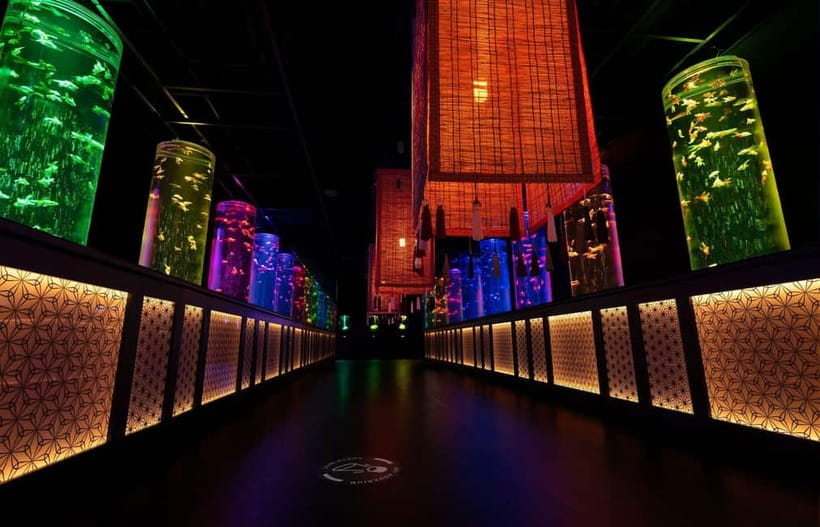
This is ideal if you want a short, designed experience in central Tokyo. You’ll likely enjoy it if you like art, photography, and themed sensory environments. It’s also a solid pick for travelers who don’t want to spend half a day on one attraction.
You might hesitate if you’re expecting a traditional, large-scale aquarium. The space is compact, and the experience is more about presentation than sheer volume of exhibits. Also, if animal care visuals are a sensitive trigger for you, you should keep expectations realistic about seeing fish in display conditions.
On the plus side, the overall experience seems to land well: multiple displays, strong lighting, tranquil music, and an atmosphere that makes goldfish feel like the main event instead of background scenery. There’s even a gift shop with souvenirs if you want a small Tokyo keepsake.
Should You Book Art Aquarium Museum GINZA?
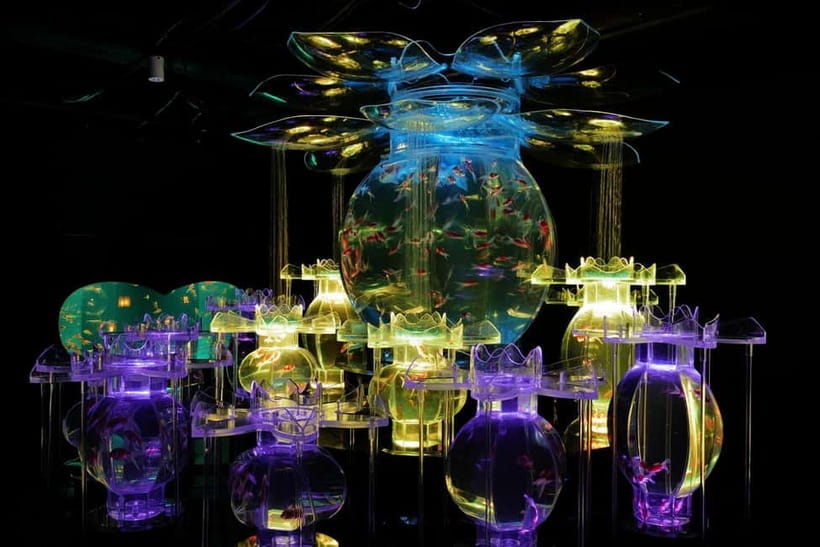
If your day includes Ginza, I’d book it. At $17 for roughly an hour, it’s a good value for a designed, photographic, sensory experience in the middle of a neighborhood where delays and detours are common.
Book it especially if:
- you want an art-and-nature hybrid that’s easy to slot in
- you like light and color effects
- you want English-friendly goldfish information while you look
- you’re photographing without using tripods
Skip it if:
- you’re craving a large aquarium day trip
- you need something that takes several hours to feel worthwhile
- you only want to spend time in areas far from Ginza Mitsukoshi
In short, this is a smart “add-on” ticket. Short on time, strong on atmosphere.
FAQ
How long does the Art Aquarium Museum GINZA take?
The estimated viewing time is about 1 hour, and the exhibition is compact, so most people plan around that timeframe.
Where is the museum located?
It’s inside Ginza Mitsukoshi at 4-6-16 Ginza, Chuo-ku, Tokyo. Admission reception and same-day tickets are on the 9th floor of the new building.
What’s the price?
The entry ticket price is listed as $17 per person.
How do I get there by train?
Use Ginza Station Exit A7 (Tokyo Metro Ginza/Marunouchi/Hibiya Lines). Or walk from Ginza 1-chome Station Exit 9 (Yurakucho Line). Another option is Higashi Ginza Station, about a 2-minute walk via an underground passage.
Are children allowed free entry?
Up to two children under elementary school age may enter free of charge with one adult.
Can I take photos inside?
Yes, photography is permitted. However, tripods and monopods are not allowed.
Are flash or extra lighting equipment allowed?
No. Strobes and lighting equipment are not permitted.
Is the museum seasonal or permanent?
It’s a permanent venue, open since May 2022, and it includes seasonal changes throughout the year.
Is the ticket refundable or cancellable?
The activity is non-refundable.
Are there multiple viewing start times?
The ticket is valid for 1 day, and you should check availability for the starting times.