REVIEW · TOKYO
Private Full-Day Tour of Tokyo with Hotel Pickup
Book on Viator →Operated by 株式会社Honey J コーポレーション · Bookable on Viator
Skip the lines, keep the best stories. This private day tour starts with hotel pickup and hands-on train help, so you spend less time figuring out Tokyo and more time understanding it. I especially like the private guide style, with your route adjusted on the fly, and the way the day mixes iconic stops with Japan’s everyday culture at places like the Goma fire rituals in Fukagawa.
One thing to plan for: this is a real walking day. Wear comfortable shoes and dress for heat and humidity, plus temple rules (no sleeveless tops or shorts), or the morning can feel more strict than spiritual.
In This Review
- Key things that make this Tokyo day work
- Private guide meets you at your hotel, then Tokyo gets easier
- Price and value: what $246.43 buys you (and what it doesn’t)
- Getting around with confidence: trains, pacing, and “no wrong turns”
- Stop 1: Imperial Palace Outer Gardens and Edo castle context
- Stop 2: Fukagawa Fudodo and the Goma fire rituals
- Stop 3: Ryogoku for sumo culture beyond the TV version
- Stop 4: Akihabara for electronics and otaku culture
- Customizing your Tokyo route: how flexibility shows up in real days
- What your guide actually adds: stories, context, and better questions
- Practical packing checklist for this specific day
- Who should book this private full-day Tokyo tour
- Should you book this private Tokyo full-day tour?
- FAQ
- What time does the tour start?
- Is hotel pickup included?
- How long is the full-day tour?
- Is this a walking tour?
- What’s included at the main stops?
- Are entrance fees included?
- What should I wear for temple visits?
- Are public transportation costs included?
- What if the weather is bad?
- Can I cancel for free?
Key things that make this Tokyo day work
- Hotel pickup + easy transit coaching: you meet at your hotel and ride public transportation with your guide, instead of “guessing” on your own.
- A route you can customize: you can stick to big-name areas or shift toward places your guide recommends.
- Culture you can’t get from a guidebook: stop-by-stop context explains what you’re seeing and why it matters.
- Sumo and otaku on the same day: Ryogoku’s sumo world pairs naturally with Akihabara’s anime and electronics chaos.
- Temple-appropriate clothing matters: bring a cover-up/shawl so you’re comfortable and respectful.
- Private means just your group: no blending into a crowd, and your guide can adjust pacing for your needs.
Private guide meets you at your hotel, then Tokyo gets easier
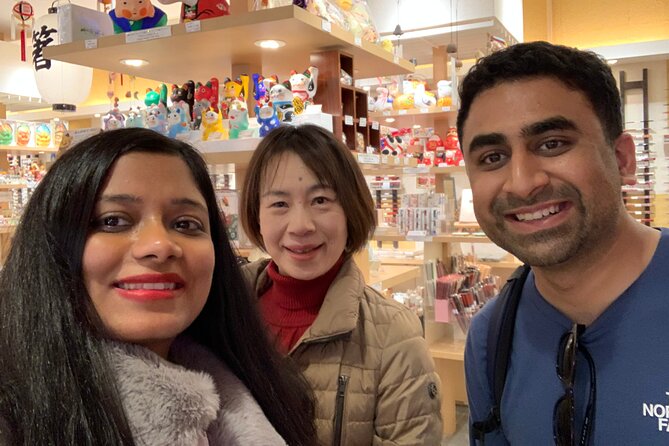
Tokyo can be fun and also exhausting. The subway looks simple on a map, then you’re underground with 12 signs and one running late. This tour is built to reduce that friction fast.
You meet your guide near your hotel and start the day using public transportation, with at least one short taxi ride included. That combo is key. Public transit gets you close to sights, and the taxi bit helps you avoid wasting half a morning on logistics.
The tour runs about 8 hours, starting at 9:00 am. Expect a schedule that includes walking and a steady rhythm of transit plus site time, not a slow sit-and-stare day. If you like your travel days structured but not rigid, this is a good match.
You can also read our reviews of more private tours in Tokyo


Price and value: what $246.43 buys you (and what it doesn’t)
At $246.43 per person, this isn’t the cheapest way to see Tokyo. The value comes from what’s bundled for you:
- Guide fees are included.
- Public transportation is included (with the note that customizing your itinerary may add transport costs).
- One short taxi ride is included.
- Several major stops here are listed as free to enter, at least for the experience’s intended area.
What’s not included: food and drinks, and any extra entrance fees if your route changes outside the original plan. That means you should budget for lunch breaks and snacks, especially if your guide brings you into areas where you’ll want to try street food or market items.
If you’re traveling as a couple or small group, the private format usually feels more reasonable because you’re paying for time with one guide instead of splitting attention across a big group. If you’re solo and price-sensitive, a group tour could cost less—but it won’t give you this kind of pacing control.
Also, this is a popular option. It’s commonly booked about 53 days in advance, so grabbing your dates earlier can help.
Getting around with confidence: trains, pacing, and “no wrong turns”
The best part of a private day isn’t just the sites—it’s how you move between them. This tour is designed around public transport, and your guide is there to help you stay oriented.
In real use, the routing support can be the difference between a smooth day and a stressful one. One guide named Naofumi Kamabe was praised for making train navigation feel easy, which matters in Tokyo where one wrong station exit can eat an hour.
A private guide also changes pacing. If you linger at a shrine moment, want photos, or need a bathroom stop without breaking the day, your guide can handle it. You’re not stuck waiting for a large group.
And yes, it’s still a walking tour. One description notes walking over 8 miles in a similar day structure, so plan accordingly. Water helps. So does sun protection, especially in summer.
Stop 1: Imperial Palace Outer Gardens and Edo castle context
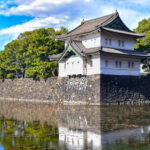
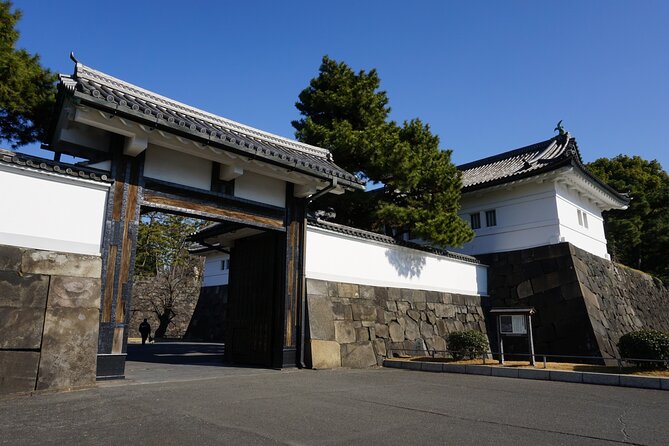
The day starts at the Imperial Palace Outer Gardens, located on the former site of Edo castle. Even if you don’t care about royal history, this stop is useful because it frames modern Tokyo with the city’s older power center.
The experience includes about an hour here, with admission described as free for this part of the visit. You’ll see the layout and the setting that visitors usually miss when they only skim the area.
What I like about this opening: it sets a tone. Your guide can connect the palace area to how Tokyo grew and changed, without you turning the day into a lecture. You also get a calm start before the day becomes more sensory—sumo culture, then tech and characters.
Possible drawback: if you’re expecting a lot of indoor palace access, you may find the focus is mostly on the outer areas. Still, it’s a strong first anchor point.
Stop 2: Fukagawa Fudodo and the Goma fire rituals
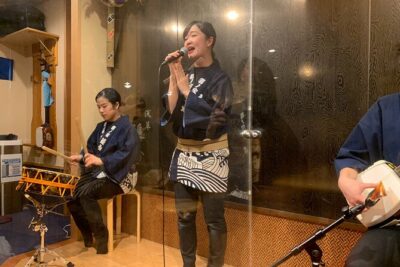
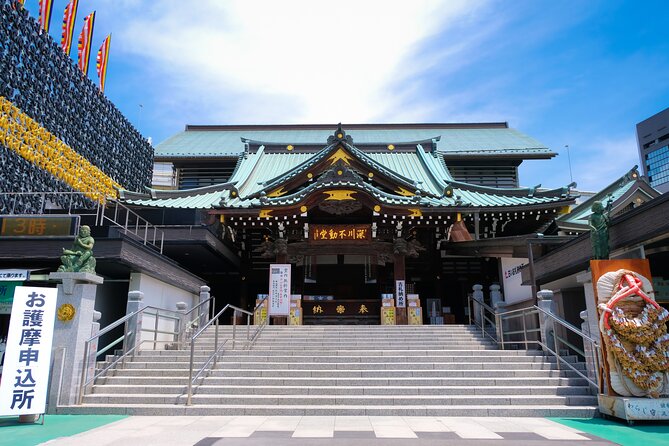
This is the stop that often makes people remember the day. At Fukagawa Fudodo, the experience centers on Goma fire rituals. Wooden sticks are burnt during a ceremony to provide Fudōmyō-ō the fighting force he needs. The rituals happen several times a day, which makes them a living tradition rather than a staged performance.
You’re given about an hour here, so it’s enough time to watch carefully, absorb what you’re seeing, and ask questions. Ritual context is everything. Without an explanation, the fire can look like spectacle. With one, it becomes a window into belief, symbolism, and community rhythm.
What to consider: fire-related ceremonies can be intense and active. You’ll want to dress comfortably and keep your expectations flexible, since the exact moments you catch depend on timing that day. Your guide’s job is to position you so you can actually follow what’s happening.
You can also read our reviews of more tours and experiences in Tokyo


Stop 3: Ryogoku for sumo culture beyond the TV version
Next comes Ryogoku, Tokyo’s sumo district. This part of Tokyo is where sumo isn’t just a sports story—it’s an ecosystem.
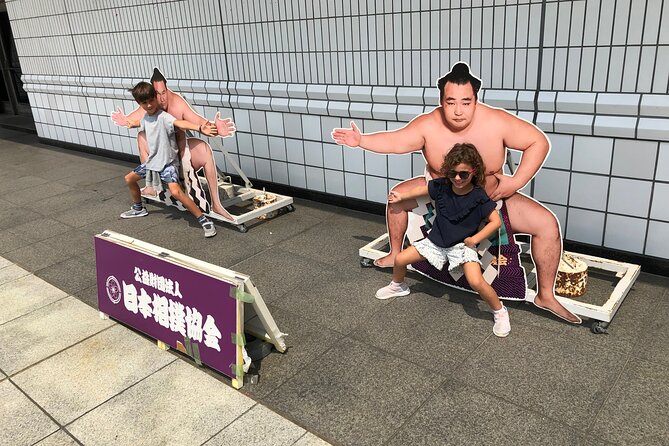
The stop includes about 1 hour 30 minutes, and the focus is on sumo surroundings such as the Kokugikan arena, chanko nabe restaurant culture, sumo stables, and other sumo-related facilities.
You don’t have to be a die-hard fan to enjoy it. The big payoff is learning how sumo culture connects to everyday routines—training, food, and tradition—rather than treating it as one dramatic fight.
Possible drawback: if you’re hoping for a full inside-the-arena experience, the day here is built for the culture areas around Ryogoku. You’ll get a sense of place, not necessarily a full “behind-the-scenes” pass. Still, it’s one of the most logical districts to visit for sumo context.
Stop 4: Akihabara for electronics and otaku culture
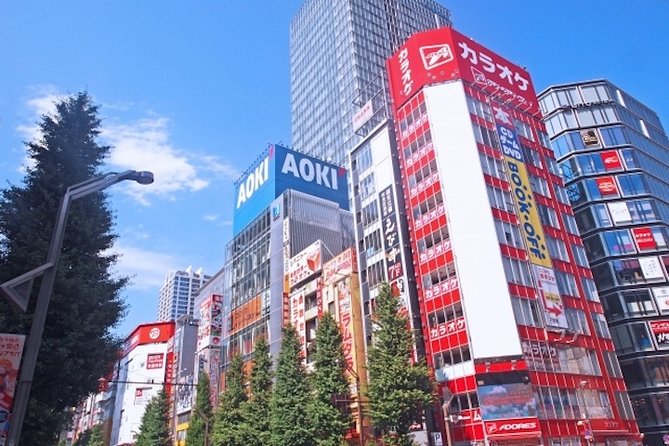
After sumo comes Akihabara, and the contrast is part of the charm. Akihabara is known for electronics shops and otaku culture—including anime, maid cafes, and character figures.
You get about 1 hour 30 minutes here. That’s long enough to browse a couple of shop streets, soak up the theme, and buy small souvenirs if you want them. It’s also short enough that you won’t feel trapped in the “everything, everywhere” effect that Akihabara can cause.
What I like about pairing Akihabara with Ryogoku: it shows Tokyo as many Tokyos. You go from centuries-of-tradition energy to pop culture shops in the same day, and your guide can point out how both are cultural systems with rules and identity.
One note: Akihabara is busy and very visual. If you hate crowds, use the guide’s pacing. Private time helps because you can slow down or move on without losing your day.
Customizing your Tokyo route: how flexibility shows up in real days
This tour is advertised as customizable, and that’s not just marketing fluff. You can either follow stops such as the Imperial Palace, Ryogoku, and Akihabara, or choose other interests through your guide.
That matters because Tokyo isn’t one-size-fits-all. If your priorities are temples and rituals, you’ll want more weight on those moments. If your priorities lean tech, you’ll likely want more time in electronics streets. Your guide can help you shape the day into something that fits you.
There’s one practical caution: customizing can lead to additional transportation costs. The tour includes public transit and a short taxi ride in the plan, but changes can mean different routes.
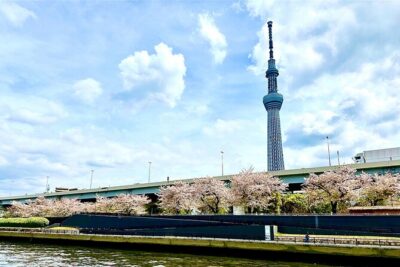
In at least one day plan, a guide named Naofumi Kamabe also worked in Skytree Tower and helped coordinate additional stops like a market/sight combo. That’s a good sign that the guide can adjust the day beyond the default pattern—when it makes sense.
What your guide actually adds: stories, context, and better questions
A private guide is basically a translator. Not just language—meaning. The value here is how your guide explains what you’re seeing as you’re seeing it.
One thing that stood out in guide quality here is adaptability. Naofumi Kamabe was described as exceptional in information and guiding, adjusting the route to include parts of the city that weren’t planned at the start. That kind of flexibility helps if your group has a strong preference mid-day.
Your guide can also help you navigate cultural expectations. A big example is clothing at places of worship. This tour specifically warns that you’ll visit a temple, and rules are clear: no sleeveless tops or shorts. You’ll be happier if you come prepared.
If you’re the kind of traveler who likes asking questions—what something means, how people practice it, how it fits into modern Tokyo—this tour is built for you. If you only want photos with zero talking, you might find the explanations a bit much, but you can still ask for pacing breaks.
Practical packing checklist for this specific day
Because this tour mixes palace gardens, a temple ritual with fire, and a dense shopping district, you’ll be most comfortable if you pack for “Tokyo, but long.”
Bring:
- Comfortable footwear for lots of walking
- A water bottle (summer can be hot and humid)
- Sun protection for outdoor time
- A shawl or light cover-up for temple clothing rules (no sleeveless tops or shorts)
- Light layers so you can adjust between humid outdoors and indoor shops
Also think about the day’s rhythm. You’ll spend time on public transport and moving between neighborhoods. Small personal items matter more on a full-day tour than on a half-day.
Who should book this private full-day Tokyo tour
This tour suits you if:
- You want a private guide and hotel-based starting point
- You’d rather learn through context than just check off spots
- You like Tokyo contrasts: sumo district + Akihabara pop culture
- You want help using public transport without turning your day into a puzzle
It might not be ideal if:
- You’re looking for lots of free time with zero schedule and minimal walking
- You struggle with heat and long days without frequent breaks
- Temple clothing rules are a problem for you and you can’t bring a cover-up
Should you book this private Tokyo full-day tour?
Book it if you want a structured day that still feels personal. The hotel pickup, public transit support, and private guide format are the main reasons this works. The itinerary also makes sense: history first (Imperial Palace), then a religious ritual you can’t easily replicate (Fukagawa Fudodo), then sumo culture in Ryogoku, and finally Akihabara.
Think twice if your budget is tight or if you don’t want to walk. This isn’t a sit-down tour, and you’ll need to dress correctly for temple time.
If you’re choosing between a cheap group tour and this private one, I’d lean private for one reason: Tokyo is easier when someone helps you get oriented. And when you understand what you’re seeing—especially the Goma rituals—your day stops being a series of stops and turns into a story you actually remember.
FAQ
What time does the tour start?
The tour start time is 9:00 am.
Is hotel pickup included?
Yes, pickup is offered, and the tour notes meeting your guide near public transportation with the start at your hotel.
How long is the full-day tour?
It runs for about 8 hours.
Is this a walking tour?
Yes. It’s described as a walking tour, so comfortable footwear is important.
What’s included at the main stops?
The itinerary includes the Imperial Palace Outer Gardens, Fukagawa Fudodo (Goma fire rituals), Ryogoku for sumo culture, and Akihabara.
Are entrance fees included?
The experience lists free admission for the intended visits, and it notes that additional entrance fees outside the original itinerary are not included.
What should I wear for temple visits?
You should avoid sleeveless tops and shorts, since the tour includes visiting a place of worship. A shawl or light cover-up is recommended.
Are public transportation costs included?
Yes. Public transportation is included, and the tour also includes one short taxi ride. If you customize the itinerary, extra transportation costs may occur.
What if the weather is bad?
The tour notes it requires good weather. If it’s canceled due to poor weather, you’ll be offered a different date or a full refund.
Can I cancel for free?
Yes. You can cancel up to 24 hours in advance for a full refund.