REVIEW · TOKYO
Tokyo Bay Yakatabune Cruise with Traditional JapaneseShow Drinks
Book on Viator →Operated by Orange Tour · Bookable on Viator
Tokyo Bay looks good from land. But this puts you in the middle.
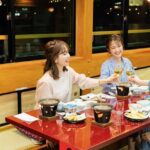
This yakatabune cruise is built around Japanese heritage on the water, with a live traditional show that’s different each time, plus big-window views as the skyline slides by. I especially like the combo of Tokyo Bay waterfront scenery and a performance that feels close-up, not staged-from-a-distance.
Two things I really enjoy: the surprise cultural performance (dance, shamisen, or guqin depending on the day) and the relaxed pace of a single 60-minute loop.
One consideration: you’ll be shoe-free on board, and with limited seating, you may end up sharing tables on a first-come basis.
In This Review
- Quick highlights
- Why a yakatabune cruise feels different on Tokyo Bay
- The 60-minute route: Toyosuōhashi Bridge and Rainbow Bridge
- The surprise performance: dance, shamisen, or guqin
- Onboard comfort: shoes off, first-come seating, and shared tables
- What you actually get on this drinks-focused cruise
- Guides and the small details that make it feel welcoming
- Photo and timing tips for Rainbow Bridge at night
- Price and value for a one-hour cultural night on the bay
- Who should book this yakatabune cruise (and who should skip it)
- Should you book this Tokyo Bay yakatabune cruise?
- FAQ
- How long is the yakatabune cruise?
- What’s included in the ticket price?
- Are meals included?
- What drinks are included onboard?
- What kind of performance will I see?
- Do I need to remove my shoes?
- What time should I arrive at the meeting point?
- How is seating handled on the boat?
- What happens if the weather is bad?
Quick highlights
- Surprise traditional show: dance, shamisen, or guqin, with the exact act kept as a wildcard
- 60 minutes on Tokyo Bay: enough time for a proper cruise without eating your whole evening
- Two big photo zones: Toyosuōhashi Bridge and Rainbow Bridge lighting at night
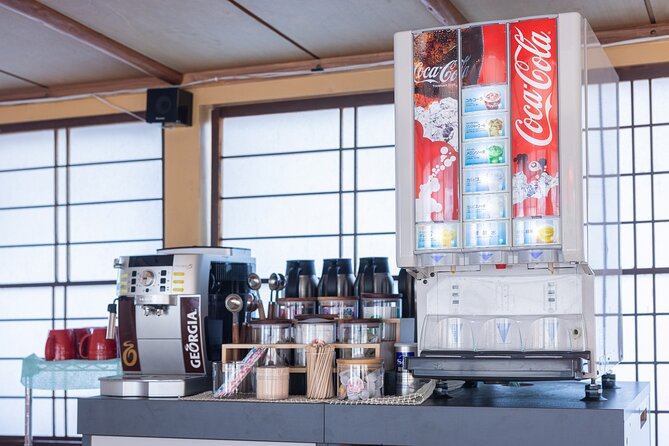
- Unlimited drinks included: coffee/tea plus soft drinks while you sail
- Smallish group size: capped at 58 travelers for a more intimate feel
Why a yakatabune cruise feels different on Tokyo Bay
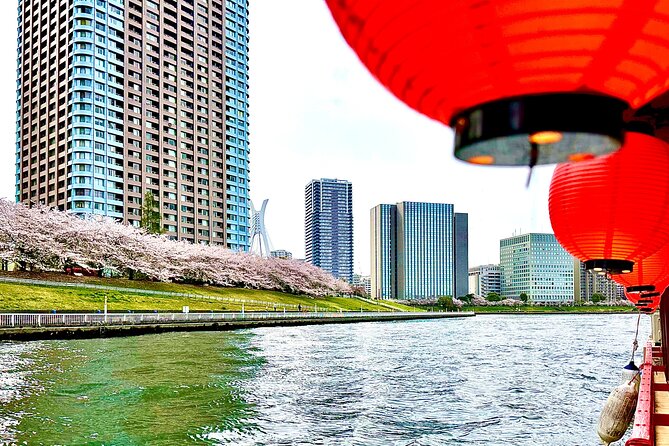
Tokyo has plenty of skyline views, but a yakatabune adds atmosphere you don’t get from a bus or a platform. You’re inside a traditional-style houseboat, so the city feels like it’s passing through your living room.
The best part is that the cruise isn’t just sightseeing. You get a live traditional performance during the ride, so the scenery and the culture happen at the same time. And because it’s a surprise, you don’t “pre-game” what you’re going to see—you just enjoy whatever comes next.
The tone also feels calm. It’s not a marathon. For many people, that’s a real win after a long day walking Tokyo’s neighborhoods.
You can also read our reviews of more boat tours in Tokyo


The 60-minute route: Toyosuōhashi Bridge and Rainbow Bridge
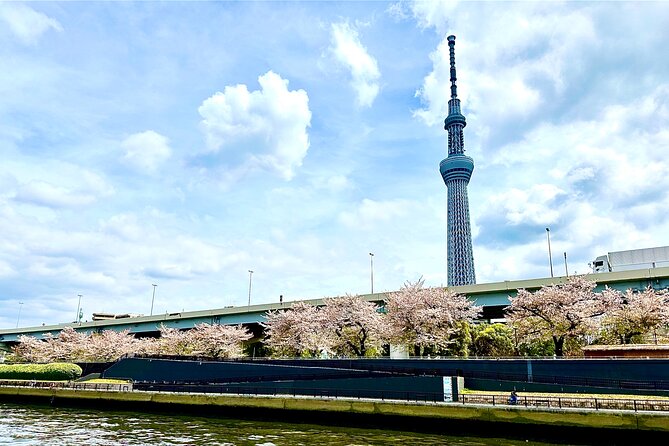
This cruise is built around a quick, scenic loop through Tokyo Bay. You’re out for about 60 minutes, and the route focuses on two standout waterfront moments.
First, there’s Toyosuōhashi Bridge. It’s modern and bold, and you get that neat contrast of sleek bridge structure against the water-and-city backdrop. You’ll also be in an area where Tsukiji Outer Market has that lively, food-focused energy nearby—handy if you want to pair the cruise with an earlier or later snack hunt on land.
Then comes Rainbow Bridge, which is a major “Tokyo at night” signal. It spans about 3,750 meters, is supported by two white towers around 126 meters high, and it lights up at night with colored illumination in pink, white, and green. From the boat, you can shoot it from angles that are hard to recreate from shore.
The practical takeaway: if you care about photos, this is exactly the kind of ride where night lighting does most of the work for you.
The surprise performance: dance, shamisen, or guqin
Every departure includes a traditional Japanese performance, but the exact show is intentionally left as a surprise. On your cruise you might see an elegant classical dance, the distinctive, rhythmic sounds of the shamisen, or the haunting, string-based feel of the guqin.
What I like about this setup is that it keeps the experience fresh even if you’ve studied Japanese arts before. Instead of ticking off a specific item on a checklist, you’re meeting a performance in real time as it happens.
These performances also work well at sea. There’s something about water, motion, and sound that makes traditional music and movement feel more “alive” than it would in a theater hall. You’re not battling distractions—you’re in a shared, focused moment with the bay outside.
Also, the vibe tends to be interactive. Guides and crew often work the room, so you’re not just sitting and watching like it’s a museum video. If you’re even mildly curious about how Japanese arts are performed, you’ll likely find yourself paying closer attention than you planned.
Onboard comfort: shoes off, first-come seating, and shared tables
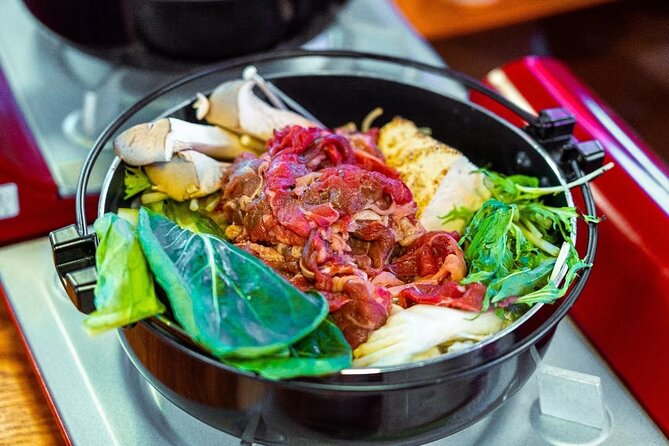
This cruise is cozy, not huge. With limited seating on the yakatabune, shared tables may be required, and seating runs first-come, first-served.
That means your timing on arrival matters more than you might expect. The tour asks you to arrive 15 minutes early, and late arrivals won’t be accommodated. I’d treat this like you’re checking into a small restaurant during peak hours: show up a bit early, get settled, and the rest of the evening becomes easy.
One more essential detail: you remove your shoes for the experience. Plan socks you’re comfortable in, and avoid footwear that makes you hate the take-off and put-on process. If you’re bringing a bag, keep in mind you’ll want both hands free for shoe removal.
If you’re sensitive to close quarters, this is worth considering. Not everyone loves shared seating, but the payoff is that smaller groups make the performance and crew interactions feel more personal.
What you actually get on this drinks-focused cruise
This version of the experience is drinks-forward, not meal-based. Meals are not included.
That said, you do get coffee and/or tea free unlimited, plus soft drinks such as cola, hot coffee, juice, green tea, and soda. For many people, that’s plenty for a one-hour evening on the water. It also means you can eat earlier or plan a post-cruise meal without feeling like you’re stuck waiting for dinner service.
If you tend to travel light and skip snacks, I’d still plan for one of two options:
- eat before you go, especially if you’re aiming for an evening cruise after a full day
- or bring a small personal snack if that works with your travel style
The good news: since this is just about 60 minutes, you’re not stuck waiting long enough to get uncomfortable.




Guides and the small details that make it feel welcoming
A lot of “culture experiences” fall flat when the guide is just reciting facts. This one aims for interaction and clarity. Your guide speaks Chinese, English, and Japanese, which helps if your group includes different language needs.
I’ve seen names like Sheila, Yo-yo, Hannah, and Lulú show up in the experience, and they’re repeatedly described as friendly and helpful. You’ll also notice that the crew tends to keep things moving, from helping people get oriented to making the performance feel like part of your night, not something you’re forced to watch.
In practice, this matters because traditional performances can be easier to enjoy when someone gives you just enough context. You don’t need a lecture, just a few clear points that help you catch what you’re seeing and hearing.
If you’re traveling with kids, a group friend who gets nervous about cultural stuff, or anyone who needs a low-stress explanation, a good host can make the difference between watching politely and actually enjoying it.
Photo and timing tips for Rainbow Bridge at night
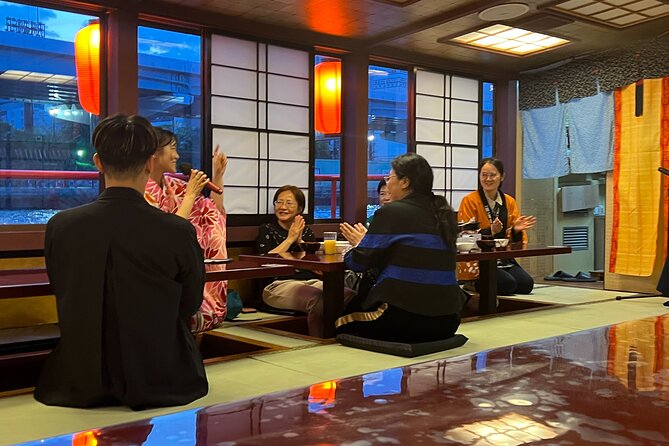
If you’re chasing night photos of Tokyo, this is built for you. Rainbow Bridge is illuminated with colored lights at night, and the boat view gives you a sense of scale—bridge towers look taller and more dramatic when you’re on the water.
Here’s how to make your photos easier:
- Arrive early so you can settle where you like best before the lights really start to pop.
- Keep your camera ready during the Rainbow Bridge portion so you don’t miss the best lighting moment.
- Don’t fight the boat motion. Use steady breathing, brace your arms, and accept a few imperfect shots—then you’ll get the keepers.
Toyosuōhashi Bridge is also worth your attention. Even though Rainbow Bridge steals the show, Toyosuōhashi’s modern structure provides a clean, geometric contrast against the bay water, and it’s a nice “in-between” moment for different shots.
Price and value for a one-hour cultural night on the bay
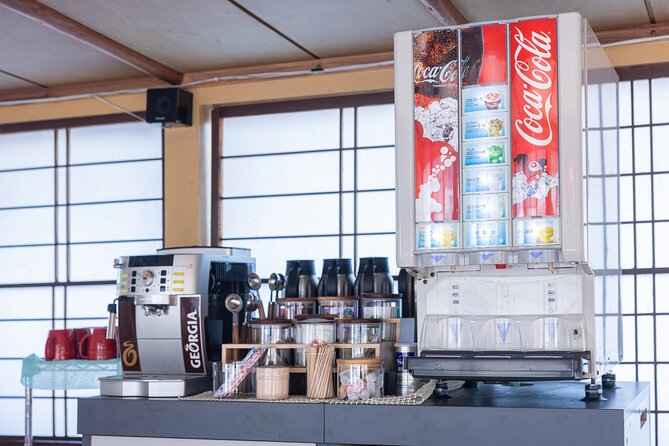
At $46.24 per person, this cruise sits in a price zone that can feel surprisingly reasonable once you add up what you get: a traditional yakatabune ride, a live performance, and unlimited coffee/tea plus soft drinks.
You’re paying for three things at once:
- time on the water (60 minutes in Tokyo Bay)
- live cultural entertainment during the ride
- guided support in multiple languages
The real value comes from that blend. Many “city views” cost close to this and give you photos but not culture. Many “culture shows” cost about this and give you culture but not a moving skyline setting. This combines both, so your money goes toward the full experience rather than one slice.
Also, the group size cap at 58 travelers helps keep it from turning into a crowded cattle-car situation. It’s still not a private boat, but it generally feels more manageable.
Who should book this yakatabune cruise (and who should skip it)
This is ideal if you want an easy, one-hour activity that feels distinctly Japanese. You’ll likely enjoy it if you:
- like scenic water views and night lights
- want a traditional performance without hunting for tickets to a theater
- prefer a structured, guided experience instead of wandering docks on your own
It’s not the best match if you strongly prefer assigned seating only, or if shared tables would ruin your mood. Shoes-off travel is also not for everyone.
And if you’re expecting a full dinner cruise, adjust your expectations. This ticket lists drinks only, not meals—so plan your food around it.
Should you book this Tokyo Bay yakatabune cruise?
If you’re choosing between another night of Tokyo “just looking,” I’d book this. The yakatabune format and the surprise live performance make it more than a view from a distance. At just about an hour, it’s also a low-risk way to add something cultural without betting your whole evening on transportation timing.
My call: book it if you want a calm, scenic cruise with real cultural entertainment and you’re comfortable with a shoe-free interior and possible shared seating. Skip it only if you need assigned seating or you’re specifically looking for an included meal.
FAQ
How long is the yakatabune cruise?
The sailing time is about 60 minutes (approximately).
What’s included in the ticket price?
Your ticket includes the yakatabune ride, the live traditional performance (dance, shamisen, or guqin), and unlimited coffee and/or tea. Soft drinks like cola, hot coffee, juice, green tea, and soda are also included, plus a guide.
Are meals included?
No. Meals are not provided.
What drinks are included onboard?
Coffee and/or tea are available free unlimited, along with soft drinks such as cola, hot coffee, juice, green tea, and soda.
What kind of performance will I see?
Each cruise features a live traditional performance, but the exact type is a surprise. It may be dance, shamisen, or guqin.
Do I need to remove my shoes?
Yes. Shoes are removed for this experience.
What time should I arrive at the meeting point?
Arrive 15 minutes early. Late arrivals will not be accommodated.
How is seating handled on the boat?
Seating is first-come, first-served. Because seating is limited, shared tables may be required.
What happens if the weather is bad?
This experience requires good weather. If it’s canceled due to poor weather, you’ll be offered a different date or a full refund.
![[Self-Drive] Tokyo & Daikoku Custom Car Driving Tour - Shibuya Crossing: Scramble Chaos, With You in Control](https://e.thetokyoexplorer.com/wp-content/uploads/self-drive-tokyo-daikoku-custom-car-driving-tour-400x400.jpg)