REVIEW · TOKYO
Kamakura Day Trip from Tokyo with a Local: Private & Personalized
Book on Viator →Operated by City Unscripted · Bookable on Viator
Kamakura hits different when it’s guided. This private, personalized day trip pairs a JR train ride from Tokyo with a local host who helps you shape the route in seaside Kamakura’s medieval temple world. I like that you’re not stuck on a fixed checklist, and I like the mix of nature (ocean air, forest walks, bamboo) with iconic sights like the Great Buddha. One watch-out: the day involves a lot of walking, so plan for shoes-first travel.
If you’re the type who enjoys history but also likes fresh air and breaks, this works well. You’ll pass through Komachi Street’s modern buzz, then slip into shrines and temples that feel calmer than central Tokyo. The only real drawback is that food and attraction tickets aren’t included, so you’ll want a budget for lunch and whatever you choose to pay for.
In This Review
- Key highlights worth your attention
- Kamakura in One Day: Why This Seaside-Temple Mix Works
- Price and Logistics: Private Time Plus a JR Train Ticket
- Meeting at Tokyo Station: Getting Out of the City Smoothly
- Building Your Day with a Local Host (and Handling Crowds)
- Komachi Street and Hachimangu Shrine: Old Tokyo Energy, But With Temple Calm
- Hase-dera: Hydrangeas, Forest Paths, and a Classic Kamakura Stop
- The Great Buddha: The Big Bronze Moment (and Why You’ll Actually Enjoy It)
- Hokokuji Bamboo Grove: Walking Into Quiet, Then Cooling Off With Matcha
- Engakuji Zen Temple in Kita-Kamakura: A Calm Finish in the Hills
- How Much Walking Will You Do?
- Food, Tickets, and Where Your Money Actually Goes
- Who This Tour Is Best For
- Should You Book This Kamakura Day Trip?
- FAQ
- Is this tour private and personalized?
- How long is the Kamakura day trip?
- What’s included in the price?
- Where do we meet in Tokyo?
- Is there a lot of walking?
- Can I cancel for a full refund?
Key highlights worth your attention
- A private, personalized itinerary built around your interests (not a rigid script)
- JR round-trip Tokyo–Kamakura tickets included for a smooth start
- Temple-and-nature pairing: Hase-dera, bamboo, Zen grounds, and the Great Buddha
- Seasonal flower timing in places like Hase-dera (especially in June hydrangea season)
- Komachi Street + Hachimangu for the old-meets-modern feel in one flow
- A host who can adjust pace to your needs, including help with stairs/elevators when possible
Kamakura in One Day: Why This Seaside-Temple Mix Works
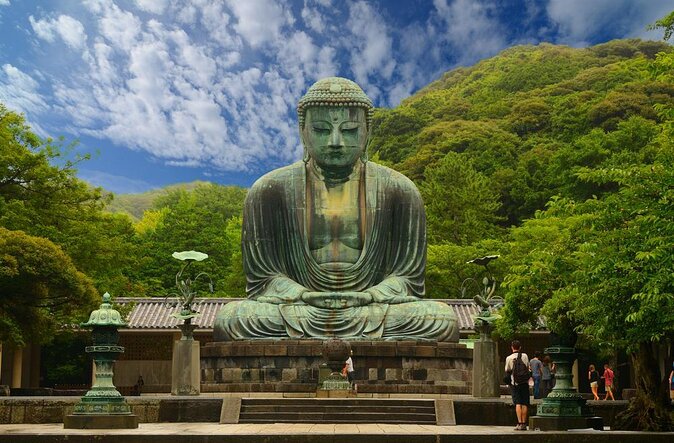
Kamakura is one of those places where you can feel different centuries at walking speed. In a single day, you’ll go from ocean-adjacent air and beach-town vibes into forested shrine paths and major temple grounds. It’s the kind of day trip that feels like more than a “quick look.”
What I really like about this tour style is the balance. You’re not only chasing photos; you’re learning what you’re seeing, why it matters, and how the sites connect. Plus, you get to design the day with your local host, which is a big deal in a place where crowds and walking routes can make or break your experience.
You can also read our reviews of more private tours in Tokyo

Price and Logistics: Private Time Plus a JR Train Ticket
At $323.38 per person for an ~8-hour private tour, the value depends on what you want from the day. You’re paying for private guidance and flexibility, not just transportation. The good news: round-trip JR train tickets to Kamakura are included, so you’re not juggling extra transit costs.
A few costs to plan for up front:
- Food and drinks are not included, so lunch will be on you.
- Attraction tickets are not included, so if you want to enter ticketed areas, budget for that.
- Aside from the included JR round trip, other local transportation can be arranged for an additional cost, which matters if your legs need a hand.
If you’re traveling with family, or you just prefer not to fight crowds alone, private guidance can feel like a bargain. If you’re trying to keep costs ultra-low and you don’t mind route planning yourself, you could do Kamakura on your own for less.
Meeting at Tokyo Station: Getting Out of the City Smoothly
The meeting point is at the JR EAST Travel Service Center at Tokyo Station (Marunouchi North Gate). That’s a practical start: you’re near major transit lines, and it’s easy to find compared with some more hidden tour meet-ups.
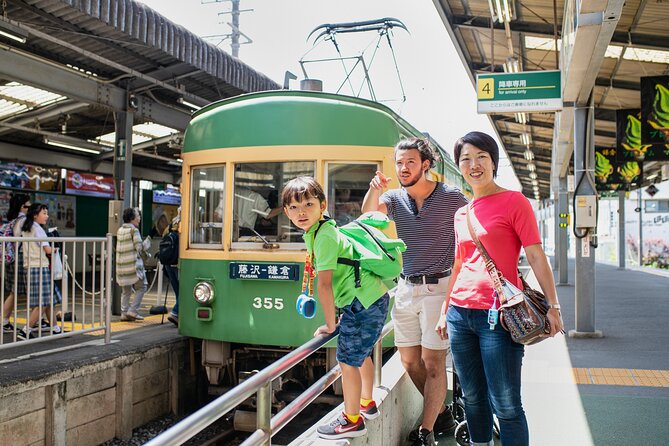
The big win here is the included round trip by JR train. You’ll spend less time figuring out schedules and more time enjoying the day. And because your meet-up can be flexible, you may be able to meet at your hotel or a nearby spot close to the start, if you request it.
Building Your Day with a Local Host (and Handling Crowds)
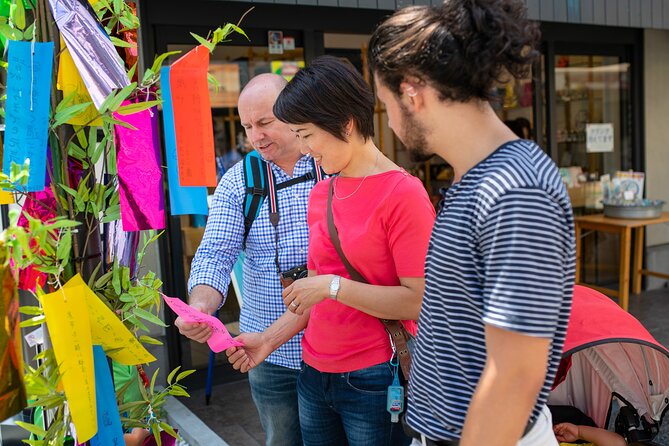
This is a private and personalized experience, and that changes everything about Kamakura. Your local host can choose the specific places you visit from the tour’s suggested set, based on your interests and pace. That means if you’re into temples more than shopping, you can lean that way. If you’d rather linger in gardens, you can.
The host component matters most when walking paths get tricky. In Kamakura, you’re moving between hills, temple entrances, and viewpoints. The better hosts help you manage that with smart pacing and practical routing. If you have walking issues, you’ll want to tell your host early; the tour supports a “walking experience,” and your host can help you locate helpful options when available.
Komachi Street and Hachimangu Shrine: Old Tokyo Energy, But With Temple Calm
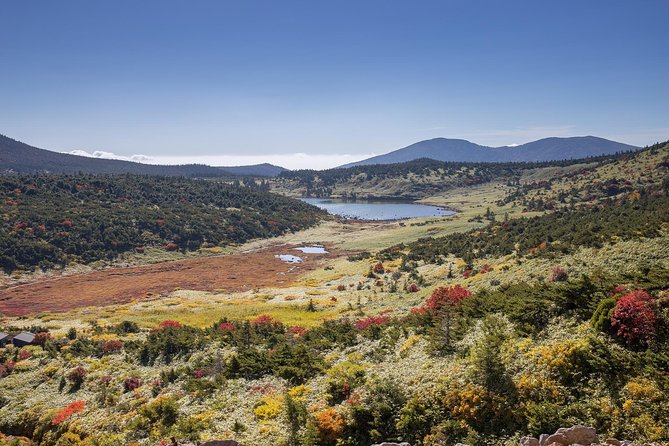
Your day often starts by passing Komachi Street, a lively strip of shops and food stalls right in the middle of historic Kamakura. It’s where you can grab snacks, browse small stores, and get a feel for how this “old city” stays busy. Even if you’re aiming for temples, Komachi Street is a good warm-up.
From there, you head toward Hachimangu Shrine, one of Kamakura’s best-known shrines. Hachimangu honors Hachiman, the patron god of the Minamoto family and of samurai in general. It’s a strong early anchor: you’ll feel the samurai-era significance before you hop to other sites.
Tip from how this kind of day flows: if you like food, this is a smart place to grab something quick so you don’t feel rushed later. Since food isn’t included, you control your timing and choices.
You can also read our reviews of more tours and experiences in Tokyo




Hase-dera: Hydrangeas, Forest Paths, and a Classic Kamakura Stop
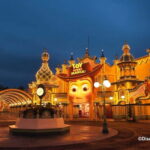
Hase-dera is the kind of temple stop that rewards slow walking. It’s especially famous in June because hydrangeas bloom around the temple grounds, turning the area into a color-forward pilgrimage zone. Even outside June, it’s known for the blend of temple setting and garden-style atmosphere.
This is also the moment when your guide’s “custom itinerary” skill shows. If you want more nature time, your host can help you focus on garden areas and viewpoints rather than just moving fast to landmarks. If flowers aren’t your thing, the temple’s placement and historical context can still make it worth your time.
Drawback to consider: Hase-dera can be busy during peak seasons like early summer bloom time. If you don’t love crowds, ask your host about the best order and pacing to reduce time in dense areas.
The Great Buddha: The Big Bronze Moment (and Why You’ll Actually Enjoy It)
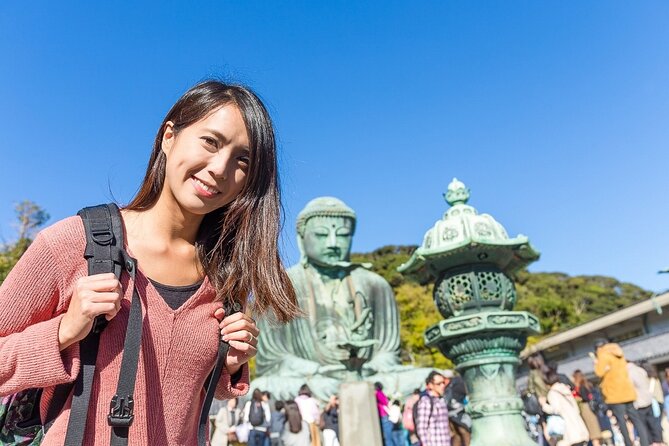
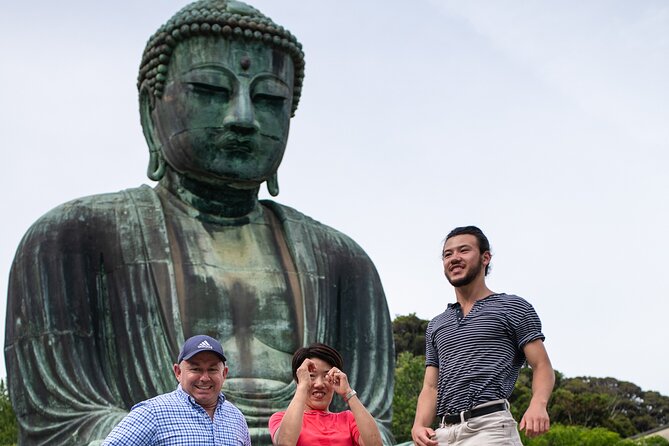
Then comes one of Kamakura’s most iconic sights: the Great Buddha. You’re looking at a massive bronze sculpture of Amida Buddha, nearly 800 years old, which helps explain why this spot is so central to Kamakura identity.
What makes this stop satisfying is that it’s not just a “wow, statue” moment. Your host can connect it to why Kamakura became a major setting for religion and power during medieval times. That context makes the sculpture feel less like a random landmark and more like part of a bigger story.
Practical note: it’s a popular target, so expect lines and crowds. This is where private routing helps. A smart guide can time the visit so you spend more time looking and less time standing.
Hokokuji Bamboo Grove: Walking Into Quiet, Then Cooling Off With Matcha
If you only remember one “nature-feels-like-therapy” stop, make it Hokokuji Temple and its small bamboo grove behind the main hall. There’s a narrow path through the bamboo, and the air feels different once you’re inside it.
The best part for many people is what comes after the bamboo walk: a tea house where you can sit and enjoy matcha tea. Since food and drinks aren’t included on the tour, this is a place where you’ll likely want to budget a little for your own tea break. It’s also a smart way to reset if your legs start to feel it.
One consideration: the bamboo grove is compact. If you’re traveling during high season, you’ll still want to move with the flow and accept that it’s a photo magnet.
Engakuji Zen Temple in Kita-Kamakura: A Calm Finish in the Hills

For a quieter end to your day, head to Engakuji, built into the slopes of Kita-Kamakura’s forested hills. It’s known as one of the leading Zen temples in eastern Japan, and it has that “walk a little and feel it” atmosphere.
This is a great counterbalance to the more crowded, shopping-adjacent parts of Kamakura. After Komachi Street and the big landmark stops, Engakuji tends to feel like a breath of calm. Your host can also steer you to the best angles for understanding how the temple fits into the hillside.
Practical tip: since it’s set into hills, wear shoes with grip. Even if you’re not doing a lot of “hiking,” slopes and temple walkways can be slippery after rain.
How Much Walking Will You Do?
Be prepared: this is described as a walking experience, and many people call out that there’s a lot of walking in the day. Kamakura is spread across different areas and levels, so even if each stop is “not far,” you’ll still rack up steps.
Here’s how to make it work:
- Wear comfortable shoes with good traction.
- Bring a small water bottle if you like staying ahead of thirst (water isn’t listed as included).
- Tell your host about any walking concerns early, so they can adjust the order and help with practical routing like elevator access when possible.
- If you need extra help beyond walking, your host can arrange other transport for an additional cost.
If you hate steps, or you’re traveling with someone who can’t handle uneven surfaces, consider whether this is the right format or plan to spend more time in fewer areas.
Food, Tickets, and Where Your Money Actually Goes
Food and drinks are not included. That’s not a deal-breaker, but it does affect how you budget the day. Since you’ll be moving from busy streets to temple grounds, it helps to treat lunch as part of your personal itinerary.
Tickets to attractions are also not included. Many of the sites you’ll see may not require extra paid entry beyond standard temple grounds, but you should still expect some add-ons depending on what you choose to enter.
So, what’s the real value in this price? You’re paying for:
- private time with a local host,
- round-trip JR transport,
- and the ability to shape the day based on what you care about most.
For many people, that’s the difference between a stressful “tourist sprint” and a day you remember.
Who This Tour Is Best For
This Kamakura day trip is a strong match if you:
- want private guidance rather than navigating alone,
- like temples and shrines but also enjoy nature walks,
- care about seasonal timing (like hydrangeas around Hase-dera in June and cherry blossoms in spring),
- want a mix of iconic sights and quieter spots like bamboo and Zen grounds,
- travel with family and appreciate hosts who can adjust pacing.
It’s less ideal if you want a mostly “sit and view” day, or if you’re trying to keep expenses to the bare minimum and don’t value customization.
Should You Book This Kamakura Day Trip?
I’d book this if you want Kamakura to feel personal and well-paced. The private format plus the included JR round-trip ticket saves real effort, and the mix of bamboo calm, big-buddha scale, and shrine-and-street variety gives your day shape. If you like the idea of choosing where to spend your energy, not just checking boxes, this style fits well.
Skip it (or rethink) if your group can’t handle a lot of walking, or if you don’t want to pay for private guidance. In that case, you might prefer a cheaper self-guided day using JR and your own route planning.
If you do book, send clear notes to your host about your must-sees and your walking limits. That’s the best way to get the day you’ll actually enjoy.
FAQ
Is this tour private and personalized?
Yes. It’s a private and personalized experience, so only your group participates.
How long is the Kamakura day trip?
It runs about 8 hours.
What’s included in the price?
Included are a private 8-hour experience with a local host, round tickets to Kamakura via JR train, and the walking experience. Food and drinks aren’t included, and tickets to attractions aren’t included.
Where do we meet in Tokyo?
You start at the JR EAST Travel Service Center at Tokyo Station (Marunouchi North Gate). The meeting point can also be flexible and may be agreed with your local host, including meeting at your hotel or near your accommodation.
Is there a lot of walking?
This is described as a walking experience, and you should plan for a good amount of walking during the day.
Can I cancel for a full refund?
Yes. You can cancel up to 24 hours in advance for a full refund.