REVIEW · TOKYO
Asakusa Historical And Cultural Food Tour With A local Guide
Book on GetYourGuide →Operated by Washoku club city and food tours · Bookable on GetYourGuide
Asakusa tastes like old Tokyo. On this 4-hour small-group food walk, I liked how the route mixes classic sights with real street-food sampling, and how guide Adam kept the cultural context clear without turning it into a lecture. My second favorite part was the way you bounce from temple streets to snack counters fast, so you’re always doing something instead of standing around. The main drawback: it’s a lot of walking, and some lanes near the crowds around Sensō-ji can feel tight.
I also appreciated the value math. For $180, you’re not just paying for a guide—you’re getting multiple tastings plus drinks (soft drinks and water), and you’ll cover the Asakusa basics in a single hit. If you’re the type who hates tasting multiple bites and would rather do one big meal, this format may feel like “snack speed” instead of a sit-down dinner.
In This Review
- Key highlights at a glance
- Getting oriented at Asakusa Culture Tourist Information Center
- Nakamise Shopping Street: 30 minutes of snacks and people-watching
- Sensō-ji Temple: why this stop anchors the whole day
- Asakusa’s shrine stop and the shopping timing that keeps you moving
- The Culture Tourist Center again: a smart reset before dessert mode
- Hanayashiki amusement park: a mid-tour mood shift
- Tokyo Skytree and the 360-degree scale moment
- What you eat: beef, sushi, tempura, sweets, and drinks
- Price and value: what $180 covers for 4 hours
- Who this tour is best for (and who should skip it)
- Should you book this Asakusa Historical and Cultural Food Tour?
- FAQ
- How long is the Asakusa Historical and Cultural Food Tour?
- Where is the meeting point?
- What languages is the live guide available in?
- How large is the group?
- What food and drinks are included?
- Are alcoholic drinks included?
- What is the cancellation policy?
- Can I reserve without paying immediately?
Key highlights at a glance
- Small group of up to 10 keeps questions easy and pacing comfortable
- Sensō-ji and Nakamise Street give you the classic Asakusa feel right away
- Food sampling in Asakusa only means you’re not leaving the neighborhood to eat
- Asakusa Culture Tourist Information Center is a smart starting base for orientation
- Hanayashiki amusement park adds a playful break from temple-and-shop mode
- Tokyo Skytree scale moment helps you connect Asakusa’s past with Tokyo’s present
Getting oriented at Asakusa Culture Tourist Information Center
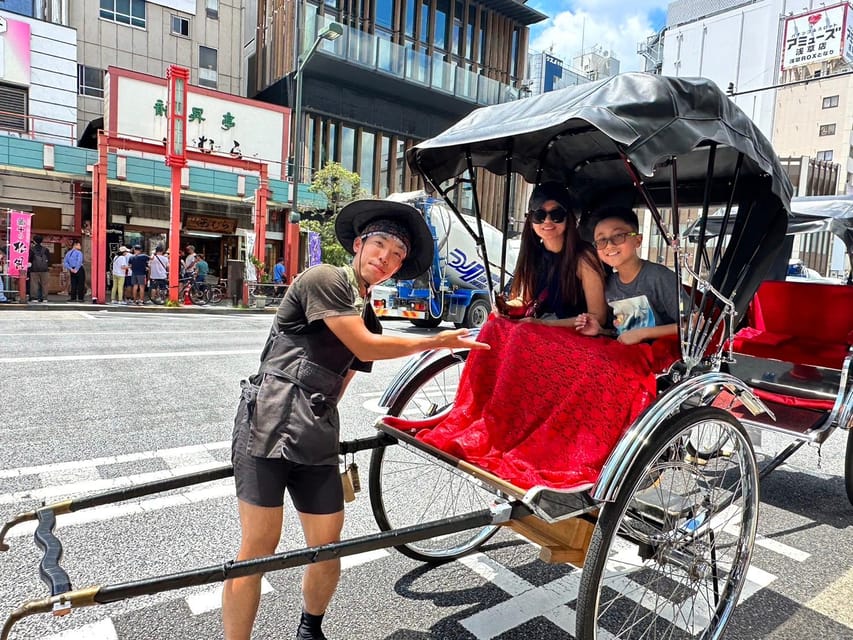
Your tour starts at the Asakusa Culture Tourist Information Center (2-chōme-18-9 Kaminarimon). This is a good choice for first-timers. It’s the kind of place that helps you get your bearings fast—before you get swallowed by incense smoke, souvenir crowds, and snack lines.
I like that the tour doesn’t waste time. You begin with a clear meeting point and a smooth handoff from orientation to walking. In practice, that means you spend less time staring at your map and more time noticing what’s around you—traditional shopfronts, old-school street-energy, and the way people actually move through the neighborhood.
Also, since the guide is English and Japanese, you’re less likely to get lost in translation when you’re picking up menus, ordering food, or asking what something is.
You can also read our reviews of more food & drink experiences in Tokyo



Nakamise Shopping Street: 30 minutes of snacks and people-watching
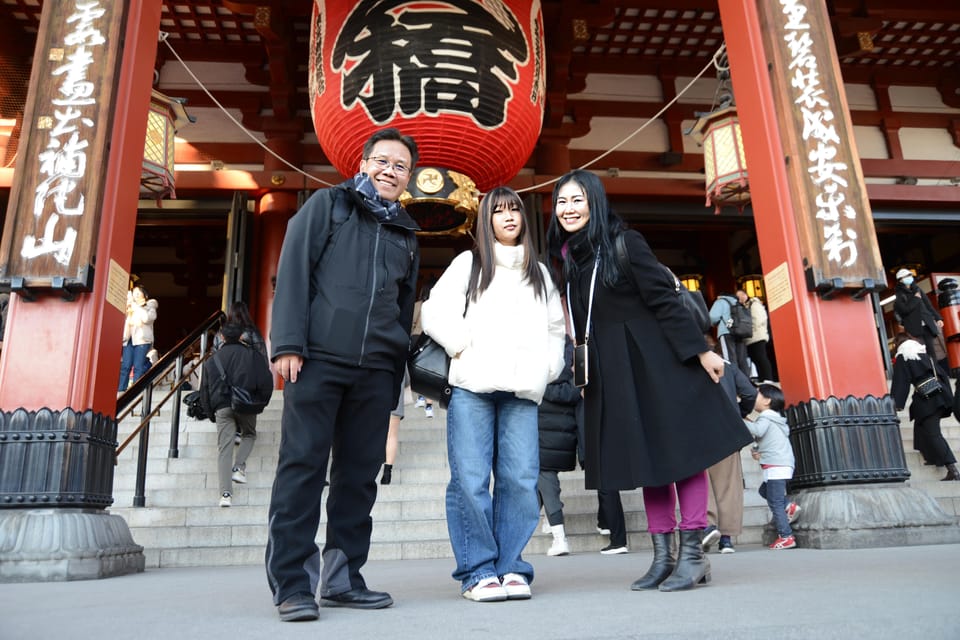
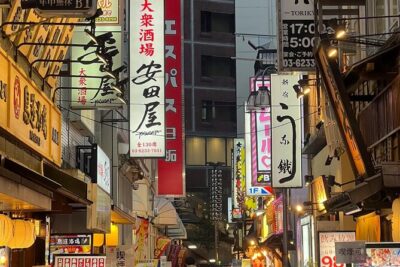
Nakamise Shopping Street is where Asakusa shows off. It’s the strip you’ll see on postcards, but up close it feels more like a working street market than a theme park. This stop is built for momentum: you get about 30 minutes to shop, so you can grab small gifts or decide what you want later without losing the group.
The food here matters because it’s not random. You’re in the zone near the old temple area, and the shops and stalls reflect that long-running tourist flow. That’s where your guide helps you sort through choices quickly—what’s worth trying, what might be better as a bite-sized dessert, and what pairs well with the savory stuff you’ll get later.
A practical consideration: this street can get busy, especially when school groups or tour groups overlap. If you prefer quiet shopping, go with the mindset that this is about quick choices and walking comfort, not leisurely browsing.
Sensō-ji Temple: why this stop anchors the whole day
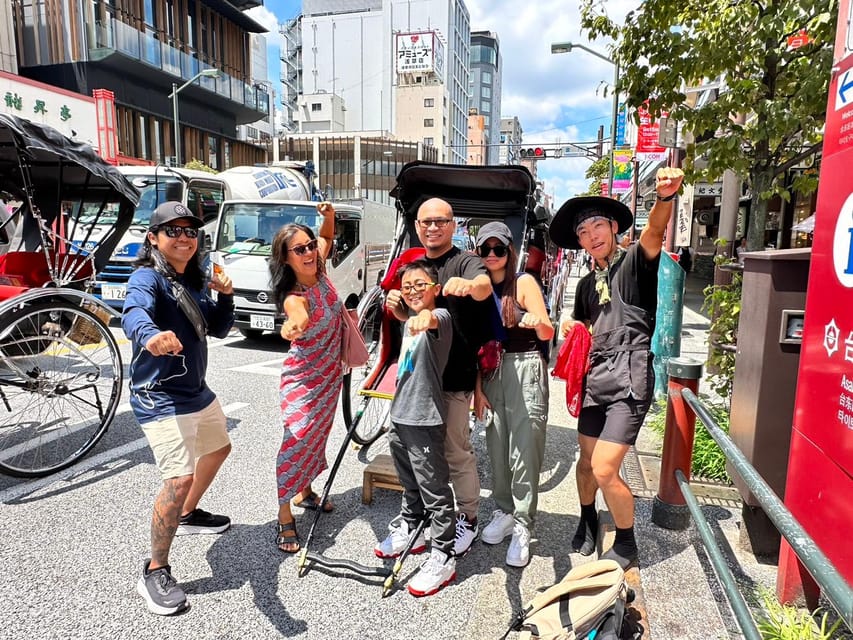
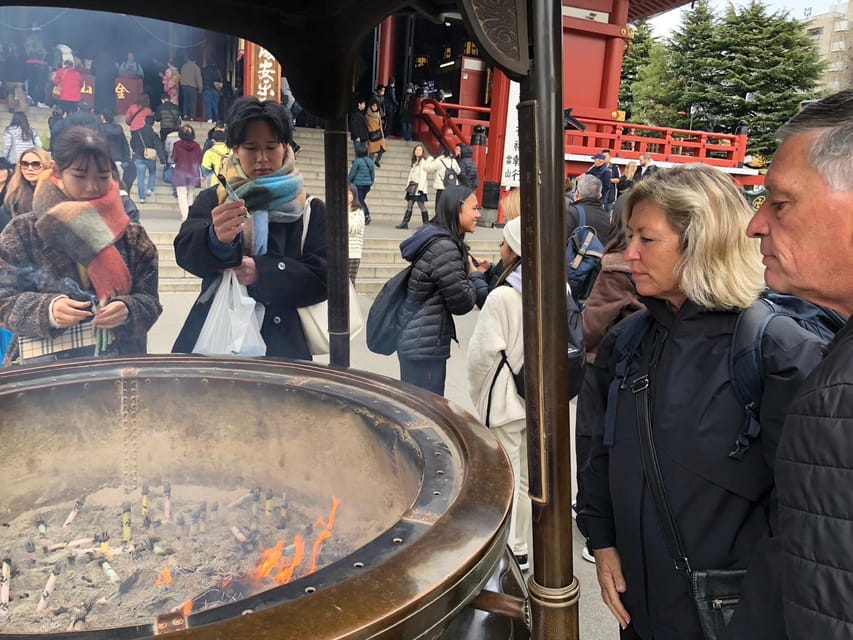
Sensō-ji (浅草寺) is the big anchor. It’s an ancient Buddhist temple in Tokyo, and it’s also one of the most visited sights in Japan—so yes, it draws crowds. But that’s part of why it works on a food tour: it gives you context for the area you’re eating in.
You get about 30 minutes for sightseeing, which is enough to take in the main temple atmosphere without turning the day into a history marathon. When a guide explains what you’re looking at, the place stops being just scenery. You start noticing why the street food lines exist, why certain offerings show up near the temple approach, and why the neighborhood keeps its traditional character.
If you’ve never visited a Buddhist temple in Japan, keep the basics in mind. Slow down in the prayer areas, watch for posted signs, and be mindful with photos where people are praying. The guide should help you with the etiquette cues, but it’s still worth going in respectful and relaxed.
Asakusa’s shrine stop and the shopping timing that keeps you moving
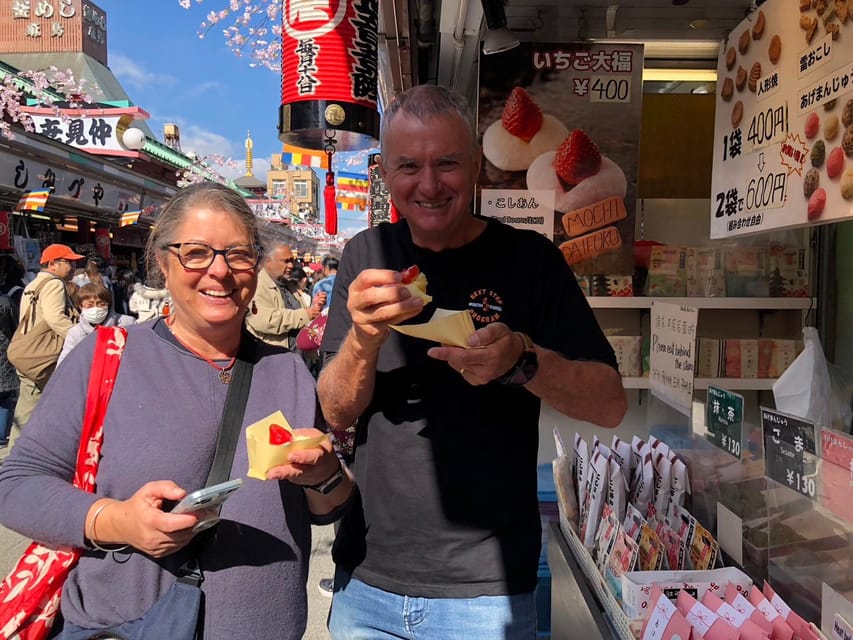
After Sensō-ji, the tour keeps you in the Asakusa rhythm: another short sightseeing window (around 30 minutes) and then time to keep shopping (also about 30 minutes).
The Asakusa shrine stop matters because it helps you understand that this area isn’t just one famous temple. It’s a set of places that all feed into the same local identity—religious practice, community spaces, and the shops that grew around people coming for festivals and visits.
Then comes the shopping time. I like that it’s scheduled. Without structure, you’d either (a) run out of time and buy nothing, or (b) overspend early and regret it when you see a better snack or a nicer craft shop later.
Also, since your food sampling is already planned, shopping can stay intentional. You’re not forced into snack-hunting for every bite, which makes the whole day feel less stressful.
The Culture Tourist Center again: a smart reset before dessert mode
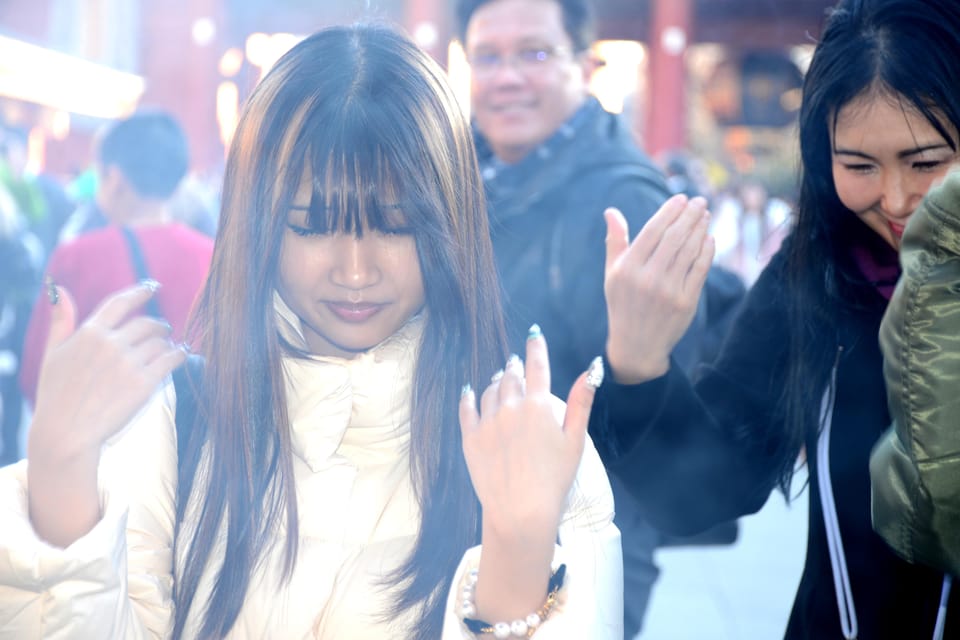
You revisit the Asakusa Culture Tourist Information Center (around 30 minutes). This second stop may sound redundant, but it actually functions like a reset point.
In a practical sense, it helps the tour flow. You can regroup, check what you’ve eaten, and get direction for the next segment—especially when you’re bouncing between temple streets, shop lanes, and places like amusement grounds.
It also adds value if you want to extend your day afterward. A tourist center is a natural place to confirm what to see next, where to find transit, and which neighborhood streets are easiest to explore on your own.
You can also read our reviews of more tours and experiences in Tokyo



Hanayashiki amusement park: a mid-tour mood shift
Next up is Hanayashiki Amusement Park, with sightseeing and walking time (about 30 minutes). This is a refreshing contrast to temples and shopping streets.
Hanayashiki has rides and cafes, and the setting keeps it feeling old-school rather than “modern mall fun.” You get the sense that Asakusa isn’t only about watching history—it’s also a place where Tokyo families relax and hang out.
The small time window means this isn’t a full amusement park day. You’re not waiting around for a long ride cycle. It’s more like a palate cleanser for your feet and your mood: walk, glance at rides, snack if you want, and then move on with the group while you’re still energized.
If you don’t care about amusement parks, you’ll still get value from the contrast alone. It breaks the day’s visual pattern and helps you remember that neighborhoods have layers.
Tokyo Skytree and the 360-degree scale moment
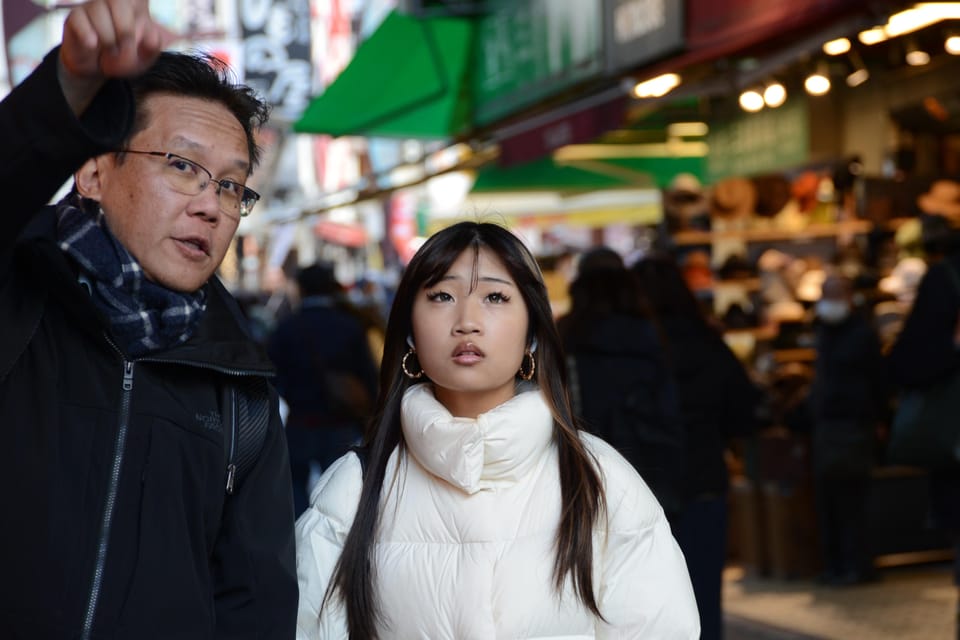
One part of the experience that surprises people—until they see it in action—is the Tokyo Skytree segment. The tour description frames it as an epic contrast: you’re in historic Asakusa, then you look at a 634-meter tower and take in a 360-degree perspective.
Even if you’ve seen photos, the real takeaway is how the city’s size and density hit you all at once. This kind of view helps anchor your mental map of Tokyo. It’s easier to understand where Asakusa sits once you’ve seen how enormous the city footprint feels from above.
A practical thought: if you’re sensitive to heights or crowds in observation areas, plan to keep your expectations flexible. The “scale moment” is the value here, not a long lingering climb.
What you eat: beef, sushi, tempura, sweets, and drinks
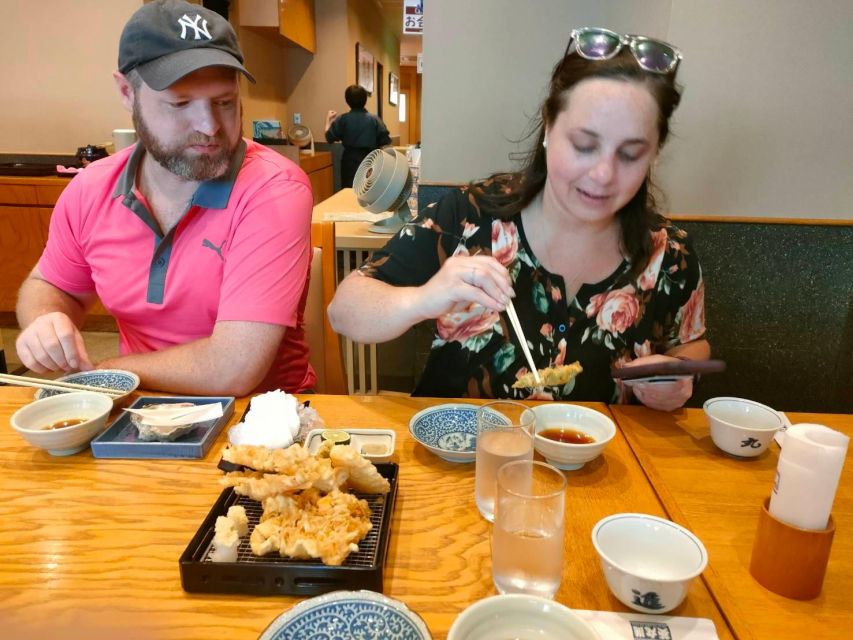
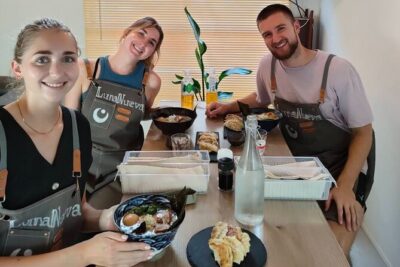
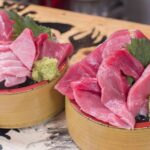
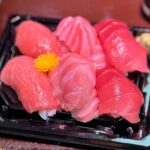
This tour is built around food sampling, not just sightseeing. You’ll try a mix including beef, sushi, tempura, plus snacks and desserts. You also get two soft drinks and water, and alcoholic drinks are not included (they’re available to purchase).
The best way to enjoy this format is to pace yourself. Don’t treat each stop like a separate “meal mission.” Think of it as a guided tasting journey: savory bites, then a sweet option like dango or daifuku, then another savory course to reset your appetite.
I also like that desserts are part of the planning. If you come to Tokyo only thinking of sushi, you miss half the fun. Dango and daifuku fit perfectly with Asakusa’s street-food vibe—portable, recognizable, and easy to snack on while walking.
And because you’re trying variety in Asakusa specifically, you get a sharper sense of the neighborhood’s flavor identity. It’s not the same “tourist food” spread everywhere in Tokyo. The choices connect to the street-culture around the temple approach and nearby market style shops.
Price and value: what $180 covers for 4 hours
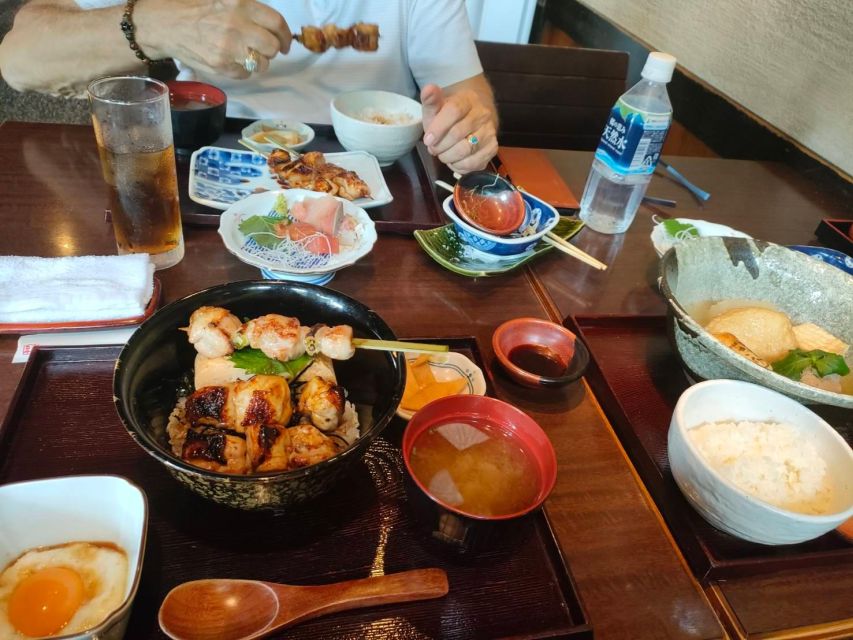
At $180 per person for a 4-hour guided walk, the key question is whether you’re paying for guidance alone—or for actual tastings too.
Here, you’re getting more than a route. The price includes:
- a local guide in English and Japanese
- food and drink: beef, sushi, tempura, 2 soft drinks, water
- snacks and desserts
- a small group capped at 10 participants
That combination is what makes it feel like value. A lot of food tours in Tokyo are basically “you pay for walking and someone tells you what to eat.” This one includes multiple tastings, so you leave with a more complete Asakusa experience even if you’re not planning to hunt down every snack stall on your own.
If you already know exactly what you want to eat and you prefer buying everything independently, the price might feel steep. But if you like sampling with less guesswork—and you want cultural context so the sights and flavors connect—this pricing starts to make sense quickly.
Who this tour is best for (and who should skip it)
This fits best if you:
- want a first Asakusa day that covers the essentials without planning every stop
- enjoy street food and sweets and like trying small bites
- want a guide to help you choose confidently, especially at snack counters
- prefer a small group over large buses and loud crowds
It might not be for you if you:
- hate walking for long stretches
- want a fully flexible schedule with no fixed sightseeing blocks
- prefer one long sit-down meal over multiple tastings
Also, come ready to eat. The tour includes food and drinks already, so you’ll likely feel best keeping your own extra spending light during the main window.
Should you book this Asakusa Historical and Cultural Food Tour?
I’d book it if you want one focused afternoon that combines Sensō-ji, Asakusa shopping streets, temple-and-shrine atmosphere, and guided street-food sampling in the same neighborhood. The small group cap matters, and the included tastings make the $180 feel less like a “guide fee” and more like an organized food plan.
Skip it if you mainly want quiet, slow sightseeing or if you’d rather build your own food crawl without structure. Also, keep your expectations realistic: this is a walking tour, and parts of Asakusa can be crowded.
One more useful note: with free cancellation up to 24 hours in advance and reserve now & pay later, it’s easier to plan without stressing if your day’s weather or timing shifts. That flexibility is genuinely handy in Tokyo.
FAQ
How long is the Asakusa Historical and Cultural Food Tour?
The tour lasts 4 hours.
Where is the meeting point?
You meet at the Asakusa Culture Tourist Information Center, 2-chōme-18-9 Kaminarimon, Taito City, Tokyo 111-0034, Japan.
What languages is the live guide available in?
The guide is available in English and Japanese.
How large is the group?
The group is small, limited to 10 participants.
What food and drinks are included?
The tour includes beef, sushi, tempura, snacks and desserts, plus 2 soft drinks and water.
Are alcoholic drinks included?
No. Alcoholic drinks are not included, but you can purchase them.
What is the cancellation policy?
You can cancel up to 24 hours in advance for a full refund.
Can I reserve without paying immediately?
Yes. There is a reserve now & pay later option, so you can book your spot and pay later.