REVIEW · TOKYO
Private Edo-Tokyo Open Air Architectural Museum Tour
Book on GetYourGuide →Operated by Showcase Tokyo Architecture Tours · Bookable on GetYourGuide
Tokyo has a time machine for architecture.
This private tour through Tatemono-en (the Edo-Tokyo Open Air Architectural Museum) turns Tokyo history into something you can walk through, room by room, street by street. You’ll see traditional residences plus the Western ideas that crept into Japan, then end with an East Tokyo atmosphere that feels straight out of a famous animated world.
I especially love the way the tour connects big-name architectural thinking to everyday homes. You’ll start with a house by Kunio Maekawa, influenced by Le Corbusier and Antonin Raymond, and then move on to the Sutemi Horiguchi home where Dutch design shows up for the first time in Japan. The private, English-speaking format also matters: I like that guides like Yuichi and Yuki can tailor explanations to what you care about, like tea rooms and gardens.
One thing to plan around: you pay extra for getting to the museum area (about 700 JPY one way), and many buildings require you to remove your shoes. That’s not a deal-breaker, but it does mean you should wear easy slip-on footwear and build in a little flexibility.
In This Review
- Key things to know before you go
- Entering Tatemono-en’s Edo-to-Showa world
- Kunio Maekawa’s wartime modernism: what to look for
- Sutemi Horiguchi and the Dutch-Modern style transfer
- The Mitsui family residence: luxury that feels practical
- Walking Shitamachi: East Tokyo’s animation-like street atmosphere
- Price and logistics: is $193 good value?
- Your guide matters: how Yuichi and Yuki shape the experience
- Who this tour suits best
- Should you book this Private Edo-Tokyo Architectural Museum Tour?
- FAQ
- FAQ
- Where does pickup happen?
- What is the meeting point at Tokyo Station?
- How long is the tour?
- What does the tour price include?
- What is not included in the tour price?
- Does this tour include the Ghibli Museum?
- Do I need to remove my shoes?
- What language is the guide?
- Is free cancellation available?
Key things to know before you go
- You’re visiting Tatemono-en, not the Ghibli Museum (Studio Ghibli fans will still like the vibe).
- Kunio Maekawa connects Japanese modernism to Le Corbusier and Antonin Raymond.
- Sutemi Horiguchi brings Dutch architecture into Japan, then you’ll see Art Deco and De Stijl influence.
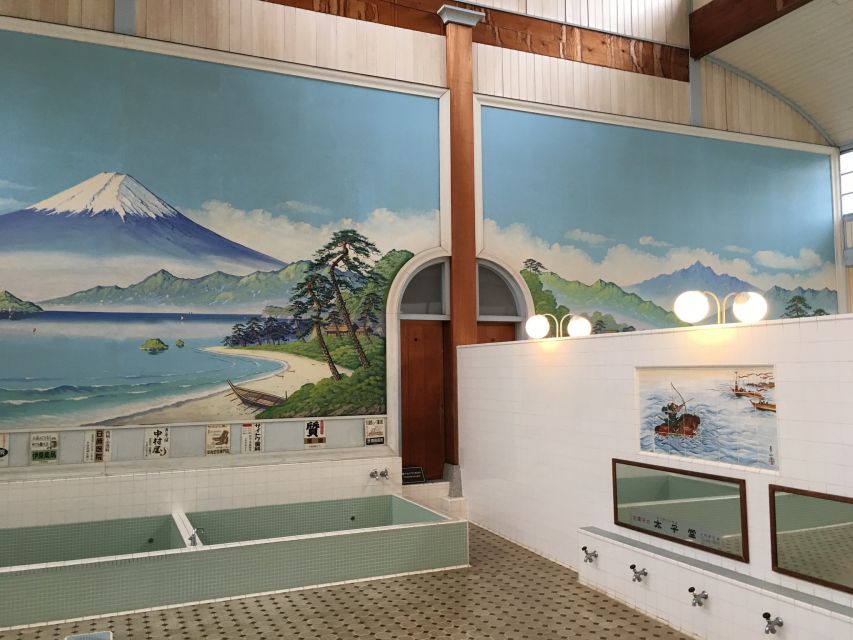
- You’ll spend real time in Edo and Showa-era atmosphere via Shitamachi streets, bathhouse, and an old train.
- Private English guide quality is the core value, with guides like Yuichi and Yuki noted for clear explanations.
- Shoes come off in many buildings, so pack comfort and give yourself a break.
Entering Tatemono-en’s Edo-to-Showa world
This tour takes place at the Edo-Tokyo Open Air Architectural Museum, a place designed for walking—so architecture doesn’t stay trapped behind glass. You move from one preserved building to the next, and each stop tells you something about what people needed at that moment in time.
What makes this itinerary feel special is the mix. You get formal architectural ideas (Western influence, modern planning, style movements) and you also get lived-in Tokyo details. The second half leans hard into a street-level mood in East Tokyo, the kind that makes you slow down without realizing it.
And yes, the ambiance is the reason many people book. The Shitamachi area has streets lined with buildings that feel like they could have been drawn for animation, but you’re still seeing real historical structures. Just don’t mix it up with the Ghibli Museum—this tour does not go there.
You can also read our reviews of more private tours in Tokyo



Kunio Maekawa’s wartime modernism: what to look for
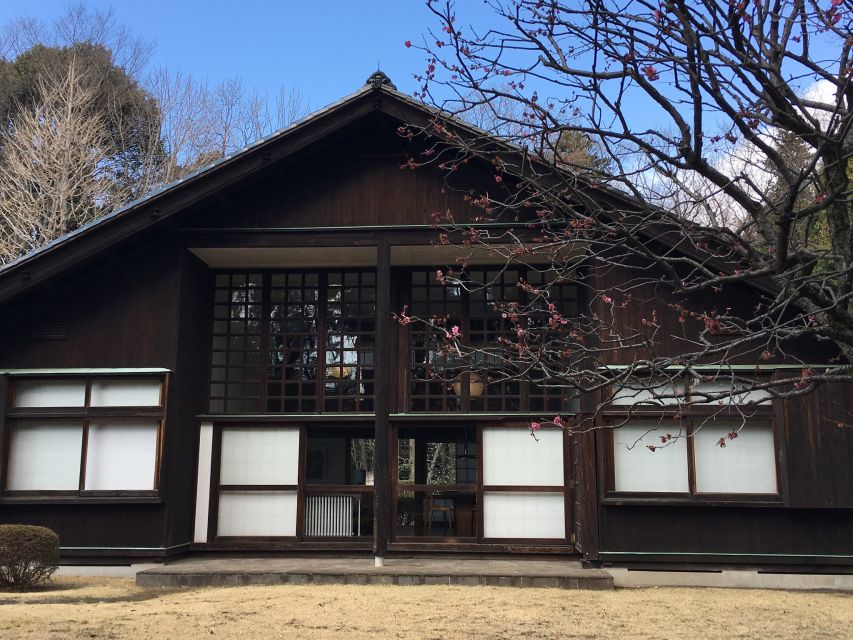
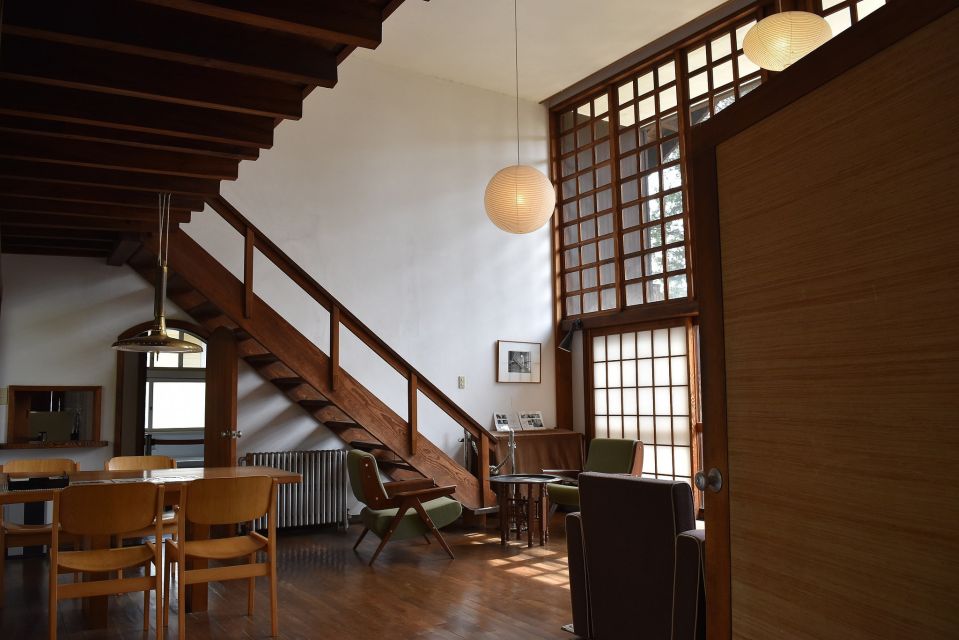
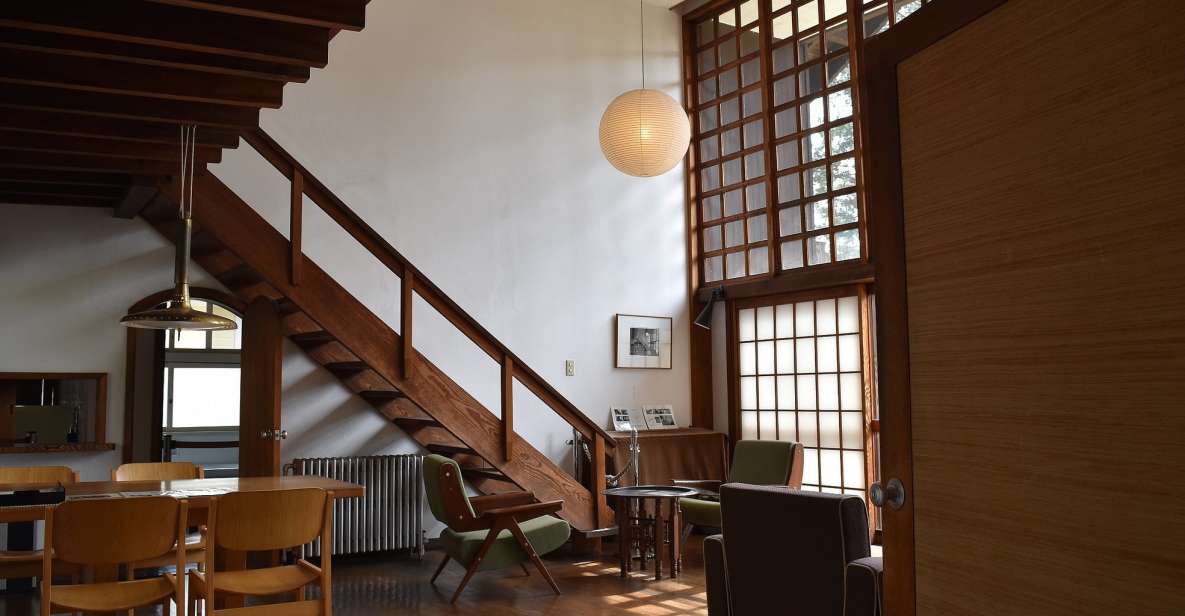
The first big anchor is a house designed by Kunio Maekawa. He worked as an apprentice to Le Corbusier and Antonin Raymond, and he helped shape modern architecture in Japan. The house you’ll see was built during the Second World War, which makes the design feel extra charged: modern ideas were taking form under pressure.
I like starting here because it gives you a framework. Once you understand the “how” of Maekawa’s influence—world-class European ideas translated into Japanese context—the rest of the tour makes more sense. You’re not just collecting cool buildings; you’re tracing a design conversation across continents and decades.
As you walk through, keep an eye on the balance between order and everyday livability. Even without fancy interpretation, you can usually spot where a modern approach tries to bring clarity—layout, light, and how rooms relate. Your guide’s job is to put names and history on those impressions, and the standout guides (including Yuichi in one example) tend to do this with clarity and care.
Sutemi Horiguchi and the Dutch-Modern style transfer
Next up is a residence by Sutemi Horiguchi, an architect who introduced Dutch architecture to Japan. This is another place where context really matters, because it explains how design ideas traveled when Europe and Japan weren’t isolated bubbles.
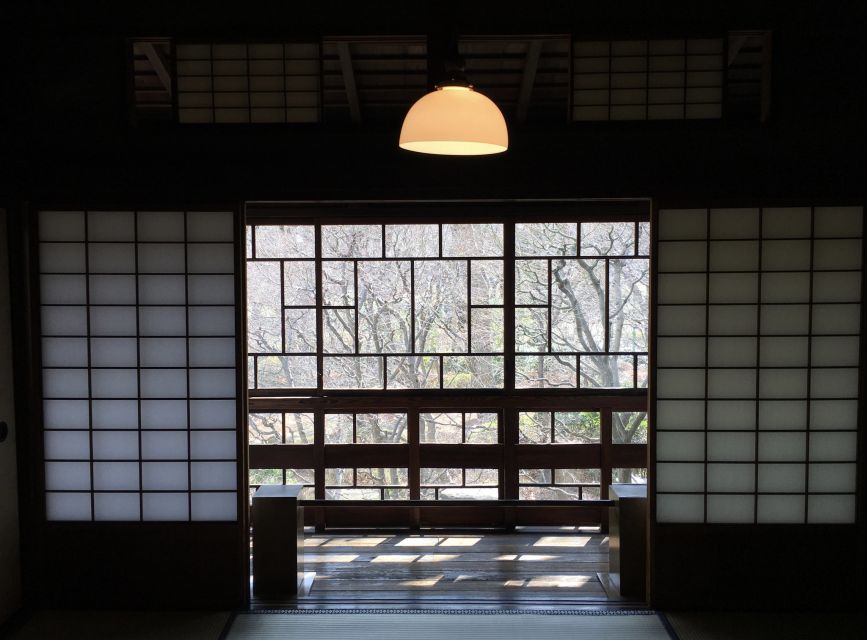
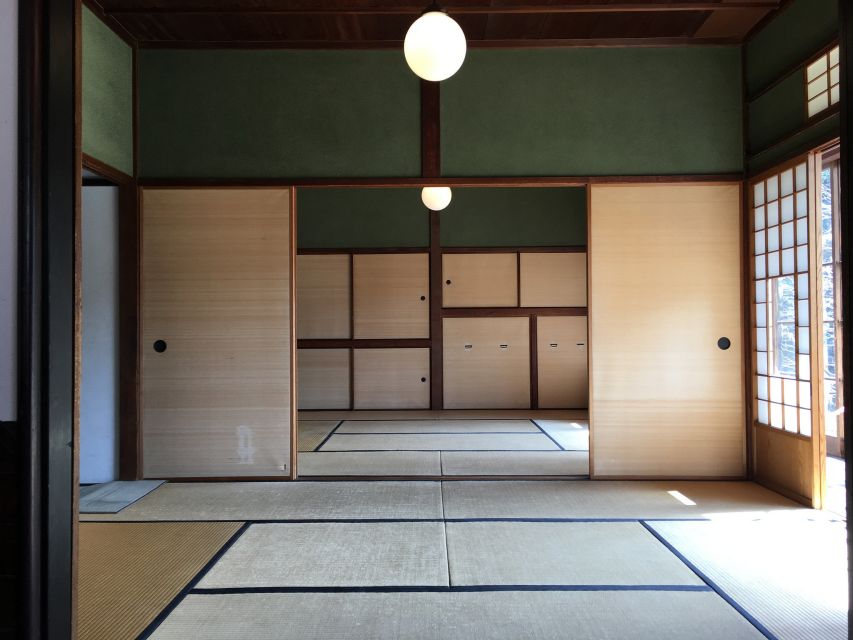
The house dates to 1925, built soon after Horiguchi returned from a trip to Europe. That timing helps you understand why the influence feels direct rather than watered down. You’ll also see Art Deco elements and De Stijl composition principles showing up alongside traditional Japanese rooms.
What I like about this stop is how it resists the usual “old vs. new” thinking. The tour shows that traditional space and Western style language could coexist. You’re not watching Japan copy Europe blindly; you’re watching Europe’s visual ideas get re-mixed inside Japanese domestic architecture.
If you tend to love design history, this is one of the best segments. A good guide will point out how these stylistic influences become recognizable in real layout choices, not just as abstract art terms.
The Mitsui family residence: luxury that feels practical
The latter part of the tour includes a residence associated with the Mitsui family, described as one of the richest families in Japan. You’ll see luxurious interior decoration, and that word matters: it’s not about having one fancy object. It’s about how status shows up through space, materials, and the overall feeling of refinement.
I find this stop useful because it widens your view beyond architecture as engineering or style. A wealthy residence tells you what people valued—comfort, privacy, hosting, and the social choreography of daily life. Even if you’re focused on modern architecture, this is the reminder that buildings are for living, not just for statements.
Drawback-wise, this section can feel a little more visual than analytical. If you’re someone who likes heavy architectural theory, bring your questions about how luxury affects planning. A strong English guide can usually translate the look into what it means and why it was built that way.
Walking Shitamachi: East Tokyo’s animation-like street atmosphere
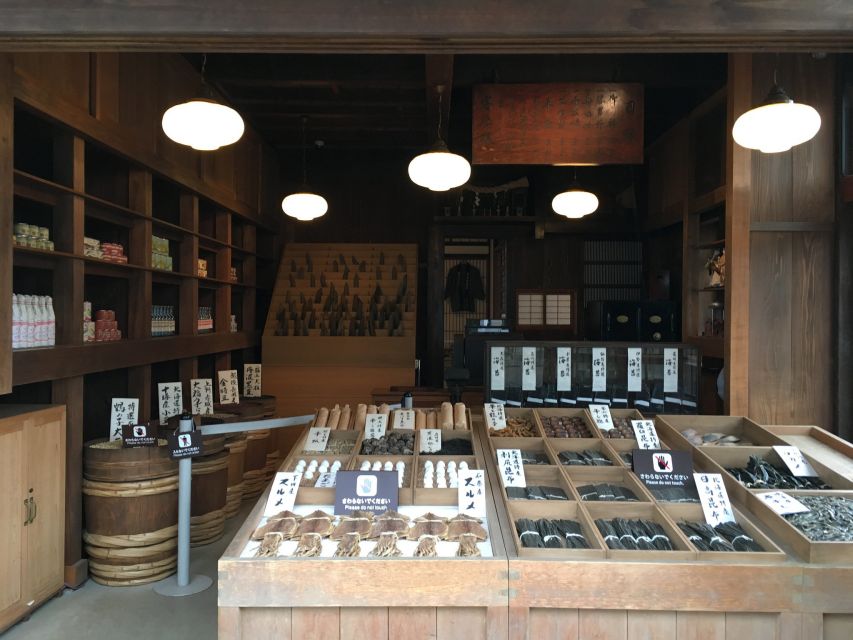
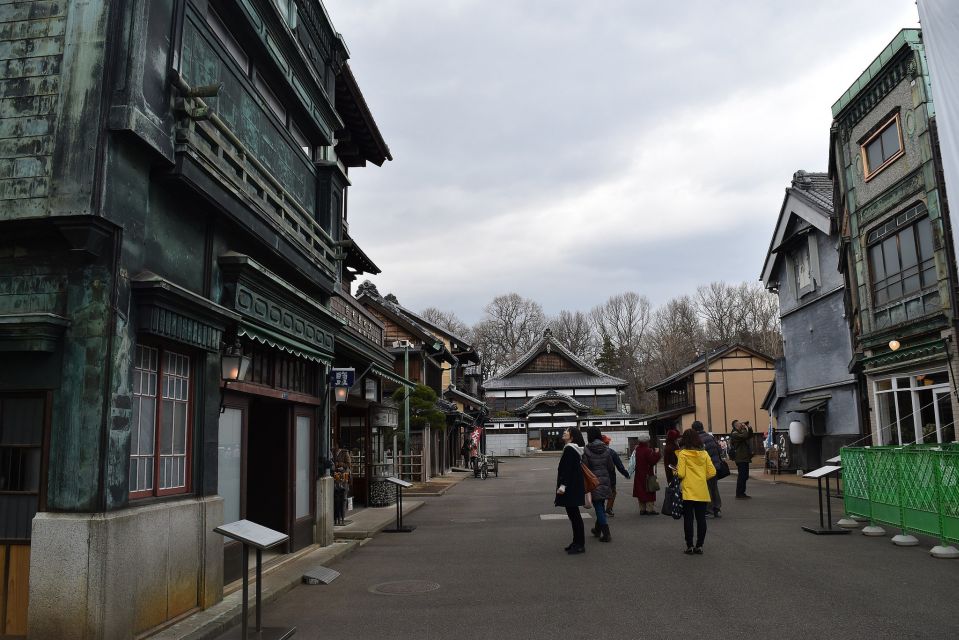
After the residence highlights, the tour shifts into mood. You walk through Shitamachi, the East Tokyo area known for old-town character. This is the part Studio Ghibli fans tend to love, not because you’re visiting a theme park, but because the street and building forms create that same gentle, slightly nostalgic feeling.
You’ll move through an environment where buildings look like they belong to different eras without feeling like a chaotic museum layout. The museum’s design supports that effect. Instead of being told what to see, you get to notice it yourself: narrow streets, historic-looking facades, and the kind of everyday scale that makes the whole thing feel human.
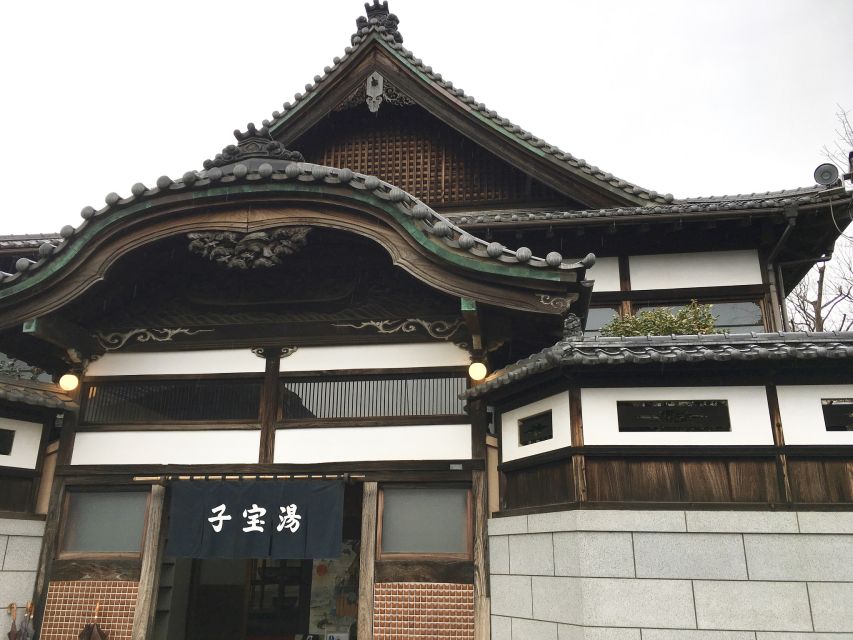
Two standouts here are a traditional bathhouse and an old train that used to run through Tokyo. These aren’t just props. They help you understand how public life worked—how people moved, where they gathered, and how ordinary routines were part of the city’s architecture.
I’d set expectations that this segment is more “walk and feel” than “measure and analyze.” If you want your day to be a mix of architecture and atmosphere, this is exactly the right balance.
You can also read our reviews of more museum experiences in Tokyo




Price and logistics: is $193 good value?
At $193 per person for a 5-hour private tour, the best way to judge value is what you get bundled in. Admission is included, and you get an English-speaking licensed guide plus pickup from JR Shinjuku Station or JR Tokyo Station.
The part you should plan for is transit to the museum area: the transportation fee is roughly 700 JPY one way, and the tour uses trains and buses to reach Tatemono-en. That’s normal for Tokyo, but it’s still money and time—so factor it into your budget and schedule.
Where this price starts to look smart is when you compare it to doing this solo. Tatemono-en is a fun museum, but it becomes much more rewarding with someone who can connect buildings to movements like Western influence, Art Deco, and De Stijl—and to architectural figures like Maekawa and Horiguchi. The private format also saves energy. You’re not trying to herd your attention between buildings while also decoding transit and museum flow.
One more practical note: since many preserved historic buildings require shoe removal, your footwear choice affects how smooth your day feels. Comfortable shoes you can slip on and off quickly will keep the tour from feeling like a chore.
Your guide matters: how Yuichi and Yuki shape the experience
This kind of tour lives or dies by communication. The guide’s English quality and the ability to connect architecture to human stories is what turns a collection of buildings into a Tokyo narrative.
In the experience setup you’re considering, guides such as Yuichi and Yuki are highlighted for being knowledgeable, kind, and attentive to what you want to focus on. One traveler specifically noted that the guide helped tailor the route and explanations to interests like tea rooms and gardens, which is a big deal in a museum where you could easily miss the connections you care about most.
There’s also a very human side that stood out: one guide helped someone who wasn’t feeling well with getting to a hospital. Even though that’s not something you should plan on, it’s a sign that the guide approach is responsible and caring, not just scripted.
What you should do to get the most out of your 5 hours: decide your top two themes before you meet. If you’re a design person, say you want the Western influence thread (Maekawa, Horiguchi, De Stijl). If you’re a culture person, say you want Shitamachi life details (bathhouse, old train feel, daily routines). A good guide can then steer the conversation toward what makes the museum click for you.
Who this tour suits best
This tour is a great match if you want Tokyo context without spending the whole day chasing neighborhoods. It’s also ideal for people who like architecture but don’t want a textbook lecture. You’ll get names and historical links, then you’ll see the buildings in a way that makes the ideas feel real.
If you’re traveling with animation fans, you’ll probably enjoy the Shitamachi walk and the overall atmosphere. If you’re traveling with modern design fans, you’ll like the Maekawa and Horiguchi contrast—European influence showing up inside Japanese residential spaces.
If you’re short on time, keep the 5-hour duration in mind. It’s enough to see key highlights, but it’s not long enough to wander slowly through every building at maximum depth. If you’re someone who wants to take a lot of photos and linger in rooms for long stretches, consider that the guide will keep you moving.
Should you book this Private Edo-Tokyo Architectural Museum Tour?
Book it if you want a high-signal tour that turns Tatemono-en into a story. The strongest reason is the guide-driven connection between Maekawa’s European-linked modernism, Horiguchi’s Dutch influence, and the old Tokyo street atmosphere of Shitamachi.
Skip it or think twice if you dislike shoe-off situations inside historic buildings or if you’re trying to avoid any extra transit costs beyond the tour price. Also skip the idea that this is a Ghibli Museum replacement—this tour captures the vibe, but it doesn’t include the Ghibli Museum itself.
If your priority is learning, not just sightseeing, this is the kind of private experience that makes sense. With pickup from major stations, included admission, and English guidance, it’s an efficient way to understand Tokyo through architecture—without wrestling transit and signage on your own.
FAQ
FAQ
Where does pickup happen?
Pickup is available at either JR Shinjuku Station or JR Tokyo Station.
What is the meeting point at Tokyo Station?
Meet at Tokyo Station Marunouchi Front Plaza. After exiting the JR Tokyo Station Marunouchi Central Gates, head to the center of the station building where the guide will be waiting by the VIP-style carriage porch, holding a bag with an illustration of the Nakagin Capsule Tower.
How long is the tour?
The tour lasts 5 hours.
What does the tour price include?
The price includes pickup, admission to the museum, and an English-speaking licensed guide.
What is not included in the tour price?
Your transportation fee to and from Tatemono-en is not included, and it is listed as approximately 700 JPY one way.
Does this tour include the Ghibli Museum?
No. This is an Edo-Tokyo Open Air Architectural Museum tour and it does not go to the Ghibli Museum.
Do I need to remove my shoes?
Many of the historic buildings require guests to remove their shoes before entering. Wear comfortable shoes that are easy to slip on and off.
What language is the guide?
The guide provides live English commentary.
Is free cancellation available?
Yes, free cancellation is available up to 24 hours in advance for a full refund.