REVIEW · TOKYO
Mount Fuji: Full-Day Tour with Private Van
Book on GetYourGuide →Operated by JCK co Ltd · Bookable on GetYourGuide
Mount Fuji in one day takes planning. This tour turns that into a smooth, private road trip with timed stops that help you see the highlights without stress. I like the convenience of pickup in Tokyo’s 23 wards and a comfortable transfer out of the city, and I like the focus on big photo moments, from the Fuji Visitor Center to the Hakone viewpoints. One thing to consider: the driver can speak basic English but can’t run the tour in English, so you’ll want Chinese support or prepared self-guiding on key stops.
You’ll also spend the day in “great-but-long” rhythm: scenic riding, quick photo windows, then a full afternoon around Hakone. The upside is you get Mount Fuji plus Hakone in one shot. The downside is that it’s a 10-hour day, so you’ll want to be ready for a lot of sitting, plus extra costs on your side for lunch and any entrance fees.
In This Review
- Key things that make this tour worth your attention
- A private van that makes Mount Fuji planning feel easy
- Tokyo to Fuji Visitor Center: the stop that sets the tone
- Oshinohakkai’s eight ponds: why this stop is more than a detour
- Gotenba lunch break: control the cost, keep the day moving
- Hakone in one afternoon: Ashinoko Lake to Owakudani
- Hakone Ashinoko Lake
- Owakudani volcano valley
- Price and value: when private makes sense in Japan
- Driver skills, language limits, and the weather reality
- Who this Mount Fuji and Hakone private van day trip is best for
- Should you book this tour?
- FAQ
- What’s the duration of the tour?
- Where are pickups offered?
- What’s included in the price?
- Is lunch included?
- Are entrance fees included?
- Can the tour be canceled for a full refund?
Key things that make this tour worth your attention
- Private van comfort for up to 9 people: it’s efficient for small groups who don’t want to juggle train transfers
- Photo-first timing at the Fuji Visitor Center: you get a dedicated moment to stop and capture Mount Fuji’s look
- Oshinohakkai’s eight ponds (a Fuji classic): a calm, scenic contrast to the mountain views
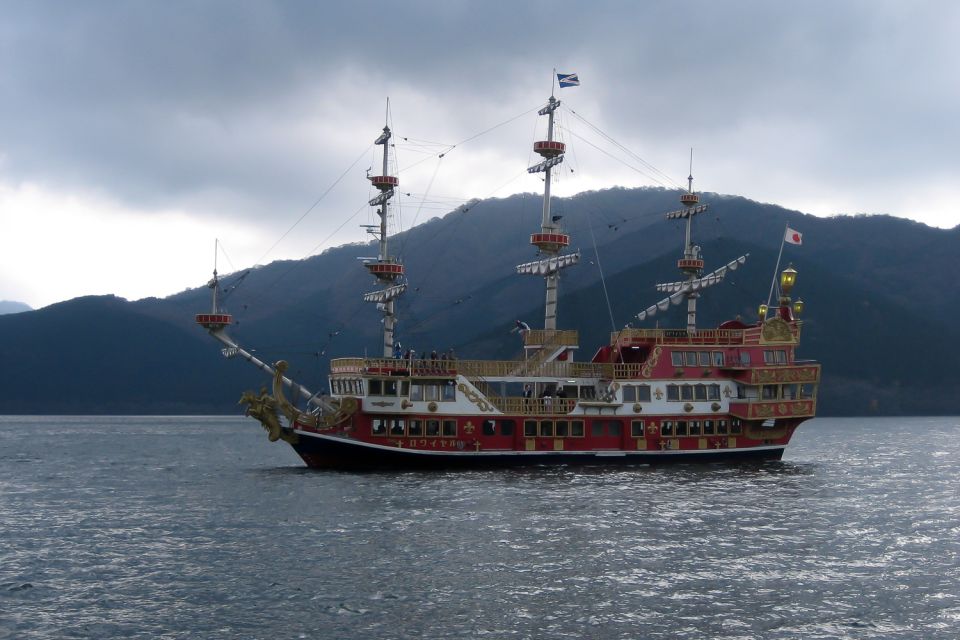
- Hakone Ashioko Lake + Owakudani volcano valley: two distinct atmospheres in the same afternoon
- Driver knows where to go when weather shifts: at least one booking noted they adjusted routes to keep the day working
- A lunch break that can be handled with help: there’s a stop at Gotenba, and the guide may accommodate if you ask
A private van that makes Mount Fuji planning feel easy
If you’ve tried to plan Mount Fuji from Tokyo, you already know the real challenge isn’t the geography. It’s the logistics: trains, timetables, transfer anxiety, and figuring out where you’ll actually get a view. This day trip solves the hardest part with a private van and driver, which means you’re not sprinting between stations or losing time to wrong platforms.
You’ll start with pickup from your accommodation in Tokyo’s 23 wards, then head out early enough to make the trip feel purposeful. The schedule is built around driving time and “hit the key spots” stops, which is exactly what you want if your goal is to see Mount Fuji and still have time for Hakone.
You can also read our reviews of more private tours in Tokyo

Tokyo to Fuji Visitor Center: the stop that sets the tone
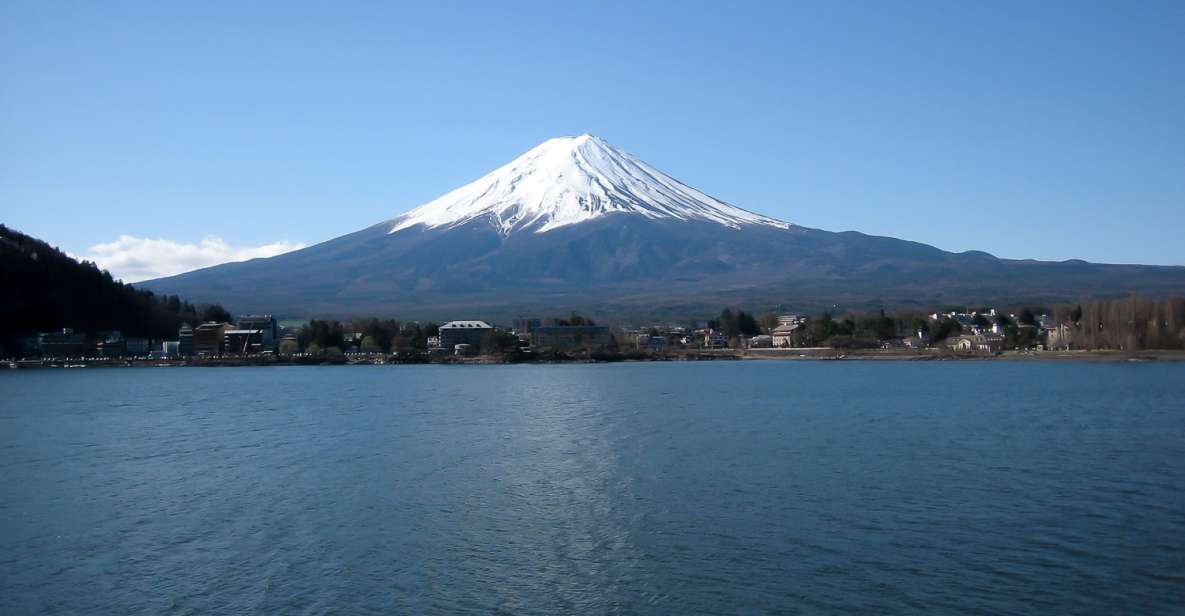
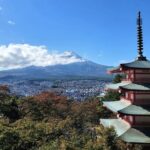
After pickup, you travel about 1.5 hours to the Fuji Visitor Center. That’s a smart move because it gives you a first, ready-made chance to see the mountain without waiting until you’re already tired and hungry.
This is where the day starts to feel real. You’ll have time to take photos and simply look. If Mount Fuji is showing well that day, this early stop is often when the views feel most dramatic. If it’s cloudy, you at least get a set location and a chance to wait it out briefly rather than relying on random roadside pull-offs.
Practical tip: plan to bring layers. Even if Tokyo feels mild, Fuji-area weather can shift quickly. Also, keep your camera gear within easy reach. The best views often come with short windows.
Oshinohakkai’s eight ponds: why this stop is more than a detour
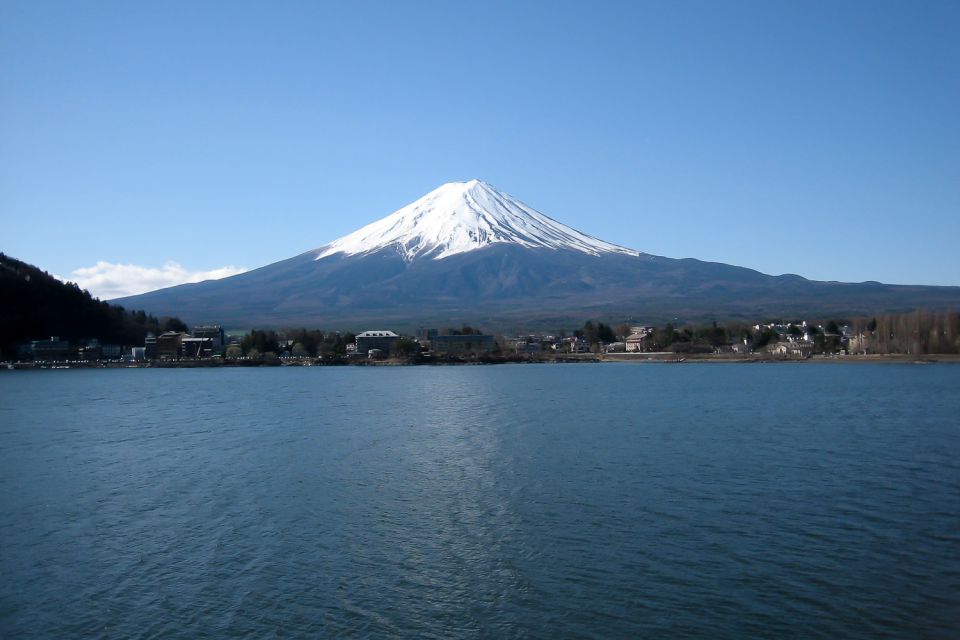
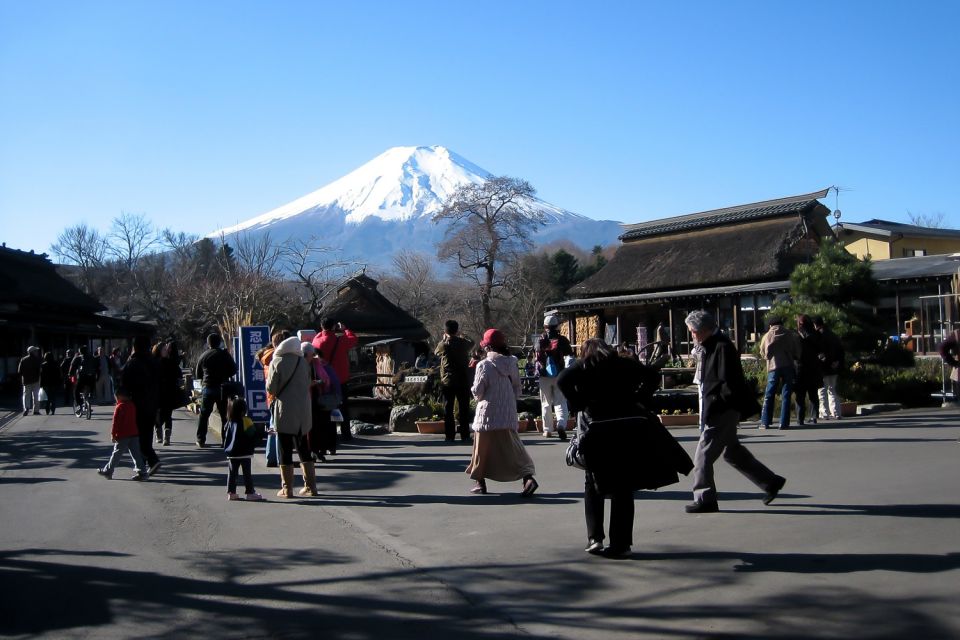
Next up is Oshinohakkai, famous for its eight ponds near Mount Fuji. This stop is valuable for one simple reason: it adds variety. Instead of only chasing the mountain silhouette, you get a landscape of water, reflection, and a calmer pace.
You’ll stop long enough to enjoy the area and take in the atmosphere. The ponds are the kind of place that rewards slow attention. Even if you don’t know the history details, you’ll get the visual idea quickly: clean water channels, still surfaces, and that “Fuji region” mood that feels different from Tokyo’s streets.
Tradeoff: it’s not a place where you can wander for hours. Think of it as a scenic anchor point—important enough to remember, but not the kind of stop that drags the schedule.
Gotenba lunch break: control the cost, keep the day moving
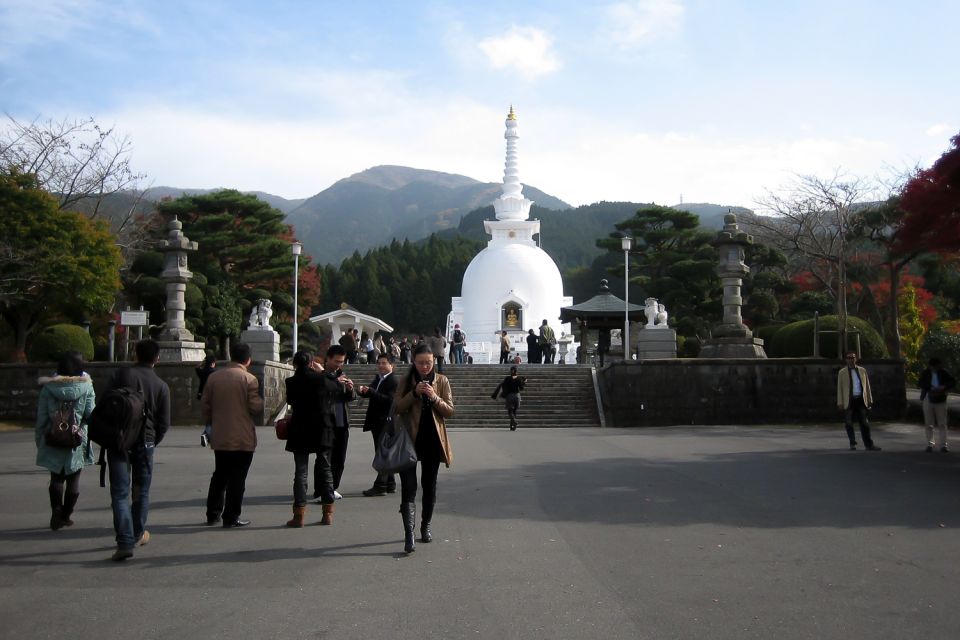
Lunch isn’t included, but you do get a lunch break in Gotenba. For a day trip, that’s a practical addition. It prevents the classic problem where you eat too late, get cranky, and then rush through the afternoon.
Here’s how to handle lunch well:
- Decide your budget before you get hungry.
- If you’re traveling with Chinese or English language support, you can ask for recommendations (one booking specifically mentioned the guide bringing them to a restaurant after a request).
- Remember that entrance fees may also be extra, so keep a little cash or card buffer.
If you’re someone who hates guessing menu items, pick a spot with pictures or simple set meals. And don’t wait until the last second. Your afternoon Hakone stops are spaced so you don’t want to run behind.
Hakone in one afternoon: Ashinoko Lake to Owakudani
In the afternoon, you head into the Hakone area, known for nature and hot springs. Even though this day’s stops focus on viewpoints rather than soaking, you still get a strong sense of Hakone’s character: the air feels different, and the scenery shifts from “Fuji postcard” to “volcanic valley drama.”
You can also read our reviews of more tours and experiences in Tokyo


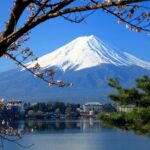
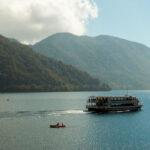
Hakone Ashinoko Lake
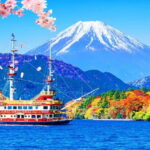
You’ll stop by Hakone Ashinoko Lake, a calmer, scenic break after earlier sights. It’s a good counterweight to Oshinohakkai because it gives you open space and wide-looking views. Even when the weather isn’t perfect, lake settings tend to soften the day and make the driving feel worth it.
Owakudani volcano valley
Then comes Owakudani, the volcano valley. This is the stop that feels most like a “big moment” on the itinerary. Volcanic terrain has a presence—stark shapes, sulfurous air, and that unique sense you’re standing in a place shaped by Earth’s force.
What to expect here is not shopping and not long museum time. It’s a viewpoint-heavy stop where you’ll want to:
- wear comfortable shoes for paths near the viewpoints
- keep an eye on weather changes (wind and mist can affect visibility)
- move efficiently during photo moments so you don’t eat into your return drive
Price and value: when private makes sense in Japan
The price is $740 per group, up to 9 people. That number looks high if you’re thinking solo. It makes more sense when you think like a group.
Here’s the value math that usually matters on Japan day trips:
- You’re paying for private transport and a driver, not just a seat.
- You avoid the time cost of transfers and the mental cost of route changes.
- You get a day planned around multiple sightseeing zones that would be harder to string together smoothly on public transit.
So who gets the best value?
- Families traveling together
- Small groups who can split the cost
- Anyone who’s short on time in Tokyo and wants both Mount Fuji + Hakone in one day
Who gets less value?
- Solo travelers (or couples) if you’d rather use public transportation and build your own pacing
Also remember what’s not included: lunch and entrance fees. Those extras can shift your final spend, but the bigger win is that you’re buying time, comfort, and a planned route.
Driver skills, language limits, and the weather reality
One important note that shapes the whole experience: the driver can speak basic English, but they cannot conduct the tour in English. You can have the tour in Chinese, which is helpful if you’re comfortable with that language path.
What this means for you in practice:
- You’ll likely rely on the driver for navigation and timing, not detailed narration.
- For English-only travelers, you may want to do a little pre-reading on each stop so the moments feel meaningful even without a full guided script.
- If you’re traveling with someone who can translate or lead the discussion, you’ll get more out of the day.
Weather matters too. Mount Fuji is famous for playing hide-and-seek with clouds. The good news from real-world feedback is that the driver can help when conditions are bad by choosing where to go. You won’t control the sky, but you can control your ability to adapt—and this tour is set up for that.
Who this Mount Fuji and Hakone private van day trip is best for
This is a strong fit if you want a day that feels efficient, scenic, and not too complicated. It’s especially good for you if:
- you want a private-group day trip without train changes
- you’re traveling with kids or anyone who prefers car comfort over transit hopping
- you care about seeing both Mount Fuji and Hakone without spending multiple days planning
- you value photo stops at established locations rather than random roadside searches
It might feel less ideal if:
- you want deep guided commentary in English
- you dislike long driving days
- you’re trying to keep every yen/dollar tight and prefer public transportation
Should you book this tour?
Book it if your priority is a smooth, private day that hits the core sights: Fuji Visitor Center, Oshinohakkai, and then Hakone’s Ashinoko Lake and Owakudani. The private van angle is the real selling point, and the $740 group price becomes a lot easier to justify when you split it.
Think twice if you’re English-only and want an English-led “story” at every stop, because the driver’s English is basic. Also remember lunch and entrance fees are on you, so budget a bit beyond the headline price.
If you want a simple equation: this is the kind of tour that works best when you want to spend the day looking at Japan, not figuring out how to get between stops.
FAQ
What’s the duration of the tour?
The tour runs for 10 hours, with starting times depending on availability.
Where are pickups offered?
Pickup is included from accommodations located in Tokyo’s 23 wards.
What’s included in the price?
The price includes transportation with a driver.
Is lunch included?
No. Lunch is not included.
Are entrance fees included?
No. Entrance fees are not included.
Can the tour be canceled for a full refund?
Yes. You can cancel up to 24 hours in advance for a full refund.