Tokyo feels endless until someone maps it for you. This full-day small-group tour strings together 15 stops across Tokyo, mixing big-name landmarks with lesser-known local corners. You move mostly on foot and by metro, and you get on-the-spot explanations about Japanese society and culture.
Two things I like right away are the pacing and attention. With a max of 5 travelers, the guide can keep the group together and tailor the day as it goes, and I’ve seen repeat praise for guides like Yasuko and Michiko for making the stories click. I also like the food moments: time for sushi around Tsukiji and an izakaya stop with drinks and appetizers to close the day on a real Tokyo note.
One thing to think through is that it’s a long, active 10-hour day. Food and transportation are not included, and the tour starts on time, so you’ll want to show up ready to walk and ride metro with an IC card.
In This Review
- Key things you’ll notice on this Tokyo full course tour
- From Yoyogi Station to Meiji Jingu, Tokyo starts calm
- Harajuku to Shibuya: fashion streets, then pop-culture gravity
- Tsukiji Hongwanji Temple and the market rhythm that locals actually use
- Imperial Palace exteriors and Marunouchi: the business-side postcard
- Akihabara plus Ueno Park: tech street and park breaks in the same day
- Ameyoko shopping street to Asakusa Sensoji: the old Tokyo feel lands hard
- Asakusa Shrine, then an izakaya finish that feels like a real night
- Why the guide changes everything in a city this big
- Price and what you still need to pay: value math you can actually use
- Pacing, walking level, and the most important rules to avoid stress
- Who should book this Tokyo full course tour
- FAQ
- How long is the Tokyo full course tour?
- What is the price per person?
- How many people are in the group?
- What’s included in the tour price?
- What is not included?
- Do I need an IC card like SUICA or PASMO?
- Where do I meet the tour, and where does it end?
- Is the tour physically demanding?
- What happens if weather is bad?
- Should you book this Tokyo full course tour?
Key things you’ll notice on this Tokyo full course tour
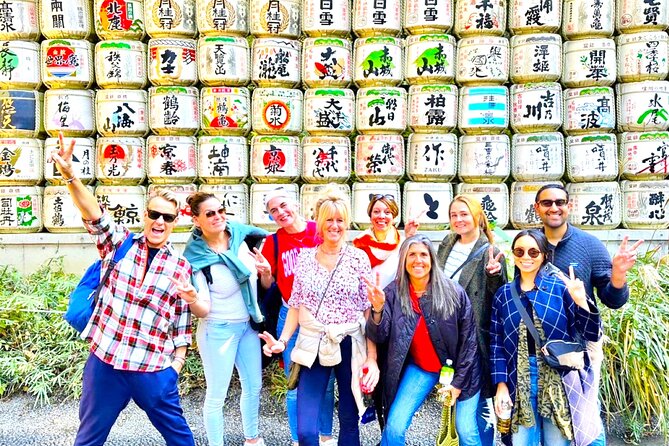
- A true small group (max 5) that keeps the day from feeling like a bus tour
- 15 classic Tokyo stops in one sweep from Meiji Jingu to Asakusa
- Foot + metro mix so you see neighborhoods without wasting time in lines
- Food built into the route with sushi time around Tsukiji and an izakaya finish
- Many stops listed as free admission so you can spend your money on transport and meals
- Bring a transit IC card (SUICA/PASMO) and cash for what isn’t included
From Yoyogi Station to Meiji Jingu, Tokyo starts calm
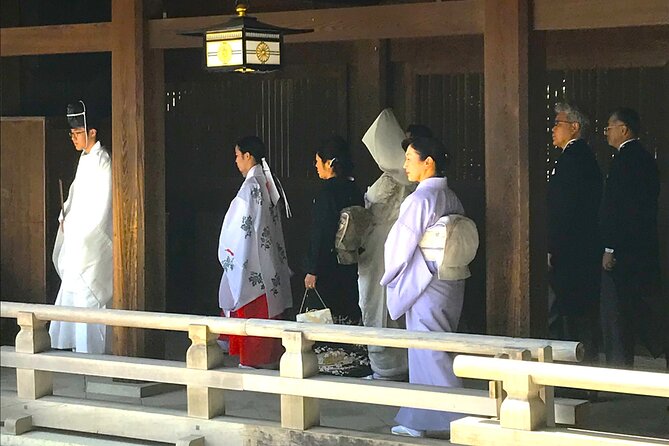
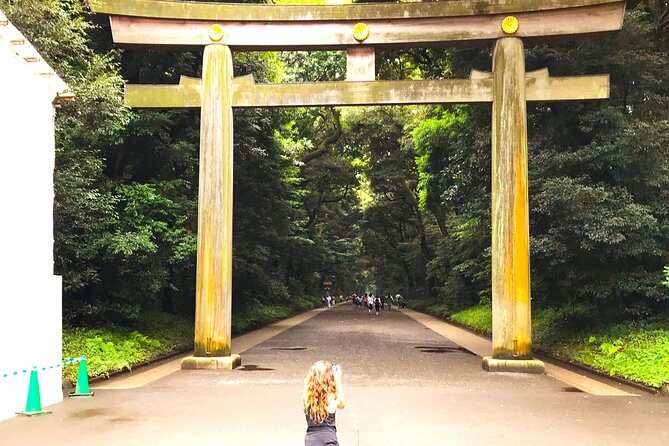
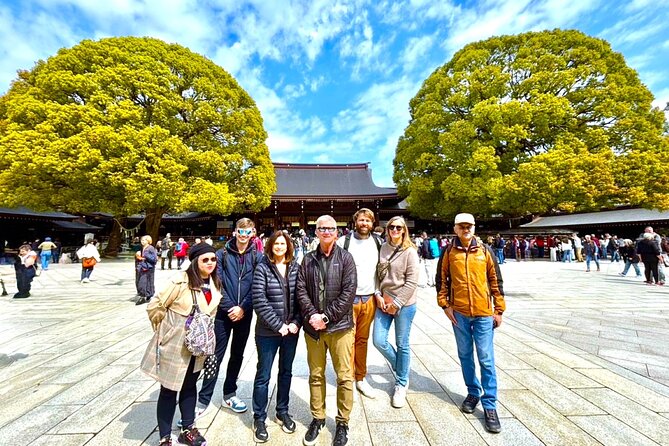
The day begins near Yoyogi Station and quickly shifts you into a different Tokyo mood. You’ll start at Meiji Jingu Shrine, with about 30 minutes to take in the grounds at a slow enough pace to actually notice details. Admission is listed as free, which makes it a low-stress start before you hit more crowded areas later.
This is a smart opener. Tokyo can feel fast and loud, so beginning with a shrine space gives your brain a breather. It also sets you up to understand why later places like Asakusa and other temple areas matter, beyond just being photo stops.
Practical thought: Meiji Jingu is still outdoors and you’ll be walking, so comfortable shoes matter more than fashion. And since the tour starts right on time, don’t cut it close getting to the meeting point.
You can also read our reviews of more tours and experiences in Tokyo.



Harajuku to Shibuya: fashion streets, then pop-culture gravity
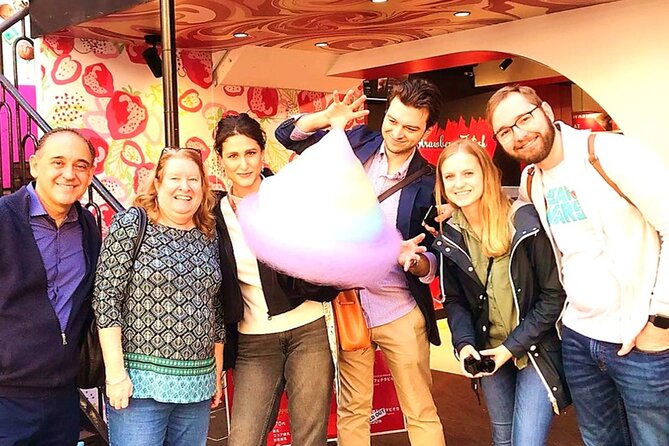
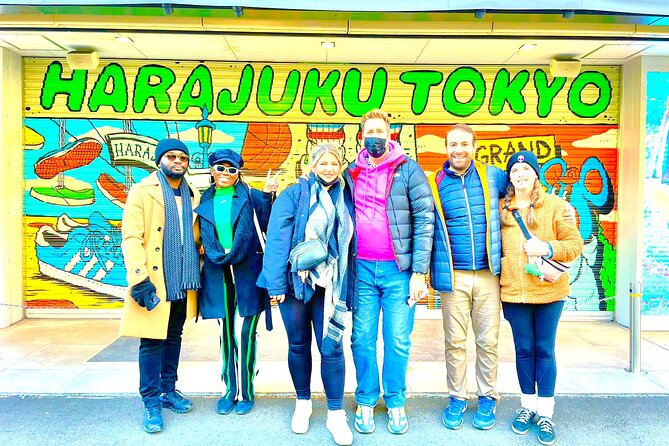
After the quiet of Meiji Jingu, you jump to Harajuku for around 30 minutes. This stretch is where Tokyo’s style culture shows up in the open, and it’s a fun place to watch the city’s youth energy without trying to understand every label. Admission is listed as free, so you’re paying for the guide and the flow of the day, not tickets.
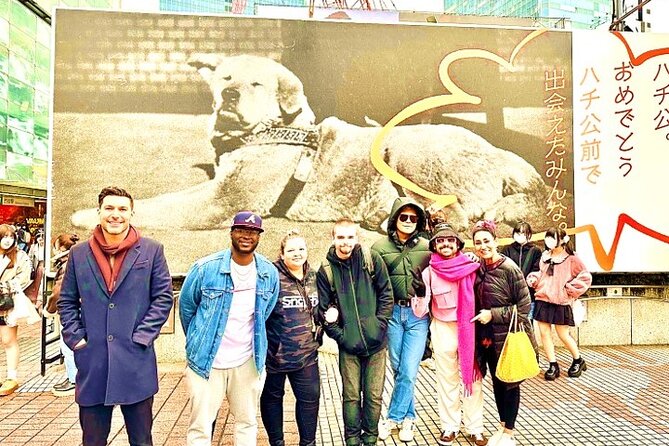
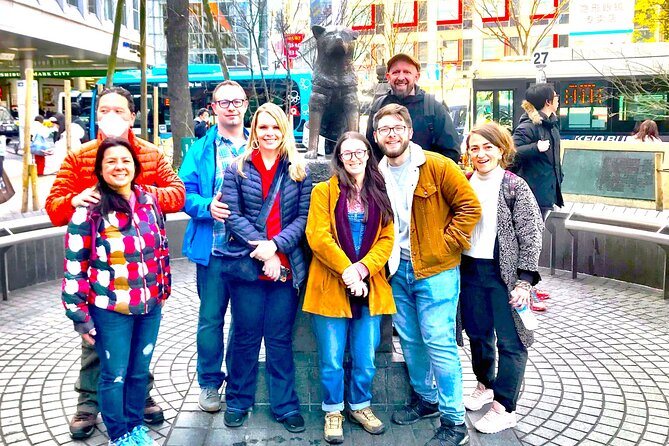
Then comes Shibuya, with two stops that are basically Tokyo in miniature: Hachiko and Shibuya Crossing. You’ll spend about 10 minutes at Hachiko and about 10 minutes at the scramble crossing, also free.
Here’s why this part works. Those Shibuya icons are famous for a reason, but without context you can miss the point. A guide can help you notice how the place functions as a meeting point, how people move through the crossing like clockwork, and what the broader Shibuya area represents in modern Tokyo.
The drawback is simple: Shibuya can be crowded. Ten minutes goes quickly, so you’ll want to use that time for the must-do view first, and then follow the guide’s direction for the best angles and less chaotic paths.
Tsukiji Hongwanji Temple and the market rhythm that locals actually use
Next you head to Tsukiji Hongwanji Temple, with about 30 minutes and free admission. Even if you’re not a temple person, this stop helps explain Tokyo’s mix of old and new. It’s also a useful reset after Shibuya.
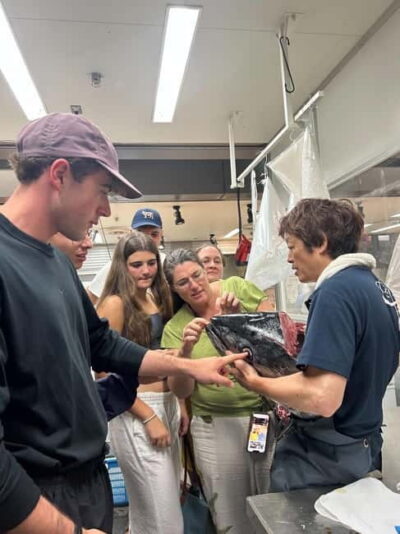
Then it’s on to the Tsukiji Fish Market area for about 1 hour 30 minutes. Admission is listed as free, and the day includes a sushi lunch component, described as eating sushi at a nice sushi restaurant. Food isn’t listed as included in the price, so budget for lunch when you plan your day.
What you’ll feel here is the market pace. This isn’t about museum quiet; it’s about activity, signage, vendors, and the sense that people come here because it matters. A guide helps you make sense of what you’re seeing, so it doesn’t turn into just wandering and guessing.
One consideration: markets move fast, and Tokyo crowds can be thick. If you get overwhelmed easily, rely on your guide to keep you moving and focused. And keep your expectations practical: this is a market visit plus a meal moment, not a slow sit-down food tour.
Imperial Palace exteriors and Marunouchi: the business-side postcard
From Tsukiji, the route shifts toward the city center for Imperial Palace exteriors (about 15 minutes) and then Marunouchi (about 15 minutes). These are also free stops. You’re not going inside here, so this is more about the surrounding views and the symbolism of Tokyo’s power center than it is about deep-ticket sightseeing.
Then there’s a short stop around Tokyo Station Marunouchi Ekimae Hiroba. Tokyo Station is a huge landmark, and the plaza area is a great place to orient yourself. The time here is about 15 minutes, and it’s noted as admission not included, which fits the idea that you’ll be viewing the area rather than buying a ticket to an attraction.
This portion is valuable because it shows another Tokyo face: order, structure, and big-city scale. It’s also a good energy-management move. Short stops here let you recharge before you switch gears into entertainment and neighborhoods again.
Akihabara plus Ueno Park: tech street and park breaks in the same day
Now you pivot to Akihabara for about 30 minutes. This is where Tokyo’s pop-tech and anime culture lives in the streets. It can be visually intense, but that’s the point. With a guide, you can focus on what you’re actually trying to understand, rather than just being overwhelmed by storefronts.
Then you move to Ueno Park for about 30 minutes. Admission is listed as free. Ueno gives you a breather from the shopping-energy of Akihabara. It’s also a classic Tokyo area that helps you see how green space fits into the city’s rhythm.
One practical detail that matters here is timing. The tour is long, and you’re juggling different neighborhood vibes back-to-back. If you like Tokyo that alternates energy levels, you’ll enjoy the shift from Akihabara’s intensity to Ueno’s more open pacing.




Ameyoko shopping street to Asakusa Sensoji: the old Tokyo feel lands hard
After Ueno, you’ll spend about 15 minutes at Ameyoko Shopping Street. Admission is free. This is a place where shopping and street atmosphere overlap, and it’s a good spot for quick browsing, snacks, or just absorbing the neighborhood look.
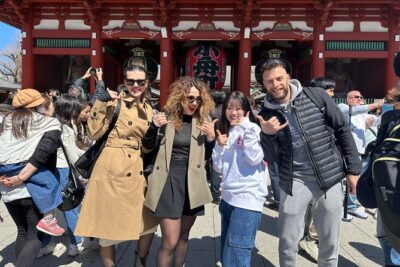
Then you head to Asakusa for two major religious landmarks. First is Asakusa Higashi Hongan-ji Temple, about 30 minutes and free admission. Next comes Sensoji Temple, also known for its role in Asakusa’s tourism core, with about 30 minutes on the schedule and free admission.
What I like about this segment is contrast. You go from market-style street life to sacred spaces that feel rooted in Tokyo’s older identity. Even if your Japanese is basic, the guide’s explanations about culture and society help you connect what you’re seeing to why it exists.
The only drawback is crowd flow. Asakusa areas are popular, and 30 minutes can vanish quickly once you get pulled into all the sight lines. Use the time for one or two focused photo views, then let the guide steer you toward what to notice.
Asakusa Shrine, then an izakaya finish that feels like a real night
After Sensoji, the tour includes Asakusa Shrine for about 10 minutes, also free. This is a shorter stop, which is a good match for how your legs will feel by then. It adds another layer to the Asakusa religious experience without turning the day into an all-temple marathon.
The day ends with food and drink energy. The tour overview calls for sampling sushi and enjoying a tipple at an izakaya bar, and guests also describe ending with drinks and appetizers. Since food and beverage are not included, treat this as your chance to budget for an enjoyable final meal moment and not just a snack.
When the day works, this is where it really clicks. The earlier stops teach you a city theme, and the izakaya gives you the lived-in Tokyo feeling to match it.
Why the guide changes everything in a city this big
You can do Tokyo highlights on your own, sure. But the big value here is how the guide connects the dots. The tour is built around walking and metro travel with explanations about Japanese history, society, and culture tied to each stop.
I’ve seen repeated praise for guides named Yasuko and Michiko, with comments highlighting how much they explained and how friendly they were. That matters because Tokyo can feel like random landmarks unless someone helps you understand the logic behind the placement and the traditions. You also get practical support in staying on track, which is a bigger deal than people think when you’re moving with a small group.
One fun example from guest feedback: Takashi was able to change the plan for someone to include a zoo detour to see pandas. That doesn’t mean it’s guaranteed, but it does suggest the guides can respond to interests when they can. If you have a specific must-see beyond the route, it’s worth asking your guide if there’s any flexibility that day.
Also, since the group max is 5, the guide can adjust pacing when you need a moment. If you prefer not to rush, or you want extra explanation at one of the stops, this kind of group size gives you a better shot at getting what you came for.
Price and what you still need to pay: value math you can actually use
The price is $104.34 per person for about 10 hours, and the included items are the tour fee and consumption tax. That’s the part you’re locking in.
What you should plan for separately:
- Transportation expenses (metro and local transit)
- Food and beverage expenses
Here’s how this can still be good value. Many of the sights on the route list free admission, which lowers the usual tourist tax. You’re mainly paying for expert guidance, a tight route, and time-saving between neighborhoods. On a long Tokyo day, those benefits are real.
But you do need to budget for getting around. The tour strongly recommends preparing an IC card like SUICA or PASMO, and having cash ready. Since food isn’t included, the sushi lunch time and the izakaya drinks are places where your final spending comes from.
My practical advice: treat the tour price as the “route and guide” cost. Then add a reasonable daily budget for transit plus one meal and drinks.
Pacing, walking level, and the most important rules to avoid stress
This tour lists a moderate physical fitness level requirement. That doesn’t mean it’s a marathon, but it does mean you should expect sustained walking and neighborhood-to-neighborhood movement for roughly 10 hours.
Two rules matter because they affect whether you enjoy the day or feel panicked:
- The tour starts on time, and late arrivals won’t be allowed to join.
- You’re required to follow the host, and if you break away, they can’t look for you.
So, if you want to stop for a quick photo, do it within the group flow. Don’t wander off with the confidence of someone on vacation, because Tokyo is big and your time window is tight.
If you’re traveling with anyone under 18, you need a guardian. If you’re traveling with a child under 13, you’ll need to request a private tour.
Who should book this Tokyo full course tour
This is a great fit if you want:
- A first or second day in Tokyo where you need big landmarks plus local flavor
- A structured route that keeps you from getting lost in “which train do I take” stress
- A day plan that mixes shrine spaces, modern neighborhoods, markets, and a proper food finish
It may not be ideal if:
- You want a slow, single-neighborhood experience
- You hate crowds at Shibuya Crossing or popular Asakusa areas
- You don’t want to pay separately for metro and meals
Also, because the maximum group size is 5, it tends to be a good option if you like the personal attention style more than the megaphone-tour style.
FAQ
How long is the Tokyo full course tour?
It’s listed at about 10 hours.
What is the price per person?
The price is $104.34 per person.
How many people are in the group?
The tour has a maximum of 5 travelers.
What’s included in the tour price?
The included items are the tour fee and consumption tax.
What is not included?
Transportation expenses and food and beverage expenses are not included.
Do I need an IC card like SUICA or PASMO?
The tour recommends preparing an IC card such as SUICA or PASMO in advance.
Where do I meet the tour, and where does it end?
You meet near Yoyogi Station (Yoyogi, Shibuya). The tour ends near Asakusa Station.
Is the tour physically demanding?
It’s intended for travelers with a moderate physical fitness level.
What happens if weather is bad?
The experience requires good weather. If it’s canceled due to poor weather, you’ll be offered a different date or a full refund.
Should you book this Tokyo full course tour?
If you want a single day that covers Tokyo essentials without turning into a chaotic self-guided scramble, I’d book it. The small group size, the mix of neighborhoods, and the guide-led context for history and culture give you more than just photos. Just make sure you’re ready for a long walking day, and budget for metro and meals since those are on you.