REVIEW · TOKYO
Kamakura Historical and Cultural Day Trip with Local Cuisine
Book on Viator →Operated by アウテック · Bookable on Viator
Kamakura is Tokyo’s easy escape. This private day trip gives you a simple plan for temple-and-shrine sightseeing without wrestling train transfers. You get an air-conditioned ride, a clear route, and built-in stops at major sights like Hokoku-ji, Hasedera, and the Great Buddha at Kotoku-in.
I really like two parts of this setup. First, the Tokyo pickup plus comfortable transport saves you time and stress, especially with an early start. Second, you’ll get bottled water and snacks during the day, which keeps the energy up between sights.
One consideration: several key stops have admission fees that are not included, so budget a bit extra for tickets at Hokoku-ji, Hasedera, and Kotoku-in.
In This Review
- Key things that make this day trip work
- Why Kamakura feels like the right day trip from Tokyo
- Pickup and AC comfort: the real value, not a small perk
- The private guide factor: how you’ll actually enjoy the temples
- Stop 1: Hokoku-ji Zen temple and its bamboo “wow” moment
- Stop 2: Tsurugaoka Hachimangu Shrine and the Minamoto connection
- Stop 3: Hasedera’s sea-facing views and seasonal flowers
- Stop 4: Kotoku-in and the Great Buddha’s scale in 30 minutes
- Timing that makes a difference: early pickup and a focused route
- Food and breaks: snacks that keep you steady
- Value and price: what $767.36 means for your group
- Who this tour suits best (and who should consider alternatives)
- Practical tips for your Kamakura day
- Should you book this Kamakura private day trip?
- FAQ
- What time does the pickup start in Tokyo?
- How long is the Kamakura day trip?
- How much does the tour cost and how many people are included?
- Is the tour private?
- Is a mobile ticket provided?
- Are admission tickets included for the temples and shrines?
- What’s the cancellation policy if plans change?
Key things that make this day trip work
- Private group up to 9: less waiting around, more control over pace and photos
- Tokyo pickup in an AC vehicle: no timetable hunting, and you start fresh
- Hokoku-ji’s bamboo: a Zen temple scene with about 2,000 bamboo stalks
- Tsurugaoka Hachimangu Shrine: a major shrine tied to Ojin and the Minamoto shoguns
- Hasedera’s sea-facing viewpoint: a famous flower season stop plus a major carved-wood statue
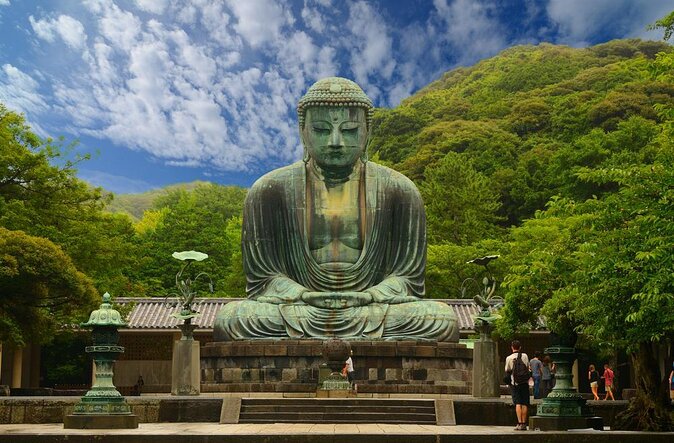
- Kotoku-in’s 1252 Great Buddha: one famous bronze statue, lots of awe in a short visit
Why Kamakura feels like the right day trip from Tokyo
Kamakura works because it’s not about fitting in 40 things. It’s about a compact slice of Japan’s religious culture—Zen, Shinto, and Buddhist art—layered into one walkable historic town. If you want the highlights, you can do that fast without feeling like you’re on a factory conveyor belt.
This tour is also a good match for first-time visitors because the route hits the main anchors. You’ll see a Zen temple, a major shrine, a sea-facing temple, and then one of Japan’s most iconic Buddha images. That sequencing matters, because the mood shifts as you go: bamboo calm, shrine gravitas, ocean-side atmosphere, and then big bronze scale at Kotoku-in.
You can also read our reviews of more historical tours in Tokyo


Pickup and AC comfort: the real value, not a small perk
The biggest practical win here is that you’re picked up in Tokyo and transported with air-conditioned comfort. Kamakura is close enough that many people assume it’s easy on public transit, but “easy” can still mean transfers, crowded platforms, and timing pressure when you’re trying to hit multiple sights.
With a private setup, you’re also more likely to manage photo stops, short walks, and slow-down moments without holding up other people. And because the day runs about 6 to 8 hours, you avoid the common problem of “too much time” where your legs go numb and your brain goes offline.
The private guide factor: how you’ll actually enjoy the temples
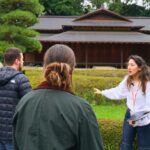
I like tours where the guide helps you see what you’d miss on your own. This experience is private, and the guides (like Seiko-san and Riley, plus Yosuke from the operator side) are described as thoughtful and friendly, with solid English. That matters in places where you’re looking at objects, gardens, and shrine details that don’t come with English labels.
A good guide also helps you time your visits. Even in a short stop window, you’ll spend more minutes understanding what you’re seeing, instead of spending those minutes trying to figure out where to go next.
Stop 1: Hokoku-ji Zen temple and its bamboo “wow” moment
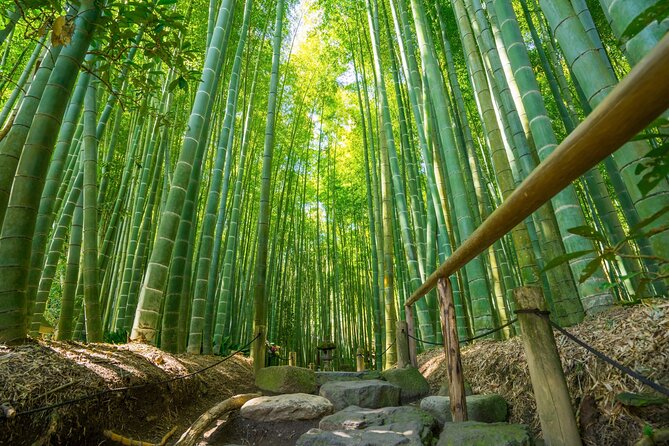
Hokoku-ji is one of those Kamakura stops people can overlook because it’s not the single headline name. That’s exactly why it’s worth placing early in the day. This Zen temple belongs to the Rinzai sect and dates to 1334, so it has that quiet, established feeling.
The main draw is the bamboo. You’ll see about 2,000 bamboo stalks creating a cool, shaded atmosphere that feels different from the brighter streets outside. It’s also a nice contrast before you move into larger shrine and temple sites.
The time here is about 40 minutes, and the admission ticket is not included. That’s not a deal-breaker, just something to factor into your budget so you don’t get surprised halfway through.
Stop 2: Tsurugaoka Hachimangu Shrine and the Minamoto connection

Next up is Tsurugaoka Hachimangu Shrine, which has major status in Kamakura’s story. It’s dedicated to Emperor Ojin, along with Ojin’s wife and his mother. It later became the head shrine tied to Minamoto Yoritomo, who founded and led the Kamakura government as the first shogun.
That detail is useful because it changes how you look at the shrine. You’re not just seeing a pretty entrance and prayer halls; you’re seeing a site connected to the political and spiritual center of the era.
Plan about 40 minutes here. Admission is listed as free, which is a nice budget win. Also, shrine grounds tend to have areas where you’ll want to slow down for photos, so don’t plan your next stop to the minute.
You can also read our reviews of more tours and experiences in Tokyo




Stop 3: Hasedera’s sea-facing views and seasonal flowers
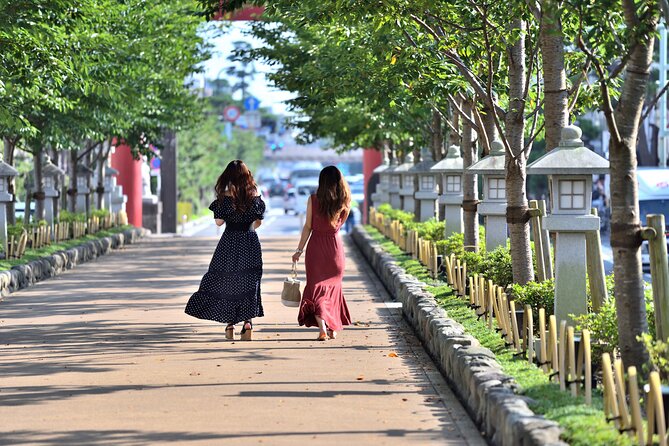
Hasedera is one of the most famous temple experiences in Kamakura, and it’s easy to see why. This temple is known for being the only one in Kamakura that faces the sea, so you get that subtle sense of horizon and openness even when you’re surrounded by buildings and gardens.
It’s also a temple for seasonal flowers, which can make your visit feel like it has a “theme.” Even if the season you visit isn’t peak, the layout is built for walking and looking, not just passing through quickly.
You’ll also find a major highlight inside the temple area: the largest carved-wood statue in Japan is enshrined here. The stop is around 30 minutes, and the admission ticket is not included.
If you want the best experience, don’t treat this like a quick photo stop only. Give yourself a little time to notice the paths and viewpoints. That’s where Hasedera earns its reputation.
Stop 4: Kotoku-in and the Great Buddha’s scale in 30 minutes
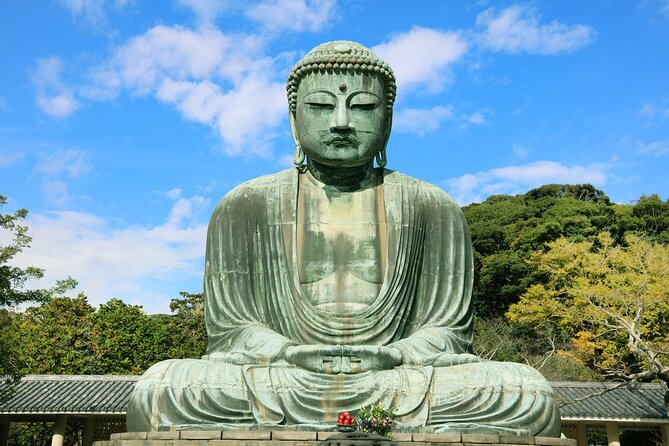
Kotoku-in is where Kamakura delivers the “how can this be so famous” feeling. The centerpiece is the Great Buddha of Kamakura (Kamakura Daibutsu), a bronze Amida Buddha statue cast in 1252. That’s centuries before Europeans reached Japan, and the age makes the statue feel even more solid and real.
The time here is about 30 minutes, which is short enough that you might wish you had more. But the upside is that you’ll keep your energy for the entire day. This is one of the most recognized sights in town, so you don’t need a long guided history lecture to appreciate the scale.
Admission is not included, so again, plan for tickets. But when you factor in that you’re also traveling from Tokyo with AC comfort and a private guide, it’s easier to see how the day adds up.
Timing that makes a difference: early pickup and a focused route
The meeting window runs in the morning, with pickups listed between 7:00 AM and 9:00 AM across the date ranges. That early start can feel “a bit much,” but it’s usually what keeps the day from feeling like a late scramble.
You’ll get a full day structure without the stress of choosing trains between stops. The tour is also private, so your group is the only group moving through the day, which tends to make the pacing feel smoother.
A day like this is built around attention and walking, not a lazy stroll. You should be ready for uneven stone paths, stairs, and short transfers on foot.
Food and breaks: snacks that keep you steady
This is a Kamakura day trip framed around local cuisine, but the specific meal choices aren’t detailed in the provided info. What is clear is that you’ll receive bottled water and snacks during the day, which is a big help.
In practice, those small breaks let you keep going between stops without turning the day into a constant search for something to eat. And because you’re not hopping on public transit repeatedly, you spend less time traveling and more time at sights.
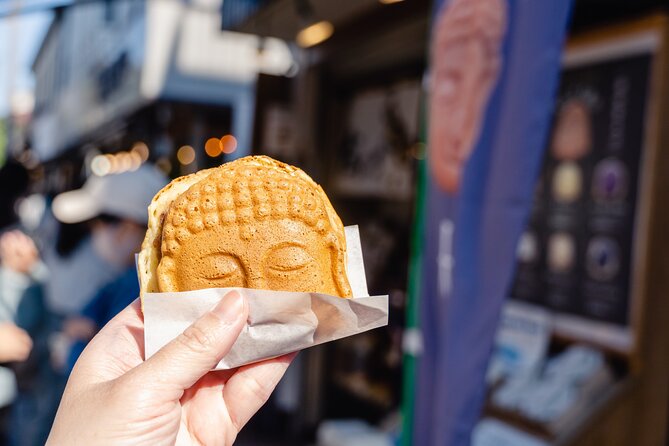
I also like that this tour keeps the day flexible enough for you to choose lunch near the shopping streets you’ll pass while walking around. That’s often where you find simple, low-key meals that fit the rhythm of sightseeing.
Value and price: what $767.36 means for your group
The price is listed as $767.36 per group up to 9 people, with a private format. That’s why this isn’t just a “single traveler” purchase. It’s value-focused when you’re traveling as a group and can spread the cost.
Think of it like this: you’re paying for a full-day structure, pickup from Tokyo, AC transport, and a private guide who can handle the flow between four major stops. Add the fact that several sites don’t include admission tickets, and you’ll want to budget a little more for entry fees. Still, the big cost drivers—transport and guided coordination—are already handled.
There’s also the planning angle. The average booking lead time is about 62 days in advance, which tells you popular dates can fill up. If you’re traveling during a peak period, it’s smarter to lock it in early.
Who this tour suits best (and who should consider alternatives)
I’d recommend this private Kamakura day trip if you want a structured highlights day without navigating trains and platform changes. It’s also a strong fit if you care about having an English-speaking guide who can explain what you’re seeing at each site.
It can also work well for families and mixed-age groups, especially because the tour notes that most people can participate. Still, you should expect walking on temple grounds and some stair climbs.
If you’re traveling solo and don’t want to pay for private transport, a group tour or DIY route might make more sense. And if you’re on a strict budget, remember that admission tickets are not included at multiple stops.
Practical tips for your Kamakura day
Wear shoes you can walk in comfortably. Temple paths and shrine grounds often mean lots of small steps and changes in surface texture.
Also, plan for cashless or ticketing needs at sites with entry fees. Since admission is not included at Hokoku-ji, Hasedera, and Kotoku-in, have a plan to cover those costs easily.
Finally, if you care about photos, don’t sprint. Give yourself a few extra minutes at bamboo and viewpoints. Those are the spots where a slower pace makes the images better.
Should you book this Kamakura private day trip?
Book it if you want maximum structure with minimum hassle. The Tokyo pickup, AC ride, and private pacing are exactly what makes a day trip feel like a real experience instead of logistics.
Don’t book it if you’re trying to keep costs ultra-low or if you prefer designing your own route with trains and flexible timing. Also think twice if you only care about one famous sight—this tour is built around a sequence of multiple sites.
If you’re in a group, though, this is the kind of tour that can feel like a smart deal: pay once, get a smooth day, and end with the Great Buddha and sea-facing temple moments that define Kamakura.
FAQ
What time does the pickup start in Tokyo?
The meeting window is listed as 7:00 AM to 9:00 AM, with the same hours shown across the provided date ranges.
How long is the Kamakura day trip?
The duration is approximately 6 to 8 hours.
How much does the tour cost and how many people are included?
The price is $767.36 per group, up to 9 people, and it’s a private tour for your group.
Is the tour private?
Yes. It’s a private tour/activity, and only your group will participate.
Is a mobile ticket provided?
Yes, the tour includes a mobile ticket.
Are admission tickets included for the temples and shrines?
Admission is free for Tsurugaoka Hachimangu Shrine. Admission tickets are not included for Hokoku-ji, Hasedera Temple, and Kotoku-in (Great Buddha of Kamakura).
What’s the cancellation policy if plans change?
Free cancellation is available. You can cancel up to 24 hours in advance for a full refund. If you cancel less than 24 hours before the start time, no refund is given.