REVIEW · TOKYO
Nikko World Heritage 1 Day Tour
Book on Viator →Operated by H.I.S.Co., Ltd. · Bookable on Viator
Gold leaves and waterfall mist in one long day. Nikko World Heritage is one of Japan’s most dramatic day trips: you trade city noise for shrine carvings, then swap to a real 100-meter waterfall, and finish with Lake Chuzenji views near Mt. Nantai.
I especially love the Toshogu Shrine stop, including the tomb of Tokugawa Ieyasu and the iconic details people come for, like the three wise monkeys. I also like the Kegon Falls timing: about 20 minutes that’s short enough to keep the day moving, but long enough to feel the scale.
The main drawback is that this is a long day on the road, and bad weather or traffic can shorten time at the sites. On rainy days, expect slick, step-heavy walking at the shrine.
In This Review
- Key things to know before you go
- From Shinjuku to Nikko: the timing feels like a real day trip
- Toshogu Shrine: gold-leaf drama and Tokugawa Ieyasu’s tomb
- Kegon Falls: a 100-meter stop that still feels worth it
- Lake Chuzenji: a quick breather at the foot of Mt. Nantai
- Bus comfort, group size, and the small logistics that matter
- Price and value: is $118.36 a fair deal?
- Weather reality: how to survive rain, chill, and crowded steps
- Who this tour suits best
- Should you book this Nikko World Heritage 1 Day Tour?
- FAQ
- What time does the tour start?
- How long is the day trip to Nikko?
- What’s included in the price?
- Are Kegon Falls and Lake Chuzenji tickets included?
- Is there a restroom on the bus?
- What should I wear or bring for the day?
Key things to know before you go
- Toshogu Shrine in about 2 hours with admission included, so you can actually see the gold-leaf and carvings instead of rushing
- Kegon Falls at 100 meters with a focused 20-minute viewing window
- Lake Chuzenji for quick mountain-and-water views at the foot of Mt. Nantai
- Air-conditioned vehicle and scheduled restroom breaks on the way out and back
- Sturdy shoes matter because temple routes can mean hills, stairs, and puddles in rain
- Mobile ticket and a fixed starting point in Shinjuku make check-in simple
From Shinjuku to Nikko: the timing feels like a real day trip
This tour starts at 8:30 am in Shinjuku, at the Robert Indiana sculpture LOVE (6-chōme-5-1 Nishishinjuku). From there, you’re on a bus for roughly the first stretch of the day, and in good conditions Nikko is a pretty manageable outing. One thing I like is that there’s a plan for basics: your comfort is built in with an air-conditioned vehicle, and you’re not stuck without breaks. The tour notes you can get restroom and snack time at a halfway rest stop.
Still, keep expectations grounded. Even when the schedule holds, you’ll feel the “long day” factor. If your ideal day is slow and wandering, this format can feel brisk. If your ideal day is seeing the big-ticket Nikko highlights without you having to manage train transfers, it works well.
Also, remember the tour departs regardless of weather or traffic unless the operator notifies you otherwise. That’s great for reducing uncertainty, but it means you should dress like the day might get damp and chilly—especially in colder months, when Nikko is generally colder than Tokyo.
You can also read our reviews of more historical tours in Tokyo

Toshogu Shrine: gold-leaf drama and Tokugawa Ieyasu’s tomb
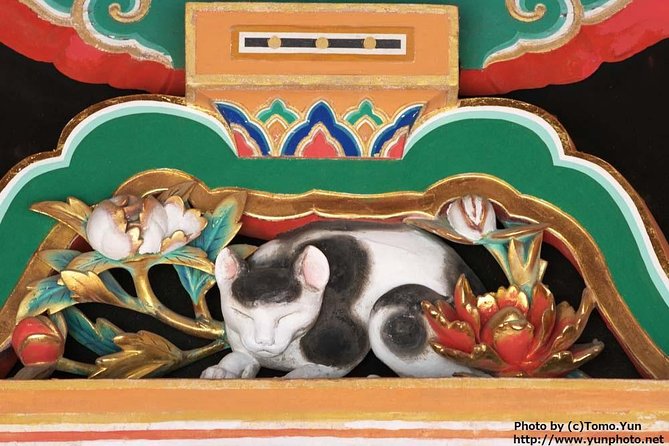
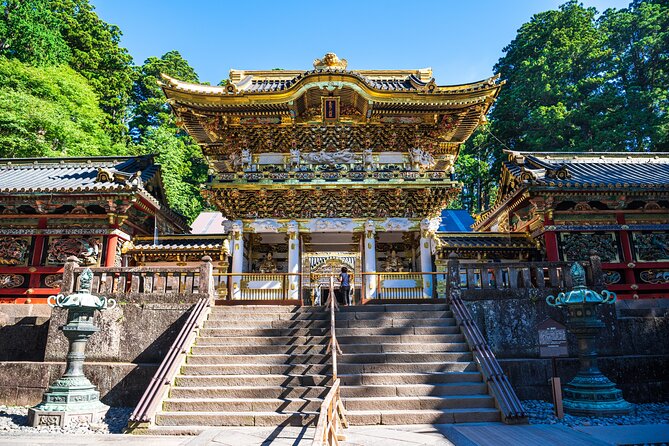
Toshogu Shrine is the centerpiece, and the time allocation makes sense. You get about 2 hours, and admission is included. This is the kind of place where the details reward slow looking, but the tour still gives you enough time to move through the main areas without feeling like you got shorted.
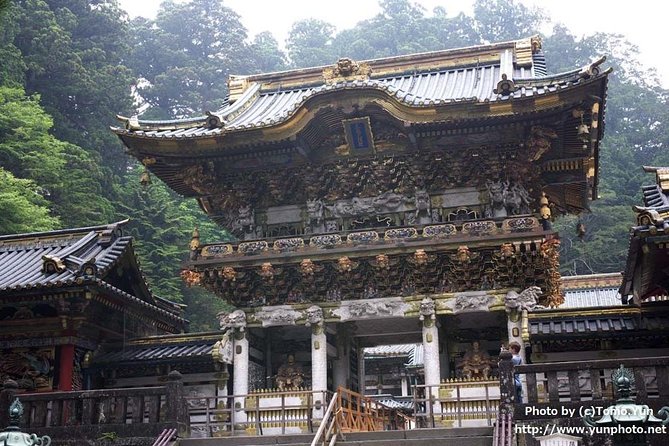
What you’ll notice first is the visual overload—in a good way. The shrine is famous for its gold leaf decorations and intricate carvings, including animal figures you’ll keep spotting as you walk. Then there’s the story-driven side: the tomb of Tokugawa Ieyasu, plus the legendary three wise monkeys that show up in the shrine’s symbolism. A strong guide makes these stops come alive, not by adding extra facts, but by helping you see what to focus on so you don’t just pass through scenery.
Practical note: temple walking can be step-heavy. One rain-related comment in the feedback described a lot of steps and puddles, even with umbrellas around. You’ll be happier if you plan footwear with grip and bring rain gear that won’t clog the view of people behind you. A poncho-style rain layer can be more practical than an umbrella if the area gets crowded.
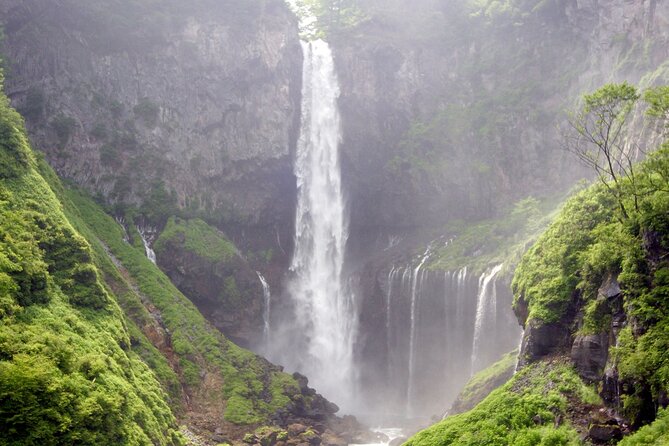
Kegon Falls: a 100-meter stop that still feels worth it
After the shrine, you head to Kegon Falls, with a viewing time of about 20 minutes. Tickets here are free, so you’re not paying again to enjoy the spectacle.
The highlight is simple: Kegon is 100 meters tall. It’s also tied to the geography of Lake Chuzenji—it’s described as the only way out for the lake’s water. That connection helps the falls feel more than just a pretty waterfall. You’re seeing the flow of an entire system that links water, mountain, and weather.
Because the time is short, your strategy matters. If you’re there for photos, pick your spot early and settle in. Don’t try to “do everything” in the first five minutes, especially if paths get crowded. The viewing platform areas tend to be where you’ll want to focus your time.
Lake Chuzenji: a quick breather at the foot of Mt. Nantai
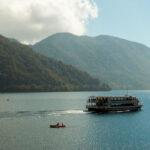
Lake Chuzenji is the “pause button” stop before the return trip. You’ll get around 20 minutes, and admission is free.
This lake is described as iconic for the region, sitting at the foot of Mt. Nantai, an active volcano. You’ll also see references to a temple and former embassies along the shore—enough to suggest there’s more to explore if you ever come back on your own for a longer stay.
The downside of this stop is also the same reason it works on a day trip: 20 minutes is just enough to enjoy the water-and-mountain look, maybe take a few photos, and then move on. If you want a slow walk along the shoreline or to explore those historic buildings in depth, you’ll want a separate day or an overnight plan.
If the weather is cold, this stop can feel extra chilly because you’ll likely be outside for your photos and sightseeing. I’d plan on layers and keep a warm layer accessible.
Bus comfort, group size, and the small logistics that matter
Let’s talk logistics, because day-trip success is usually decided by small details.
- Group size up to 80 travelers: big enough to feel lively, small enough that you’re still with the group and moving as one unit.
- Sometimes a mini van is used if participant numbers are low. If you dislike tight seating, check your expectations, but this usually keeps the day efficient.
- Restroom on board is not included, so you’ll rely on the rest stop(s) during the ride. The feedback also mentioned a halfway stop around 15 minutes for restroom and snacks, which you’ll be grateful for.
- Seat belt required (it’s the law in Japan), so don’t plan to hop around on the bus.
- Tour timing can change due to traffic or congestion. If the day runs late, you may get less time at each stop, and any outlet shopping time can shrink.
One thing I appreciate is that the tour tries to keep things moving even when conditions shift. The tradeoff is that you can’t treat this as a perfectly fixed itinerary in every circumstance. If you’re the type who gets stressed by schedule changes, build a bit of flexibility into your day.
Also, a couple practical “be ready” notes from the info are worth taking seriously:
- Bring winter clothes in colder seasons.
- Wear shoes that let you walk smoothly.
- Be on time for pickup. The bus won’t wait.
You can also read our reviews of more tours and experiences in Tokyo





Price and value: is $118.36 a fair deal?
At $118.36 per person, this tour is not a budget-only option. But it also isn’t just paying for a bus ride. For your money, you’re getting:
- Round-trip transportation in an air-conditioned vehicle
- A guided day built around major Nikko highlights
- Toshogu Shrine admission included
- Lunch only if you choose the +Lunch option (Japanese-style lunch)
So the value depends on what you’d otherwise do on your own. If you’re starting from Tokyo and you want the major sites in one shot without managing transfers, the packaged format adds up. If you’re comfortable doing Nikko by train and you’re happy buying tickets and timing yourself, you might find you can do it cheaper. But you’d also be giving up the convenience of a single pickup, a set route, and a guide to point out what matters most.
For food, keep a close eye on your selection. If you skip the +Lunch option, plan to find your own meal during the day. At least one traveler in the feedback preferred to skip the included lunch and eat on their own, which tells me the lunch decision is personal.
Weather reality: how to survive rain, chill, and crowded steps
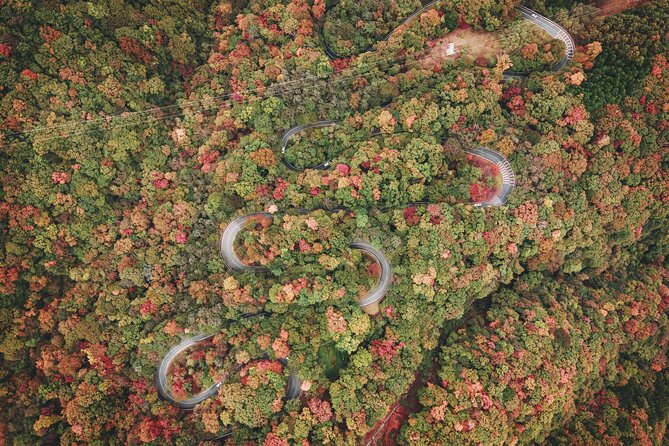
Nikko is gorgeous, but it can be rough in bad weather. The tour itself can still run, and you should assume you’ll be walking in less-than-ideal conditions.
From the details shared, the biggest friction points in rain are:
- Slick ground around temple approaches
- A lot of steps and a steep walking route
- Crowds where umbrellas block sightlines
So I’d pack with “worst case” in mind:
- Good traction shoes
- A rain layer that doesn’t require constant handling
- A way to keep your phone protected for photos at Kegon Falls
If conditions are severe, the cancellation policy says the experience requires good weather. If the operator cancels due to poor weather, you’ll be offered another date or a full refund. That’s comforting, but it still means you should check conditions before you commit your day.
Who this tour suits best
This is a strong fit if you:
- Want Nikko’s top highlights without planning the whole day yourself
- Like guided context, especially for Toshogu’s symbolism and Tokugawa history
- Prefer bus comfort and scheduled movement over DIY logistics
It may be a tougher fit if you:
- Have limited mobility or struggle with stair-heavy temple routes
- Hate schedule pressure (because traffic and weather can shorten site time)
- Want a long, unhurried stay at only one place
For most people, it lands in the sweet spot: you get a “great hits” overview with real access to the major sites—especially Toshogu.
Should you book this Nikko World Heritage 1 Day Tour?
Yes, if your priority is a guided, time-efficient Nikko introduction. Toshogu Shrine is the reason to come, and the tour gives you enough time to enjoy the gold-leaf details and the famous symbolism like the three wise monkeys without feeling like you’re sprinting through the grounds. Kegon Falls then delivers the payoff in a short, well-timed stop, and Lake Chuzenji gives you a scenic reset before the ride back.
I’d think twice before booking if you’re sensitive to wet surfaces, steep stairs, or if you need a guaranteed slow pace at each stop. This tour can run long and tight depending on conditions, and it doesn’t promise on-board restrooms or extra time if the schedule slips.
If you’re flexible and show up prepared with the right shoes and a rain plan, this is a very solid way to experience Nikko in one day.
FAQ
What time does the tour start?
It starts at 8:30 am from the Robert Indiana sculpture LOVE in Shinjuku.
How long is the day trip to Nikko?
The duration is about 10 hours 30 minutes (approx.).
What’s included in the price?
You get an air-conditioned vehicle, a guided experience, and Toshogu Shrine admission is included. Lunch is only included if you choose the +Lunch option.
Are Kegon Falls and Lake Chuzenji tickets included?
Kegon Falls and Lake Chuzenji are listed as free for admission on this tour.
Is there a restroom on the bus?
Restroom on board is not included, so you’ll rely on scheduled breaks during the drive.
What should I wear or bring for the day?
Wear shoes that work well for walking. In colder seasons, bring winter clothes, and in rainy conditions be ready for wet, step-heavy areas at the shrine.