REVIEW · TOKYO
Official Japan Go-Kart Through Shibuya / Shinjuku
Book on GetYourGuide →Operated by JAPANKART · Bookable on GetYourGuide
Tokyo looks different at kart speed. This ride takes you on-road through Shibuya Crossing and major landmarks, with a crew watching the route the whole time. I like that the karts are built specifically for road driving, not a gimmick. I also like the added showmanship: costumes, jackets in cooler months, and staff who handle photos and video so you don’t have to work for content. One thing to consider: you must have the exact driving paperwork for Japan, or you won’t be allowed to ride.
The route choices (about 90 minutes or about 2 hours) let you match the ride to your day. I also like how you get real city moments—street photos, stop-and-go traffic energy, and iconic photo points like Tokyo Tower and Tokyo Station depending on the departure. A drawback is simple but real: Tokyo traffic can mean lots of idling at lights, so the experience feels more like a guided street cruise than an open-track blast.
In This Review
- Key highlights worth your time
- Tokyo at kart speed: what this experience really feels like
- Price and time: is $122 per person good value?
- Choosing your departure: Kanda vs Shinjuku meeting points
- The driving day structure: briefing to photo stops
- Shibuya Scramble Crossing: why this stop is the headline
- Tokyo Tower and Tokyo Station: big landmarks at slow-roll pace
- When the route includes Ginza, Ueno, and Asakusa
- Safety that feels structured (and doesn’t kill the fun)
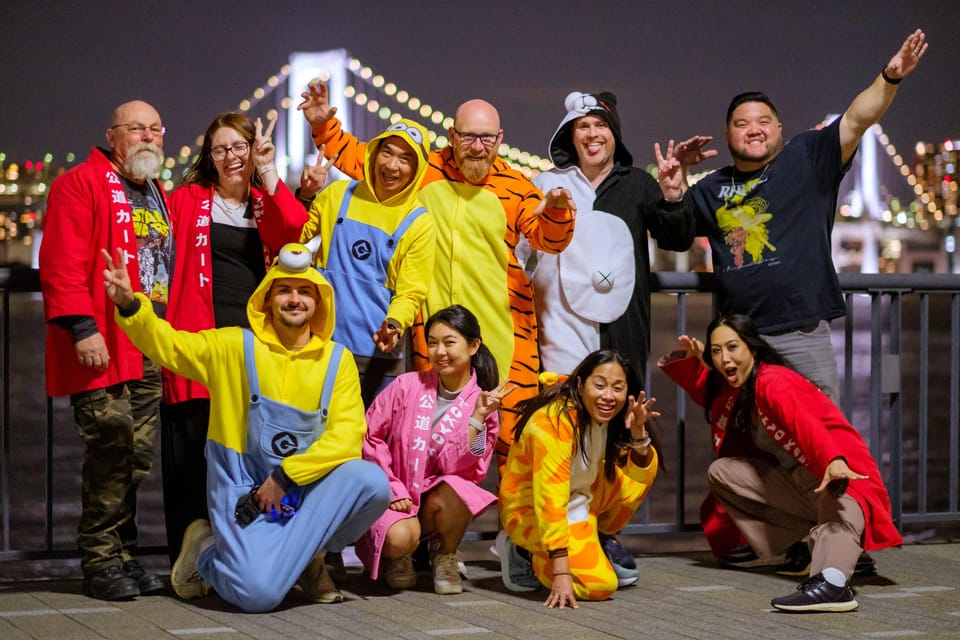
- Costumes, jackets, and why you’ll get attention in the best way
- The paperwork reality: what you need to drive in Japan
- Traffic, splitting up, and how to make peace with city driving
- English instruction, small groups, and staff energy
- Who should book JapanKart through Shibuya/Shinjuku
- Should you book this go-kart ride?
- FAQ
- What documents do I need to drive in Japan for this activity?
- Can I use an IDP I bought online?
- Do I need a translation for all drivers?
- How long is the ride?
- What’s included in the price?
- Is the tour guided in English?
- Are sandals or flip-flops allowed?
- What happens if it rains or the tour is canceled due to bad weather?
Key highlights worth your time
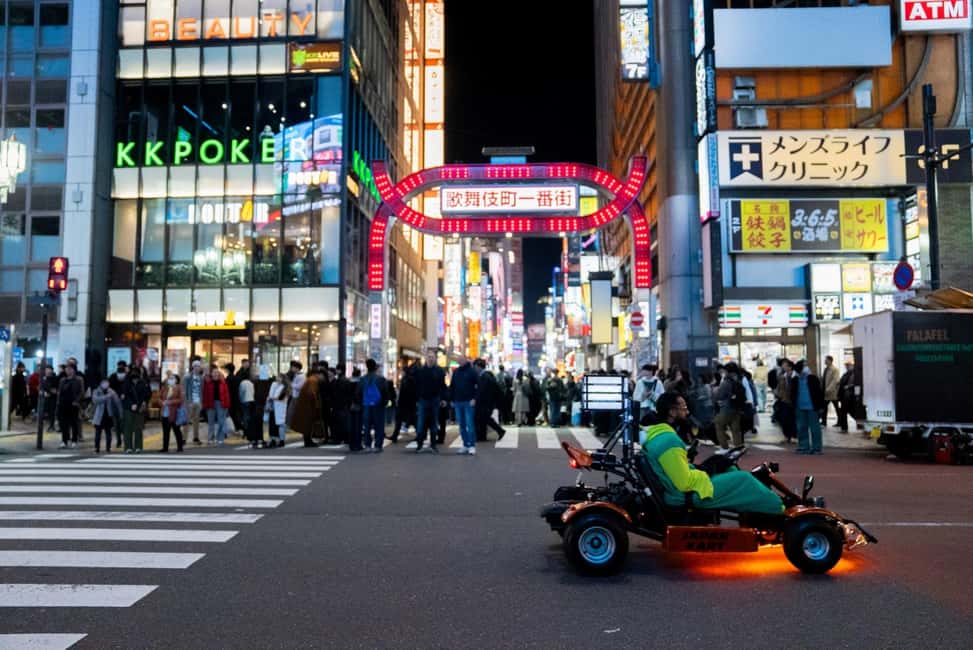
- Road-driving karts built for Tokyo streets: Designed for real traffic patterns and street handling, not a theme-park loop.
- Shibuya Scramble, the real way: You pass through the area everyone photographs, from the ground and in motion.
- Safety by design (and by backup): Lead cart up front, plus a motorcycle in back to keep things together if routes split at lights.
- Costumes and jackets are part of the deal: You’ll look like you belong in Tokyo, not like you wandered in from a rental shop.
- Photos and videos handled for you: People report free-quality pics and shareable videos afterward with no extra cost.
- Route variety, depending on start branch and timing: Not every departure hits every “big name” highlight.
Tokyo at kart speed: what this experience really feels like
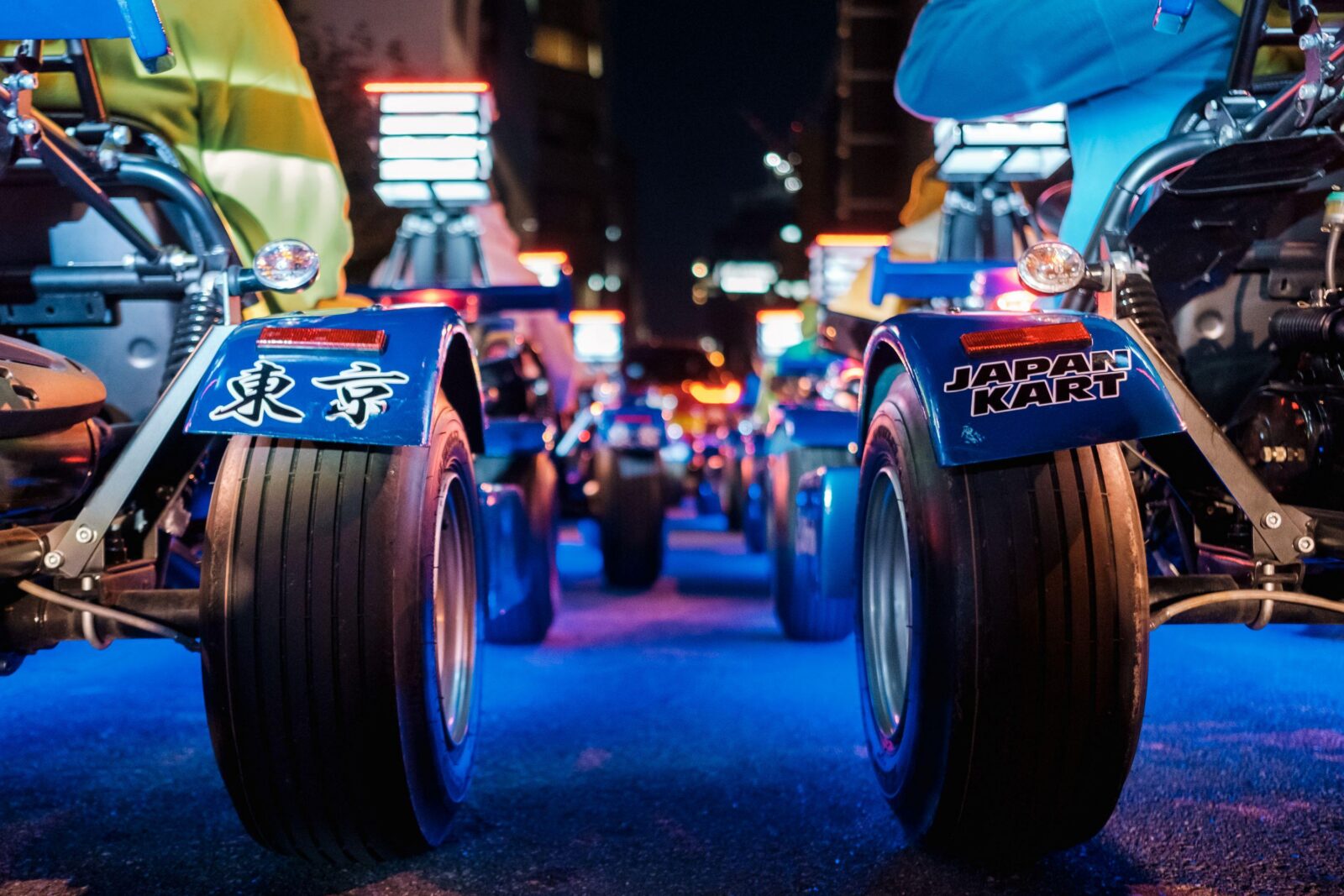
Let’s be honest: Tokyo is one of the hardest places on Earth to slow down. Everything moves fast, signs are everywhere, and even walking can feel like a timed challenge. This tour makes a smart pivot. You get to experience the city at road level—wind in your hair, hands on the wheel, and a guide controlling the chaos so you can enjoy it.
The karts are originally designed for road driving. That matters. If you’ve ridden cheap rental go-karts before, you know the usual story: weak brakes, vague steering, and a “please don’t crash” vibe. Here, the concept is different—you’re meant to cruise public streets with proper instruction, safety gear, and a lead-and-support system.
Two things make this ride feel special right away. First, the route goes where tourists actually want to be: Shibuya. Second, you get dressed up for it. Costumes and jackets are included, and that turns the ride into a playful Tokyo moment, not just transportation with a guide.
The one caution I’d put at the top: your documents matter more than your enthusiasm. Japan is strict about who can drive, and this company says flat out that if you can’t show the right hard copies on the day, you can’t participate, and reimbursement may not be possible.
You can also read our reviews of more tours and experiences in Tokyo.



Price and time: is $122 per person good value?
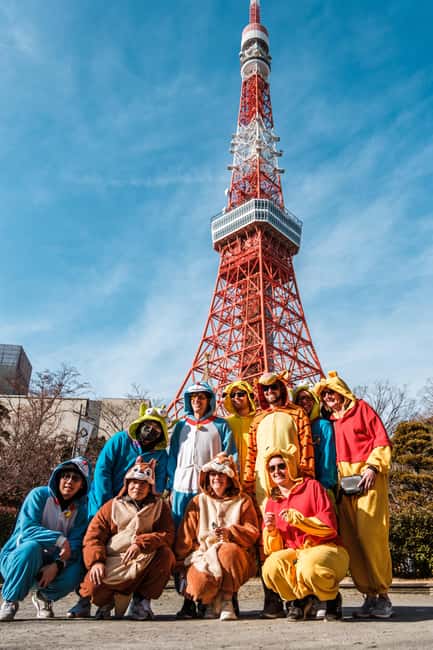
At about $122 per person with a 2–3 hour overall experience window, this isn’t the cheapest thing you can do in Tokyo. But it’s also not just a rental kart. You’re paying for several layers of help that normally cost extra when you do them separately.
You get:
- A full safety briefing
- Costumes
- Jackets during colder months
- Gas fee included
And from the ride reports, you also get strong “staff work,” like a photo/video setup that makes it easier to remember the day without hiring a separate photographer. People also mention no extra charges for photos and videos shared at the end.
Is it perfect value for everyone? Not necessarily. If you already hate traffic, the stop-and-go nature of central Tokyo could feel slower than you hoped. One review even points out heavy stopping at lights around 4pm, but says it didn’t ruin the fun. So you should treat this as a guided urban cruise with iconic stops, not a race.
Choosing your departure: Kanda vs Shinjuku meeting points
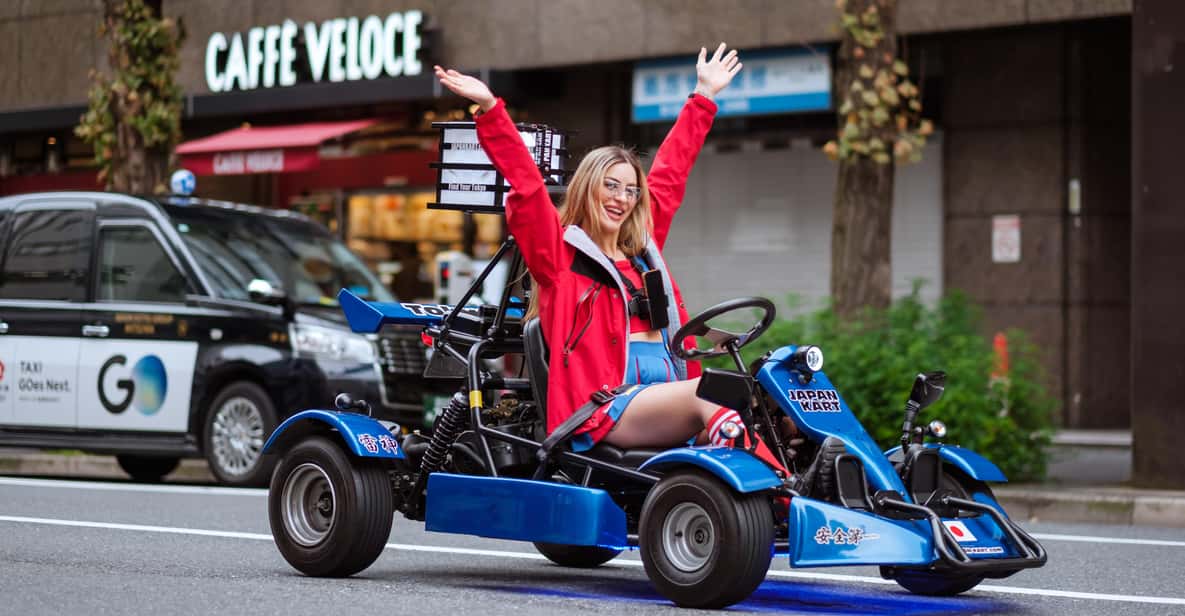
This tour runs from two starting branches: JAPANKART Kanda and JAPANKART Shinjuku. Drop-off is at one of those branches too, but the meeting point can vary based on which option you booked—so check your confirmation carefully.
Why does the branch matter? Because the route you ride can vary. One ride report notes that not every branch hits every highlight. That means you should set expectations like a pro: you’re booking the experience first (Tokyo street karting with Shibuya), and the exact mix of landmarks is the bonus.
If you’re staying near Shinjuku, a Shinjuku departure can be easier for logistics. If your day centers on Akihabara and Ueno, Kanda might be smoother. Either way, the key is timing. If you want more movement time and fewer slow stretches, aim for a departure that avoids the most punishing commute pockets.
The driving day structure: briefing to photo stops
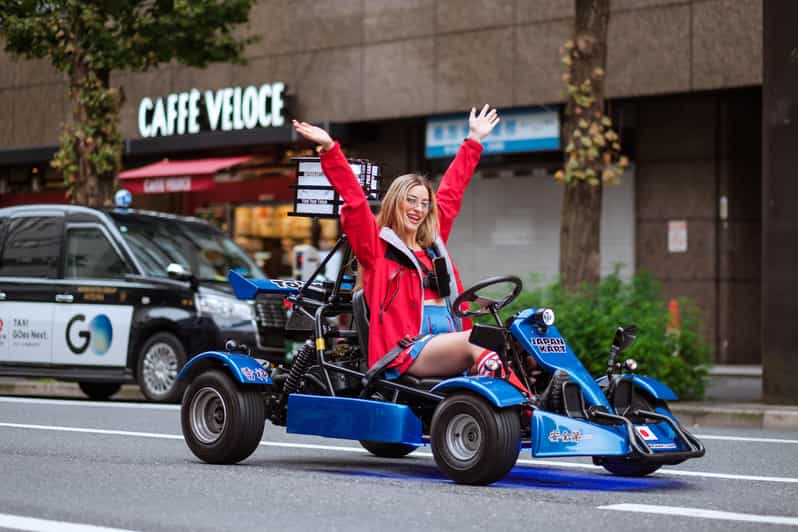
You won’t just jump into the kart and guess. The process is designed to get you ready fast. There’s a safety briefing before you roll out, and multiple people highlight how clear the instructions are and how friendly the crew is once you start driving.
Then the ride becomes a sequence of pass-bys and photo moments. You’re not supposed to be hunting for the perfect angle. The guide handles the timing, and you pause where it makes sense.
In the longer option (about 2 hours), you can expect pass-by time around major sights like:
- Tokyo Tower
- Imperial Palace
- Tokyo Station
- Roppongi (pass by)
In the shorter option (about 90 minutes), you can expect iconic West Tokyo stops like:
- Shibuya Scramble Crossing
- Harajuku and Omotesando
- Shinjuku Kabukicho (as part of the route)
Photo stops are built in, so you’re not just traveling through landmarks at speed. You get a chance to park the moment, get a shot, and keep moving.
Shibuya Scramble Crossing: why this stop is the headline
If you come to Tokyo and skip Shibuya, you’ll feel it later when you see other people’s photos. This is one of the few experiences that puts you in that moment from the street. You glide near the area everyone recognizes, and the effect is different when you’re rolling right there rather than standing still.
You’ll also feel the crowd energy indirectly. Even when you’re not in the densest center of the crossing, the surrounding streets have that electric Tokyo rhythm: stop, go, horns maybe, camera phones out, people turning their heads to see the carts.
People consistently call this part the unforgettable piece. One person says doing the crossing twice was unreal. Another notes it as a must-do highlight, especially in cherry blossom season, when the visuals make the street-level angle more scenic.
Practical note: because it’s city driving, you can still spend time waiting at lights. That’s normal. Tokyo doesn’t give you an empty highway just because you’re driving a go-kart.






Tokyo Tower and Tokyo Station: big landmarks at slow-roll pace
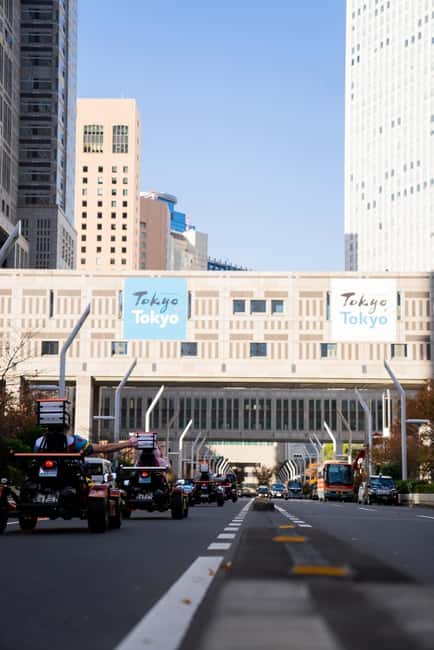
Even if Shibuya is the main event, the rest of the route is what turns it into a full Tokyo sample.
On departures that include Tokyo Tower, you get a break time and photo stop. That’s valuable because Tower photos from far away are easy, but getting your shot at the right time from the right angle is harder. Here, the tour structure helps you do it without guessing.
With Tokyo Station, the feeling is different. Tokyo Station isn’t just a “pretty building” moment. It’s the pulse of transit—busy, structured, and central. Seeing it from the road gives you a better sense of scale than postcards do.
And then there’s the Imperial Palace area (pass by on the longer option). Again, you’re not just looking at a landmark—you’re seeing how it sits inside the city’s geometry. It’s a reminder that Tokyo has layers: modern icons next to quieter, formal spaces.
If your departure doesn’t list every highlight you expected, don’t panic. The company’s own routing can adjust based on conditions and practical needs, including kart availability.
When the route includes Ginza, Ueno, and Asakusa
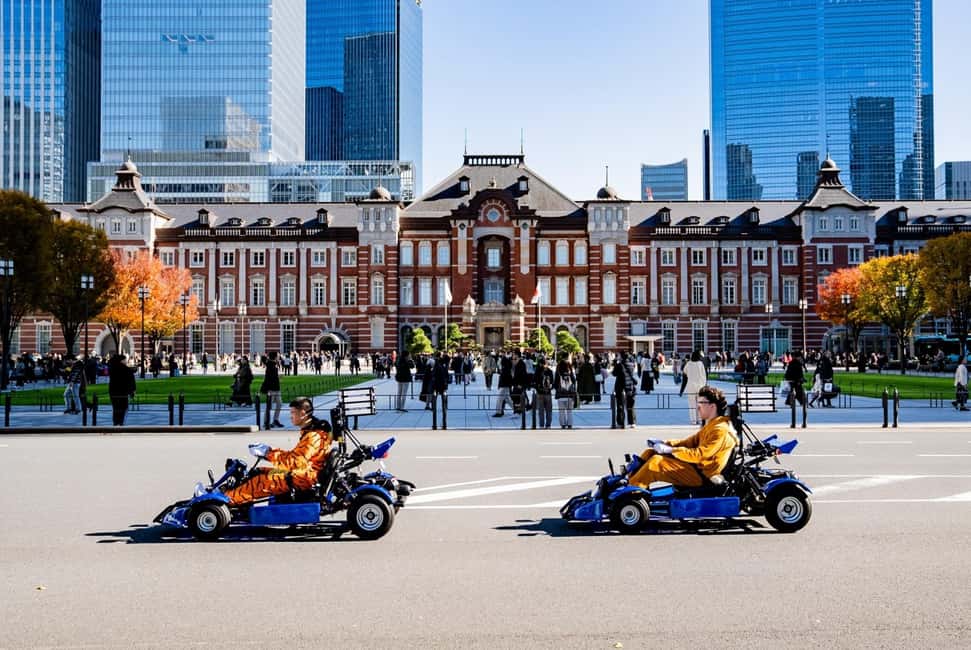
The experience is marketed with additional “ancient Tokyo” energy—Ginza, plus Ueno and Asakusa—but your exact stop mix can depend on which option and branch you booked. One review directly notes that not all branches hit all the highlights.
So here’s the smart way to plan: treat these as possible add-ons rather than guaranteed stops. If you specifically want Asakusa sights (temple areas, traditional streets), plan at least a little independent time in that neighborhood anyway. Then the kart ride becomes a bonus way to get your bearings and connect your day dots.
If you do get those neighborhoods on your route, that pairing makes sense. You’d go from neon-sign Tokyo to older-feeling Tokyo without changing your schedule. That’s a rare convenience.
Safety that feels structured (and doesn’t kill the fun)
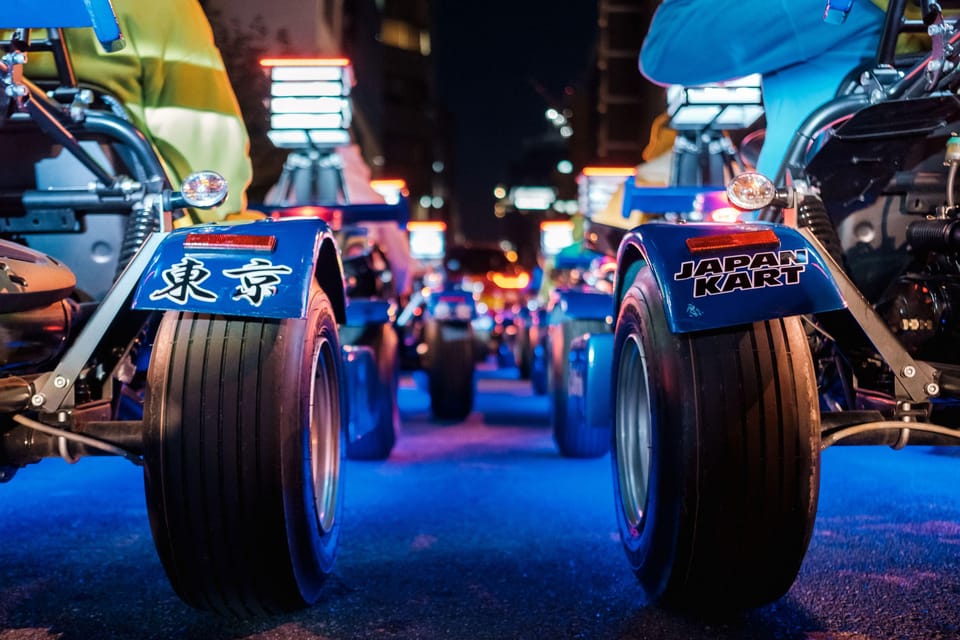
A go-kart tour in active Tokyo streets has to solve one big problem: keeping people together safely while still letting them enjoy it.
From the ride reports, the method is straightforward:
- A lead car guides the group.
- A motorcycle rides behind for support.
- Guides are around in backup vehicles if you get separated at lights or around turning traffic.
That matters because city driving can split groups briefly, even with good planning. One report mentions that street lights and cars cutting in can separate the formation, but reassurance comes from the staff system that helps you find your way back to the main group.
Also, people repeatedly mention feeling safe due to the safety briefings and supportive crew. The experience includes jackets in colder months, and it prohibits alcohol and drugs. That may sound basic, but it’s part of why the ride keeps a “responsible fun” vibe instead of turning into chaos.
Costumes, jackets, and why you’ll get attention in the best way
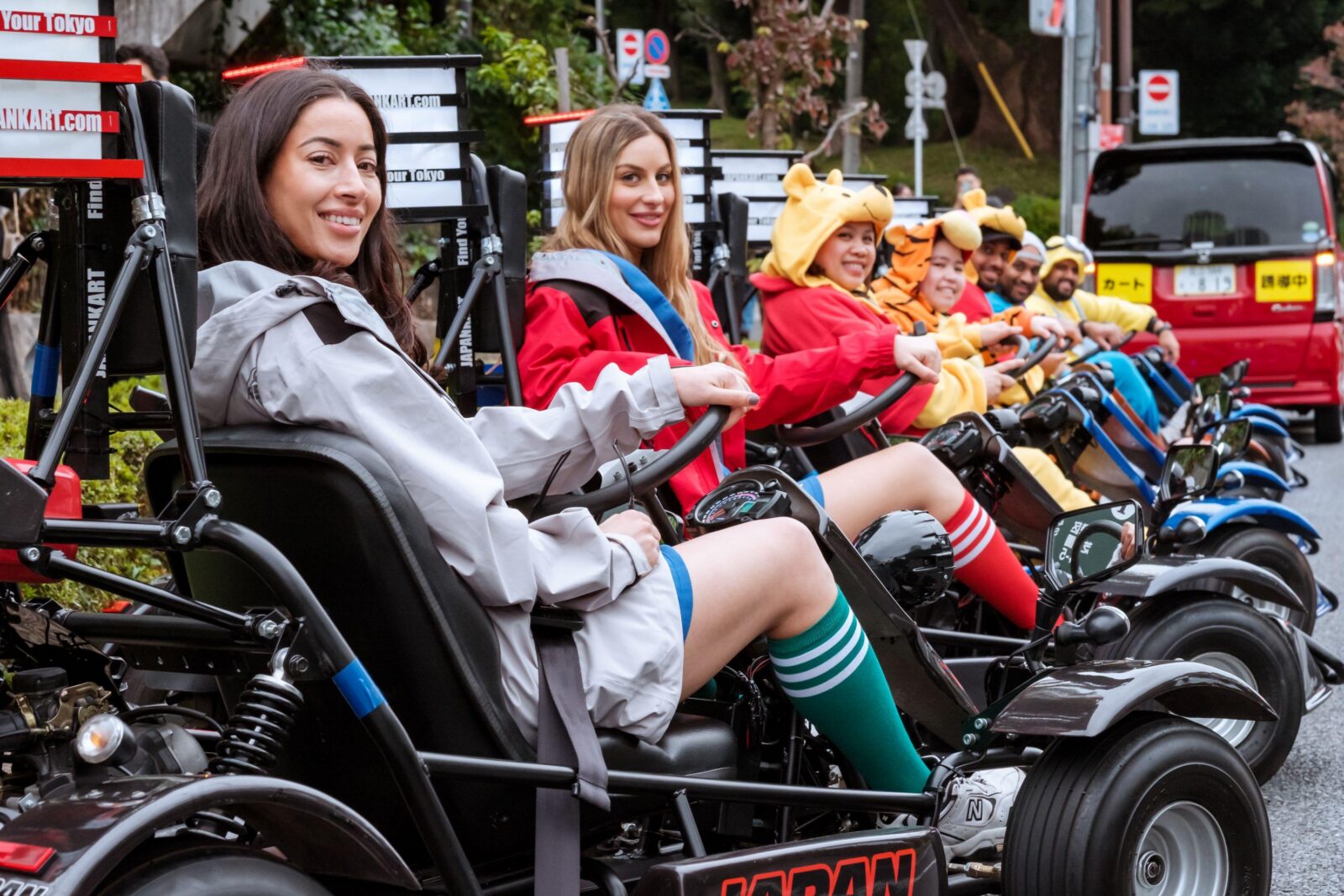
This isn’t just helmet-and-go. The included costumes are a huge part of the charm, especially because the ride happens in some of Tokyo’s most photo-friendly areas.
People describe dressing up with other riders, getting lots of smiles and attention, and feeling like they’re part of the street scene. One review says people were smiling and waving as the carts rolled by, which is exactly the kind of Tokyo interaction that makes this more memorable than a standard city tour.
Jackets during colder months are also a practical win. You’re outdoors, you’re moving, and the wind is part of the experience. If you show up in a thin jacket, you’ll feel it.
Dress rules are simple:
- No sandals or flip-flops
- Wear something you can ride in comfortably
The paperwork reality: what you need to drive in Japan
This is the non-negotiable section. The tour requires documents for driving in Japan, and they repeat it because it’s where people get tripped up.
You must have:
- Your passport
- Your driving license from your country of origin
- An international driving permit (IDP) issued under the Geneva Convention 1949 (issued by your local issuing authority in your home country)
Important details that can save you from a last-minute disaster:
- IDPs issued under the Vienna Convention 1968 are not accepted.
- You need a hard copy IDP on the day of the activity (not digital).
- The IDP should be in booklet form, not a single paper sheet.
- You must have the exact documents, or you won’t be able to participate.
There’s also a special rules note for drivers from Switzerland, Germany, France, Taiwan, Belgium, Estonia, or Monaco: in those cases, you’ll need an original driving license plus an official Japanese translation through an authorized organization (JAF is named), and your passport.
If you’re unsure, contact the provider before you fly. Don’t “hope it works out” at the meeting point.
Traffic, splitting up, and how to make peace with city driving
Tokyo traffic is the wildcard. It can mean:
- Longer stops at lights
- Slower stretches
- Brief route changes based on what’s possible on the day
One review warns that with a late-afternoon start, the group can spend a lot of time at traffic lights, but still says it was amazing. That lines up with how city driving always works.
If you want the ride to feel more “fast,” pick a time with less gridlock for your own comfort. And mentally shift your expectations: this is not a track experience. It’s a guided way to see Tokyo’s icons from a moving street-level seat.
English instruction, small groups, and staff energy
The instructor is English, and the group is small. People keep praising the crew for being friendly and helpful, including names like Maui, Adele, and Mandy showing up in positive comments about support and professionalism.
You’ll also get attention to detail, like mounts ready for strapping a phone or GoPro to the kart setup, plus staff capturing videos and photos during the route and sharing them afterward.
That kind of “we handle it for you” support is what makes a huge difference. You can focus on driving and the view, not on trying to coordinate your own shots while learning a new kart.
Who should book JapanKart through Shibuya/Shinjuku
This is a great fit if:
- You want Tokyo icons without spending hours on trains
- You’d enjoy a playful add-on like costumes
- You’re comfortable following instructions and driving with city traffic rules
- You can meet the driving document requirements and show everything in hard copy
It may not be your best match if:
- You strongly dislike traffic and stop-and-go driving
- You’re missing paperwork or don’t want to deal with IDP details
- You’re not okay with the physical reality of wearing enclosed shoes and driving outdoors
Should you book this go-kart ride?
I’d book it if you want a one-of-a-kind way to see Tokyo in motion—especially if Shibuya Scramble is on your must-see list. The included items (safety briefing, costumes, jackets when needed, gas) plus the repeated praise for safety support and free photo/video handling make the $122 price feel more justified than a bare-bones kart rental.
I’d skip or double-check before booking if the IDP rules look complicated for your passport and license situation. The tour is strict. Get that right first, then you can enjoy the fun.
If you want a simple plan: book early in your Tokyo stay, so if anything feels off (weather, timing, your confidence behind the wheel), you still have backup options.
FAQ
What documents do I need to drive in Japan for this activity?
You need your passport, your home-country driving license, and an international driving permit (IDP) issued under the Geneva Convention 1949. The provider also notes that you must bring hard copies and that Vienna Convention IDPs are not accepted.
Can I use an IDP I bought online?
No. The provider specifically says the IDP must be issued by your local issuing authority in your home country and not purchased from online companies.
Do I need a translation for all drivers?
A translation is required only for certain countries listed by the provider (including Switzerland, Germany, France, Taiwan, Belgium, Estonia, and Monaco). In those cases, you also need an original driving license plus an official Japanese translation through an authorized organization.
How long is the ride?
There are options listed as about 90 minutes and about 2 hours, depending on which tour version you book.
What’s included in the price?
The price includes a full safety briefing, costumes, gas fee, and jackets during colder months. Food and drink are not included, and there’s no hotel pickup/drop-off.
Is the tour guided in English?
Yes, the instructor is listed as English.
Are sandals or flip-flops allowed?
No. Sandals or flip-flops are not allowed.
What happens if it rains or the tour is canceled due to bad weather?
If the tour is canceled due to bad weather, you’re eligible for a full refund. The provider also allows rescheduling depending on availability.