REVIEW · TOKYO
Mochi and Nerikiri Wagashi Combination Cooking Class
Book on Viator →Operated by ankotopia WAGASHI School · Bookable on Viator
Sweet Tokyo magic happens nearby. In this in-home class in Ota City, I like that you get private, hands-on attention from Satoko at ankotopia WAGASHI School, not a rushed demonstration. You’ll make three different treats yourself, including mochi, so you leave with skills you can actually repeat back home.
Before you book, one thing to weigh: there are two short hair cats in the home. They stay in the bedroom during the lesson, but it’s not recommended if you have a strong cat allergy.
In This Review
- Key things to know before you go
- Trading central Tokyo crowds for a calm home class in Ota City
- What’s provided, and how to show up ready to make wagashi
- The mochi and history lesson: learning the why, not just the how
- Making mochi into strawberry daifuku and dango skewers
- Strawberry daifuku (with a seasonal fruit swap)
- Dango on skewers
- Nerikiri wagashi: seasonal motifs, guided shaping, and a video tutorial
- Matcha time: taste what you make
- Satoko’s teaching style and the little extras that improve your results
- Price and value: what $85.66 buys you in Tokyo terms
- Dietary notes: vegetarian-friendly and plant-based by design
- Who should book this mochi and nerikiri class
- Should you book this mochi and nerikiri wagashi class in Tokyo?
- FAQ
- How long is the Mochi and Nerikiri Wagashi combination cooking class?
- Is this class private?
- What sweets will I make during the class?
- What if strawberries are out of season?
- Do I eat the sweets during the class or take them home?
- Are the ingredients vegetarian-friendly?
- Is transportation included?
Key things to know before you go
- In-home, private group lesson just for your group, with personal guidance
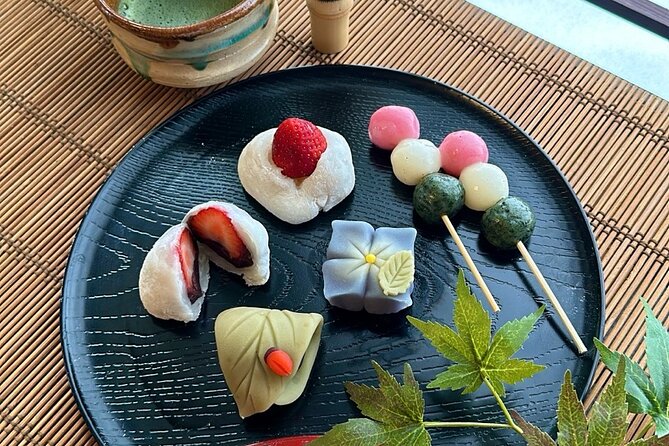
- You make three mochi and wagashi creations rather than watching and waiting
- Seasonal nerikiri wagashi motifs with dough already prepared and a tutorial video available
- Matcha is part of the experience, either to drink during class or alongside your tasting
- Takeaway box included, so you can transport your sweets neatly
Trading central Tokyo crowds for a calm home class in Ota City
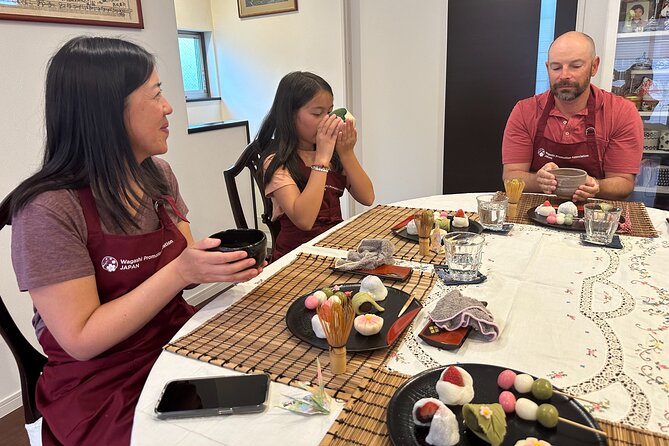
Tokyo can be nonstop. This experience is built as the opposite of that. You start at 20-15 Kitaminemachi, Ota City, and you’re clearly set up for a quieter pace than the usual tourist-food circuit.
The big win is the home setting. You’re in a local neighborhood, and that changes the mood instantly. Instead of a loud classroom with the same script for everyone, you’re working at a table with room to focus. That matters for a hands-on food class, especially if you’re new to wagashi.
There’s also a practical reason the home approach is smart: you get direct feedback on your shapes, your handling, and your plating. You’re learning craft, not just eating dessert.
You can also read our reviews of more cooking classes in Tokyo



What’s provided, and how to show up ready to make wagashi
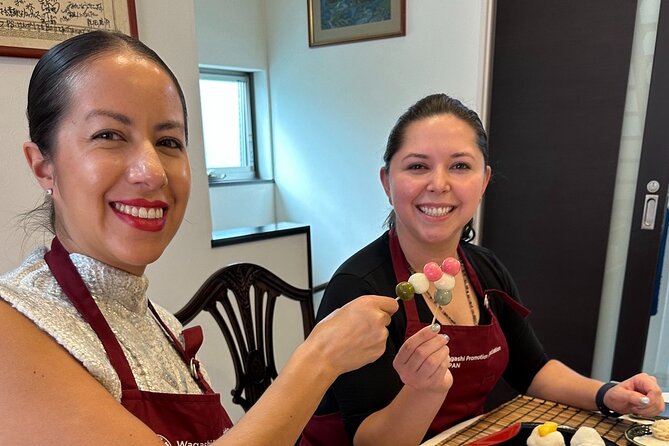
This class isn’t “bring your own everything.” You’ll get a few helpful items right away: an apron, a hand towel, and special tools for wagashi making, plus a special box for takeaway and drinking water.
Plan to dress comfortably. You’ll be kneading and shaping. You don’t need chef gear, but you do want sleeves that won’t fight you the whole time.
Also, you’ll want to factor in timing and travel. The class ends back at the meeting point, and it’s near public transportation, but private transportation isn’t included. If you’re staying far from Ota City, give yourself enough time to get there without stress. In a home lesson, being late isn’t just annoying. It can cut into the hands-on stages.
One more small detail that can help your experience: the provider notes you can receive a Japanese gift as a souvenir. That’s a nice bonus when you’re already leaving with a takeaway box.
The mochi and history lesson: learning the why, not just the how
Before you start shaping sweets, you’ll get context. You’ll learn the history of mochi and how it’s prepared and eaten in different ways. That sounds like “extra talking,” but it actually helps you understand what you’re doing with the dough.
Mochi is one of those foods that people recognize, but don’t always understand. When you learn the background, you stop treating it like a one-note rice ball. Instead, you see why it shows up in different forms—stretched, molded, skewered, filled, and paired with tea.
You’ll also learn how to make mochi using glutinous rice flour. Then the mochi becomes your base ingredient for the sweets you’ll create next. This structure is practical: you build one core skill, then repurpose it into multiple desserts.
If you like food classes that connect craft to culture, this part is a real value-add.
Making mochi into strawberry daifuku and dango skewers
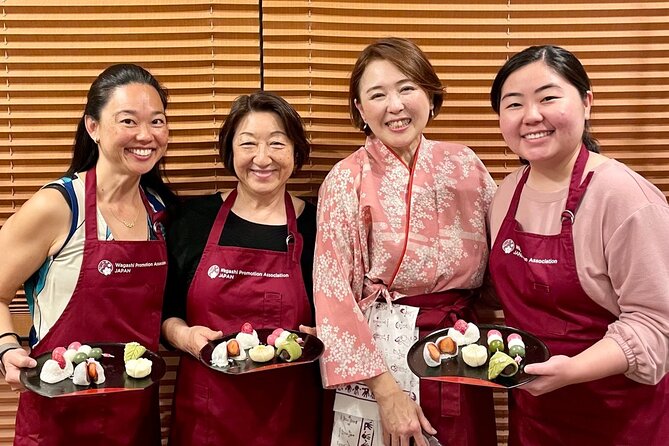
After learning the mochi, you’ll put it to work. Your lesson includes making mochi-based sweets in two very different styles: daifuku and dango on skewers.
Strawberry daifuku (with a seasonal fruit swap)
You’ll make strawberry daifuku. There’s a thoughtful catch: if strawberries aren’t in season, the filling switches to pineapple or kiwi. That means the class can stay authentic to the calendar, not locked to one specific ingredient.
For you, that’s useful. It helps you plan your own recreations later. If you’re making this at home outside strawberry season, you won’t feel like you’re missing something. You’ll already know the class’s practical substitute.
You can also read our reviews of more tours and experiences in Tokyo





Dango on skewers
Then you’ll learn to form dango and skewer them. Dango is mochi in a different personality: smaller, rounder, and made for bite-size snacking. It’s also one of the easiest ways to see how the same dough can become totally different desserts depending on shape and presentation.
The lesson format also emphasizes simplicity. The materials and recipes are described as simple and easy to recreate, which is exactly what you want if you’re buying this class to gain confidence for the next time.
Nerikiri wagashi: seasonal motifs, guided shaping, and a video tutorial
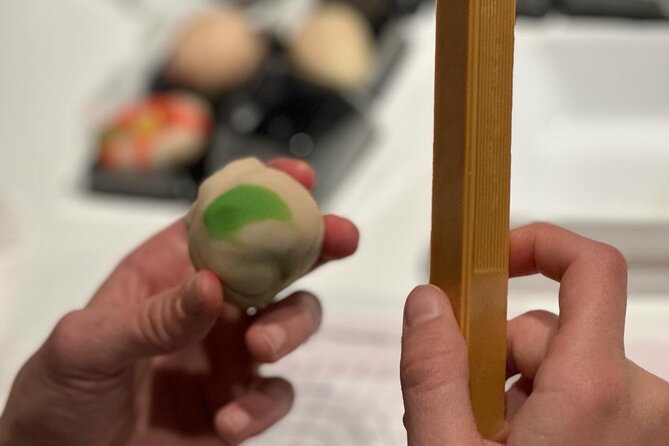
Now for the part many people book for: nerikiri wagashi. This is where you feel the craft element most. Nerikiri relies on molded dough and design—traditional sweets that often reflect the season.
You’ll make two kinds of nerikiri wagashi, and the motifs change with the season. In other words, you’re not just learning a generic shape. You’re learning how to translate a seasonal theme into dough form.
Here’s an important detail for stress-free learning: the dough is made and colored in advance. During the class, you focus on shaping and forming the motif. You also have access to a tutorial video so you can follow along step-by-step.
That setup helps beginners a lot. If you’re worried you won’t be able to pull off the look, the class design reduces the hardest variables. You’re not starting from raw coloring and complicated processes. You’re shaping something that’s ready for your hands.
And the payoff is real: when you shape the dough into a seasonal motif correctly, you get that unmistakable nerikiri look where the sweetness feels like mini art.
Matcha time: taste what you make
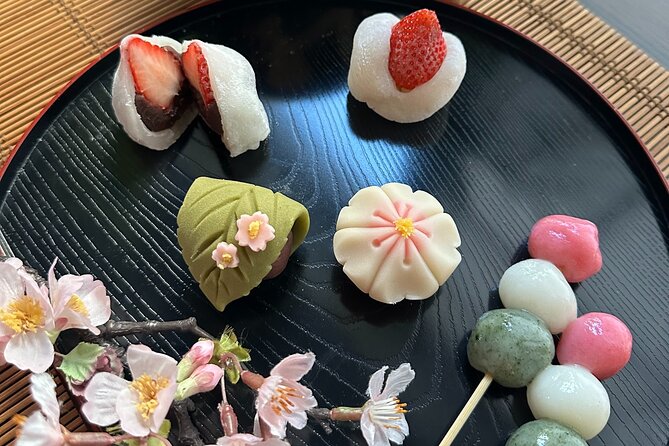
After the shaping and crafting, you’ll taste what you made with matcha green tea. You’ll also make the matcha yourself with guidance, which is a big part of why this class feels complete. You’re not just eating dessert. You’re pairing it the way wagashi is often enjoyed.
Then you get a choice. You can either eat everything during class, or take it with you in the included special box. That’s useful if you’re heading back to your hotel afterward or meeting friends later.
In a practical sense, the takeaway box also protects your effort. Nerikiri and daifuku can be delicate. Having proper packaging helps your sweets arrive looking as good as they did when you finished shaping them.
Satoko’s teaching style and the little extras that improve your results
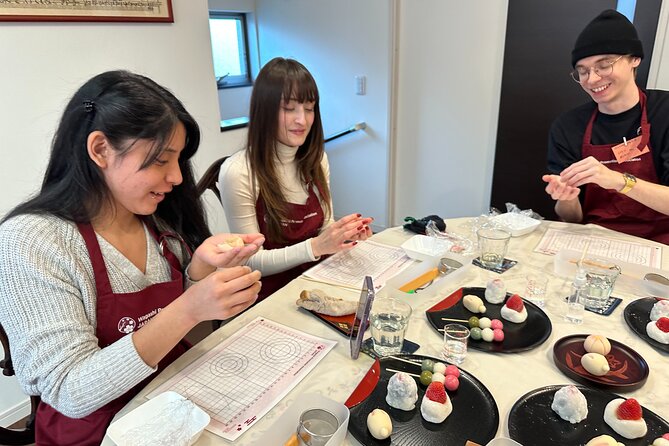
The instructor, Satoko, comes through in the way she runs the lesson. From the class atmosphere to the feedback, the emphasis is on being kind and patient.
One of the most memorable details in the experience is photography support. Satoko takes great pictures during the process and helps you with plating so the sweets look good in photos, not just in taste. That matters more than people think. A wagashi class is partly about craft, and craft is easier to repeat when you can see your own progress clearly afterward.
It also adds an emotional layer. You’re in a home setting, so it feels more personal. You’re not treated like a number in a factory. You’re treated like someone learning a skill.
Price and value: what $85.66 buys you in Tokyo terms
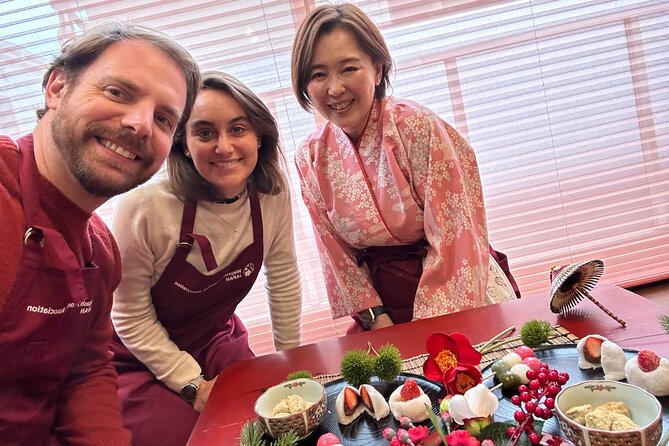
At $85.66 per person, this class isn’t a bargain in the way a street snack is. But it’s priced like what it is: a private in-home cooking class with hands-on instruction and multiple outputs.
Here’s what you get that justifies the cost:
- You make three types of mochi/wagashi items: strawberry daifuku (with seasonal fruit swap), dango, and two kinds of nerikiri
- You get matcha as part of the lesson, not an optional add-on
- You receive key supplies: apron, hand towel, special tools, and a takeaway box
- You’re in a private group setting, which usually means more attention per person than a standard group class
Value is also about what you can reproduce later. The class specifically notes the recipes are simple and the ingredients are plant-based and easy to find, so you can practice after you return home. That’s a big deal. A cooking class is only expensive if you never use it again.
One more value signal: the lesson has group discounts and uses a mobile ticket, and it’s often booked about 51 days in advance on average. High demand usually means people find it worth their time.
Dietary notes: vegetarian-friendly and plant-based by design
If you eat vegetarian, this is a safer bet. The class notes the ingredients are plant-based, so it’s appropriate for vegetarians too.
That’s not just a label for safety. It also makes the lesson easier to follow. When you’re focusing on technique—mochi consistency, shaping, and motif design—you don’t want the stress of figuring out substitutions during the class.
If you’re traveling with dietary limits, this is one of the reasons it’s worth reading the details before booking. Here, the class is explicitly framed as plant-based and suitable for vegetarians.
Who should book this mochi and nerikiri class
This tour suits you best if you want:
- Hands-on wagashi skills you can repeat later
- A calmer Tokyo experience with personal attention
- Craft that changes by season, like nerikiri motifs
- A food class that includes matcha and not just sweets
It might not be your best match if:
- You have a strong cat allergy. Two short-haired cats stay in the bedroom during the lesson
- You’re expecting transportation to be provided door-to-door. Private transportation isn’t included
If you’re traveling with friends or want a private vibe for a special trip, the private group nature makes it feel more like a tailored workshop than a standard activity.
Should you book this mochi and nerikiri wagashi class in Tokyo?
Book it if you want a meaningful Tokyo food experience that mixes craft, culture, and results. The biggest strengths are the in-home setting, the private attention, and the fact you leave with multiple items you made yourself: daifuku, dango, and nerikiri wagashi plus matcha.
Skip or reconsider if cats are an issue for you, since the home environment includes two cats during lessons.
If your goal is to learn a skill you can recreate at home, this class is built for that. You’re not just tasting. You’re shaping, learning the history behind mochi, and getting guided practice with a takeaway-ready finish.
FAQ
How long is the Mochi and Nerikiri Wagashi combination cooking class?
It runs for about 2 hours 30 minutes.
Is this class private?
Yes. It’s listed as a private tour/activity, so only your group participates.
What sweets will I make during the class?
You’ll make three types of Japanese sweets: strawberry daifuku (or a seasonal fruit alternative), dango, and two kinds of nerikiri wagashi.
What if strawberries are out of season?
If strawberries aren’t available, the daifuku filling uses pineapple or kiwi instead.
Do I eat the sweets during the class or take them home?
You can do either. You can taste your creations with matcha during the class, or take them in a special box.
Are the ingredients vegetarian-friendly?
Yes. The class notes the ingredients are plant-based, making it appropriate for vegetarians.
Is transportation included?
No. Private transportation isn’t included, though the meeting point is near public transportation.