REVIEW · TOKYO
Ninja Lesson in Tokyo – 1 Hour Hands-On with Japanese Master
Book on Viator →Operated by NINJA INTERNATIONAL Inc. · Bookable on Viator
Ninja training in Tokyo is unexpectedly fun. You’ll get traditional-style practice in English plus a small group of up to 6 that keeps you close to the instructor and moving the whole hour. You’ll also try on ninja clothes and get photo-ready in full character.
The main trade-off: this is only about 1 hour, so if you’re hoping for lots of time with every weapon, the shorter session may feel like a focused intro rather than a full weapons course.
In This Review
- Key things you’ll notice
- Ninja Lesson in Tokyo: what the experience actually feels like
- Small group size (max 6) and why it’s better value
- The 1-hour flow: from Kuji-In meditation to weapons training
- 1) Ninja meditation Kuji-In
- 2) Introduction to ninja weapons and tools
- 3) Ninja trick house intro gimmick
- 4) Demonstration and hands-on training (sword, shuriken, blow darts)
- Ninja gear photos: included cost you’ll actually appreciate
- Weapons without the intimidation: how it stays beginner-friendly
- Language and instructor communication: what to expect in English
- Location and timing: where to go at 4:00 pm
- What’s included (and what isn’t) so you can plan smart
- Weather, timing, and group minimums: small details that matter in Tokyo
- Who should book the Ninja Lesson in Tokyo?
- Should you book it? My straight answer
- FAQ
- How long is the Ninja Lesson in Tokyo?
- What do you practice during the lesson?
- Is it taught in English?
- Does the price include the ninja outfit?
- Where does the lesson start?
- What if the weather is bad or I need to cancel?
Key things you’ll notice
- Up to 6 people means more face time and more hands-on coaching
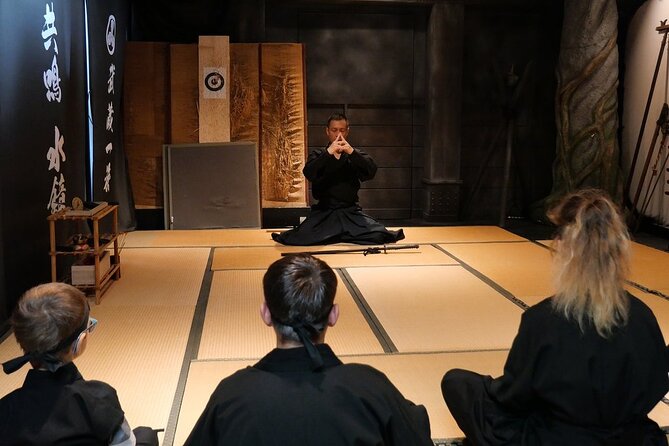
- Kuji-In ninja meditation gives you a real foundation, not just stunts
- Weapon stations cover ninja sword, shuriken, and blow darts training
- Ninja uniform rental makes it easy to show up and look the part
- A small-group vibe works well for couples, families, and solo travelers
- Mobile ticket + near public transport keeps logistics simple for Tokyo
Ninja Lesson in Tokyo: what the experience actually feels like
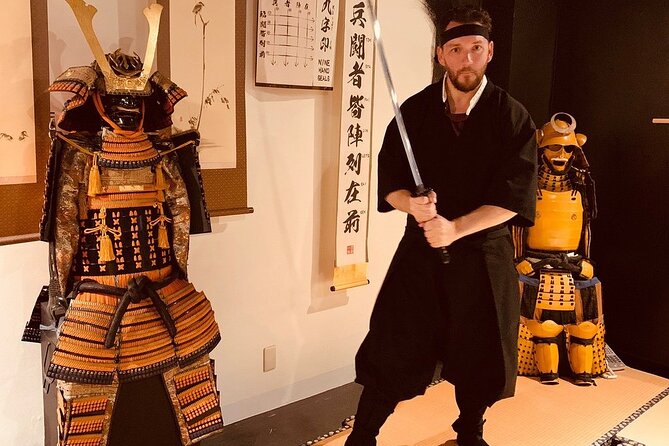
This is a one-hour Ninja lesson designed to be active from the start. You arrive, watch a demonstration, then you’re taught the basics in an authentic training style—by a Japanese sensei master—followed by hands-on technique practice. It’s the kind of activity that doesn’t require a “how tough are you?” mindset. It’s more about attention, control, and learning how techniques are taught.
What makes it different from a quick photo stop is the structure: you don’t just grab gear and swing something. The class includes meditation (Kuji-In), an introduction to tools and weapons, and training that aims to keep your movements correct. That matters, especially if you’re traveling with kids or you want something you can point to as a true cultural activity, not just entertainment.
Also, the class size is capped at 6. That’s a huge deal in a skills-based lesson. In a bigger group, you might wait your turn. Here, the instructor has more time to correct your form and keep you safe.
You can also read our reviews of more tours and experiences in Tokyo



Small group size (max 6) and why it’s better value
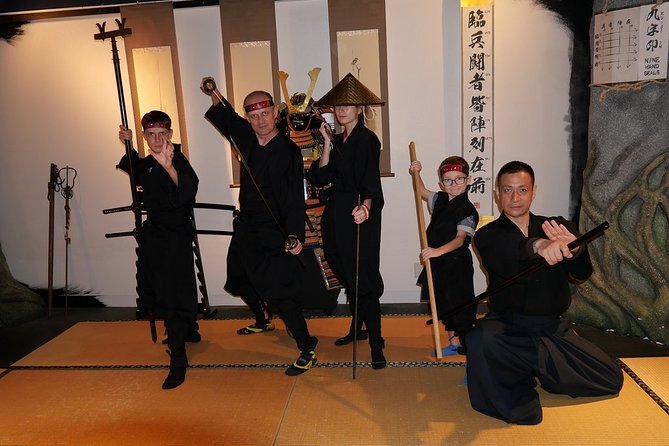
For $82.56 per person, you want your money to translate into actual instruction. The smaller group size is the clearest sign that the price is being used well. When only a handful of people are in the class, you get more direct coaching and less standing around.
It’s also easier to ask questions. With up to 6 travelers, you can raise a practical point—about posture, handling technique, or what to focus on—without feeling like the class steamrolls forward. That’s exactly what you want in a hands-on activity in Tokyo, where many experiences are either too crowded or too rushed.
The “value” angle here is simple: you’re paying for guided practice in a themed skill set, not just for access to a venue. Clothes rental is included, and the instruction is in English, so you’re not left guessing what you’re supposed to do.
The 1-hour flow: from Kuji-In meditation to weapons training
The schedule is built like a training progression. You don’t jump straight into weapons. You start with mental and physical discipline, then you move toward practical technique.
1) Ninja meditation Kuji-In
You’ll begin with Kuji-In ninja meditation. Even if you’ve never done anything like this, it’s useful. Meditation in a class like this sets the pace. It helps you slow down, focus, and follow instructions without trying to power through.
This also makes the experience more than “cool weapon time.” You learn that ninja training includes mindset, not just motion.
2) Introduction to ninja weapons and tools
Next comes introductions—how to think about the tools and what they’re used for. This step matters because it gives you a mental map before you handle anything.
Even if you’re a complete beginner, this kind of framework makes the later practice easier. You’re not only copying movements; you understand what you’re aiming to do.
You can also read our reviews of more tours and experiences in Tokyo



3) Ninja trick house intro gimmick
You’ll also get an introduction connected to a ninja trick house gimmick. It’s a fun, themed bridge between the training and the demonstrations. The goal isn’t just surprise—it helps keep the class entertaining while still grounded in the training theme.
4) Demonstration and hands-on training (sword, shuriken, blow darts)
Then the class moves into the core practice:
- Ninja sword training
- Shuriken (ninja star) training
- Ninja blowgun (blow darts) training
After watching a demonstration, you practice the techniques in a way that’s guided and corrected. This is where the small group helps most. You’re not just going through motions; you’re getting feedback on how to do it properly.
One thing to watch: the experience is listed as 1 hour. Some people find the shorter format can be tight, and sword time may not feel as extensive as longer options. If sword-focused practice is your top priority, you might consider going for a longer session instead of the one-hour class.
Ninja gear photos: included cost you’ll actually appreciate
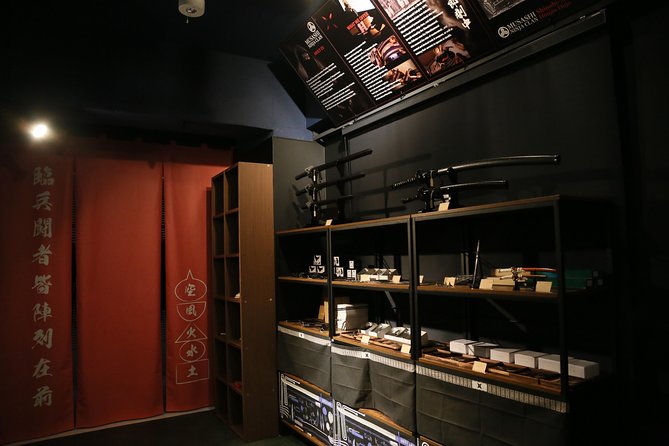
A big part of the fun is dressing the part. Ninja clothes are rented for you during training. That means you don’t have to worry about finding costume gear or packing it.
You also get photo opportunities while you’re in full outfit. These aren’t just quick snaps; the class includes the look-and-feel moment, which is a big reason this activity works as a memorable Tokyo evening plan for families and couples.
Practical tip: wear something comfortable under the outfit. One helpful piece of advice you’ll often hear for this kind of gear is to come in workout clothes so your movement feels natural once you’re dressed.
Weapons without the intimidation: how it stays beginner-friendly
The class is advertised as suitable for most travelers, and the tone of the training is built for learning. You’ll be guided step by step, including how to handle the weapons. You’re not expected to already know ninja skills.
Also, because you’re working in a controlled, structured lesson, the experience usually feels more like a dojo class than an adrenaline game. Even when something is challenging, it’s manageable—more “practice and improve” than “survive the workout.”
The blow darts portion tends to be a crowd-pleaser because it feels precise. And shuriken practice brings the satisfaction of technique, not brute force.
Language and instructor communication: what to expect in English
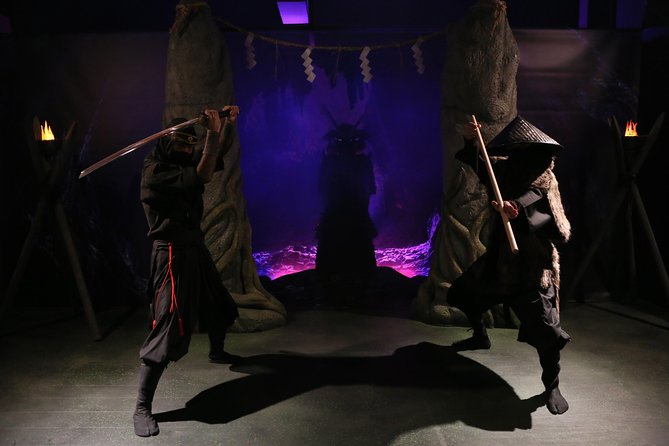
The instruction is in English from a Japanese sensei master. In a hands-on class, that’s crucial: you need clear directions to get safe, correct technique.
From the feedback you can expect in this type of Tokyo experience, English is generally understandable and supportive. Still, don’t assume every explanation will be perfect every time. If you’re nervous about your English, you’ll still do fine because the lesson is visual and practical, not purely lecture-based.
Your best approach: listen for the key technique cues, watch the demonstration, then focus on doing the steps exactly as shown.
Location and timing: where to go at 4:00 pm
This activity meets at NINJA SAMURAI TOKYO in Koto City, Shiomi:
- Address: 2-chome 39 Bayfrere Shiomi, East 4F
- Start time: 4:00 pm
- The tour ends back at the meeting point
- It’s near public transportation, so you’re not stuck with a long taxi journey
Because the session is in the afternoon, it’s a good option when you want something active before dinner or as your evening anchor plan.
What’s included (and what isn’t) so you can plan smart
Included:
- Learn ninja arts in English from a Japanese sensei master
- Ninja clothes rental during training
- Admission fee
Not included:
- Bottled water
- Private transportation
So plan to either bring your own water or buy it nearby. Also, wear comfortable clothes under the costume gear so you can move easily when it’s time to practice.
Weather, timing, and group minimums: small details that matter in Tokyo
This experience requires good weather. If it’s canceled due to poor weather, you’ll be offered a different date or a full refund. Tokyo weather can change fast, so it’s smart to check conditions the day you book.
There’s also a minimum traveler requirement. If the minimum isn’t met, the activity may be rescheduled or refunded.
Cancellation is free up to 24 hours in advance for a full refund, which gives you flexibility if your plans shift.
Who should book the Ninja Lesson in Tokyo?
This is a strong choice if you want:
- A hands-on Tokyo experience with a real instructor
- A fun family activity that still teaches discipline (not just crafts and photos)
- A change of pace from temples and shopping
- Something couples can do that’s interactive without needing specialized fitness
It’s also great for solo travelers because the small group keeps it from feeling intimidating. You’ll get a chance to participate directly rather than watching from the sidelines.
If you’re mainly after the maximum amount of sword training in one go, consider whether the 1-hour format matches your goals. The shorter session is ideal for a focused intro, but it may not feel like an entire weapons course.
Should you book it? My straight answer
Book this Ninja Lesson in Tokyo if you want an entertaining, structured class where you learn the basics and leave with technique practice plus great outfit photos. The experience holds a 4.9/5 rating and a 98% recommend rate across 52 ratings, which usually means the lesson consistently delivers what it promises.
Skip or adjust expectations if you need a long, deep training track. The 1-hour timing can feel tight—especially if sword practice is your top goal. In that case, you may want to look for a longer option.
If you do book it, plan to dress for movement, bring water, and arrive ready to learn. This isn’t just acting like a ninja. It’s learning how the training style is taught, one step at a time.
FAQ
How long is the Ninja Lesson in Tokyo?
The class runs for about 1 hour.
What do you practice during the lesson?
You’ll cover ninja meditation (Kuji-In), receive an introduction to ninja weapons and tools, then do demonstration and training for a ninja sword, shuriken (ninja stars), and a ninja blowgun (blow darts).
Is it taught in English?
Yes. Instruction is provided in English by a Japanese sensei master.
Does the price include the ninja outfit?
Yes. Ninja clothes rental during training is included.
Where does the lesson start?
It starts at NINJA SAMURAI TOKYO at 2-chome 39 Bayfrere Shiomi, East 4F, Koto City, Shiomi. The start time is 4:00 pm, and the activity ends back at the meeting point.
What if the weather is bad or I need to cancel?
The experience requires good weather. If canceled due to poor weather, you’ll be offered a different date or a full refund. You can cancel for a full refund up to 24 hours before the start time.