REVIEW · TOKYO
Japanese Katsu Curry Cooking Class–near YANAKA, Tokyo!
Book on Viator →Operated by YUZU WASHOKU STUDIO · Bookable on Viator
Cooking curry from scratch feels like a Tokyo secret you can actually keep. In a small-group class at YUZU WASHOKU STUDIO near Yanaka, you learn to build Japanese curry roux yourself and fry tonkatsu to a crisp, golden finish. I love the hands-on control this gives you, and I also love the practical coaching from the home chef, Yuki, who makes Japanese home cooking feel doable.
The best part is that you are not just following steps—you are learning why the steps work. You also get a full meal setup: curry rice, tonkatsu, and a seasonal vegetable side dish, plus green tea, in a calm residential neighborhood that feels like real everyday Tokyo.
One thing to plan for: there is no hotel pickup, so you’ll want to get yourself to the meeting point by train and then walk a bit. If you hate transit, this class may feel like more work than expected, even though the payoff is a proper lunch and real skills.
In This Review
- Key Highlights You’ll Actually Use at Home
- A Small-Group Cooking Class With a Neighborhood Feel
- Finding YUZU WASHOKU STUDIO Near Yanaka (and Why Location Matters)
- The Early Lecture: Home Cooking Mindset and a Tokyo Orientation
- Curry Roux From Scratch: Custom Flavor Starts Here
- Tonkatsu Frying: Crisp, Golden, and Actually Repeatable
- A Seasonal Vegetable Side Dish (Because Curry Needs Partners)
- Lunch Setup: Curry Rice, Tonkatsu, Tea, and the Satisfaction of Finishing
- How the Small Group Works in Real Life
- Vegetarian Options and Ingredient Swaps (Tell Yuki Early)
- Price and Value: What $111.67 Buys You Here
- Who Should Book This Class (and Who Might Not)
- Should You Book This Katsu Curry Class?
- FAQ
- What is the duration of the Japanese Katsu Curry cooking class?
- Where do I meet, and what time does the class start?
- What’s included in the lunch?
- Do you make the curry roux from scratch?
- Can I request vegetarian options or substitutions for tonkatsu?
- Is hotel pickup included?
- How large is the group?
Key Highlights You’ll Actually Use at Home
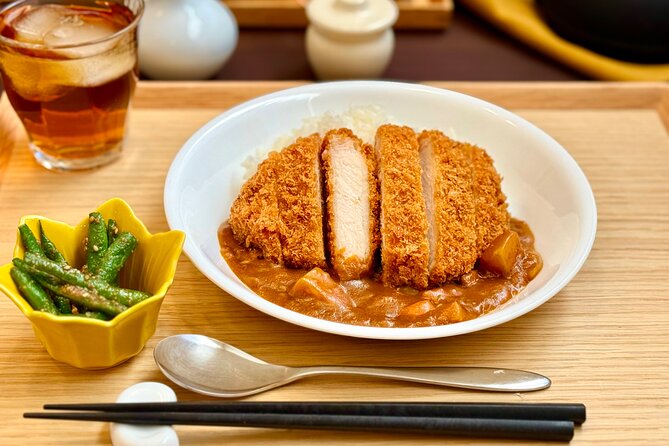
- Curry roux from scratch (no store-bought cubes or premade roux).
- Tonkatsu frying technique aimed at that crisp, golden-brown result.
- Seasonal vegetable side dish made alongside the main dishes.
- Small group max of 6, so you get attention instead of watching from the sidelines.
- Customizable for dietary needs with advance notice (vegetarian options and meat swaps like chicken or tofu).
A Small-Group Cooking Class With a Neighborhood Feel
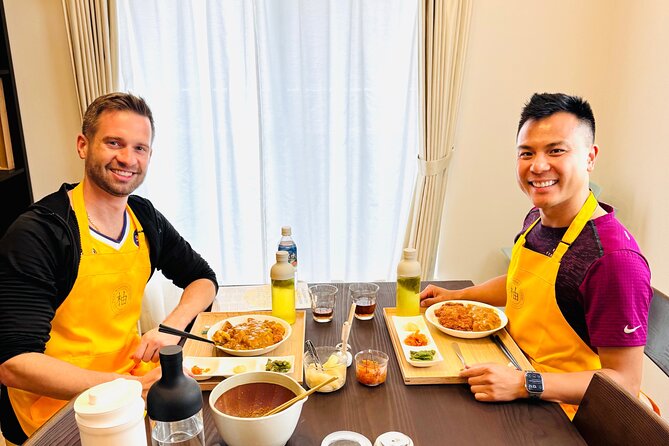
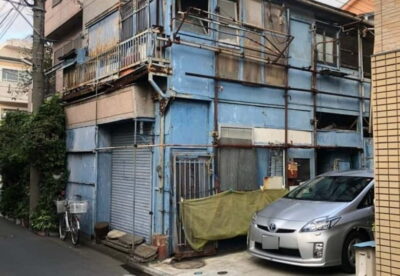
This is the kind of Tokyo experience that doesn’t try to impress you from a distance. You meet at YUZU WASHOKU STUDIO in Arakawa City, close to Yanaka, an old downtown area known for quieter streets and local daily life. The studio itself is set up for cooking, not theater—so you can expect hands-on work, not just a demonstration.
The class runs about 2.5 hours, and the group stays small (up to 6 people). That matters because curry and tonkatsu are timing-sensitive tasks. When the group is limited, you can ask questions while you are actually frying or simmering, and you are less likely to feel lost at the exact moment you need help.
And because this is in a residential setup, the vibe stays grounded. You’re learning in a kitchen that feels like someone’s real home cooking space, not a showroom.
You can also read our reviews of more cooking classes in Tokyo


Finding YUZU WASHOKU STUDIO Near Yanaka (and Why Location Matters)
You’ll meet at 1-chōme-58-4 Nishinippori, Arakawa City, Tokyo 116-0013 with a 10:00 a.m. start. It’s near public transportation, but there is no hotel pickup, so you’ll need to handle the commute yourself.
That sounds minor, but it’s part of the value. Taking transit to Yanaka is a simple way to experience more than just the main sights. You get the feeling of getting to where locals cook and eat, not just where tourists gather for photos.
If you enjoy small walking breaks and the comfort of well-connected trains, you’ll likely enjoy this part more than you expect. If you’re traveling with mobility limits or you hate train navigation, it’s worth thinking twice and planning extra time.
The Early Lecture: Home Cooking Mindset and a Tokyo Orientation
The class starts with a short lecture about Japanese home cooking and a Tokyo guide. This isn’t a long history lesson. It’s more like the kitchen version of getting your bearings fast—how Japanese cooks think about everyday ingredients, flavors, and technique.
You also get context that helps your hands make sense of what your brain is learning. When people jump straight into cooking without a quick framework, it’s easy to treat the steps like magic. Here, the teaching aims to show you how to interpret the process as something you can repeat later.
Curry Roux From Scratch: Custom Flavor Starts Here
The core skill in this class is making Japanese curry roux from scratch. You’ll cook without relying on store-bought roux cubes, which is the difference between a generic result and a curry that actually tastes like you.
When you make your own roux, you control the direction of flavor:
- You can lean richer or lighter based on your cooking approach.
- You can adapt to what ingredients you can find where you live.
- You’re not trapped by pre-made blends that might not match your taste.
You’ll also get practical guidance on substitutions for ingredients you might not find back home. That detail matters more than it sounds, because curry is all about balance, and substitutions can easily go wrong if you swap without thinking.
This is the kind of training that pays off the next time you want curry for an ordinary weeknight. Instead of guessing, you’ll remember the texture and cooking logic that created the roux in your class kitchen.
Tonkatsu Frying: Crisp, Golden, and Actually Repeatable
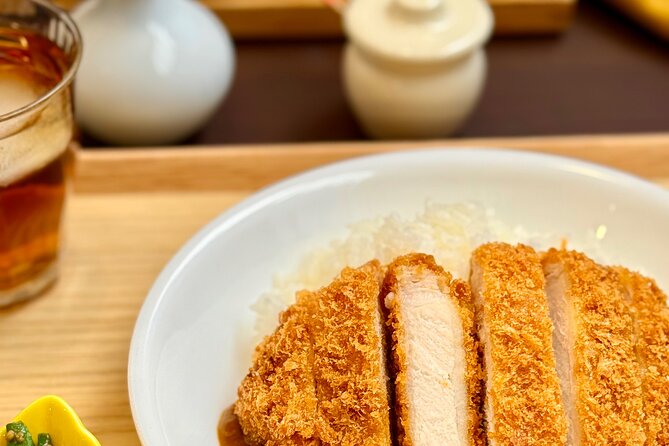
After you’re comfortable with the curry base, the class turns to tonkatsu. Tonkatsu is typically made with pork, but this experience is flexible: upon request made in advance, the cooking can use substitutes like chicken or tofu.
The focus is frying tonkatsu until it turns crispy and golden-brown. That sounds simple, but the difference between good and great tonkatsu is timing and temperature management—plus how you handle the coating so it stays crisp.
A big win here is that you’re learning the technique in a guided setting. You’re not just being told what to do; you’re working while the home chef can steer you. That kind of feedback helps you lock in results you can reproduce.
You’ll also learn how tonkatsu fits into the overall meal flow. Japanese curry and tonkatsu taste best when the components are at the right moment—curry is warm and comforting, while tonkatsu stays crisp.
You can also read our reviews of more tours and experiences in Tokyo


A Seasonal Vegetable Side Dish (Because Curry Needs Partners)
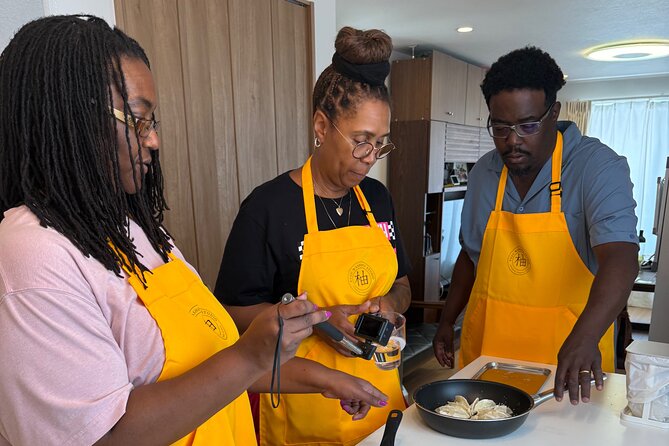
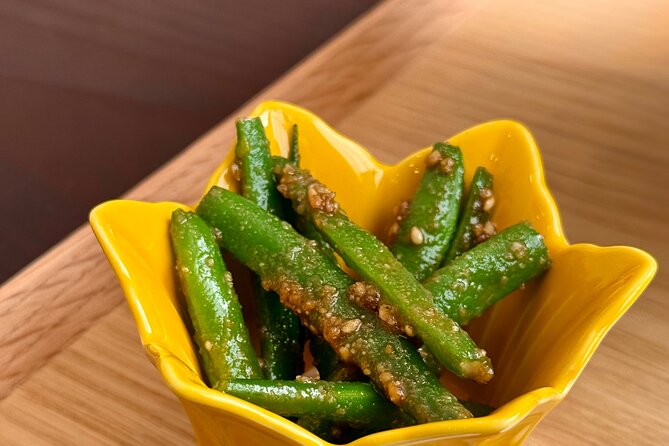
You’ll also prepare a refreshing seasonal vegetable side dish during the class. The exact vegetables can change depending on the season, which is honest and realistic. In Japan, this is part of how meals stay fresh through the year.
This side dish does more than add color. It balances the richness of curry and the fried crunch of tonkatsu. You get a lesson in how Japanese home meals often play with contrast: savory comfort plus something lighter to keep everything feeling clean and satisfying.
Even if you’re not a huge vegetable person, the side dish is a useful takeaway because it shows how to build a plate that feels complete, not just assembled.
Lunch Setup: Curry Rice, Tonkatsu, Tea, and the Satisfaction of Finishing
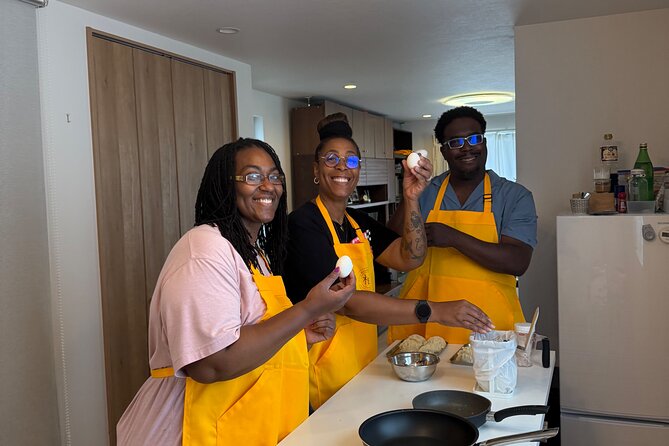
The class includes lunch: Japanese curry rice, tonkatsu, and the seasonal vegetable side dish, plus green tea and water. You’re not eating food you watched someone else plate. You cook it and then you sit down to enjoy what you made.
That matters. Cooking classes sometimes end with a tasting that feels rushed. Here, the structure supports a proper meal, which makes the whole experience feel like a complete Japanese home-cooking session rather than a skills workshop.
You also receive a rental apron and hand towel, which keeps things practical. You’re free to focus on technique instead of worrying about what you’re wearing or bringing.
How the Small Group Works in Real Life
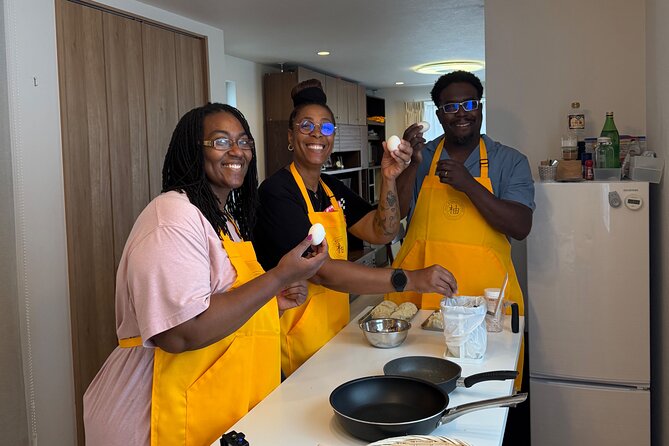
With a maximum of 6 travelers, you should expect more direct attention than larger group cooking sessions. In practical terms, this reduces waiting time. In curry work, you can lose steam if you have to wait while the pot bubbles unattended. In frying work, you need guidance while things are actively happening.
The best part of a small group for me is that questions don’t pile up. If you’re unsure about texture or timing, you can ask before the mistake locks in. That is how you leave with confidence, not just a full stomach.
Vegetarian Options and Ingredient Swaps (Tell Yuki Early)
If you have dietary needs, this class is set up to handle them, as long as you plan ahead. Vegetarian options are available when you tell the provider at reservation. Tonkatsu is typically pork, but it can be substituted with chicken or tofu if you request it in advance.
The class also notes that you should let them know about allergies and special dietary needs, including options like gluten-free or halal. What you can expect in practice is this: the cooking is designed to be adapted, but your communication beforehand matters.
If you are gluten-sensitive, have allergies, or follow a specific diet, don’t leave it to chance. Message your needs clearly during booking so the kitchen can plan. This kind of planning is what turns an adapted meal from stressful to smooth.
Price and Value: What $111.67 Buys You Here
At $111.67 per person for about 2 hours 30 minutes, you’re paying for more than a meal. You’re paying for instruction, ingredient use, a guided curry roux process, tonkatsu frying coaching, and a full sit-down lunch with tea.
This value lands best if you want actual technique—not just flavor tasting. Curry roux from scratch and tonkatsu frying are skills that take practice to get right. A structured lesson with a home chef means you start from better assumptions and waste fewer ingredients.
The class is also limited to a small group, which supports the price. Larger group tours often spread attention thin. Here, you’re more likely to get targeted help while you’re working.
Who Should Book This Class (and Who Might Not)
This class is a great match if you:
- Want to learn Japanese curry roux from scratch, not copy a box taste.
- Care about frying technique and want tonkatsu to come out crisp.
- Like a meal that feels truly Japanese home-style, with seasonal balance.
- Prefer small groups and hands-on cooking.
You might skip it if:
- You don’t want to handle transit to the meeting point on your own.
- You’re expecting a flexible “watch and snack” format rather than active cooking.
If you’re a foodie who enjoys practical skills, you’ll likely get exactly what you want: a comfort food lesson with real method, not just a fun lunch.
Should You Book This Katsu Curry Class?
Yes, if you want a hands-on Japanese comfort-food experience you can repeat. The combination of curry roux made from scratch, tonkatsu frying coaching, and a complete included meal makes this feel like more than a one-off activity.
Also, the setting matters. Cooking in a residential neighborhood near Yanaka gives it a calmer, more everyday feel than classes that happen in tourist-heavy zones. Just plan to get yourself to the studio and don’t leave dietary details vague.
If you do that, you’ll come away with skills, confidence, and a lunch you helped build—plus the satisfaction of knowing the curry was created from the base up.
FAQ
What is the duration of the Japanese Katsu Curry cooking class?
It runs for about 2 hours 30 minutes.
Where do I meet, and what time does the class start?
You meet at 1-chōme-58-4 Nishinippori, Arakawa City, Tokyo 116-0013, Japan, and the start time is 10:00 a.m.
What’s included in the lunch?
The class includes Japanese curry rice, tonkatsu, a seasonal vegetable side dish, and green tea and water. You’ll also get a rental apron and hand towel.
Do you make the curry roux from scratch?
Yes. The class teaches you to make Japanese curry roux from scratch without using store-bought roux.
Can I request vegetarian options or substitutions for tonkatsu?
Yes. Vegetarian options are available if you let them know in advance. Tonkatsu is typically made with pork, but it can be substituted with chicken or tofu upon request made during reservation.
Is hotel pickup included?
No, hotel pickup is not included. You’ll need to make your own way to the meeting point.
How large is the group?
The class has a maximum of 6 travelers.