REVIEW · TOKYO
Tokyo: Local Foodie Adventure near Roppongi
Book on GetYourGuide →Operated by Japan Hopping · Bookable on GetYourGuide
Tokyo can feel like one big sprint. This food walk slows you down on purpose, threading you through a quieter side of the city in Azabujuban, just a short hop from Roppongi. You’ll snack your way around the neighborhood’s street-level food culture, learn what shaped the area, and even visit real-life spots tied to Sailor Moon creator Naoko Takeuchi’s setting.
I especially like the mix of shrines and temples with full-on eating—good luck before you start chewing. I also like that the tour brings you through five different treats (not just one “famous item”), including choices like yakitori and mame daifuku. One catch: the food lineup can change day to day based on store availability, so keep your expectations flexible and go with the flow.
In This Review
- Key Things You’ll Remember
- Why Azabujuban Feels Like Tokyo’s Side Street
- Meeting at Azabujuban Station: Fast Start, No Guesswork
- Temples and Shrines for Good Luck (Before You Eat Everything)
- The 5 Treats: Yakitori, Mame Daifuku, Taiyaki, Oden, and More
- How the Food Stops Teach You Something, Not Just Feed You
- Shopping in Azabujuban: Gifts That Feel Like You Found Something Real
- Sailor Moon Fans: Real Azabujuban Spots Tied to Naoko Takeuchi
- Value Check: Is $71 a Good Deal?
- Group Size, Guide Style, and What Makes It Feel Personal
- Who Should Book This Azabujuban Food Adventure?
- Should You Book This Azabujuban Food Adventure?
- FAQ
- FAQ
- What is the meeting point for the tour?
- Where does the tour end?
- What’s included in the $71 price?
- Are additional food and drinks included?
- What kind of food treats can I expect?
- Is transportation included?
- What language is the tour in?
- How large is the group?
- What should I bring?
- Is the tour suitable for very elderly guests?
Key Things You’ll Remember

- Azabujuban over hype: a neighborhood most people skip, with 300+ shops that have kept going for decades
- Shrines/temples for good luck while you walk (not a museum stop, more like local rhythm)
- Five treat stops covering sweet and savory—yakitori, mame daifuku, taiyaki, oden, and more depending on the day
- Shopping for Azabujuban-specific gifts at unique stores
- Sailor Moon connections: real places that inspired Naoko Takeuchi’s manga setting
- Small group size (1–4), which means your guide can tailor stops and answer questions
Why Azabujuban Feels Like Tokyo’s Side Street
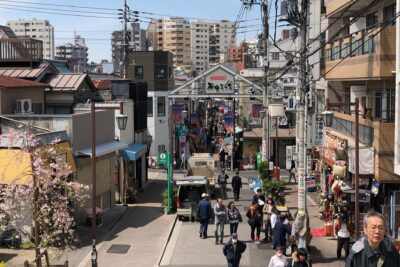
Azabujuban is the kind of place you notice only after you’ve slowed down. It’s described as cozy and tucked away near Roppongi, and the payoff is that it feels lived-in rather than performance-ready. You’re walking through a neighborhood with a long run of everyday commerce—think more local routine than tourist checklist.
The tour leans into that. You’re not just sampling food; you’re learning why this area works the way it does. The guide explains the town’s history and culture as you go, so the snacks land with context instead of feeling random. And it’s not only for food lovers. If you’re a Sailor Moon fan, you get the fun angle of seeing real-life places connected to Naoko Takeuchi’s setting.
One more thing: the small-group format matters here. In a tight group, you’re more likely to ask questions and get answers that actually fit what you’re seeing—like how a shop became part of the neighborhood’s personality.
You can also read our reviews of more tours and experiences in Tokyo



Meeting at Azabujuban Station: Fast Start, No Guesswork
You start at Azabujuban Station, Exit 4. The guide meets you in front of Oslo Coffee, with the Japan Hopping Tours logo visible. It’s a clear anchor point, which matters in Tokyo where “nearby” can mean a ten-minute walk in the wrong direction.
From there, the tour stays centered on walking around Azabujuban. You’ll want comfortable shoes, and you’ll want to be mentally ready for some steady movement through the neighborhood streets. The physical level is described as moderate—enough walking that comfortable footwear isn’t optional, but not a hike.
Also, transportation costs aren’t included. So if you’re coming from Roppongi, Asakusa, Shinjuku, or wherever your day starts, budget for getting yourself to Azabujuban Station on your own. The good news is the meeting point is simple.
Temples and Shrines for Good Luck (Before You Eat Everything)
A highlight of this experience is the time spent at local shrines and temples. The vibe here isn’t like visiting a single “big” landmark and rushing through photos. Instead, you’re walking and learning in a way that feels like you’re joining the neighborhood’s daily logic.
In Japan, shrine and temple stops often come with a purpose beyond sightseeing—good luck, respect, and a chance to slow your head down for a moment. On this tour, that pause is timed well because you’re about to eat. You’ll have a better sense of why the neighborhood’s culture feels grounded, especially once you connect those spiritual stops to what you’re seeing in the surrounding shops.
If you like practical meaning—places that have a role in everyday life—this section is the kind of stop that makes the whole tour feel more “Tokyo” and less like a snack circuit.
The 5 Treats: Yakitori, Mame Daifuku, Taiyaki, Oden, and More
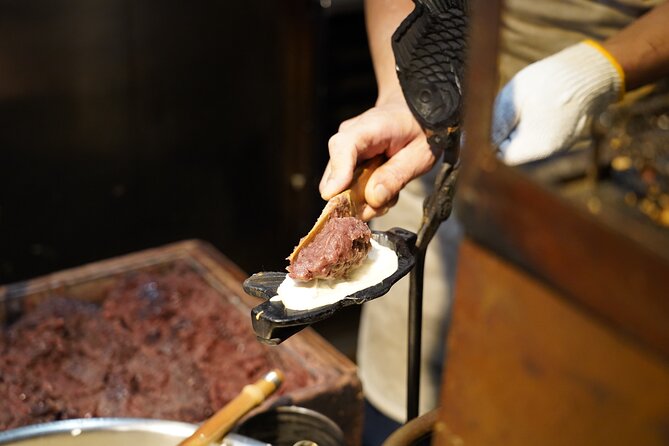
This is the heart of the day: five different Japanese treats, with the exact selection depending on the day and store availability. The tour is honest about that, and honestly, it’s part of the charm. Food tours in Japan run on what’s available, fresh, and ready, not just what fits into a scripted lineup.
Here are some of the treats you might encounter:
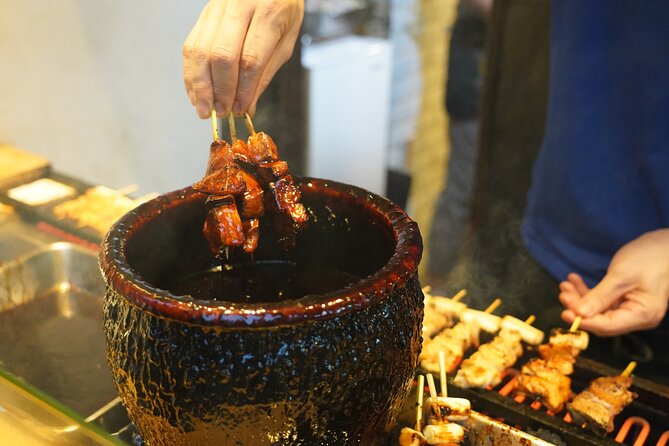
- Yakitori: savory skewers that match the neighborhood’s everyday street-food energy
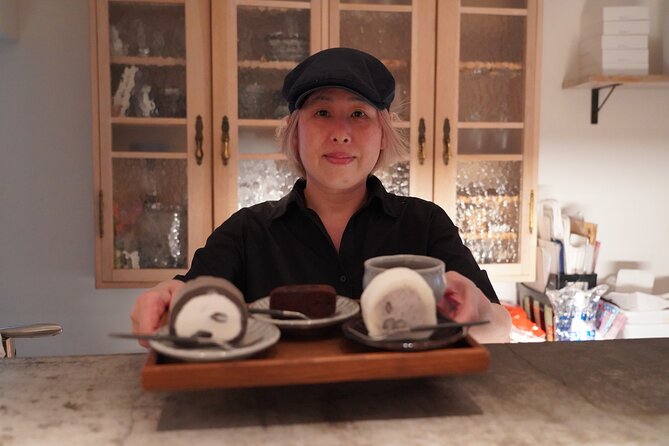
- Mame daifuku: a classic sweet made with bean paste—small, satisfying, and very Japanese in its flavor style
- Taiyaki (crispy versions are specifically mentioned): sweet fish-shaped cakes that hit that crunchy-on-the-outside, soft-inside pattern
- Homemade oden: savory comfort food, especially welcome when you want something warm and filling
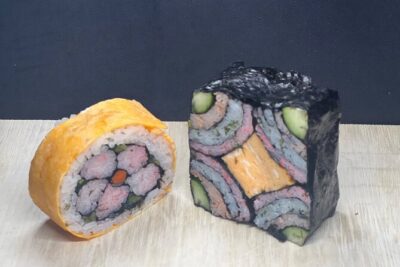
- Plus, you may also run into other bites like pastries, omelettes, and sushi depending on the day
One practical note that I think matters for planning: the tour says the food should be enough to fill you up. With five stops, you’re not just tasting crumbs. You’re likely to leave properly fed, even with room left for a gift or two you impulse-buy because Japan makes it hard not to.
Also included is 1 alcoholic beverage. If you drink, it’s a nice bonus without adding extra cost. If you don’t, just plan around the fact that alcohol inclusion is part of the package, even though the tour’s main focus is food.
And yes, the selection can change. That means you shouldn’t come thinking you’ll always get yakitori plus oden plus taiyaki. Instead, come ready to be flexible—and you’ll end up enjoying whatever is best that day.
How the Food Stops Teach You Something, Not Just Feed You
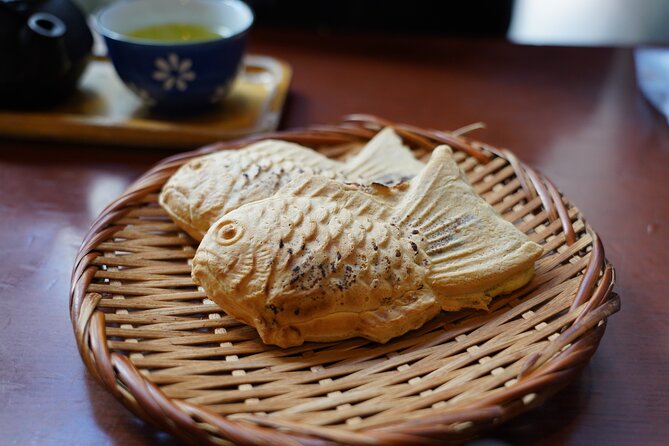
What makes this tour feel different is how the treats connect back to place. You’re not only asking what something tastes like; you’re learning why the neighborhood sells it and how it fits the local style of eating.
For example, a guide explaining the area’s history while you stand in front of small shops changes how you experience each snack. Yakitori becomes more than “grilled chicken on a stick.” It becomes a window into how casual meals work here. Sweet bites like mame daifuku don’t feel like random dessert stops. They feel like part of an everyday rhythm.
A standout element from the tour experience is the chance to meet and chat with local residents. That matters because it turns your day from consuming into understanding. Even short conversations can teach you how people think about their own neighborhood—what locals look for, what they consider normal, and what they’re proud to keep.



Shopping in Azabujuban: Gifts That Feel Like You Found Something Real
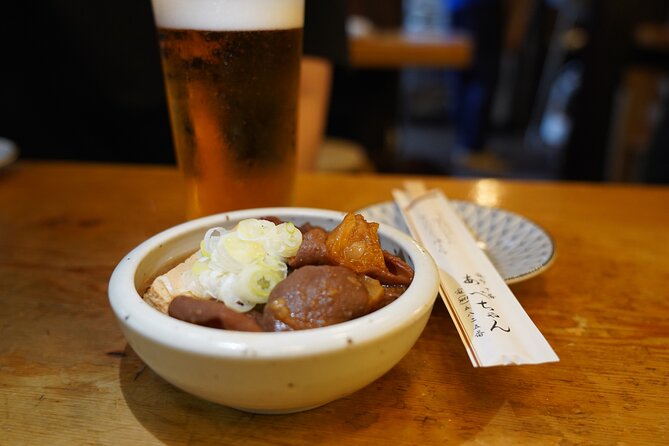
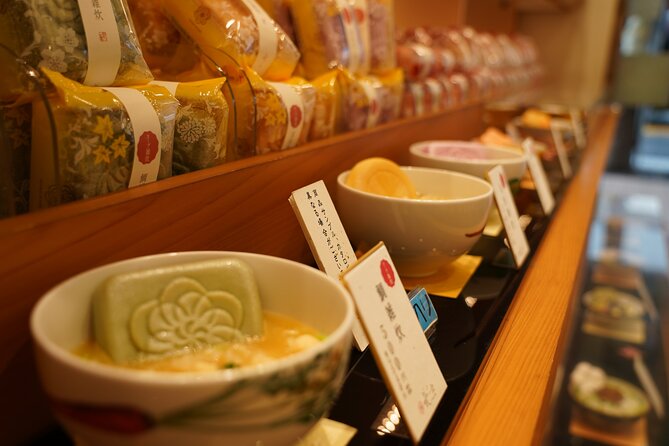
After (or alongside) eating, you’ll have time to shop at unique stores in Azabujuban. The tour frames this as part of the experience for a reason: it helps you take something home that matches the neighborhood’s character.
You’re looking for gifts you can’t easily buy in a generic souvenir aisle. The tour also notes that Azabujuban has over 300 shops that have stayed open for almost a century, so you’re not shopping in a modern theme-park zone. You’re browsing in an area built on continuity.
Practical advice: wear shoes you can stand in, and keep a little budget flexible for small purchases. The tour includes food and one drink, but other personal expenses aren’t included.
Sailor Moon Fans: Real Azabujuban Spots Tied to Naoko Takeuchi
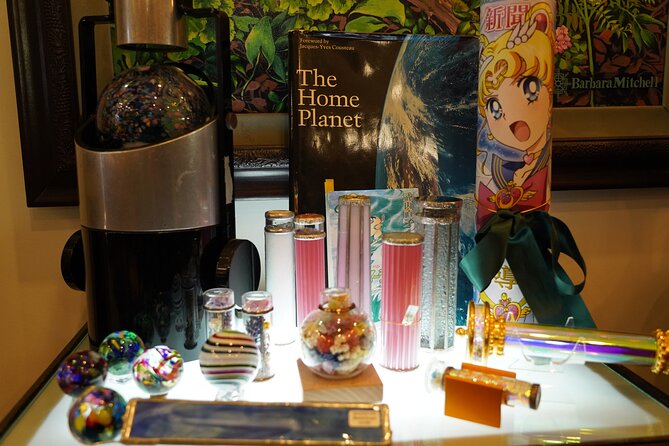
If you’re a Sailor Moon fan, this tour adds a fun layer. You’ll visit real-life places that inspired the setting connected to manga creator Naoko Takeuchi.
Even if you’re not a hardcore fan, this kind of connection helps you see a neighborhood with fresh eyes. Instead of only thinking about food, you’re also noticing street angles, storefront vibes, and the overall “feel” that creators draw from. It’s one more way the tour turns Azabujuban from a name into an actual place.
And because the tour is still grounded in food and local spots, you’re not stuck doing a scavenger hunt. You’re still eating, walking, and learning the town’s story while you enjoy the fandom angle.
Value Check: Is $71 a Good Deal?
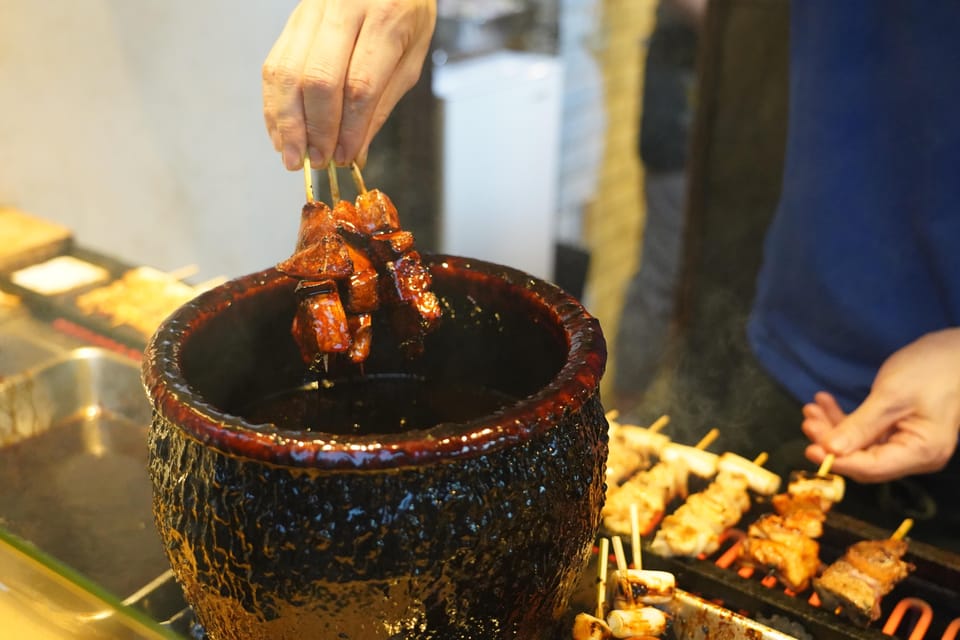
At $71 per person, this tour isn’t the cheapest snack experiment in Tokyo—but it also isn’t trying to sell you on one item. You’re paying for:
- Five different Japanese treats (selection depends on availability)
- One alcoholic beverage included
- A guide who explains the neighborhood’s history and culture while you walk
- Shrine/temple time and shopping for local gifts
- A small group format (listed as 1–4 people)
For value, I think the key is density. Food tours that hit only one or two stops often feel underpowered. Here, five treats spread across a neighborhood means you’re getting variety and learning context without turning the day into a bus ride.
Also, the tour notes that the food should be enough to fill you up. If that holds true for your appetite, you’ll likely leave thinking you ate like you meant it, not like you grazed.
Just remember: additional food and drinks are not included. If you have a big day planned (or you get tempted by every storefront), you’ll want to budget a little extra beyond the tour price.
Group Size, Guide Style, and What Makes It Feel Personal
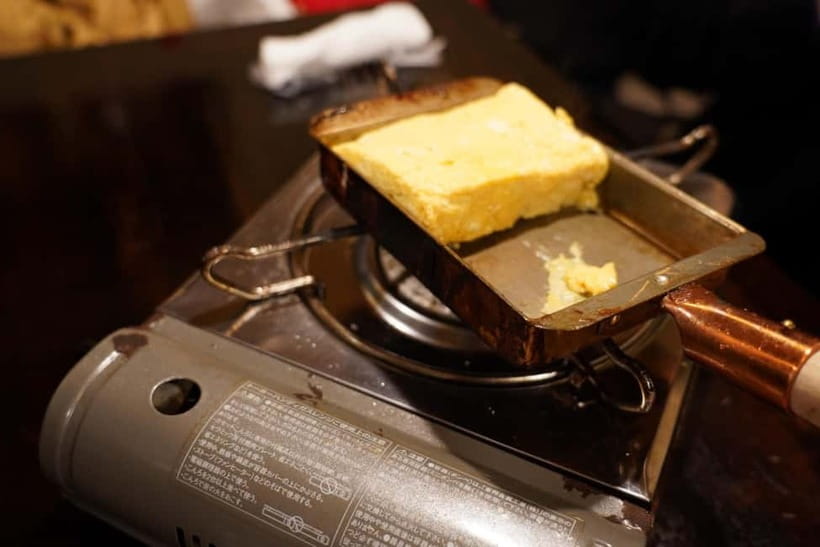
This is a small group tour/activity, typically 1–4 people. That’s a big deal. In a tiny group, you get more conversation and fewer awkward moments of trying to get your question heard over everyone else’s questions.
The tour guide—often highlighted by name in experiences shared—shows strong preparation and warmth. One standout point is how a guide can answer questions and tailor stops to what you want. The food selection is flexible, but the guiding style seems built for matching your pace and interests.
Also, you should expect lots of walking through a neighborhood. If you’re the type who likes to ask “why is this here?” or “what does locals order?” you’ll have a better time. If you prefer sitting down constantly, you might find the pace a bit active.
Who Should Book This Azabujuban Food Adventure?
You’ll probably love this if:
- You want a Tokyo food tour that feels local, not staged
- You like a mix of snacks, sweets, and savory comfort foods
- You want history and culture tied to places you can actually see
- You’re curious about Sailor Moon and want real-world connections
- You prefer small groups and conversation over crowded group dynamics
You might skip it if:
- You hate walking around neighborhoods (the tour includes a moderate walking pace)
- You’re expecting one fixed menu with zero substitutions
- You need transportation handled for you (transportation costs aren’t included)
- You’re over 95 years old (it’s not suitable for people over 95)
Should You Book This Azabujuban Food Adventure?
If you want Tokyo that feels human-scale—snacks, small shops, shrine-and-temple stops, and a guide who explains what you’re seeing—this is a strong pick. The price feels reasonable because you get five treats plus a drink, and the day includes more than eating: it includes the neighborhood story and local interactions.
My main reason to hesitate is the menu flexibility. If you’re coming with a strict wish list of exact foods, you might be disappointed. But if you’re open to what’s best available that day, you’ll likely enjoy the surprise factor.
FAQ
FAQ
What is the meeting point for the tour?
Meet at Azabujuban Station, Exit 4. The guides wait in front of Oslo Coffee with the Japan Hopping Tours logo.
Where does the tour end?
The activity ends back at the meeting point.
What’s included in the $71 price?
You get 5 different Japanese treats (the selection depends on the day) and 1 alcoholic beverage.
Are additional food and drinks included?
No. Additional food and drinks are not included.
What kind of food treats can I expect?
The tour includes five treats, and examples given include yakitori, mame daifuku, crispy taiyaki, and savory homemade oden. Pastries, omelettes, and sushi may also appear depending on the day.
Is transportation included?
No. Transportation costs are not included.
What language is the tour in?
The tour is offered in English.
How large is the group?
It’s a small group tour/activity, typically 1–4 people.
What should I bring?
Wear comfortable shoes, since you’ll walk around the neighborhood.
Is the tour suitable for very elderly guests?
It is not suitable for people over 95 years.