REVIEW · TOKYO
Essential tour for fashion and art in Tokyo for 6 hours with local lunch
Book on Viator →Operated by Travel Assist Japan LLC · Bookable on Viator
Tokyo fashion looks different at street level. This private 6-hour style tour links Harajuku and Shibuya street fashion with the cleaner, smarter shopping vibe around Aoyama and Omotesando, then caps it with modern art at the National Museum of Modern Art. You also get hassle-free hotel pickup (when offered) and time for classic street snacks like crepes, cotton candy, and shaved ice.
I especially like the feel of a one-on-your-party day. It’s built for small groups up to four, and our guide name that stood out was Erika, who helped a family of five customize the pace and focus over weeks of planning. I also like that the day mixes shopping streets with an actual culture stop, so you’re not only chasing outfits—you’re learning how Tokyo style connects to art and craft.
The main thing to think about is cost versus extras. At $450 per group, it’s not a budget tour, and lunch and museum admission aren’t included, so you’ll want to plan spending for food and the craft gallery ticket.
In This Review
- Key highlights at a glance
- Harajuku’s Takeshita Street: More Than Just Cute Clothes
- Shibuya Cat Street: Casual Fashion With Real People-Style Energy
- Aoyama Street and Omotesando Areas: The Clean, Upscale Side of Tokyo Style
- The National Museum of Modern Art Tokyo and the Craft Gallery Stop
- How the 6 Hours Actually Work: Timing, Walking, and Energy Management
- Price and Value: Is $450 Per Group Worth It?
- Local Lunch and Street Snacks: What to Plan For
- Who This Tour Fits Best (And Who Might Skip It)
- Should You Book This Tokyo Fashion and Art Tour?
- FAQ
- What’s included in the Tokyo fashion and art tour?
- Is lunch included?
- Do I need to pay admission for the museum stop?
- How much time do we spend at each stop?
- Is this tour private?
- Where does the tour start and end?
Key highlights at a glance
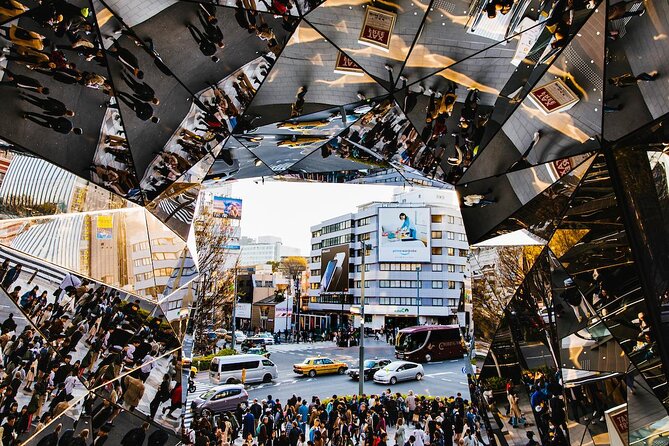
- Up to 4 people per private group for a more personal Tokyo day
- Pickup offered so you spend less time figuring out meeting points
- Street-style stops with free entry like Takeshita Street and Cat Street
- Aoyama Street for the fashion-meets-architecture shopping vibe
- Modern art at the National Museum of Modern Art with the craft gallery time window
- Street snack sampling like crepes, cotton candy, and shaved ice
Harajuku’s Takeshita Street: More Than Just Cute Clothes
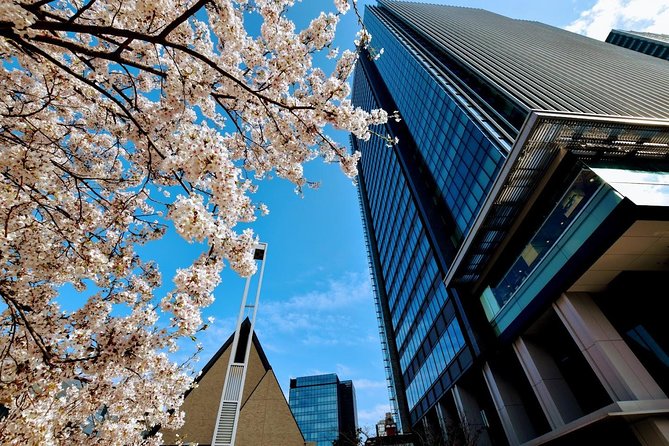
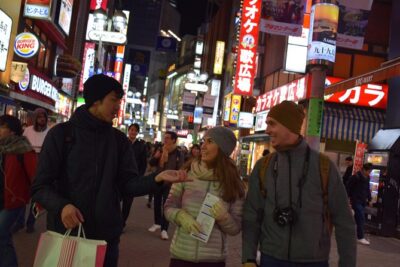
If you picture Harajuku as costumes and chaos, you’re not wrong. Takeshita Street is where that idea becomes real: young fashion, bold accessories, and shops stacked tightly together so you’re always spotting something new while you walk.
You’ll usually get about 40 minutes here. That’s long enough to slow down, compare styles, and take in how different stores display everything from accessories to statement looks. It’s also short enough that you don’t burn the whole day fighting foot traffic.
What I like most about starting here is the contrast. Your guide sets the tone early—what people are wearing, what the styles are borrowing from, and why certain looks feel so Tokyo. Even if you don’t buy anything, you’ll leave with a better eye for details: how color blocking works in real outfits, how accessories are used as punctuation, and how “street” fashion is designed to be seen in public.
One practical thought: plan for crowds. It’s a top shopping street, so expect standing, squeezing, and quick glances. If your group wants slower wandering, this is the stop where you’ll feel it the most, so use your guide to decide what’s actually worth the slowdown.
You can also read our reviews of more tours and experiences in Tokyo


Shibuya Cat Street: Casual Fashion With Real People-Style Energy
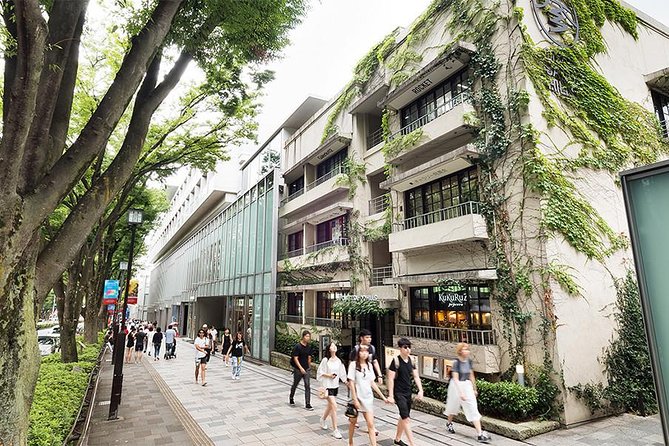
Next is Shibuya Cat Street, a fashion street that leans more casual and wearable than the more theme-park feeling you might get elsewhere. This stop is about 1 hour, which gives you time to do what you actually came for: notice how people mix streetwear pieces, not just how stores look.
Cat Street is a great mid-day section because it tends to feel less like you’re in one giant storefront line and more like you’re moving through a style corridor. You’ll get a chance to see everyday Tokyo fashion choices—layering, denim, sneakers, and small accessory decisions that look effortless but aren’t accidental.
If you’re hungry, this is also where street foods fit naturally. The tour concept includes chances to sample items like crepes, cotton candy, and shaved ice. Even if you only grab one thing, it helps you keep moving without derailing the schedule.
The catch: Shibuya is still Shibuya. Expect busy sidewalks, lots of people taking pictures, and the occasional surprise detour as locals and visitors weave around each other. Having a guide matters because you don’t have to stop every five minutes to ask where to go next.
Aoyama Street and Omotesando Areas: The Clean, Upscale Side of Tokyo Style
After the youth-driven streets, the vibe shifts toward something more polished. Aoyama Street is where you start seeing Tokyo fashion in a more architecture-and-design frame of mind: sleek storefronts, fashion brands, and a calmer sense of space compared to Harajuku-style crush moments.
You’ll spend about 40 minutes here. That window is perfect for browsing without turning it into a full shopping marathon. You can focus on the goal you probably want from this tour: understand how Tokyo style changes when the environment does—what looks more “street” changes when you’re walking streets lined with design-forward retail.
The tour description also points to the upscale shopping area around Omotesando and Aoyama, so expect your route to reflect that “fashion meets design” energy, not just random store hopping. If you enjoy fashion magazines, this is where Tokyo feels like they got the inspiration from real sidewalks.
Aoyama is also a strong stop for photos, but don’t treat it like a photo-only zone. Spend time reading the visual language: how certain brands present clothing, the way windows are used like galleries, and how the overall aesthetic feels curated even when it’s just people shopping.
The National Museum of Modern Art Tokyo and the Craft Gallery Stop
Here’s the part that surprised me—in a good way. Tokyo fashion isn’t only about what’s wearable. It’s also about how design connects to craft, materials, and visual storytelling.
Your tour includes time at The National Museum of Modern Art Tokyo, Craft Gallery for about 1 hour. Admission for this museum stop is not included, so you should plan on paying the ticket separately.
Even if you’re not a hardcore museum person, this is a smart pivot. It gives your brain a break from shopping streets and helps you see Tokyo style as a broader design culture, not just a trend machine. You’ll likely walk away with ideas about craftsmanship—how details matter, and how modern art and craft sit next to fashion thinking in the same city.
Drawback to know: it’s still a museum schedule inside a limited day. One hour goes fast, so don’t try to see everything. Instead, aim for what pairs with the day’s theme—materials, form, and design choices.
How the 6 Hours Actually Work: Timing, Walking, and Energy Management
A 6-hour tour can feel short or long depending on how you move through Tokyo. This one is built around walking plus guided direction, with public transportation not included in the package pricing. That means you’ll want comfortable shoes and the ability to keep a steady pace.
The start time is 9:00 am, and the tour ends back near the meeting point. You also have a meeting point at Hachiko Square in Shibuya. If pickup is offered for you, it can reduce the stress of matching schedules and getting to the right place before the day begins.
Moderate fitness is all you need, but I’ll be honest: this route includes dense areas and lots of sidewalk time. It’s not a “sit and watch Tokyo go by” day. You’re out there noticing details, which means you’ll feel it in your feet.
Pro tip: set your priorities for the day before you go. For example:
- If you care most about street fashion, focus on the first two streets and only do light browsing at Aoyama.
- If you want a design angle, spend your shopping energy at Aoyama and treat Harajuku like visual research.
- If you want balance, use your guide to decide where you linger so you don’t lose time later at the museum.
Because this is private, you’re not forced to follow the group rhythm of strangers. That’s a real advantage when crowds start to feel like a wall.




Price and Value: Is $450 Per Group Worth It?
Let’s talk money the practical way. The price is $450 per group (up to 4) for about 6 hours. That can sound steep if you’re thinking per person, but private Tokyo can be expensive, and the time adds up fast when you factor in a local guide.
Here’s how to judge the value for your situation:
- If you’re going as a pair, you’ll effectively pay more per person than a shared group tour, but you get a tailored route and no one else deciding your pace.
- If you’re a family or a small group of four, this can feel more reasonable because guide costs get shared, and the route can be customized around what matters to each person.
- If you care about fashion and art connections, the museum stop adds real substance versus only shopping streets.
The biggest “hidden” value is what the guide adds: choosing the right moments to see, pointing out what to notice, and keeping the day from turning into random wandering. A private guide is also how you avoid wasting time when streets are busy and your brain is overloaded.
What to watch for: extras. The tour includes local guide fee, but lunch isn’t included and museum admission isn’t included. That doesn’t make it overpriced—it just means your total day cost depends on what you eat and what ticket you pay.
Local Lunch and Street Snacks: What to Plan For
The plan includes chances to sample street foods like crepes, cotton candy, and shaved ice. That’s a fun Tokyo way to eat while you keep your day moving.
But lunch itself is listed as not included. So I suggest you treat this tour as “food opportunities + your own lunch decision,” not “a full meal is included.” In dense areas, you’ll find options nearby, but you may want a heads-up from your guide on what’s easiest to grab quickly without messing up your schedule.
Budget thinking:
- If you want multiple snacks, add extra money for that.
- If you prefer a sit-down lunch, plan that you’ll be choosing that time window inside your day rather than relying on the tour to provide it.
If you have dietary restrictions, this is where the private aspect can help. You can ask what’s practical in the neighborhoods you’re visiting, instead of guessing on the fly.
Who This Tour Fits Best (And Who Might Skip It)
This is a great fit if you’re the kind of traveler who likes to see how style is made in real life. If you’re into fashion, street photography, design museums, or you just enjoy observing how people dress in different Tokyo neighborhoods, you’ll likely get your money’s worth.
It’s also a strong choice if you’re traveling with family members who want different angles. One review experience highlighted Erika guiding a family of five, and the theme was that the fashionistas in the group loved the Harajuku-style stops. Private tours make that kind of mixed interest easier to manage.
Consider something else if:
- You want a low-cost tour. The price is private-tour pricing, plus museum ticket and food costs.
- You hate crowds and don’t like walking much. The Harajuku and Shibuya areas can be intense.
- You only want museum time. This is about style first, art second.
That said, the art stop is a nice balance. It turns the day into more than shopping, which is the difference between “I bought a souvenir” and “I understand the culture behind it.”
Should You Book This Tokyo Fashion and Art Tour?
Book it if you want a small, private Tokyo day that connects street style with modern art and craft. The route makes sense: start with youth fashion intensity, move into casual style, switch to upscale design territory, then reset your brain at the National Museum of Modern Art craft gallery.
Skip it or weigh it carefully if your budget is tight or you don’t want to handle extra costs for museum admission and lunch. Also, if you’re hoping for a relaxed day with lots of sitting, this route is more active than that.
If you do book, do one thing that makes the tour better: tell your guide what you want to see most—street fashion, upscale brands, or art/design connections. With a private group, that question can shape the whole experience.
FAQ
What’s included in the Tokyo fashion and art tour?
The tour includes the local guide fee. Public transportation, landing and facility fees, and lunch are not included.
Is lunch included?
No. Lunch is not included, though the tour includes chances to sample typical street foods like crepes, cotton candy, and shaved ice.
Do I need to pay admission for the museum stop?
Yes. The National Museum of Modern Art Tokyo, Craft Gallery admission is listed as not included.
How much time do we spend at each stop?
Takeshita Street is about 40 minutes, Shibuya Cat Street is about 1 hour, Aoyama Street is about 40 minutes, and the Craft Gallery stop is about 1 hour.
Is this tour private?
Yes. It’s a private tour/activity, and only your group participates. The group price is for up to 4 people.
Where does the tour start and end?
It starts at Hachiko Square in Shibuya and ends back at the meeting point. The start time is 9:00 am.