REVIEW · TOKYO
Hands-on Japanese Cooking in a Shinjuku Home Kitchen with Satoru
Book on Viator →Operated by Traveling Spoon · Bookable on Viator
A home kitchen beats a cooking school. Shinjuku is your front door, and Satoru’s easygoing pace turns Japanese food into something you can actually repeat at home. I especially like the private home setup and the chance to learn the why behind flavors. One thing to consider: the menu is set by the day, so you’ll want to plan ahead if you have dietary needs or a specific dish in mind.
I like that the class is hands-on, not just watch-and-copy. You’ll learn to make two to three Japanese homestyle dishes (and in some cases up to five), then sit down with your host to eat what you cooked over conversation and a local drink. If your schedule is tight, the walking time from JR Shinjuku Station plus about 2.5 hours total is worth budgeting.
In This Review
- Key things that make this class work in real life
- From JR Shinjuku Station to a real Tokyo kitchen
- What you’ll cook: day-specific menus that help you plan
- Saturdays through Tuesdays: Teishoku set meal format
- Wednesdays through Fridays: Popular Japanese favorites
- The key planning rule
- The cooking part: hands-on instruction in a tight, real kitchen
- Technique cues that matter for your results
- The best part: eating your meal with Satoru (and a local drink)
- The Shinjuku neighborhood value: convenience without losing character
- The gift: a small takeaway with real cooking utility
- Price and value: what $130 buys you in Tokyo terms
- Who this class suits best
- Possible drawback: day menus and dietary planning
- Should you book Satoru’s Shinjuku cooking class?
- FAQ
- How long is the cooking class in Satoru’s home?
- What dishes will we cook?
- Is there a vegetarian option?
- What’s included in the price?
- Where do we meet?
- Do I need to choose the menu in advance?
Key things that make this class work in real life
- Meet Satoru in Shinjuku, then walk together to a small, efficient apartment kitchen
- Cook from scratch with guidance while you learn what to watch for during prep
- Day-specific menus: teishoku set meals on Sat–Tue, popular street-food style dishes on Wed–Fri
- Private meal + 1–2 glasses of local alcohol, so learning turns into a real dinner
- You receive a Japanese utensil and ingredient gift, a handy takeaway for your next cook
- Vegetarian option available, but you must ask at booking
From JR Shinjuku Station to a real Tokyo kitchen
If you’re picturing a slick studio with spotless counters and name tags, forget that. This experience starts where Tokyo life actually happens: JR Shinjuku Station, then a short walk with Satoru to his home in the heart of Shinjuku. That first move matters. You arrive already in neighborhood mode, not tourist mode, and the day feels like it belongs to local routines.
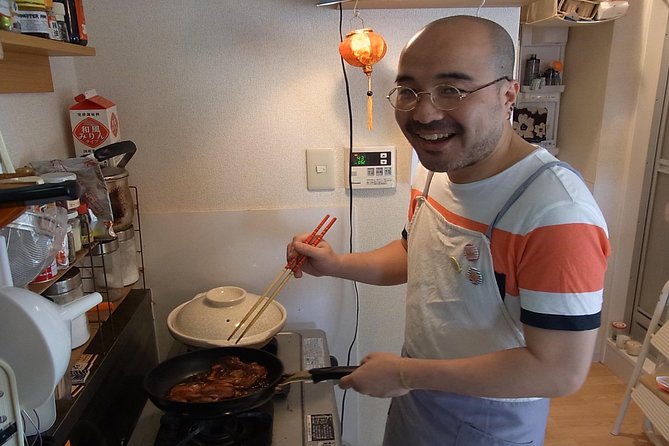
The apartment kitchen is described as simple and cozy, and that’s part of the charm. A compact workspace forces you to cook with purpose—measure carefully, move with intent, taste as you go. It’s also easier to connect with your host because you aren’t surrounded by strangers or hidden behind a counter.
You’ll spend roughly 1.5 hours cooking, followed by a shared meal. The pacing is friendly: you get time to learn techniques, then you immediately see how the dishes come together on the table. That’s one of the best ways to build confidence, because you’re not memorizing recipes in a vacuum.
You can also read our reviews of more cooking classes in Tokyo


What you’ll cook: day-specific menus that help you plan
This is the part people often underestimate. The menu isn’t only seasonal; it’s also tied to the day of the week. The class offers two different rhythms depending on which days you go.
Saturdays through Tuesdays: Teishoku set meal format
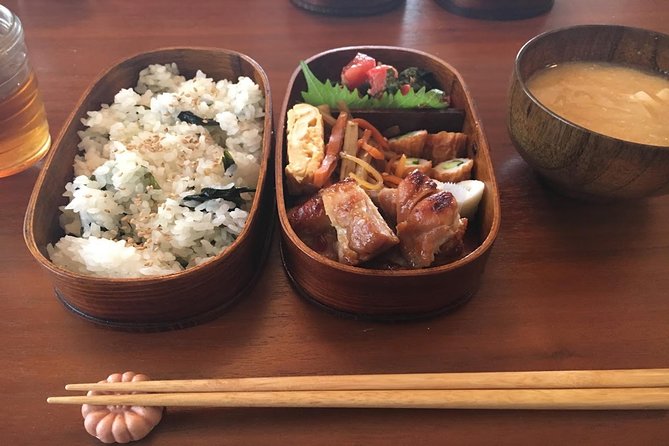
On Sat, Sun, Mon, Tue, you’ll cook Teishoku, a Japanese set meal structure that typically includes:
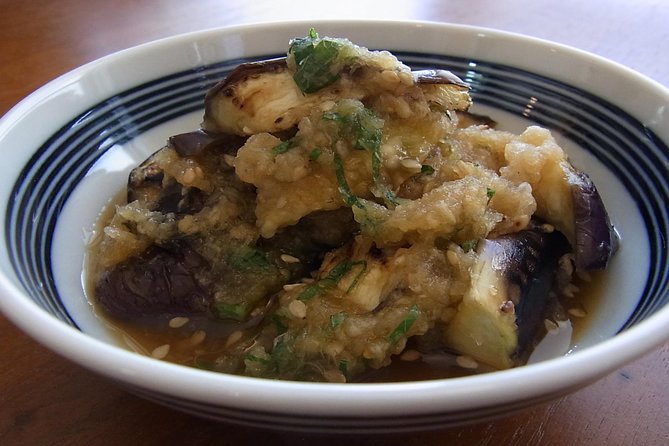
- Miso soup
- Rice
- Two side dishes
Even if you’re not a “side dish person,” Teishoku is a smart way to learn Japanese home cooking because it teaches balance. You’ll taste how dashi and miso set the tone, how rice holds everything together, and how side dishes bring texture and contrast. It’s also a good entry point if you want something approachable and complete without the chaos of multiple separate sauces.
Wednesdays through Fridays: Popular Japanese favorites
On Wed, Thu, Fri, the menu shifts to popular Japanese foods. Depending on the day, it may include one of these options:
- Okonomiyaki (Japanese pancake)
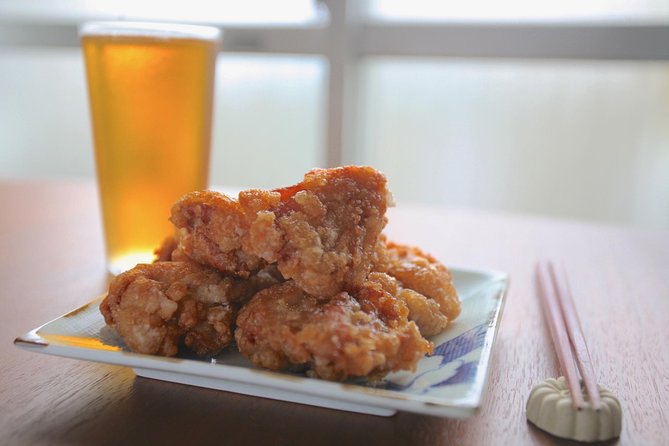
- Karaage (fried chicken)
- Yakisoba (pan-fried noodles)
- Katsu curry rice
- Ramen
- Gyoza
This block is fun if you want recognizable comfort foods. It’s also more technique-heavy, especially if your dish involves frying, assembling, or building flavor layers quickly. If there’s one dish you care about most, check the schedule in advance and communicate your preference early.
The key planning rule
There’s a practical catch: the menu of the day will be cooked if you don’t share your preference. If you want changes or restrictions handled, the host asks that you inform them one week in advance. That’s not just administrative detail. Japanese home cooking can rely on specific ingredients and timing, so last-minute changes may not be realistic in a small kitchen.
You can also read our reviews of more tours and experiences in Tokyo



The cooking part: hands-on instruction in a tight, real kitchen
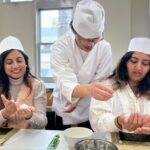
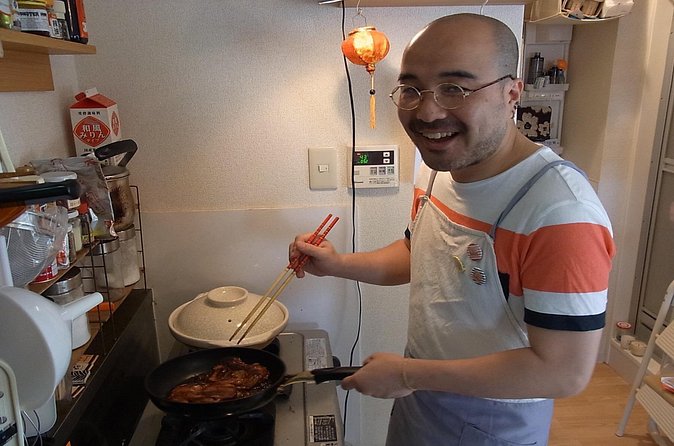
Your class centers on making dishes from scratch, guided step by step by Satoru. The experience description is clear that you’ll learn to make 2–5 authentic Japanese homestyle dishes, with a typical experience of two or three homestyle dishes. Either way, the format stays the same: you help with prep, cooking, and finishing.
In a home kitchen, instruction is different than in a classroom. You’ll likely be learning by doing—watching the texture of batter, checking when something is crisp enough, tasting broth for balance, and adjusting seasonings. That kind of feedback is what turns a recipe into a skill.
What I find especially useful is the way Satoru ties ingredients to flavor. The class invites questions, and he’s set up to explain what goes into each dish—from savory dashi foundations to sweeter notes like organic honey. When an ingredient has a story, it sticks. And when it sticks, you can reproduce the flavor later.
Technique cues that matter for your results
Even without a formal “chef tips” checklist, this style of cooking teaches the cues that matter:
- Don’t rush taste checks (Japanese home cooking often balances seasoning at the end)
- Pay attention to texture, not just time (fried items and noodle dishes are texture-driven)
- Think in stages: broth/base first, then sides or components that contrast
If you’ve tried Japanese recipes before and felt like something was always “off,” this is exactly the kind of coaching that helps. You’re learning the checkpoints that most home cooks skip.
The best part: eating your meal with Satoru (and a local drink)
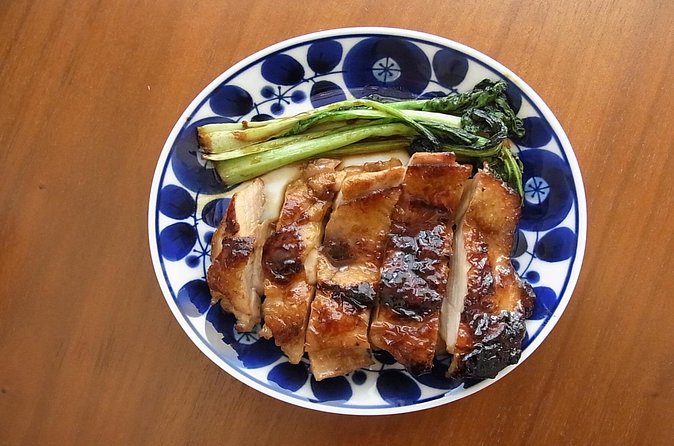
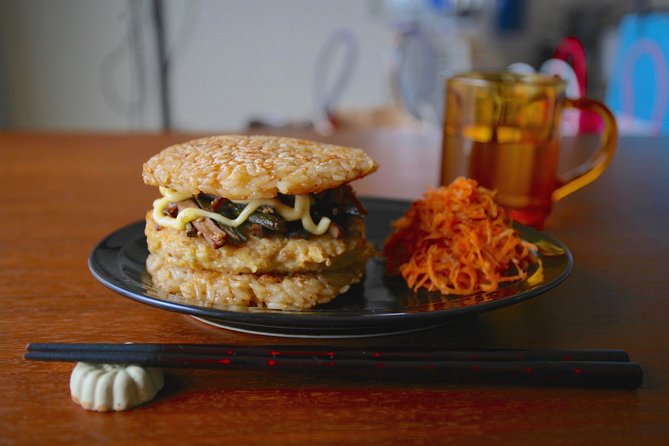
After about 1.5 hours of cooking, you sit down together for the meal you prepared. This isn’t just a plate-and-leave situation. The experience is built around a private meal and conversation with your host, plus 1–2 glasses of local alcohol.
That combination changes how you experience the food. When you’re the one who made the dish, tasting becomes a feedback loop. You notice differences you didn’t know existed: how the miso soup’s depth builds, how a side dish cuts the richness of rice, or how fried texture shifts when you eat it while it’s fresh.
The drink part also helps with pacing. It lowers the formality and makes it easier to ask questions naturally. You can bring up what you thought you understood, and Satoru can correct or expand. That kind of dialogue is where a class stops being entertainment and becomes usable knowledge.
The Shinjuku neighborhood value: convenience without losing character
Shinjuku is huge, so it’s smart that the meeting point is so clear: Shinjuku Station (3-chōme-38-1). You don’t need to hunt for a hidden alley. You meet, you walk, you cook, and you return back to the meeting point at the end.
This setup is value-rich if you’re juggling a packed Tokyo itinerary. A home experience can feel intimidating when you’re navigating unfamiliar routes, but here the meeting anchor is easy. You also get the benefit of being in a neighborhood that’s active without being “staged” for visitors.
The gift: a small takeaway with real cooking utility
You’ll receive a gift of a Japanese utensil and ingredient. That matters more than it sounds. When you’re teaching yourself Japanese cooking later, you’ll run into the same problem: even if you can follow a recipe, you don’t always have the right tool or a key ingredient on hand.
A utensil gift is practical. An ingredient gift is even more so, especially if it matches what you cooked. The goal is that the class doesn’t end when you leave the apartment. It leaves you with a starting point for your next attempt at Japanese homestyle food.
Price and value: what $130 buys you in Tokyo terms
At $130 per person, this class sits in the sweet spot between a simple food tour and a bigger multi-activity day. What you’re paying for isn’t just ingredients and instruction. The value comes from three things that are hard to replicate cheaply:
- A private home setting in Shinjuku (not a group demo space)
- Hands-on cooking with a host who explains ingredients and choices
- The full dinner moment, including a drink and the utensils/ingredient gift
If you’ve done group tours where you sample a few items and move on, this is different. You’re not just tasting; you’re building skill and eating what you made. That’s why the price can feel fair, even when it’s not the cheapest option.
Also, private doesn’t automatically mean expensive in Japan. Here, the cost is mostly for the host time, kitchen access, and the dining component—exactly what makes the experience feel personal.
Who this class suits best
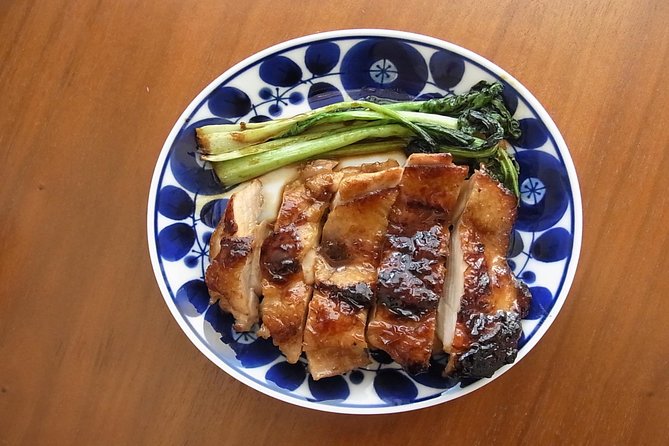
This experience is a great match if you want:
- Real Japanese homestyle cooking, not just sushi or dessert
- A friendly, conversational host relationship
- A hands-on activity that works for mixed ages
It also seems to go especially well for families. One of the most common reasons people love this kind of class is that it’s active and structured, which keeps attention on something you can do together. If you’re traveling with teenagers, this style of cooking can be an easy way to keep everyone engaged because you’re not stuck watching instructions for long stretches.
If you’re someone who gets overwhelmed in crowded settings, the private group format helps. If you like food as culture—not just flavor—this also delivers.
Possible drawback: day menus and dietary planning
The biggest limitation is the same one we keep coming back to: the menu is day-specific, and the course will cook the menu of the day if you don’t specify preferences.
So if you:
- have strong dietary restrictions,
- want a particular dish every time,
- or dislike certain foods,
plan early. Tell the host your needs at booking, and if you want changes beyond what’s typical for that day, reach out one week in advance. That’s the difference between getting your ideal menu and getting the daily default.
Also note that the included alcohol is limited to 1–2 glasses, but it is still alcohol. If you don’t drink, you should say so at booking so the host can plan properly.
Should you book Satoru’s Shinjuku cooking class?
I’d book it if you want a Tokyo experience that feels like a real dinner invitation. The combination of a home kitchen, hands-on cooking, and a sit-down meal with conversation is exactly the kind of authenticity that’s hard to fake in tourist districts.
Skip it or plan carefully if you’re very menu-specific or have dietary needs that require careful ingredient substitutions. The day-based menu is helpful for structure, but it also means you’ll need to communicate early.
If you want a class that ends with something you truly understand—and can make again—this is a strong bet in Shinjuku.
FAQ
How long is the cooking class in Satoru’s home?
The experience runs about 2 hours 30 minutes total (including cooking and the shared meal).
What dishes will we cook?
You’ll make 2 to 5 dishes from scratch, typically 2–3 homestyle dishes. The exact menu depends on the day: Teishoku (miso soup, rice, and two side dishes) on Sat–Tue, and popular dishes like okonomiyaki, karaage, yakisoba, katsu curry rice, ramen, or gyoza on Wed–Fri.
Is there a vegetarian option?
Yes. A vegetarian option is available, but you need to advise the host at the time of booking.
What’s included in the price?
Included are the private cooking class with Satoru, local alcohol (1–2 glasses), and pick up from JR Shinjuku Station. You return back to the meeting point afterward.
Where do we meet?
You meet at Shinjuku Station (3-chōme-38-1 Shinjuku, Shinjuku City, Tokyo 160-0022, Japan). The tour ends back at the meeting point.
Do I need to choose the menu in advance?
Yes. The menu is specific by day, and if you don’t share your preference, the menu of the day will be cooked. If you want changes or have restrictions, inform the host one week in advance.