REVIEW · TOKYO
Japanese Cooking class in Tokyo
Book on Viator →Operated by Morimi's Home Kitchen · Bookable on Viator
Tokyo smells like real home cooking. At Morimi’s Home Kitchen, you learn the core of Japanese meals from a certified chef in a small, private setup, with dashi-and-rice techniques you can use again. I also like getting English recipes that make it easy to recreate what you cooked. One possible downside: you’ll choose a single course, so you won’t make every dish option in one visit.
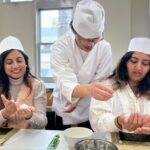
What makes this feel different is the setting. You’re not in a giant demo kitchen. You’re cooking in a real home kitchen, working with traditional tools like the suribachi (Japanese mortar) and oshizushiki (pressed sushi mold), then eating what you made over lunch.
In This Review
- Key Highlights You’ll Care About
- A Home-Kitchen Class in Setagaya (Not a Studio Assembly Line)
- Courses: How to Choose Between Tofu, Sushi, and Curry
- Tofu Course: Five-plus Tofu Dishes Plus Rice Skills
- Sushi Course: Temari Sushi + Pressed Sushi With an Oshizushiki Mold
- Curry Course: Tonkatsu Curry and Japanese-Style Sides
- What You Actually Do for 3 Hours (Step-by-Step Flow)
- The Foundation Moments: Dashi and Sushi Rice
- Cooking and Shaping: From Tools to Texture
- Tasting and Lunch: You Eat What You Cook
- The Tools Matter: Suribachi and Oshizushiki in Plain English
- English Recipes You’ll Want to Use After Your Flight
- Drinks, Optional Sake, and the Sweet Finish
- Price and Value: Why $71 Feels Fair (If You Want Skills)
- Getting There: Timing and Transit Tips for Setagaya
- Who This Class Is Best For (And Who Might Prefer Something Else)
- Quick “Before You Go” Checklist
- Should You Book Morimi’s Home Kitchen Japanese Cooking Class?
- FAQ
- What courses can I choose in this Tokyo Japanese cooking class?
- How long is the cooking class?
- Is lunch included?
- Are English recipes provided?
- Can the class accommodate vegetarian, vegan, or gluten-free diets?
- Is pickup available in Tokyo?
- Is there free cancellation?
Key Highlights You’ll Care About
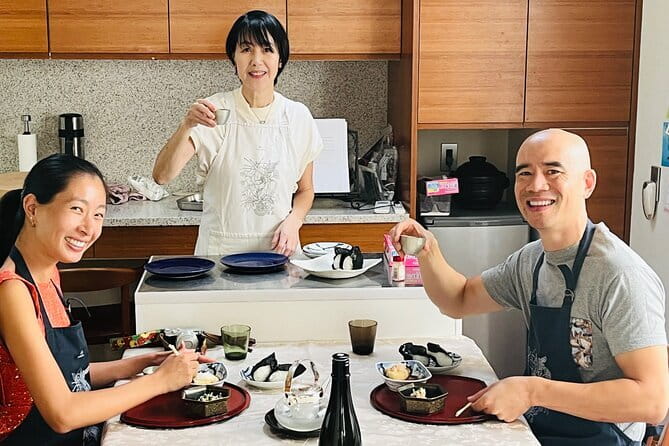
- Pick one course: tofu, sushi, or curry, tailored to different tastes and dietary needs
- Hands-on Japanese foundations: dashi, rice (in a regular pot), and knife-free techniques where possible
- Traditional tools in use: suribachi and oshizushiki make the food feel truly Japanese
- Lunch is included: you eat your creations, not a token bite
- Diet swaps are available: tofu course can cover vegetarian/vegan and gluten-free; sushi has a gluten-free option too
A Home-Kitchen Class in Setagaya (Not a Studio Assembly Line)
Tokyo cooking classes can be hit-or-miss: some feel like rehearsed show-and-tell, others are hands-on but too generic. This one wins on atmosphere and focus. Morimi’s Home Kitchen is in Setagaya City, and you start at Morimi’s address in Matsubara (3-chōme-19-5). You’ll typically begin at 10:30 am, and the session runs about 3 hours.
You’re also not sharing the experience with a random crowd. The class is described as a private tour/activity, meaning only your group participates. That matters more than you’d think. When you’re learning something practical—like getting dashi right or forming sushi rice cleanly—having space and time to ask questions beats squeezing into a big room.
There’s pickup offered, but private transportation isn’t included. If you’re relying on public transit, that’s fine too; the location is near public transportation, and you end back at the meeting point.
You can also read our reviews of more cooking classes in Tokyo


Courses: How to Choose Between Tofu, Sushi, and Curry
The class runs one course at a time. You select your choice when you book, and your menu depends on that decision. That’s the key tradeoff. You get deeper cooking and more time on technique, but you can’t sample all three course styles in one sitting.
Tofu Course: Five-plus Tofu Dishes Plus Rice Skills
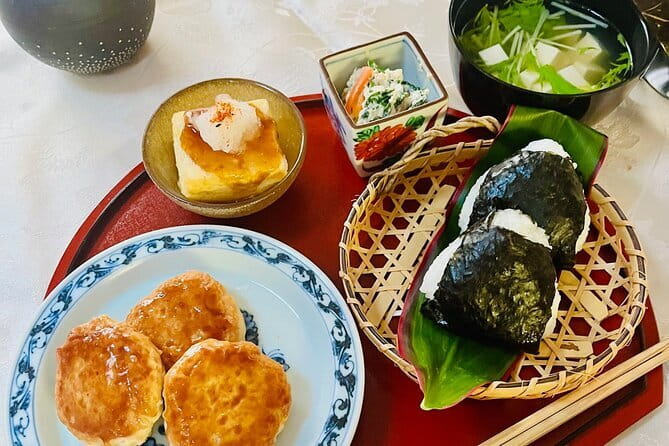
If you want the widest range of dishes and the most vegetarian-friendly options, the Tofu Course is the best bet. You’ll learn to prepare dashi stock and cook Japanese rice in a regular pot, then you’ll cook:
- tofu hamburgers
- agadashi tofu (deep-fried tofu)
- shiraae (tofu salad)
- tofu soup
- rice balls
This course is also specifically built to fit vegetarian, vegan, and gluten-free diets. The info states that vegan and vegetarian guests can be accommodated with a tofu course, and gluten-free options are available with the tofu course (and also with the sushi course). If you’re traveling with dietary restrictions, this is the easiest way to keep everyone fed.
Sushi Course: Temari Sushi + Pressed Sushi With an Oshizushiki Mold
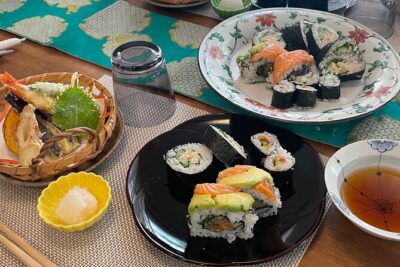
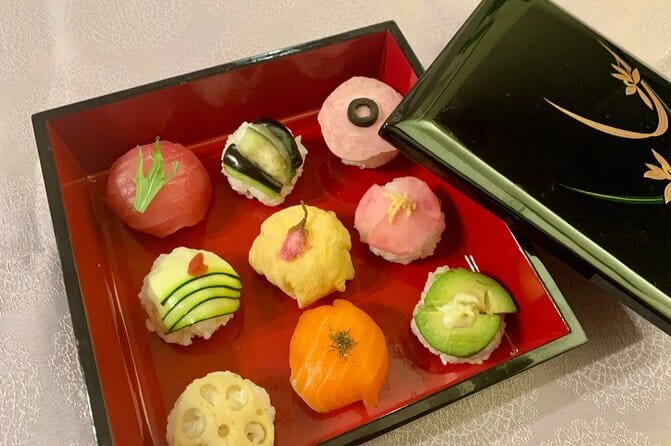
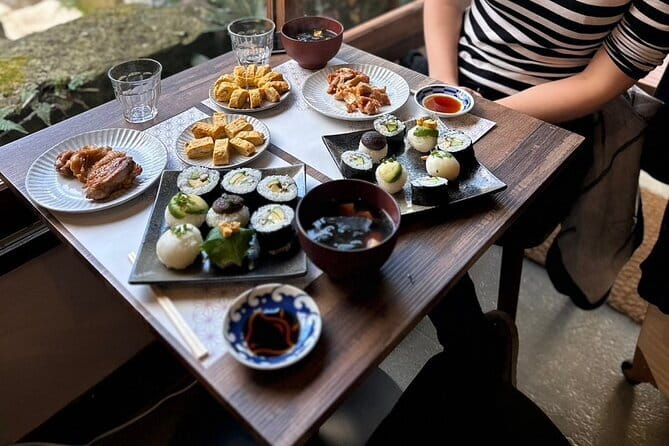
The Sushi Course is for people who want technique you can show off at home. You start by making sushi rice, then you create six types of temari sushi based on ingredients you choose.
You’ll also make one roll of oshizushi (pressed sushi) using a traditional oshizushiki mold. The class includes shrimp and smoked salmon for that pressed sushi.
Gluten-free is available for the sushi option, but the data doesn’t spell out every detail of how substitutions are handled. If gluten-free is crucial, I’d send your request clearly when booking and confirm that the option is selected for your course.
Curry Course: Tonkatsu Curry and Japanese-Style Sides
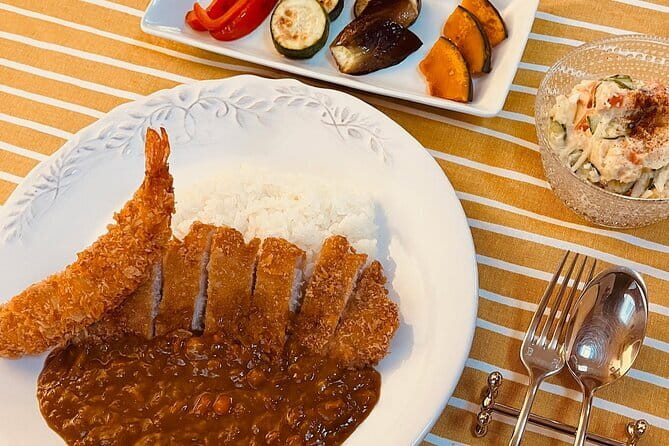
The Curry Course is the comfort-food route. You’ll make Japanese-style curry using roux, plus the classic fried items and a side that tastes like Japan, not just borrowed from overseas curry houses.
In this course you prepare:
- curry using roux (with Japanese dashi is implied in the Japanese-style approach)
- tonkatsu (pork cutlet)
- ebi fry (fried shrimp)
- grilled veggie
- Japanese-style potato salad
If you’ve ever eaten tonkatsu curry and thought it tasted different from Indian curry, that’s exactly the gap this course is designed to show. It’s also a good pick if you want one clear “final dish” to take away, plus side skills.
You can also read our reviews of more tours and experiences in Tokyo



What You Actually Do for 3 Hours (Step-by-Step Flow)
While each course has its own menu, the structure is similar: learn a foundation, practice technique, then eat lunch.
The Foundation Moments: Dashi and Sushi Rice
In the tofu course, the foundations kick off with dashi, the essential backbone of many Japanese flavors. You’ll learn about the ingredients used to prepare it, then use that stock in later dishes.
In the sushi course, the foundation is sushi rice. Learning sushi rice is more useful than it sounds. Even when you buy sushi at a store, making the rice is what determines whether your sushi tastes like something you’d want to eat again.
These parts are where a home-kitchen class shines. The chef isn’t just telling you what to do—they’re showing you the steps that fix common mistakes.
Cooking and Shaping: From Tools to Texture
Next comes the active cooking. The tofu course includes multiple tofu preparations, which is a clever way to learn how tofu behaves under different treatments: frying changes texture, salad preparation changes timing, and soup changes how you handle flavor.
The sushi course adds shape and handling. Temari sushi is about portioning and forming neat bites. Oshizushi is about pressing and releasing without crushing the structure. Using an actual oshizushiki mold turns sushi into a tool-driven craft, not just a recipe.
The curry course focuses on fried items plus assembly. Tonkatsu and ebi fry teach temperature control and crunch. Then you tie it together with Japanese-style curry and a potato salad side.
Tasting and Lunch: You Eat What You Cook
Lunch is included for all courses. The class provides the dishes you make (plus soup where it’s part of the menu). You’re also offered drinks: green tea and mineral water are unlimited, and herbal tea is available.
There’s also a tasting element where optional additions show up. Optional Japanese sake and wagashi (traditional Japanese sweets) can be available during the tasting session. If you want them, ask during booking so your preferences are ready.
The Tools Matter: Suribachi and Oshizushiki in Plain English
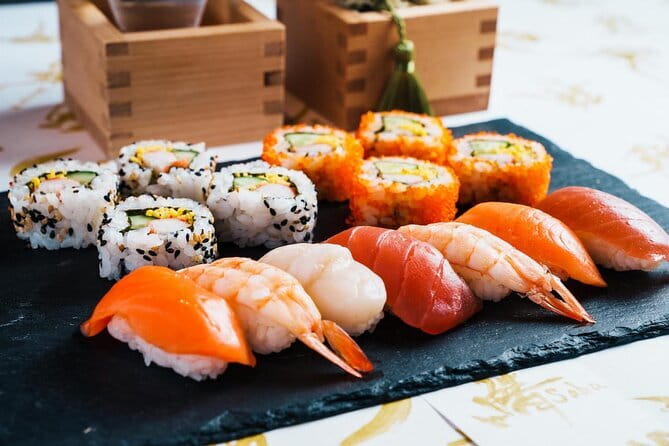
Traditional Japanese cooking isn’t only about ingredients. It’s also about tools and how they shape texture.
You’ll be introduced to:
- Suribachi (Japanese mortar): great for grinding and mixing aromatics or seasoning blends evenly
- Oshizushiki (pressed sushi mold): creates clean, sliceable pressed sushi
Using these tools in a class setting is valuable because someone can correct your technique in real time. It’s the difference between reading about a mold online and actually pressing something so it holds its shape.
And because you’re in a home kitchen, the learning feels natural. You’re not fighting for equipment access or waiting for a demo to finish.
English Recipes You’ll Want to Use After Your Flight
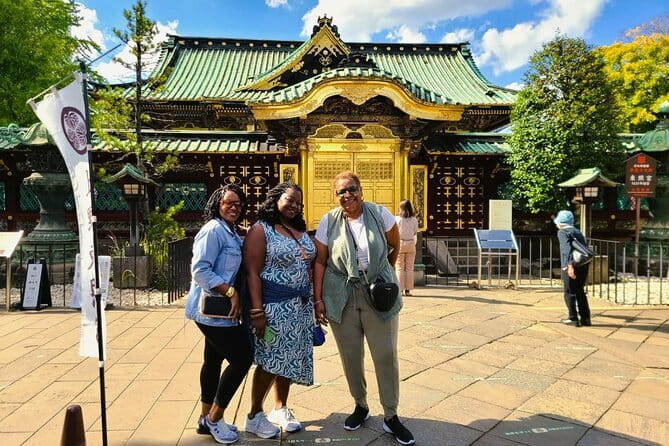
One of the biggest quality signals here is the promise of English recipes included with the session. These aren’t vague ingredient lists. The idea is that you can recreate the dishes after you return home.
This matters for value. A lot of cooking classes are fun for the day, but you forget the details by week two. Here, you’ll likely leave with a clearer process: what you start with, how you season, and how the Japanese techniques connect to the final texture.
That’s especially important for basics like dashi and rice cooking. Getting that right at home turns Japanese cooking from “special occasion” into “regular dinner.”
Drinks, Optional Sake, and the Sweet Finish
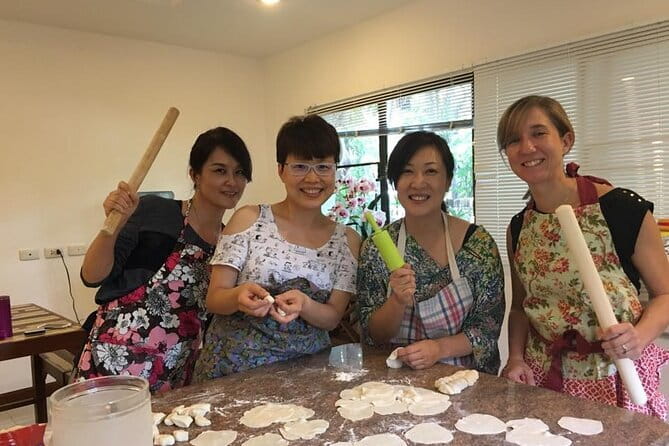
You get coffee and/or tea (green tea plus herbal tea are specifically mentioned). Mineral water is unlimited too. This is practical: you’ll work up an appetite over those three hours, and it’s nice not to track refills.
Optional sake and wagashi are available during the tasting session. Optional doesn’t mean an upsell surprise; it means you can choose. If you like pairing flavors—something savory, then a small sweet—this part can feel like a real Japanese meal rhythm.
At the end, you also receive a souvenir as a token of appreciation.
Price and Value: Why $71 Feels Fair (If You Want Skills)
At $71 per person for about three hours, this class sits in the mid-range for Tokyo cooking experiences. The value comes from what’s included and how much active work you do.
Here’s what you get that adds real weight:
- a certified chef-led hands-on session
- lunch included (the dishes you cook)
- unlimited tea and mineral water
- traditional tools used during cooking
- English recipes so you can repeat the results later
- dietary accommodation options for tofu and some sushi cases
Also, the course menu isn’t just one item. The tofu course alone includes multiple tofu dishes plus rice balls, and sushi includes both temari sushi and pressed sushi. The curry course includes curry plus fried components and sides. You’re not paying for a single dish and a quick stir—you’re paying for a structured meal-learning experience.
If you want photos and a fun activity only, you might find a cheaper option elsewhere. But if you want technique you can actually use, this cost makes sense.
Getting There: Timing and Transit Tips for Setagaya
Start time is 10:30 am, and the class ends back at the meeting point. Pickup is offered, but private transportation isn’t included—so plan for transit unless pickup works for your exact hotel location.
The location is near public transportation, which helps if you’re staying in central Tokyo and want to avoid complicated logistics. Book early if you can: the class is listed as typically booked around 15 days in advance on average.
Also note the tour uses a mobile ticket, which is convenient for phone check-in and reduces the risk of forgetting paper.
Who This Class Is Best For (And Who Might Prefer Something Else)
This is a strong fit if you:
- want hands-on cooking with a chef, not just watching
- like the idea of cooking in a real home kitchen
- care about building Japanese fundamentals (dashi, sushi rice, proper assembly)
- travel with a partner or small group and want a more personal pace
- need vegetarian/vegan or gluten-free options (best supported in the tofu course)
You might consider skipping this exact format if you:
- want to sample every Japanese dish in one go (the course choice limits that)
- need a class that offers multiple course styles in one sitting
- prefer a larger group atmosphere or a market-tour setup (this is focused on cooking)
Quick “Before You Go” Checklist
To make your day smooth, I’d do three things:
- Choose the course that matches your diet and what you want to learn most
- Mention food allergies when you book
- Decide in advance if you want the optional sake and wagashi
When you arrive, bring curiosity and patience. Japanese cooking rewards small technique details—especially in dashi and rice, and in sushi shaping.
Should You Book Morimi’s Home Kitchen Japanese Cooking Class?
I think you should book this if your goal is practical Japanese cooking skills in a small, welcoming home setting. The dashi/rice foundations, the traditional tools like suribachi and oshizushiki, and the fact that lunch is included make it feel like more than an activity. It’s a meal you understand.
I’d choose the tofu course if you want variety and the easiest dietary coverage. I’d choose the sushi course if you want shaping skills you can recreate. I’d choose curry if you want a comfort-food project with crisp fried toppings and a Japanese curry finish.
If you’re the type who wants to cook after the trip—not just remember the photo—this class fits.
FAQ
What courses can I choose in this Tokyo Japanese cooking class?
You can choose one of three course options: Tofu Course, Sushi Course, or Curry Course.
How long is the cooking class?
The class duration is about 3 hours.
Is lunch included?
Yes. Lunch is included, and it includes the dishes listed for your chosen course, plus soup where it’s part of the menu.
Are English recipes provided?
Yes. English recipes are provided so you can recreate the dishes after returning home.
Can the class accommodate vegetarian, vegan, or gluten-free diets?
Yes. Vegetarian and vegan guests can be accommodated with the Tofu course, including a tofu-based option. Gluten-free options are available with the Tofu course or the Sushi course.
Is pickup available in Tokyo?
Pickup is offered, but private transportation is not included. The activity is also near public transportation.
Is there free cancellation?
Yes, free cancellation is available. You can cancel up to 24 hours in advance for a full refund.