REVIEW · TOKYO
From Ocean to Chopsticks Tsukiji Market Food Tour By Local Expert
Book on Viator →Operated by japan local and fun experiences · Bookable on Viator
Tsukiji goes fast—your guide keeps up. This 4-hour Tsukiji Market food tour in Tokyo blends a temple stop with guided tasting through the area’s fish and outer-market streets, so you get context and you don’t spend the whole time just guessing what to order. I especially like the small group limit of eight, which makes it easier to ask questions and actually hear your guide, and I also like that you get a planned set of 4 to 5 food stations instead of a chaotic food free-for-all. One thing to consider: you’re walking and standing a lot in a crowded market area, so it’s not the best fit if you hate noise, crowds, or constant movement.
This tour also earns points for staying practical. You’ll stop at Tsukiji Hongan-ji Temple first (admission is free) and then move into the market for food choices that span kitchen staples, seafood, and sushi culture. If you’re lucky enough to get a guide like Amber, the overall vibe can be extra smooth—her happy, knowledgeable energy is specifically called out in one of the available experiences.
In This Review
- Key Points You’ll Care About Before You Go
- Why Tsukiji Still Feels Like a Real Working Food World
- The Small-Group Advantage: Up to Eight, Not a Crowd
- Tsukiji Hongan-ji Temple: The Free Reset Before You Taste
- Jogai Market (Outer Market): Tools, Seafood, and Sushi-Ready Streets
- Tsukiji Fish Market Time: Where “Ocean to Chopsticks” Gets Real
- What You’ll Actually Eat: 4 to 5 Stations and Decision Relief
- Walking Logistics for a 4-Hour Market Day
- Price and Value Check: $195 for a Guided Tasting Route
- Who This Tour Fits Best (and Who Might Skip It)
- Should You Book This Tsukiji Market Food Tour?
- FAQ
- How long is the Tsukiji Market Food Tour?
- How many people are in the group?
- Where does the tour start?
- What stops are included in the itinerary?
- Is admission included for the temple?
- What’s included in the price?
- Are alcoholic drinks included?
- Is the ticket mobile, and is free cancellation offered?
Key Points You’ll Care About Before You Go
- Max 8 travelers means less waiting, more questions, and a calmer pace.
- Hongan-ji Temple stop gives you a mental breather and cultural grounding before you eat.
- 4 to 5 food stations handled for you, with 2 soft drinks and water included.
- Jogai (Outer) Market focus covers tools, groceries, seafood, and places that serve sushi.
- Tsukiji Fish Market time shows you where the food reputation comes from and how people shop and eat.
- Mobile ticket and meeting point near public transportation makes it easier to get there.
Why Tsukiji Still Feels Like a Real Working Food World
Tsukiji isn’t a theme park. It’s a place where people shop, talk, compare prices, and eat what they know works. That’s why a guide matters so much here: without one, you can get pulled in five directions at once and still end up with the same boring souvenir snacks.
I like that this tour starts with meaning, not just eating. The temple stop sets a tone for the day, and then the market feels less random when you understand what you’re looking at. After that, you’re walking through the outer market and fish-market areas where seafood and food culture aren’t separate from daily life.
You can also read our reviews of more food & drink experiences in Tokyo



The Small-Group Advantage: Up to Eight, Not a Crowd
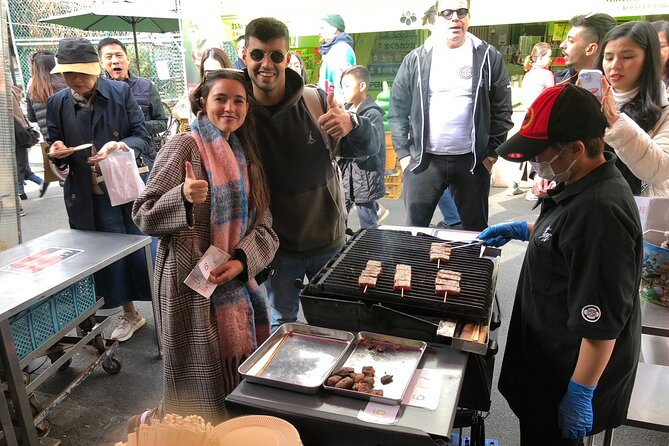
The “maximum of eight travelers” limit sounds like marketing fluff—until you’re actually there. In Tsukiji, the difference is huge. With a smaller group, you’re less likely to get spaced out, your guide can slow down for questions, and you can hear explanations about what you’re tasting and why it matters.
There’s also a practical benefit: your guide can steer you through the best spots without you doing mental math on the fly. You’re not trying to figure out which counter is legit while you’re hungry and standing in a busy food lane.
And yes, the pace is still active. This is a walking tour, and the market environment is dense. But small-group tours tend to feel more like a guided afternoon than a managed stampede.
Tsukiji Hongan-ji Temple: The Free Reset Before You Taste
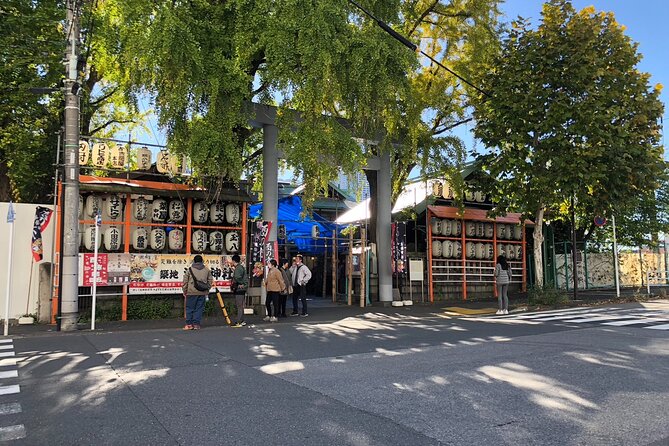
Your first stop is Tsukiji Hongan-ji Temple, and the best part is that it’s not just a quick photo stop. The tour schedules about one hour here, with free admission included. It’s a Jodo Shinshu Buddhist temple in the Tsukiji district, and it’s adjacent to Tsukiji Station on the Tokyo Metro Hibiya Line, so getting there and then continuing onward is straightforward.
What I like about starting in a temple is the way it changes your headspace. Tsukiji can overwhelm your senses quickly. Food smells, seafood displays, vendors, and signage are all happening at once. Having a calm, cultural pause first helps you shift from frantic scanning to attentive looking—especially when your guide starts explaining what you’ll see later.
If you’re the type who likes to understand the “why” behind what you’re doing (even for something as fun as street food), this stop gives you that. It also makes the tour feel more Tokyo-in-history than just Tokyo-in-photos.
Jogai Market (Outer Market): Tools, Seafood, and Sushi-Ready Streets
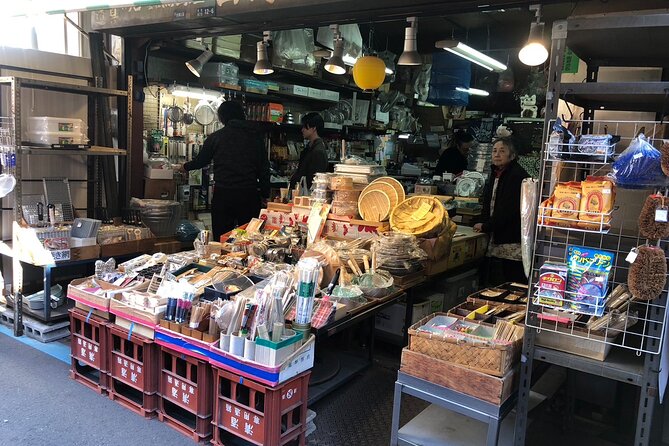
Next you head into the Tsukiji Jogai Market, often called the outer market. Your tour gives about one and a half hours here, and this segment is where you’ll understand the market beyond the fish-display stereotype.
The outer market is described as a mix of wholesale and retail shops. You’ll see kitchen tools, groceries, and seafood, and you’ll also notice plenty of restaurant activity—especially sushi spots. This matters because Tsukiji isn’t only about eating one magical bite. It’s also about how food is sourced and prepared, and the outer market shows you that supply-and-serve connection.
This is the part of the day where your guide’s commentary becomes your cheat code. You won’t just see a stall—you’ll understand what people buy, why certain ingredients are important, and how that links to what you’re tasting later. If you’ve ever been stuck at a Japanese menu where you can only guess, you’ll appreciate the help here.
One consideration: because the Jogai Market mixes shopfronts and eateries, it can feel busy on your feet. If you’re sensitive to crowds, keep your expectations realistic. Your guide will help you stay on track, but you’ll still experience the market’s high-energy flow.
Tsukiji Fish Market Time: Where “Ocean to Chopsticks” Gets Real
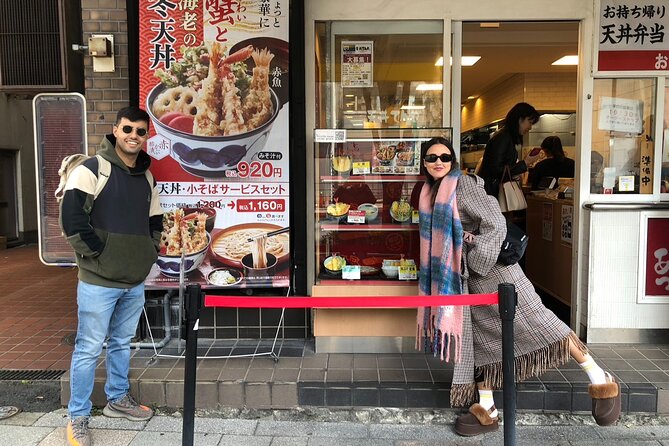
After the outer market, the tour moves into Tsukiji Fish Market time (another one and a half hours). This is where the famous seafood reputation comes into focus. The description you’re given frames Tsukiji as Japan’s largest fish market, and that’s exactly the context you want while you’re eating—because sushi and seafood culture here aren’t random; they’re built on a deep food system.
What I like about having dedicated fish-market time is that it keeps you from treating Tsukiji like a generic snack stop. You’re learning what makes this place distinct: the scale of seafood, the way restaurants and vendors operate, and the overall “food town” feel of the area.
Your guide’s job is to help you connect what you see to what you taste. That’s especially important for sushi. Sushi in Tokyo isn’t just a dish—it’s a category with different expectations, textures, and seasonal logic. A guided tour helps you notice those differences instead of just chasing whatever looks most dramatic.
A possible drawback is simply timing and stamina. With two one-and-a-half-hour blocks of market walking, you’ll want comfortable shoes and a good water rhythm. The tour includes water, but you’ll still be on your feet.
You can also read our reviews of more tours and experiences in Tokyo



What You’ll Actually Eat: 4 to 5 Stations and Decision Relief
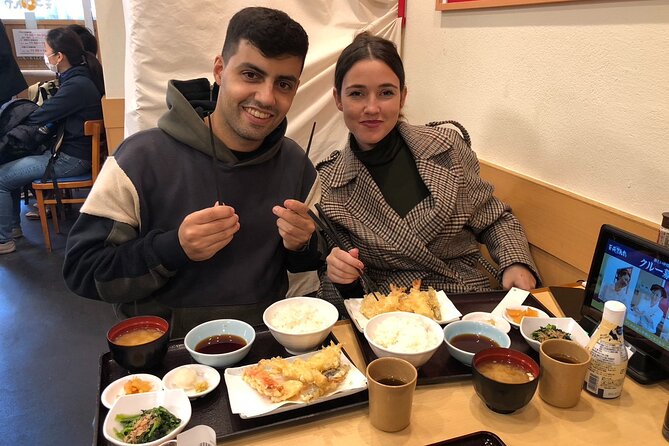
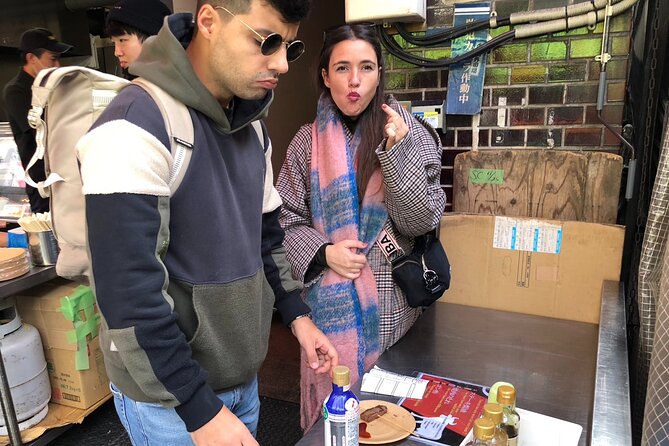
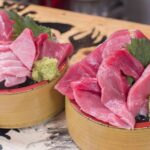
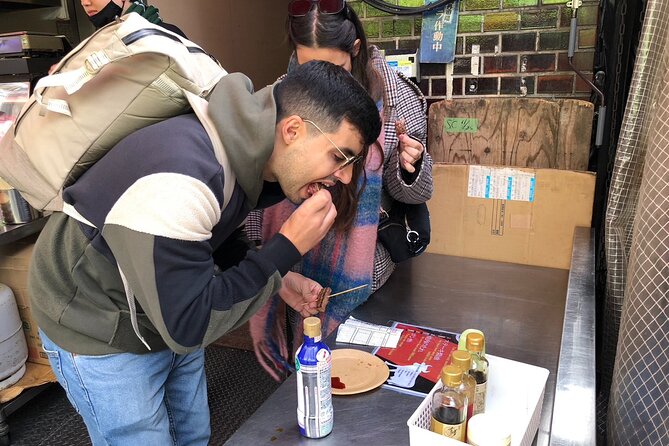
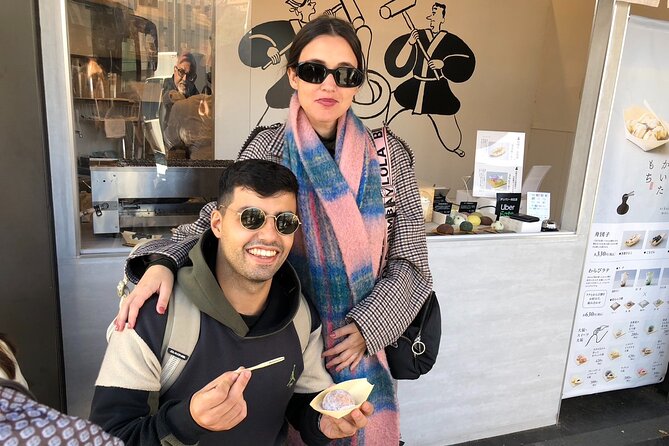
Here’s the best value point for a lot of people: the tour includes 4 to 5 food stations chosen for you, plus two soft drinks and water. That means you’re not spending your time doing the worst kind of travel math—trying to estimate prices, interpret labels, and pick the one stall that won’t disappoint you.
This is also why the “professional guide” part matters. The guide helps you avoid the classic Tsukiji problem: too many choices, too little time, and too much visual noise. You end up tasting a range of local delicacies rather than one repeated item you can’t stop thinking about later.
Because the exact foods aren’t listed in the details you provided, I can’t promise specific menu items. But you can expect the stations to connect to the market world you’re walking through: seafood culture, Japanese food staples, and the kind of small bites that make sense as you move from stall to stall.
And yes, alcohol is not included. You’ll see options available to purchase, but the tour notes that alcohol is only allowed for those 18 and older. If you want to keep the day focused on food and photos without side-tracking, this is helpful.
Walking Logistics for a 4-Hour Market Day
This is a 4-hour walking tour, and it starts and ends back at the same location: Tsukiji Hongan-ji Temple at 3-chōme-15-1 Tsukiji, Chuo City, Tokyo 104-8435. That round-trip setup is a small but real comfort. You’re not trying to figure out the last train while your stomach is full.
The tour is also described as near public transportation, which matters because Tsukiji can be a little confusing to navigate if you only rely on instinct. Starting at a temple next to a major station area reduces that friction.
Practical advice that will make your day easier:
- Wear comfortable walking shoes. Even if you love markets, your feet will be doing the work.
- Bring patience for standing. Many market food experiences are quick in-and-out moments.
- Eat when you’re guided. If you wait too long for the “perfect” bite, you may miss how the station sequence is planned.
Price and Value Check: $195 for a Guided Tasting Route
Let’s talk about the big number: $195 per person for about 4 hours, with a professional guide, up to eight people, 4–5 tastings, and drinks included.
Is it expensive? In Tokyo, yes, it’s not a budget stroll. But value isn’t just cost—it’s what you don’t have to do yourself.
With this tour, you get:
- Food decisions handled via 4–5 chosen stations
- Context while you eat, through guide commentary
- Temple + market pairing, not just seafood photos
- A small group setup, which reduces wasted time and confusion
If you’re the kind of traveler who wants Tsukiji to feel meaningful instead of chaotic, this price starts to make sense. You’re paying for someone to steer you through a complex area and make sure your time turns into food memories rather than “we walked around and got snacks.”
If you already know exactly where you want to eat and you’re comfortable navigating Japanese menus and crowds alone, you might decide you don’t need a guide. But most people find the guiding is what makes Tsukiji land better.
Who This Tour Fits Best (and Who Might Skip It)
This is a great match if you want:
- A guided plan through Tsukiji instead of random wandering
- Cultural context from Tsukiji Hongan-ji Temple
- A steady sequence of food stations you can trust
- The ability to ask questions in a group up to eight
It may not be the best choice if:
- You hate crowds and constant foot traffic
- You want a fully self-paced food crawl where you pick everything
- You prefer a longer sit-down meal experience rather than walking and sampling
Also, because alcohol isn’t included (and only for 18+), this tour leans toward staying clear-headed and food-focused.
Should You Book This Tsukiji Market Food Tour?
If your goal is to see Tsukiji and eat well without turning your day into decision fatigue, I’d book it. The mix of Hongan-ji Temple plus two market-focused blocks is a smart structure, and the small group size makes the experience feel more personal than you’d get on a bigger tour.
I’d say go for it especially if you appreciate explanation while you eat. Tsukiji isn’t just about sushi—it’s about the whole food world around it. A guide helps you notice that, and the included 4 to 5 tastings make sure you actually leave satisfied, not just full of photos.
If you’re on the fence, the clearest question to ask yourself is this: do you want help choosing where to eat and what to look for, or do you prefer to build your own route? This tour is built for the first kind of traveler.
FAQ
How long is the Tsukiji Market Food Tour?
The tour lasts about 4 hours.
How many people are in the group?
The experience has a maximum of 8 travelers.
Where does the tour start?
The tour starts at Tsukiji Hongan-ji Temple, 3-chōme-15-1 Tsukiji, Chuo City, Tokyo 104-8435, Japan.
What stops are included in the itinerary?
The tour includes Tsukiji Hongan-ji Temple, Tsukiji Jogai Market, and Tsukiji Fish Market.
Is admission included for the temple?
Yes. Admission for Tsukiji Hongan-ji Temple is free.
What’s included in the price?
The price includes a 4-hour walking tour with a professional guide, 2 soft drinks and water, and 4 to 5 food stations chosen by the tour’s team.
Are alcoholic drinks included?
No. Alcoholic drinks are not included and are available to purchase, with an 18+ requirement.
Is the ticket mobile, and is free cancellation offered?
You receive a mobile ticket, and you can cancel for a full refund up to 24 hours before the experience starts.