REVIEW · TOKYO
Hakone: Self Guided Trip to Mt. Fuji // Made by Local Guides
Book on GetYourGuide →Operated by Sunrise Adventure · Bookable on GetYourGuide
Hakone feels like a cheat code for Fuji day trips. You get a structured route with easy-to-follow PDF guidance, plus the freedom to move at your own pace. Two stops I really like are Moto Hakone for that old-village feel and Owakudani for the dramatic geothermal views and the famous black onsen eggs.
One thing to keep in mind: it’s self-guided, so you’re still responsible for local train/bus rides and any paid entry tickets, and some parts involve walking and elevation.
What makes this work is the planning support. The PDF spells out where to go and how to get there, and it includes practical food and transport recommendations so you’re not stuck guessing when you’re hungry or running late. I also like that the route is built around viewpoints and photo stops rather than “check-box tourism.”
The main caution is pacing and timing. Some activities can close earlier than you expect, so if you show up late in the day, you might miss the experience you came for.
In This Review
- Key Highlights Worth Your Time
- A One-Day Hakone Route That Gets You to Fuji Fast
- The PDF-First Plan: How the Guidance Helps in Real Life
- Shinjuku Morning: Starting Where Tokyo Transit Is at Its Best
- Moto Hakone: A Calm Village Start with Photo-Friendly Streets
- Amazake Chaya: Traditional Drinks in a Cozy Stop
- Old Tokaido Line Cobblestones: The Walk That Breaks Up Transit
- Lake Ashi and the Pirate-Ship Cruise: Fuji Views from the Water
- Owakudani: Geothermal Views and the Black Onsen Egg Tradition
- Price and Value: Why This Costs So Little
- Timing Tips That Save Your Day in Hakone
- Who This Self-Guided Mt. Fuji Day Trip Works For
- Should You Book This Hakone-to-Fuji Self-Guided Trip?
- FAQ
- How will I get the itinerary for this trip?
- What’s included in the price?
- What costs are not included?
- Where do I start the day?
- How long is the tour?
- Is it suitable for people with mobility limitations?
Key Highlights Worth Your Time
- Clear PDF itinerary you can use on your phone, with step-by-step guidance for a one-day loop from Shinjuku
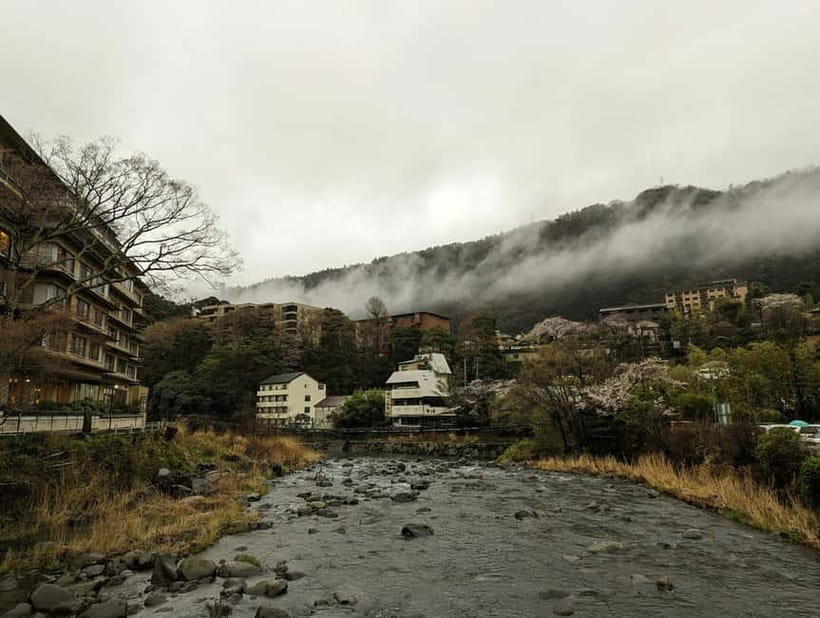
- Moto Hakone + Amazake stop for traditional flavors and a calmer start before the big views
- Old Tokaido Line cobblestones for a scenic walk/hike segment that breaks up the travel
- Lake Ashi pirate-ship cruise for a classic Mt. Fuji photo moment from the water
- Owakudani black onsen eggs with the folklore of seven years added to your life
- eSIM discount code included in the PDF (not required, but handy)
A One-Day Hakone Route That Gets You to Fuji Fast
This is a focused day trip in Hakone, built for people who want Mt. Fuji views without turning the whole day into route-planning homework. You start from Shinjuku station and work through a loop that hits the best “wow” moments: old streets, a lake cruise, and the geothermal area at Owakudani.
What you’re really buying is momentum. In Japan, a day can vanish fast if you’re constantly figuring out transfers, station exits, and meal timing. This plan gives you a clear order of stops plus on-the-ground suggestions for where to eat and what to look for as you go.
Also, the group size is up to 1, which is perfect if you like independence. You can stop for photos longer than planned, skip a snack, or slow down when you want. It’s still structured, but it’s not a “march in a pack” kind of day.
You can also read our reviews of more guided tours in Tokyo
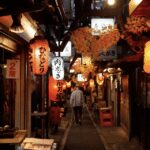
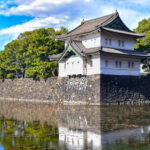
The PDF-First Plan: How the Guidance Helps in Real Life
After you book, you receive an email with the PDF itinerary. It may take 1–3 business days for them to reply, so plan ahead rather than waiting until the day before. Once you have the PDF, it’s the center of your trip: where to go next, how to get there, and what to do at each stop.
I like that it’s not just a list of places. The plan includes food recommendations at different points, which matters more than it sounds. You’re going to a full day of walking, scenic waiting, and transit. If you can quickly choose where to eat nearby without searching, you lose less time and you stress less.
One more practical touch: the PDF includes a $3 discount on an eSIM in Japan using a code inside the guide. Even if you don’t use it, it shows they’re thinking about connectivity, which helps when you’re self-guiding.
Keep expectations honest: the PDF gives instructions and tips, but it doesn’t replace local costs. Transport and any entry tickets are not included, and food isn’t included either—so you’ll budget for the basics separately.
Shinjuku Morning: Starting Where Tokyo Transit Is at Its Best
Your meeting point is simple: you begin at Shinjuku City / Shinjuku station, catching the first train. That’s a big deal. Shinjuku is one of Japan’s main hubs, so you’re starting from a place with options. If you’re comfortable reading station signs and following transit directions, this start makes your day-trip logistics easier.
A self-guided trip from Shinjuku also helps you maximize daylight. Hakone’s best views tend to reward earlier hours, and you’ll want time for a lake cruise and a visit to Owakudani without turning the last stop into a mad dash.
The tradeoff is that you’re responsible for keeping your timing. There’s no live person pacing you. The upside is freedom. If you’re someone who hates being herded, you’ll probably enjoy that.
Moto Hakone: A Calm Village Start with Photo-Friendly Streets

First up is Moto Hakone, a quaint village area set amid greenery. This is where the day changes gears from Tokyo’s energy into something quieter and more traditional.
You get about one hour here, with time for a break, sightseeing, lunch, and free time. This stop is a good warm-up for two reasons. First, it’s early enough that crowds usually feel manageable. Second, it gives you an easy win: streets lined with local shops and eateries, plus scenic scenery you’ll want to photograph.
What I like about Moto Hakone is that it’s not all “look and leave.” You actually have room to wander at your own pace. If you want to linger over small food counters or take multiple pictures of the street corners and views, the time buffer helps.
Potential drawback: if you arrive late, you’ll feel it. One hour is not a lot, so make sure you’re ready to move when the next part of the route calls.
Amazake Chaya: Traditional Drinks in a Cozy Stop
Next is Amasake Chaya. This is a dedicated tea stop with about one hour, and it centers on traditional amazake—sweet rice wine—served warm, along with savory snacks.
This is the kind of stop that makes a day trip feel human. Instead of racing from sight to sight, you pause for something you can taste. It also gives your body a reset. After train rides and walking, a warm drink can feel like a small lifesaver.
I’d treat this as more than a quick break. It’s a chance to slow down, sit for a bit, and enjoy a local routine. If you like food stops that feel tied to place, you’ll appreciate this part.
One practical consideration: because the day is scheduled tightly, don’t let the sitting become an all-day event. Eat, drink, recharge, then move on.
You can also read our reviews of more tours and experiences in Tokyo


Old Tokaido Line Cobblestones: The Walk That Breaks Up Transit
Then you head to 旧街道石畳(バス), which points to a segment involving the old road cobblestones and a walk/hike of about 45 minutes. The plan also references the Old Tokaido Line, described as a historic railway route that once connected Tokyo and Kyoto.
This part is valuable because it adds variety. Up to now, you’ve had transit and street time. A cobblestone walking segment gives you texture—actual ground under your feet—and a more active break before the bigger scenery moments.
Is it strenuous? The plan says it involves hiking/walking, and the overall tour isn’t suitable for low fitness or people with certain mobility and health limitations (including back problems and wheelchair use). If that applies to you, skip this style of day trip.
If you’re okay with moderate walking, you’ll likely like the rhythm: walk a bit, pause for views/photos, then continue.
Lake Ashi and the Pirate-Ship Cruise: Fuji Views from the Water
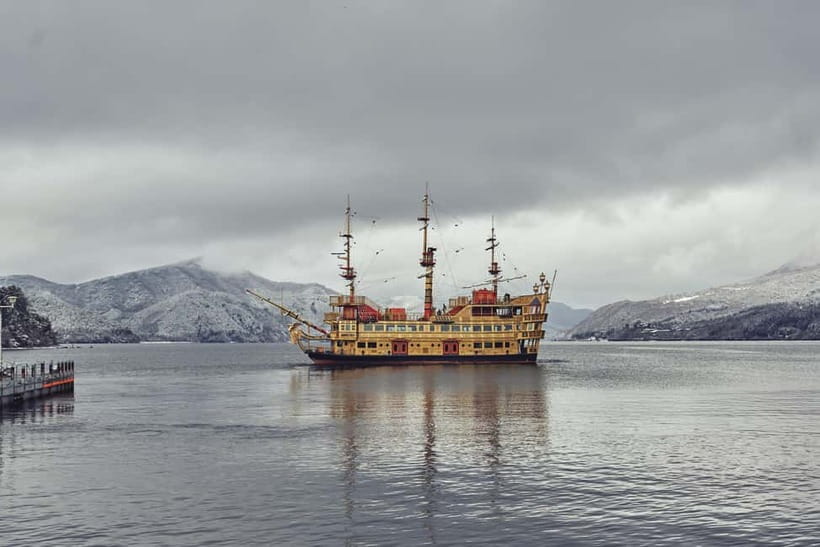
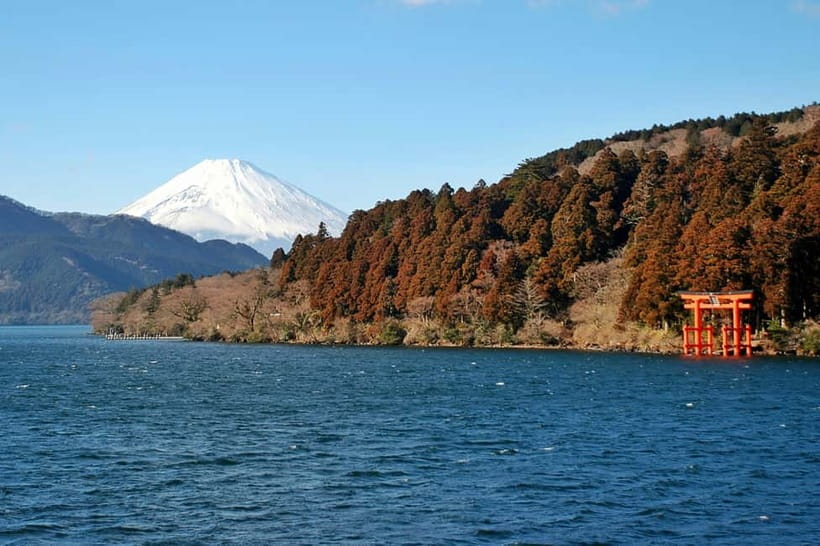
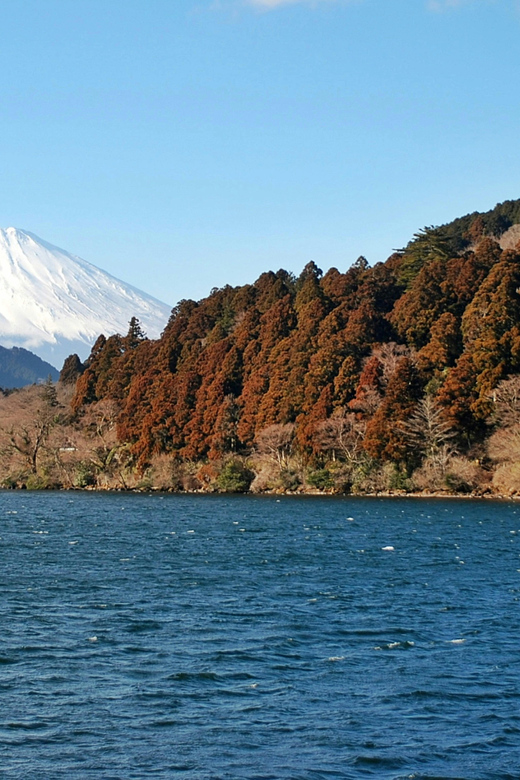
Lake Ashi is the big scenery stage. You get around one hour here for a photo stop, self-guided exploring, and scenic views on the way. Then the next block includes boat cruise and sightseeing with Mount Fuji visuals.
The highlight here is the pirate ship style cruise—yes, that theme is part of the fun. It’s the moment when Mt. Fuji can feel closest and most dramatic, especially if the weather plays nicely.
From a practical perspective, the cruise reduces decision fatigue. Instead of figuring out viewpoints one by one, you move across the lake and get built-in viewing angles. You also get that classic “Fuji with water in front” composition that’s hard to replicate quickly from land.
What I’d watch: the weather. The plan is designed for seeing Fuji, but visibility can change. If Fuji is faint, the lake cruise still delivers nice scenery, and you can still rely on the structured route to finish the day strong.
Owakudani: Geothermal Views and the Black Onsen Egg Tradition

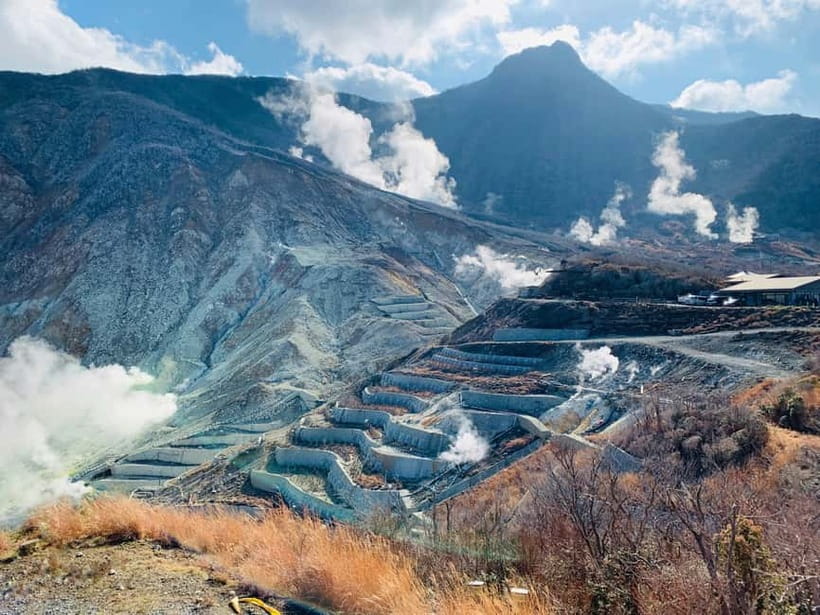
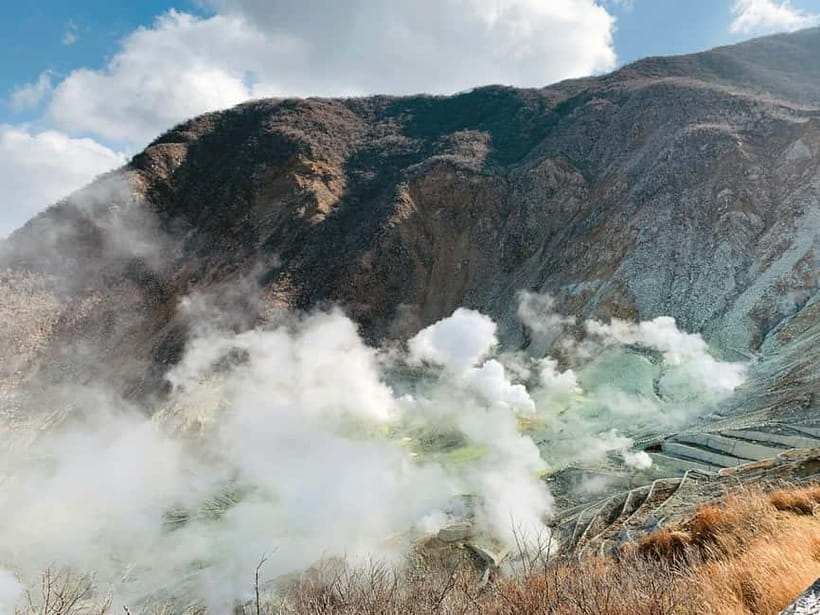
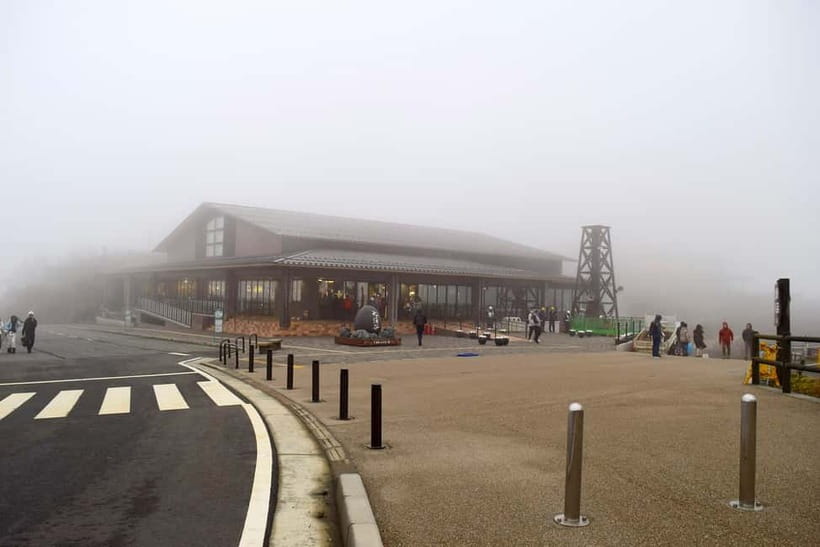
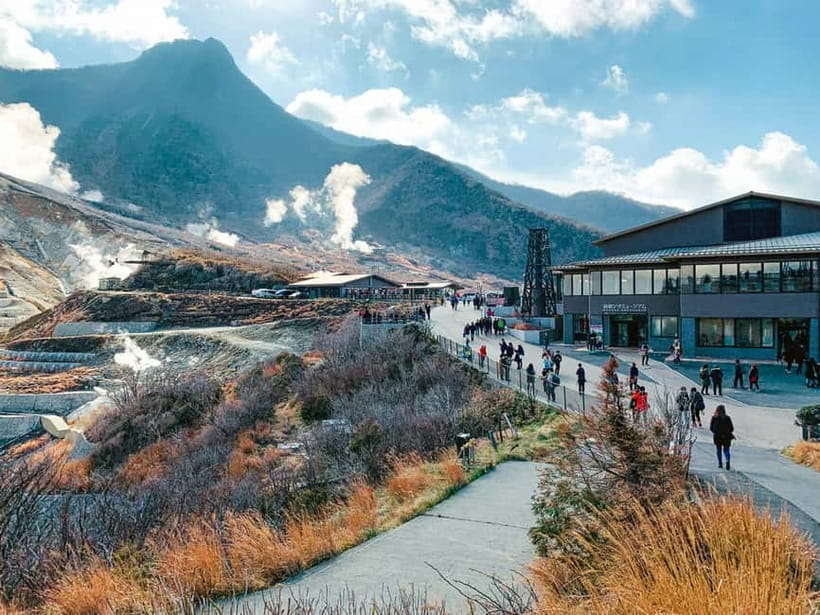
Finally, you end at Owakudani, Hakone, with about one hour for photo stops and self-guided sightseeing. This is the geothermal area where the air feels different and the views are unforgettable in a simple, elemental way.
The signature treat is the black onsen eggs, boiled in geothermal waters. There’s a legend attached: each egg adds seven years to your life. It’s not something you can measure, but it’s a fun cultural detail and a great reason to actually try the food instead of just photographing it.
Why this stop matters in a day itinerary like this: it’s both visual and edible. You get dramatic natural settings plus a food moment tied directly to the location. That combination is what turns a day trip into a memory.
Downside to consider: Owakudani involves walking around the area. It’s also in the same day as multiple transit segments, so if you’re prone to fatigue, you’ll want to take slow breaks and keep your energy for the final stretch.
Price and Value: Why This Costs So Little
This trip is listed at $3.22 per group (up to 1), which is extremely low for a day-long structured plan. With a price this small, you should think of it as paying for organization, not for transportation or attractions.
Here’s the value math:
- You get a full PDF itinerary with where to go and how to get there.
- You get photo stop guidance and scenic viewpoint focus.
- You get food and transport recommendations that reduce decision-making time.
- You get a $3 eSIM discount code included in the PDF.
What you don’t get: paid tickets, transit costs, meals, or a personal guide. So the actual spending day-of will still depend on what you choose to pay for and whether you buy any entries.
Still, for solo travelers or anyone who likes to move independently, this kind of low-cost structure can be a smart move. You’re basically buying a clear plan so you can spend your money on getting there and experiencing the places—rather than on convenience.
Timing Tips That Save Your Day in Hakone
Japan tends to run on schedules, and some attractions close earlier than you’d expect if you’re used to late hours back home. If you want to avoid disappointment, check closing times before you commit to your pace.
Here’s how I’d apply that to this day trip:
- Treat the middle of the day as flexible, but keep the end (especially Owakudani) anchored.
- Plan to arrive at stops early enough that you’re not forced to rush through photos.
- Don’t let a food break turn into a long sit if you’re aiming to complete everything.
Another timing point: you start from Shinjuku and you’re doing multiple segments in one day. That means small delays add up. If you’re traveling during busy periods, allow extra minutes for transit connections and walking.
Who This Self-Guided Mt. Fuji Day Trip Works For
This experience fits best if you:
- Like the idea of a planned route but want to set your own pace.
- Want classic Mt. Fuji and Hakone highlights in a single day.
- Prefer using a clear PDF and following transit directions rather than having a person guide you.
It may not work if you:
- Need step-free access or have mobility limitations, since the tour isn’t suitable for wheelchair users and includes walking/hiking segments.
- Have back problems or are managing recovery from recent surgeries.
- Have respiratory issues or low fitness.
The good news: if you’re broadly healthy and comfortable walking, you get a lot of classic scenery for minimal planning effort.
Also, the independence factor is real. You get to “make it yours” by choosing how long to linger at scenic spots, while still knowing what comes next.
Should You Book This Hakone-to-Fuji Self-Guided Trip?
I’d book it if you want a structured day that keeps you from wasting time figuring things out, and you’re happy to handle transit and tickets on your own. The PDF guidance plus viewpoint-focused routing is the core value, and the independence is a big part of the appeal.
I wouldn’t book it if you want a fully guided experience with live assistance at each stop, or if you rely on minimal walking and step-free movement. In that case, the self-guided format and the active segments will likely feel like work instead of fun.
If your goal is a memorable one-day Hakone sweep—Moto Hakone streets, an Amazake tea stop, Lake Ashi cruise for Fuji photos, and the Owakudani eggs—this is a practical way to do it without turning planning into your main hobby.
FAQ
How will I get the itinerary for this trip?
After purchasing, you’ll receive an email with the PDF itinerary. It can take 1–3 business days to arrive.
What’s included in the price?
The package includes a full PDF with where to go and how to get there, photo stops at scenic viewpoints, food recommendations at different stops, general travel tips for Japan, and a $3 eSIM discount code inside the PDF.
What costs are not included?
You’ll cover the actual costs of transport and entry tickets, plus food and hotel/accommodations. A personal guide is also not included.
Where do I start the day?
You start from Shinjuku station (Shinjuku City). The experience notes that the first train from Shinjuku station is part of the start.
How long is the tour?
It’s a 1-day self-guided trip.
Is it suitable for people with mobility limitations?
No. It’s listed as not suitable for people with mobility impairments, wheelchair users, people with back problems, and people with respiratory issues or recent surgeries, as well as those with low fitness.