REVIEW · TOKYO
Akihabara: Self-Guided Tour with a special brochure
Book on GetYourGuide →Operated by Shingo Travel., LLC · Bookable on GetYourGuide
Akihabara without a guide is a nice idea. This is a no-guide solo outing where a detailed English brochure (from an Akihabara tour guide) steers you through the district at your speed, starting near Akihabara Station.
I like two things right away: first, the brochure isn’t only about anime shopping. It also points you toward foods, history notes, and other stops. Second, the directions are meant to be practical for wandering—there are Google map links so you can find places as you go.
One thing to think about before you book: there is no English-speaking guide, and you’re relying on the brochure and your smartphone. If you can’t locate the brochure link right away, you’ll feel it fast, so set up your device before you step into the crowds.
In This Review
- Key Things to Know Before You Go
- Akihabara on Your Time: What This Self-Guided Tour Really Feels Like
- Starting at Akihabara Station: Using the Map Links Without Getting Stuck
- Anime Shopping Starts Here: Finding English Manga and Retro Games
- Food Breaks and Other Detours: Ramen, Batting Cages, and More
- Optional Maid Café: How to Do It on Your Own (and Handle Crowds)
- Price and Value: Why $6 Can Still Be Worth It
- The Logistics That Matter: Downloading, Navigating, and Staying Ready
- Who This Works Best For (and Who Might Prefer Something Else)
- Should You Book This Akihabara Self-Guided Tour?
- FAQ
- Where does the self-guided tour start?
- Is this a guided tour with an English-speaking guide?
- What’s included in the price?
- What do I need to bring?
- How long is the experience?
- Can I choose my own start time?
- Is a maid café included?
- How much does it cost?
- Is there wheelchair accessibility?
- What if I need to cancel?
Key Things to Know Before You Go
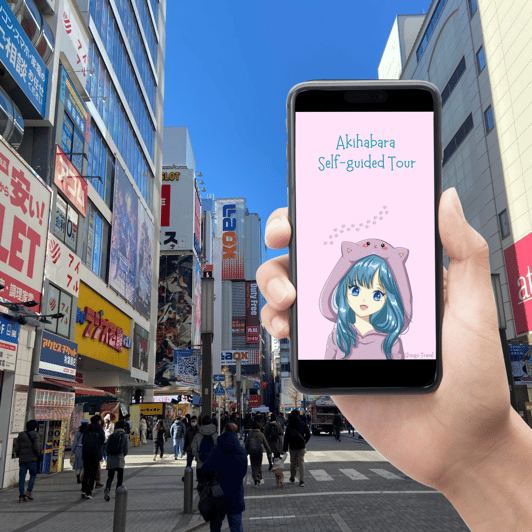
- English brochure written for Akihabara shopping and sightseeing: you’re not just chasing costumes, you’re following local-style tips.
- Google map links are built into the brochure: you can jump from store to store without guessing.
- Smartphone-only touring: bring a charged phone and use it as your main tool.
- Anime plus practical stops: manga, retro games, food spots, and even game arcades and batting cages.
- Maid café is optional, not included: you can go on your own using the brochure’s cues.
Akihabara on Your Time: What This Self-Guided Tour Really Feels Like
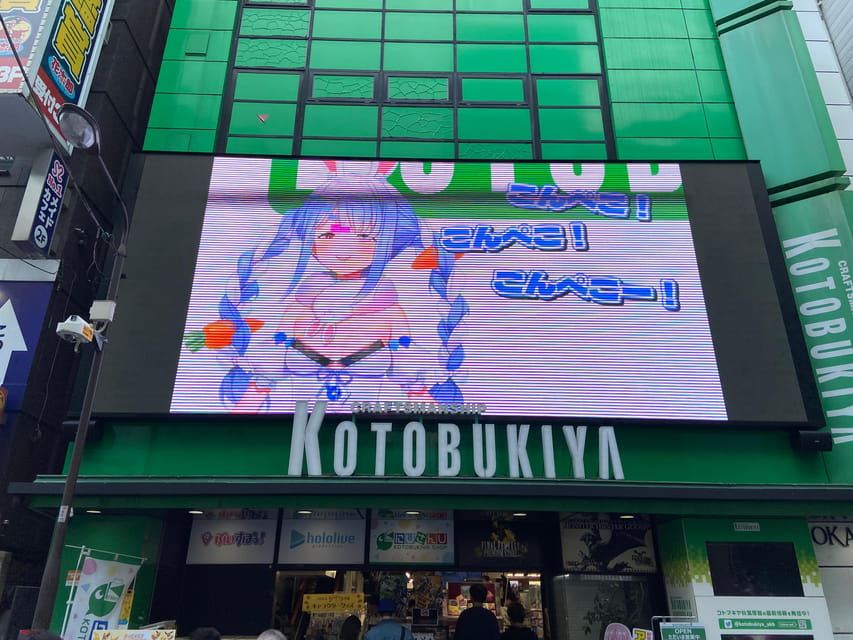
This one-day Akihabara experience is built for solo wandering. Instead of meeting a guide and following a strict plan, you start near Akihabara Station and use a prepared, English-language guide to choose what to do next. The whole point is control: you pause when a storefront grabs you, you skip what doesn’t, and you move on when your feet (or your curiosity) say so.
The brochure format matters. It’s written by someone who knows the district, and it’s meant to help you find the right kinds of stores quickly. That includes shops selling anime-related goods, English versions of manga, and places for retro games. If you’ve ever walked into Akihabara and thought, I like this area, but I don’t know where to start, this is the type of tool that reduces that stress.
The second reason this works is scope. Your route isn’t only anime. You’re also nudged toward food spots and other interest areas. Even if you’re mainly here for Japan’s subculture, adding ramen stops and quick history context makes the day feel less like a shopping spree and more like a real neighborhood read.
You can also read our reviews of more guided tours in Tokyo

Starting at Akihabara Station: Using the Map Links Without Getting Stuck
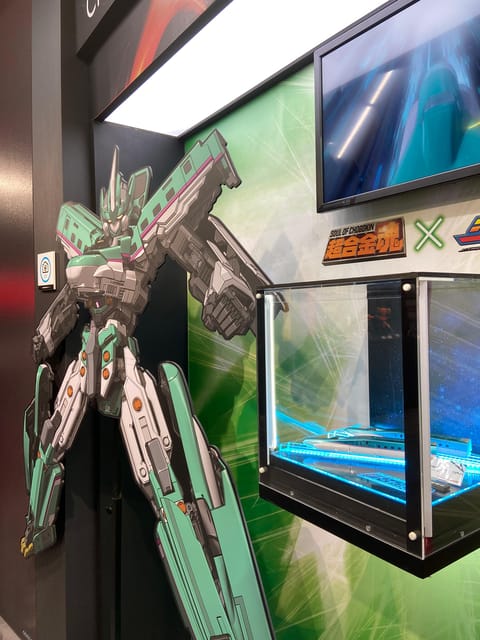
The recommended starting point is very specific: near Akihabara Station (the coordinates provided point you to the right area). Since this is a true no-guide experience, that matters. You’re not expected to wait for anyone. You’re expected to begin, then navigate using the brochure.
Here’s the practical approach I’d recommend. Before you walk far, open the brochure and confirm you can access the Google map links inside it. If a link fails or doesn’t open cleanly, you’ll waste time—especially in Akihabara where storefronts are close together and it’s easy to feel like you’re looping.
Your smartphone is your whole toolkit here. The tour instructions only require a charged phone, so make sure you’re not running low on battery partway through the day. If you’re traveling with a power bank, this is the kind of day where it can save your momentum.
Also, notice the wording on the meeting point: it’s not a meetup. It’s a suggested launchpad. Treat it like an entry ramp, not a rendezvous.
Anime Shopping Starts Here: Finding English Manga and Retro Games
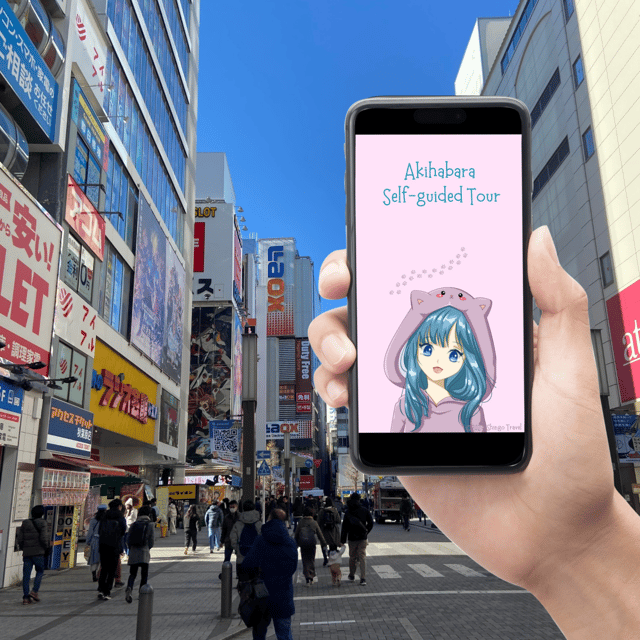
Akihabara is famous for anime and electronics, but it can feel overwhelming fast. This brochure is designed to cut down the guesswork by telling you where to look and what kind of shop you’re entering.
One big value for English speakers is that the guide specifically helps you find stores that offer English versions of manga. Even if your Japanese is solid, reading comfort matters for a shopping day. It changes what you can enjoy on the spot, instead of translating everything under pressure.
Another focus is retro gaming. The guide includes tips for tracking down places that carry older consoles and software. That’s the kind of detail that’s hard to figure out just by wandering random streets, because you’re not only searching for items—you’re searching for the right kind of shop environment where that inventory is actually sold.
If you care about arcades and game floors, you’ll likely appreciate the way the guide points you toward game stops rather than only retail stores. Some people find Taito Station particularly fun for squeezing in arcade play between shopping runs. Even if you don’t plan to spend much, it’s a good breather that still feels like Akihabara.
Food Breaks and Other Detours: Ramen, Batting Cages, and More

A lot of Akihabara days go wrong when everything is shopping and nothing is a break. This brochure avoids that by including non-shop stops. You get leads on ramen noodle restaurants and also places like batting cages. Those diversions matter because they help you keep moving without burning out.
Ramen is a highlight to plan for. One useful timing tip: if you head to Tanaka ramen around 12, plan for a line that can be at least 30 minutes. The good news is the day is flexible. If you hit that queue, you can either wait or use the time to shift to another nearby stop the brochure identifies.
Batting cages also add variety in a practical way. They’re not just a novelty; they give you something to do that’s very “Tokyo,” but not dependent on understanding electronics specs or anime jargon.
And beyond food and games, the brochure includes history and other points of interest. You don’t need a full lecture to make it useful. Even short context can help you understand why certain stores exist where they do, and how Akihabara’s identity keeps evolving.
Optional Maid Café: How to Do It on Your Own (and Handle Crowds)
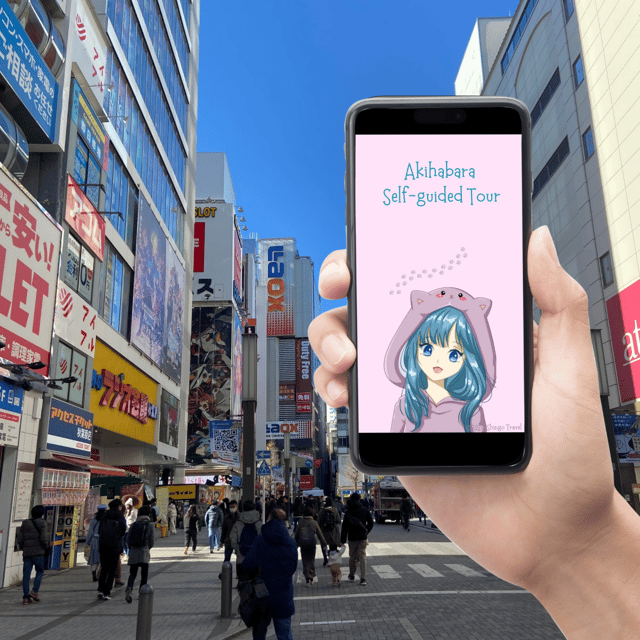
Maid cafés are one of those experiences that attracts people who want something playful and very Japan. This tour doesn’t package a maid café visit as an included activity. Instead, the brochure helps you go there on your own, when you choose.
The guide describes it as a pop and kawaii culture stop where you’ll be welcomed inside to chat with a maid. It also notes that it may be packed during weekends. So treat this as a plan-for-the-crowd situation: if you go at a peak time, expect it to feel busy.
There’s also a small but meaningful script included. The brochure suggests saying: I came here recommended by Shingo Travel. That’s the kind of detail that can make the experience feel smoother, especially if you’re nervous about how to start the interaction.
If a maid café isn’t your thing, you can skip it and still have a full day. The brochure coverage doesn’t depend on that stop to be worth your time.
You can also read our reviews of more tours and experiences in Tokyo






Price and Value: Why $6 Can Still Be Worth It
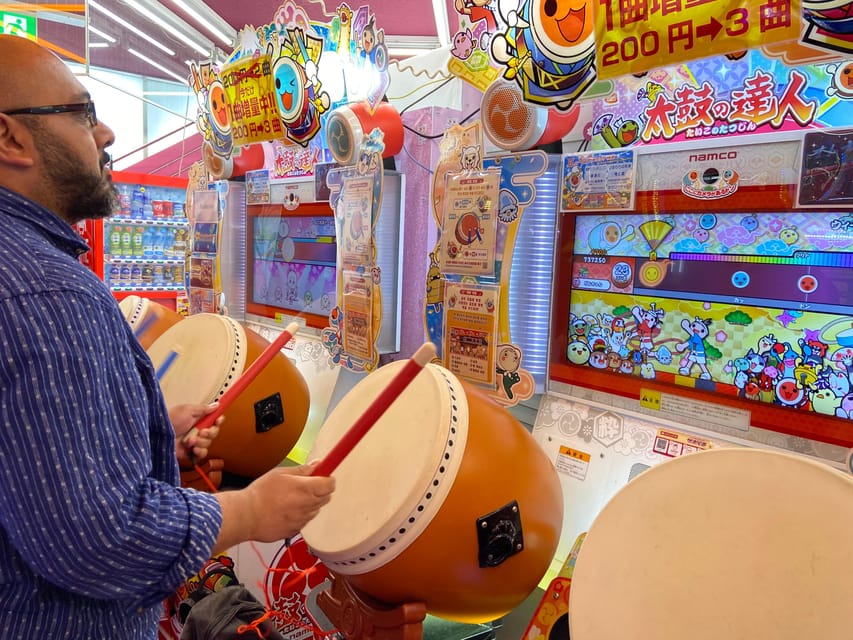
At $6 per person for a one-day self-guided experience, the price is surprisingly low. The value isn’t in a person-to-person service. It’s in the tool: an English brochure written by an Akihabara tour guide plus Google map links to reduce wasted walking.
So you’re paying for efficiency and direction. In Akihabara, that matters because the district is dense. If you spend an extra hour bouncing between wrong places, the cheap price stops feeling cheap.
This also tends to work best for people who are already comfortable exploring solo. If you like to follow a light plan but don’t want a rigid schedule, you’ll get more out of this than someone who expects a spoken explanation.
At the same time, you do give up an advantage: there’s no English speaking guide. If you want real-time Q&A, negotiation, and instant answers, this is not that style of tour.
The Logistics That Matter: Downloading, Navigating, and Staying Ready
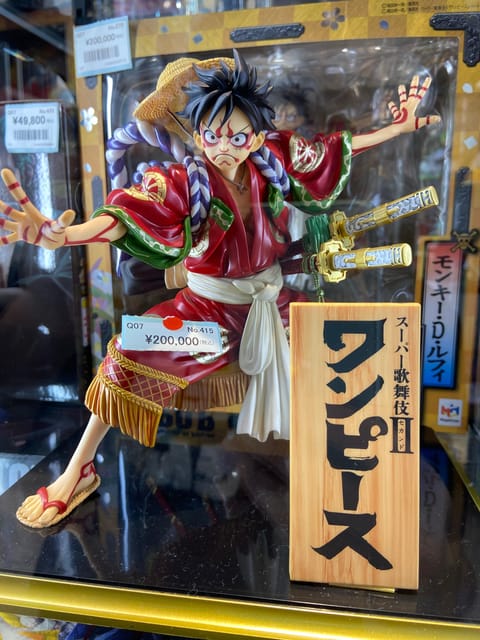
Because this is a no-guide format, your success depends on prep. The tour is smartphone-based, and the brochure is the core item you need. If you can’t find the brochure quickly, you’ll lose your advantage immediately.
So here’s what I’d do to protect your time:
- Confirm you can access the Akihabara brochure before you head out.
- When you open it, test at least one Google map link so you know it works on your phone.
- Make sure your phone has enough charge for a full day of checking maps and finding stores.
One more thing: some people struggled with finding the brochure or accessing map links. That’s not something you can fully control, but you can reduce stress by checking everything early. If you plan to buy your “plan” late, give yourself time for tech to load.
Who This Works Best For (and Who Might Prefer Something Else)

This fits best if you’re:
- Visiting Akihabara for anime, retro games, and related subculture shopping.
- Comfortable navigating solo.
- Happy to use a detailed English brochure as your main companion.
- Interested in mixing retail with food stops like ramen and fun diversions like arcades and batting cages.
It’s less ideal if you:
- Want an English-speaking guide walking you through decisions and translations.
- Get frustrated when directions depend on a phone map link.
- Prefer fully scheduled experiences where you don’t have to decide what’s next.
The sweet spot is a traveler who wants autonomy but appreciates local tips. If that’s you, this kind of format can turn a chaotic district into a day that feels like you’re following a game walkthrough—choose a quest, hit the spot, move on.
Should You Book This Akihabara Self-Guided Tour?
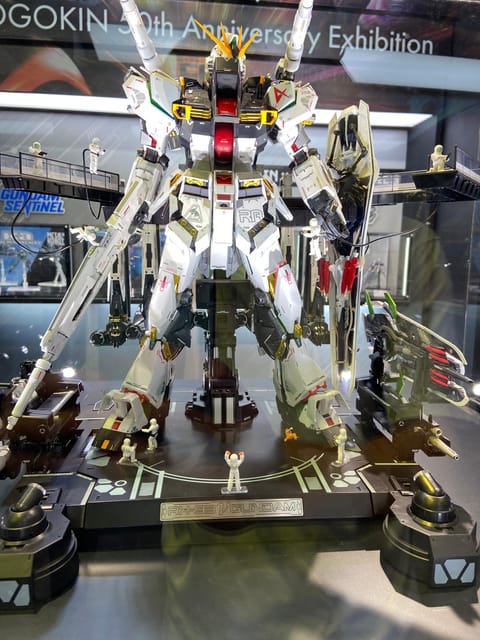
I’d book it if you want an inexpensive, structured way to explore Akihabara without paying for a guided group. The price makes sense because you’re getting a guide-level brochure, in English, with map links that help you move efficiently. And the breadth—anime shopping plus food, history, and other practical detours—means you’re not stuck doing one thing all day.
Skip it if you need live help, translation support, or a strict itinerary. If your phone access is unreliable, or you dislike self-navigation, you’ll feel the missing guide right away.
If you’re ready to wander with a plan in your pocket, this is a solid buy for a one-day Akihabara experience.
FAQ
Where does the self-guided tour start?
The recommended starting point is near Akihabara Station, using the coordinates 35.698613452321446, 139.7726244449829. This is not a meetup with a guide.
Is this a guided tour with an English-speaking guide?
No. It’s a no-guide experience. You’ll explore on your own using the English brochure.
What’s included in the price?
You get the Akihabara brochure written in English by an Akihabara tour guide. The brochure also includes Google map links to help you find locations.
What do I need to bring?
You only need a charged smartphone.
How long is the experience?
It’s valid for 1 day.
Can I choose my own start time?
The tour is valid for 1 day, and starting times depend on availability. You’ll need to check availability to see what’s offered.
Is a maid café included?
Going to a maid café is optional and you would do it on your own. Additional maid café activities are not included.
How much does it cost?
The price is $6 per person.
Is there wheelchair accessibility?
Yes, the tour is wheelchair accessible.
What if I need to cancel?
You can cancel up to 24 hours in advance for a full refund.