REVIEW · TOKYO
Tokyo: 60min Panoramic Open Top Bus Tour with Audio Guide
Book on GetYourGuide →Operated by Hato Bus Co., Ltd. · Bookable on GetYourGuide
Tokyo gets a new angle at street level height. This 60-minute open-top double-decker ride gives you steady, uninterrupted views while GPS audio in eight languages guides you past Tokyo’s big-name landmarks.
I love the way the route works for first-timers: you get standout angles of Tokyo Tower, plus the breezy feeling of passing places like Rainbow Bridge without hunting for the right viewpoint. One catch: if the weather turns rough, the roof can close and the tour may cancel due to heavy rain.
In This Review
- Key things to know before you go
- The One-Hour Panoramic Loop You Can Actually Finish
- How to Get On at Hato Bus Tokyo Station (and Not Get Lost)
- The Audio and GPS System: Easy When You Bring the Right Gear
- The Route: What You’ll See From Hibiya Park to Ginza
- Hibiya Park
- National Diet Building
- Toranomon
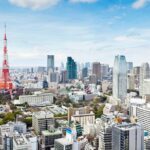
- Tokyo Tower
- Rainbow Bridge, Tokyo
- Odaiba
- Toyosu
- Tsukiji Outer Market
- Kabuki-za
- Ginza
- Why This Works Better Than Trying to Copy the Views Alone
- Comfort Notes: Why People Call It Easy for a Full Hour
- Weather: The Open-Top Part Is the Whole Point (Until It Isn’t)
- Price and Value: Why $14 Can Make Sense in Tokyo
- Who Should Book This Bus Tour (and Who Might Skip It)
- Should You Book Tokyo’s Open-Top Bus Loop?
- FAQ
- Where does the tour start and end?
- How long is the tour?
- Is this a hop-on hop-off bus?
- What’s included in the price?
- What languages are available for the audio guidance?
- Do I need to bring my own earphones?
- Do I need a smartphone?
- Can I eat or drink on the bus?
- What happens if it rains?
- Are children allowed for free?
Key things to know before you go
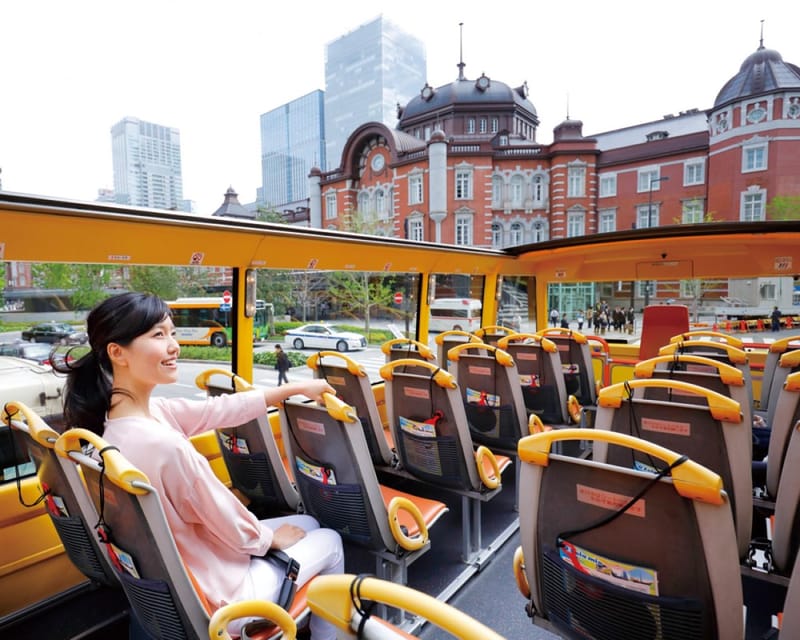
- Uninterrupted views for the full hour (it’s not hop-on, hop-off)
- GPS automated guidance in 8 languages using your phone and your own earphones
- Tokyo Tower and Rainbow Bridge from the road, where you usually just zoom past
- Stops built around major photo-and-sight corridors, including Ginza and Tokyo Bay-area stretches
- Weather can change the ride, since the open roof may close in rain
The One-Hour Panoramic Loop You Can Actually Finish
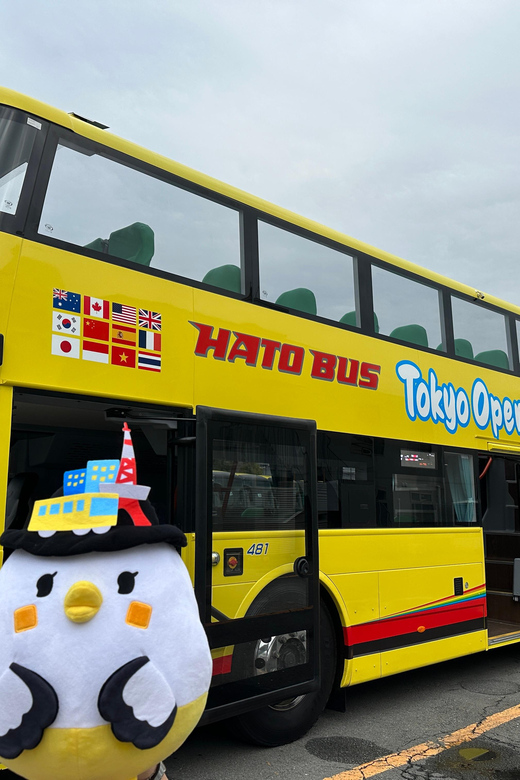
This tour is designed for a simple goal: see a lot of Tokyo’s famous skyline in a short window. You stay on a double-decker open-top bus, so your view line stays high and continuous, rather than resetting every time you walk to a new spot.
It also helps that the timing is tight and honest. At 60 minutes, you’re not trying to “do Tokyo” for a whole day. You’re getting a concentrated sweep past Tokyo Station-area landmarks, classic downtown sights, and Tokyo Bay-adjacent scenery that many people only reach after the morning is already gone.
You can also read our reviews of more guided tours in Tokyo
How to Get On at Hato Bus Tokyo Station (and Not Get Lost)
You’ll meet at the Hato Bus Tokyo Office at Tokyo Station, near the JR Tokyo Station Marunouchi South Exit. The directions are straightforward: when you come out, turn left and walk straight for about two minutes until you see the yellow bus.
If you’re the type who likes a backup plan, note the meeting coordinates are 35.678964, 139.765781. That’s useful when your phone map app refuses to cooperate, which—welcome to cities—happens sometimes.
The tour starts and ends at the same place, so you don’t have to think about where you’ll be dumped at the end. For a short sightseeing budget, that kind of “round-trip sanity” is worth something.
The Audio and GPS System: Easy When You Bring the Right Gear
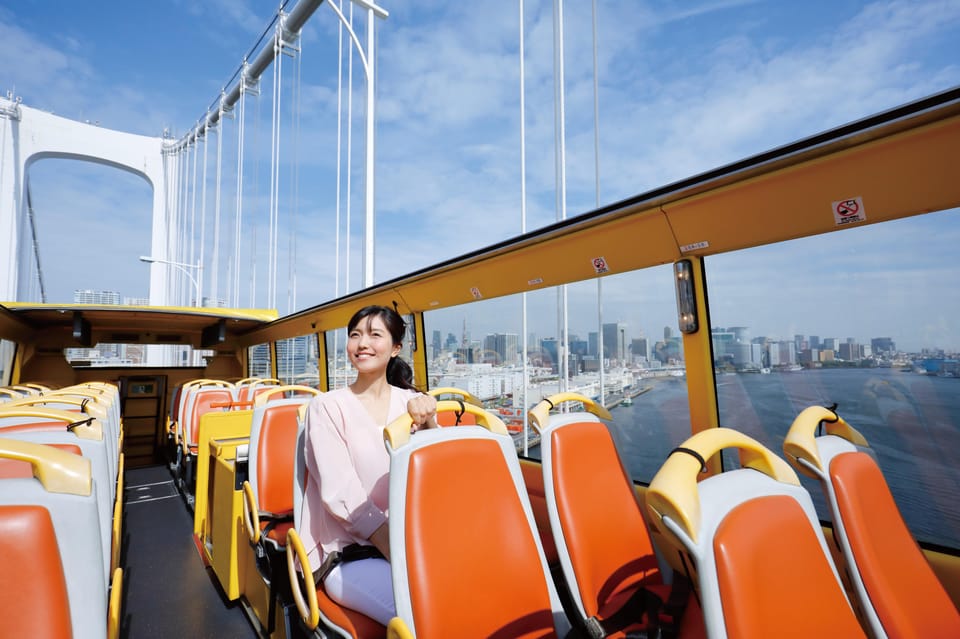
The tour includes an audio guide, but you won’t receive a separate rental device. The GPS-based system is provided through your own smartphone, and you’ll need your own earphones.
That means before you head out, do a quick checklist:
- Bring a smartphone that can be used in Japan.
- Bring earphones you already like.
The system is GPS-based guidance available in eight languages, which includes English, Chinese, Korean, Spanish, French, Thai, Indonesian, and Vietnamese. A live guide is listed as Japanese-speaking, so you’ll still get human direction when needed.
One more practical detail: if technical issues happen, no refunds are given for technical problems or malfunctioning earphones. So if your earphones are only “kind of okay,” this is the moment to use the ones you trust.
The Route: What You’ll See From Hibiya Park to Ginza

This is a pass-by route, not a long stop-and-stare experience. You’ll move through Tokyo by bus and watch major landmarks slide past your windows, with GPS guidance keeping you oriented.
Here’s how the ride generally “lands” in your mind as it progresses:
Hibiya Park
Starting with Hibiya Park gives you a fast taste of central Tokyo’s layout. Even if you don’t get off, you see how quickly the city opens into well-known areas that connect to major government and commercial zones.
You can also read our reviews of more tours and experiences in Tokyo


National Diet Building
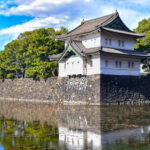
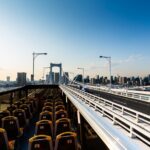
Passing the National Diet Building is a great early anchor. It’s one of those recognizable “this is the capital’s center of gravity” sights, and you get a view angle without lining up or timing ticketed entry.
Toranomon
Toranomon is where the skyline starts to look like the business-district Tokyo people imagine. You’ll likely notice the shift from classic landmarks toward dense urban streets, which helps the rest of the loop feel more meaningful.
Tokyo Tower
Tokyo Tower is the moment many people remember. You’ll get multiple angles simply because you’re on the bus, moving through the city rather than standing still. That’s why it works so well on a one-hour format: it’s not just seeing Tokyo Tower—it’s seeing it from the road.
There’s also something satisfying about the pacing here. You don’t have to decide what “the best spot” is. The bus brings you along a path where the views keep changing.
Rainbow Bridge, Tokyo
Then comes the breezier-feeling segment: Rainbow Bridge. Even if you only catch it from the bus, it’s a strong visual marker of Tokyo’s waterfront. You’ll feel the shift toward Tokyo Bay-area scenery, including that “open air” feeling the open-top bus is made for.
Odaiba
Odaiba is where the route leans into the Tokyo Bay vibe people associate with modern city life. From the road, it reads like a different Tokyo chapter—more waterfront and more planned, city-facing geometry.
Toyosu
Toyosu adds another layer of “Tokyo as an engine.” The area tends to look more industrial or functional from street level, and passing it helps break the ride into distinct visual zones rather than one endless skyline shot.
Tsukiji Outer Market
You’ll pass the Tsukiji Outer Market area, which is useful even if you don’t get off. This is one of those Tokyo places that feels like a magnet for food culture, and seeing it from the bus helps you connect the neighborhood with what you’ll likely want to explore later.
Kabuki-za
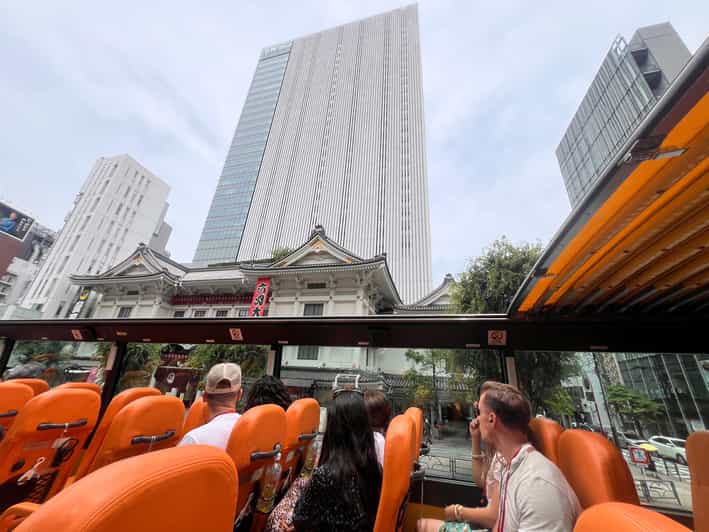
Kabuki-za is a strong reminder that Tokyo isn’t only towers and shopping streets. Passing it is a quick cultural waypoint that doesn’t demand planning time, yet still gives your route texture.
Ginza
Finally, Ginza is a clean finish. You get the upscale shopping and street-energy vibe as you roll toward the end. Even if you’re not stopping for shopping, the area helps the loop feel like a complete “greatest hits” section of central Tokyo.
Why This Works Better Than Trying to Copy the Views Alone
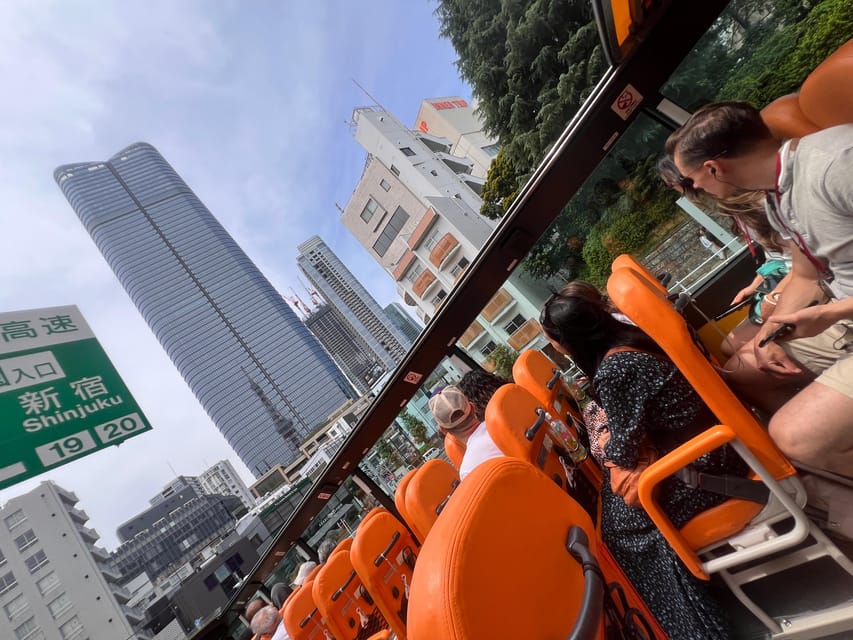
If you’ve ever tried to recreate a bus route viewpoint on foot, you know the problem: viewpoints are far apart, and time evaporates fast. This tour solves that by doing the moving for you.
The best value here is the way the bus turns into a moving platform. You watch Tokyo’s landmarks slide into view in a logical sequence, and the GPS audio keeps the “where am I?” question from slowing you down.
That one-hour structure also makes it easier to stack with other plans. For example, you can use it as an orientation layer before you go deeper into neighborhoods later.
Comfort Notes: Why People Call It Easy for a Full Hour
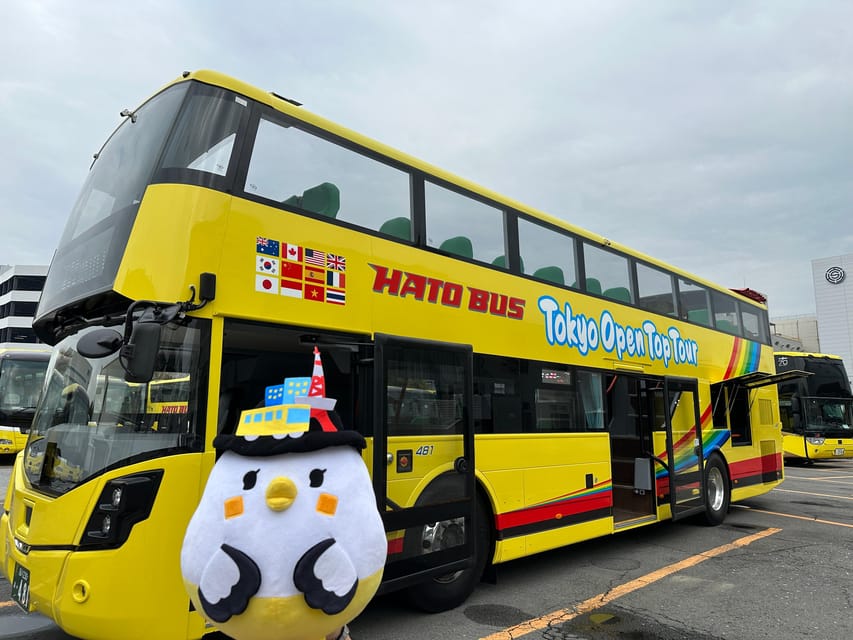
Comfort shows up as a big plus in the overall feedback. This ride is short enough that it doesn’t turn into an endurance test, and the double-decker setup generally gives you space for your view without crowding your whole experience.
A second comfort factor is the “continuous view” style. You don’t have to keep stopping, crossing streets, or recalculating transit routes between sites. Your attention stays on what’s outside.
Two small practical rules to remember:
- Eating isn’t allowed on the bus.
- Drinks in plastic bottles are permitted.
So plan a quick snack before you board (or after you get back), and save any drinking for bottled convenience.
Weather: The Open-Top Part Is the Whole Point (Until It Isn’t)
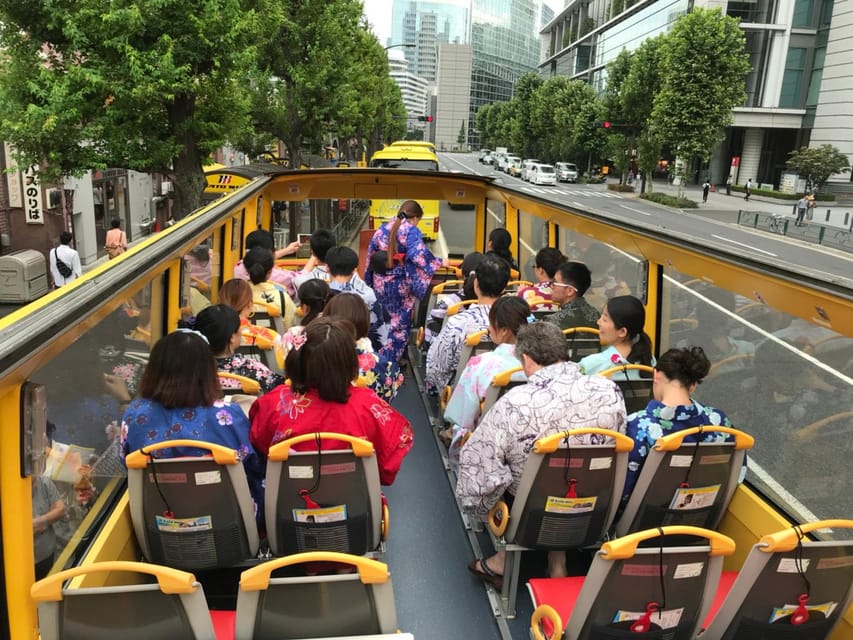
This tour is built for the feel of Tokyo air—your chance to enjoy the breeze as you pass major sights. But rain changes the equation fast.
If it’s raining, the bus roof may be closed. In bad weather or heavy rain, the tour may be canceled. That’s the main trade-off for choosing an open-top experience over a fully enclosed one.
My advice is simple: if the forecast looks questionable, think of this as one option in your day plan rather than the only plan. You still get something out of Tokyo Station-area sightseeing even on a day when the bus can’t run.
Price and Value: Why $14 Can Make Sense in Tokyo

At about $14 per person for 1 hour, this isn’t a “tour splurge.” It’s more like paying for a fast, guided city sweep that normally costs more in time than money.
Here’s where the value comes from:
- You get a double-decker open-top experience with city views you’d work hard to string together on foot.
- GPS guidance covers the big-name landmarks in multiple languages, so you’re not guessing or relying only on your own research.
- It’s a tight duration. You’re buying time efficiency more than a long cultural lecture.
If you’re in Tokyo for a short stay, this kind of format often pays off. Even if you later revisit areas in more depth, this tour helps you connect neighborhoods and landmarks immediately.
If you’re already planning to spend hours walking the downtown core, the bus still can be a helpful shortcut—but you’ll get the most from it if you want a “big picture” hit first.
Who Should Book This Bus Tour (and Who Might Skip It)
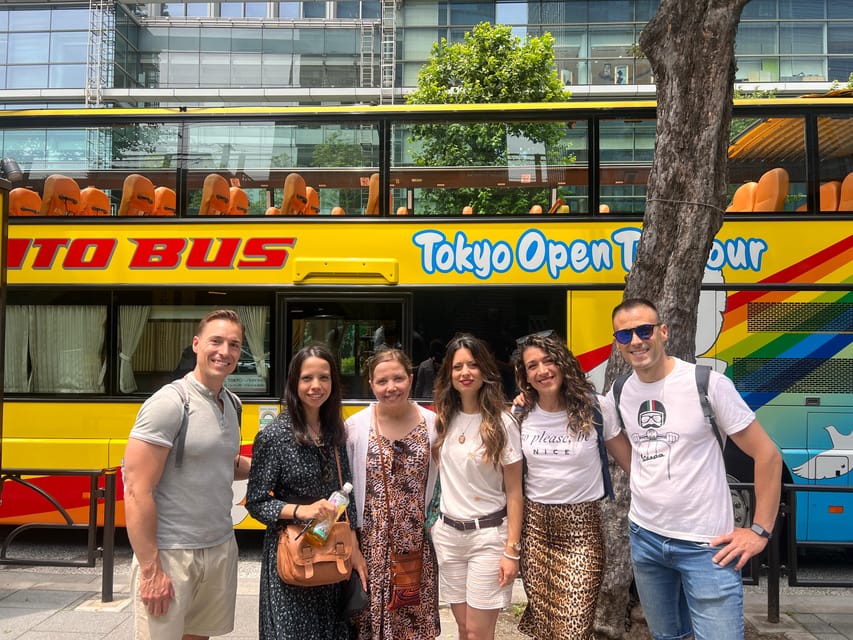
This tour is a good match if you:
- Want a short orientation loop around central Tokyo.
- Like skyline viewing and street-level panoramas.
- Prefer guided interpretation without extra ticket lines.
- Don’t want to do a hop-on hop-off system and manage stops.
It may be less ideal if you:
- Expect to get off and explore each landmark for a long time (this is a pass-by ride).
- Need guaranteed open-top conditions regardless of weather.
- Hate using a phone with earphones during sightseeing.
For most first-time visitors, it lands in the sweet spot: easy, efficient, and built around the kind of sights people actually remember.
Should You Book Tokyo’s Open-Top Bus Loop?
If you’re trying to get a lot of Tokyo’s “name-brand sights” into a single hour, I’d book it. The combination of open-top views, GPS guidance in eight languages, and a route that covers Tokyo Tower, Rainbow Bridge, and Ginza makes it a practical way to see the city without turning your day into logistics homework.
Just go in with one mindset: you’re buying a moving panorama, not a series of museum-style stops. And if rain is in the forecast, keep your plan flexible so weather doesn’t steal your momentum.
FAQ
Where does the tour start and end?
It starts and ends at the Hato Bus Tokyo office near Tokyo Station. The meeting point is at the Hato bus stop at Tokyo Station.
How long is the tour?
The tour runs for 1 hour.
Is this a hop-on hop-off bus?
No. It is described as not being a hop-on hop-off service.
What’s included in the price?
You get a double-decker open-top bus ride and an audio guide.
What languages are available for the audio guidance?
The GPS automated guidance/audio is available in eight languages: English, Chinese, Korean, Spanish, French, Thai, Indonesian, and Vietnamese.
Do I need to bring my own earphones?
Yes. You’ll need your own earphones. GPS devices and earphones are not provided for rental.
Do I need a smartphone?
Yes. You need a smartphone that can be used in Japan. The guidance uses your phone.
Can I eat or drink on the bus?
Eating is not allowed on the bus. Drinks in plastic bottles are permitted.
What happens if it rains?
The bus roof may be closed in case of rain, and the tour may be canceled due to bad weather or heavy rain.
Are children allowed for free?
Children under 6 years old without a seat can join for free, with one child per adult.