REVIEW · TOKYO
Tokyo Haneda: Bento & Ramen Gyoza Cooking Class in a Local home
Book on Viator →Operated by COOKING TRIP · Bookable on Viator
Cooking in a Tokyo home feels personal. This class is built around hands-on cooking (you make your own bento) in a friendly Ota-ku neighborhood, with hosts who guide you step by step. I also like the free-flow drinks with your meal, so the whole experience feels relaxed instead of rushed. One thing to consider: there’s no private transportation, so you’ll want to plan your own route to the meeting point near Haneda.
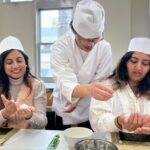
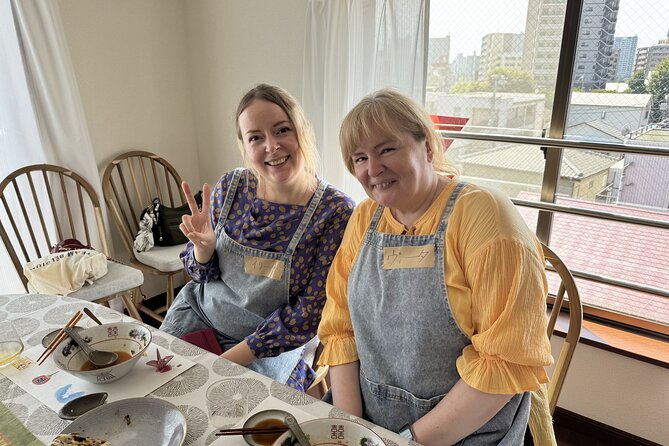
The best part is the home-kitchen vibe. You’re not watching from the side; you’re doing the work, tasting as you go, and eating what you’ve made right there. The hosts include Nao, Machiko, and Yoko, and multiple classes emphasize clear English support and patient coaching.
If you’re a picky eater or have allergies, tell the organizers in advance. They can adapt in some cases (one class even included gluten-free udon noodles), but you should still communicate needs early.
In This Review
- Why This Haneda-Area Home Kitchen Works So Well
- Meeting Point in Ota-ku: Plan Your Simple Arrival
- What You’ll Cook: Bento, Ramen, Gyoza, and Possible Add-Ons
- Step-by-Step Cooking in a Real Home Kitchen
- A note on cooking skills
- The Meal Part: Eat What You Made, With Drinks Included
- Souvenir You Actually Use: Chopsticks and Chopstick Rest
- Pricing and Value: Why $60 Can Feel Like a Deal
- Who This Is Best For (and Who Should Think Twice)
- Tips to Get the Most Out of the Class
- Should You Book This Cooking Class?
- FAQ
- How long is the cooking class?
- What does the $60 price include?
- Is this class private?
- Where is the meeting point?
- What time does it start?
- Do I need to arrange my own transportation?
- What if I have food allergies?
- Is free cancellation available?
Why This Haneda-Area Home Kitchen Works So Well
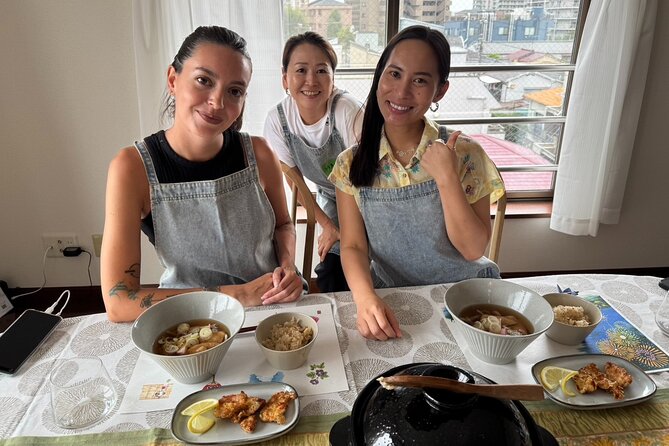
This is a Tokyo cooking class with the feel of a visit to someone’s kitchen. The location is in Ota-ku (Nishirokugō), and it’s described as easy to reach from Haneda Airport—useful if you want a cultural activity without spending half the day crossing the city.
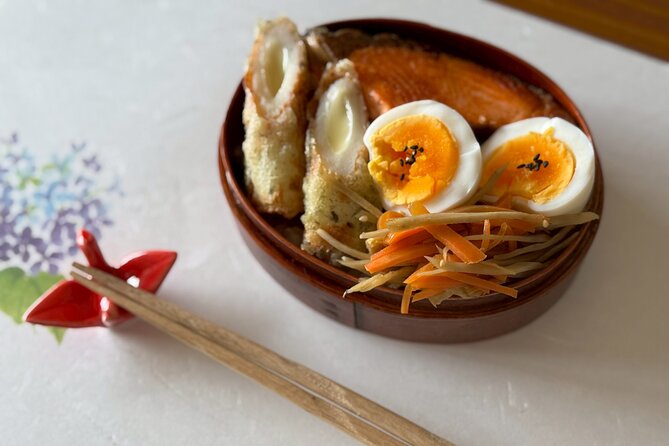
What I like about the setup is that it’s not about cooking “performance.” The promise is simple: you’ll make bento from start to finish, then eat it. In practice, that means you’ll learn how Japanese home cooking is assembled—timing, portioning, and how sauces and textures fit together in real life.
It also helps that it’s private. Only your group participates, which usually translates into less waiting, more direct questions, and a calmer pace for kids and adults alike.
Meeting Point in Ota-ku: Plan Your Simple Arrival
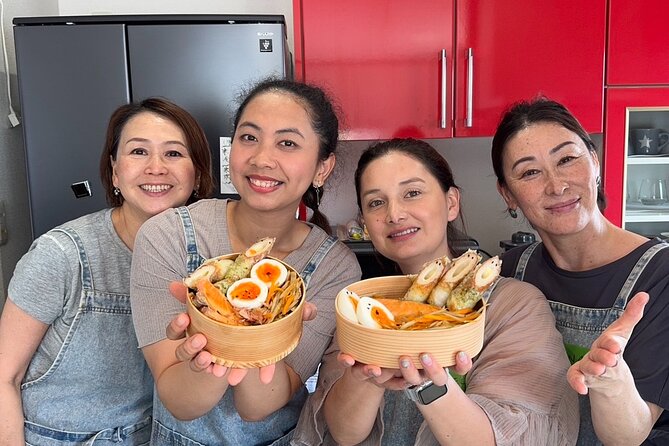
You’ll meet at Japan, 144-0056 Tokyo, Ota City, Nishirokugō, 4-chōme109 グレースマンション原田. The class starts at 11:00 am and the activity ends back at the meeting point.
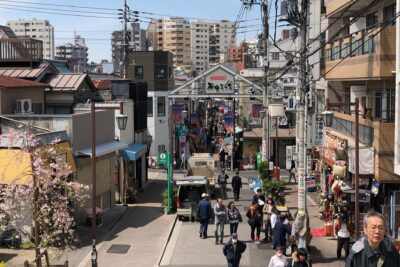
Because there’s no private transportation included, treat this as a “use public transit and walk the last bit” situation. One helpful detail: the meeting area is described as a few minutes’ walk from a nearby train station (and it’s close to Haneda), so you likely won’t be stuck with a long, confusing transfer.
If you’re traveling with kids, arriving a little early is smart. In a home setting, you want time to get settled, confirm your group, and start cooking without stress.
You can also read our reviews of more cooking classes in Tokyo
What You’ll Cook: Bento, Ramen, Gyoza, and Possible Add-Ons
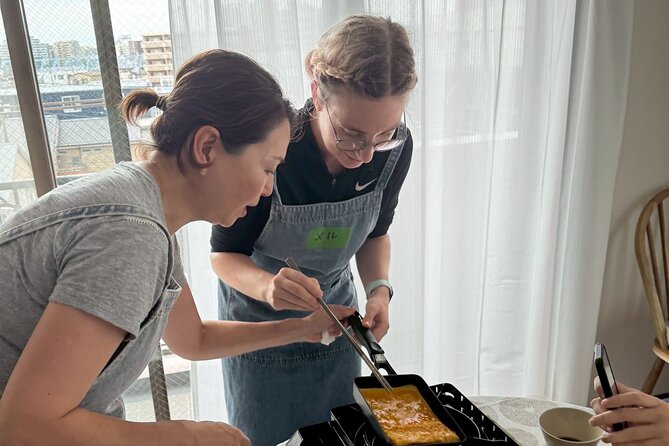
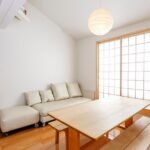
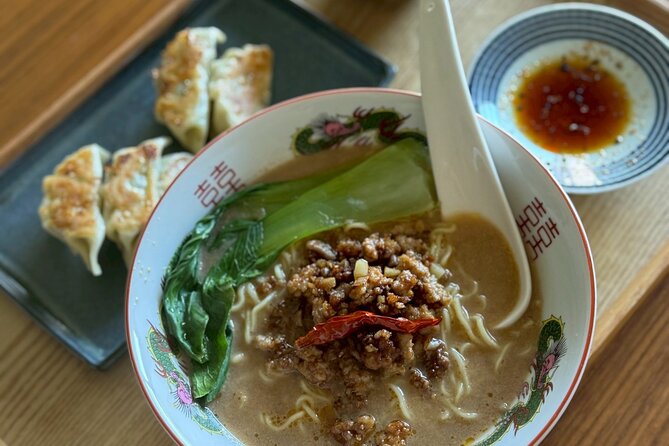
The class is described as a Bento & Ramen Gyoza Cooking Class, and the core experience is definitely hands-on cooking—not just watching. Your meal includes what you make, and the instructors guide you through the process in a relaxed, home-style way.
Here’s the key point for planning: menus can vary by session. Some past classes mention making ramen and gyoza plus other Japanese favorites such as mochi. Other examples include udon broth from scratch and tempura, and one included gluten-free udon noodles. That tells me two things:
- The teaching approach is consistent (clear steps, patient help).
- The exact dishes you touch may shift, even within the broader theme.
So if you have a strong preference—say you really want ramen/gyoza or you’d love a specific dessert—check with the operator when you book.
Step-by-Step Cooking in a Real Home Kitchen
This class is designed around doing. Instead of standing in one place, you’ll move through tasks and learn the logic behind Japanese home cooking.
What tends to make this kind of class satisfying is that it teaches more than ingredients. You learn:
- how to build flavor in layers (broth, seasoning, balance)
- how to manage timing so items finish together
- how to portion food neatly for bento
And because it’s in a local home kitchen, the atmosphere stays comfortable. Guests describe the hosts as kind and fun, and the instruction as easy to follow—even for people who are cooking Japanese food for the first time.
A note on cooking skills
You don’t need a knife-pro skills resume. The teaching style is very step-by-step, with help throughout. One of the biggest wins here is that you leave with practical methods you can repeat later, like how to approach a broth from scratch or how to assemble components so they taste right when eaten.
The Meal Part: Eat What You Made, With Drinks Included
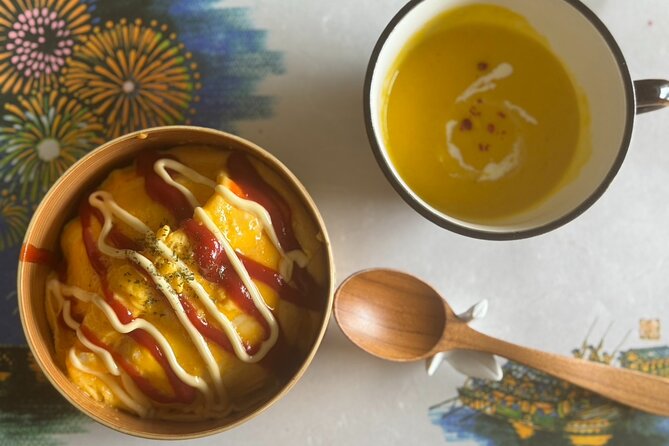
After cooking, you sit down and eat the meals you prepared. This is not a quick taste-and-go setup. The experience includes all-you-can-drink, and the list explicitly mentions Japanese tea and options that may include sake, beer, wine, and soft drinks.
That matters more than it sounds. A cooking class is a skill lesson, but it’s also a social one. Having drinks available makes it easier to relax, ask questions, and enjoy the meal while everything is still warm.
One practical tip: pace yourself. If you’re learning while cooking and eating in a home environment, you’ll want a clear head for instructions and for noticing what makes each dish work.
You can also read our reviews of more tours and experiences in Tokyo



Souvenir You Actually Use: Chopsticks and Chopstick Rest
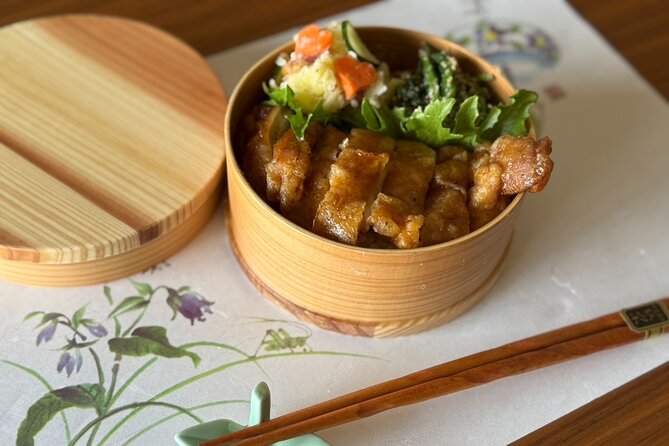
You also get a souvenir: chopsticks, a chopstick rest, and a letter. It’s a small item, but it’s the kind of keepsake that turns into daily use back home—especially the rest, which a lot of generic souvenirs don’t include.
And it fits the theme: Japan through everyday objects and habits, not just novelty shopping. If you like bringing home practical memories, this is a good add-on.
Pricing and Value: Why $60 Can Feel Like a Deal
At $60 per person for about 3 hours, this class is in the “pay for experience” category—but it doesn’t feel like pure sightseeing pricing.
Here’s what you’re really paying for:
- Private, home-based instruction (your group only)
- You cook the meal and eat it
- Drinks are included (not just water)
- A tangible souvenir is included
The main trade-off is that you’re not getting a transportation package, so your actual total cost depends on how you arrive. Still, because the meeting area is presented as accessible from Haneda, you’re not likely adding long commutes.
If you want an experience where you do something tangible—hands-on cooking with food you can replicate—this price starts making a lot of sense.
Who This Is Best For (and Who Should Think Twice)
This class fits well if you:
- want a calmer, local-feeling Tokyo activity near Haneda
- like learning by doing, not by watching
- travel with kids and want a shared project
- enjoy Japanese food and want specific home-cooking techniques
It may be less ideal if you:
- hate walking a few minutes from a station to a meeting point
- need a very large variety of vegetarian/vegan options (the exact menu isn’t fully specified here, so you’d want to confirm)
- have serious allergies and want ironclad certainty without planning—this does ask you to inform allergies in advance, so communication is key
Tips to Get the Most Out of the Class
- Message your dietary needs early. The class specifically asks you to inform them of allergies in advance.
- Arrive on time, not early enough to rush. Home kitchens work best when everyone settles calmly before cooking starts.
- Ask questions while you’re cooking. The hosts are described as patient and helpful, and that’s when their guidance matters most.
- Plan to eat your full portion. Meals are part of the experience, and it’s more fun when you actually enjoy what you made.
- Take notes if you care about recreating dishes later. Even basic jotted timing steps can help you rebuild the meal at home.
Should You Book This Cooking Class?
I’d book it if you want a genuine, hands-on Tokyo food experience that feels like a friend invited you over—especially if you’re staying near Haneda and want something local without navigating a long day in the center.
It’s also a strong choice if you care about learning. The coaching described in multiple classes—people like Nao, Machiko, and Yoko—leans patient and clear, which is exactly what you want for bento building and Japanese meal components.
If you’re already a confident home cook, you’ll probably still enjoy it for technique and structure. If you’re a beginner, you’ll appreciate the guidance and the chance to cook, eat, and leave with recipes you can actually repeat.
FAQ
How long is the cooking class?
The class is about 3 hours (approx.).
What does the $60 price include?
It includes the meals you make and eat, all-you-can-drink beverages (such as sake/beer/wine/coffee/tea options as listed), and a souvenir set (chopsticks, chopstick rest, and a letter).
Is this class private?
Yes. It’s private, and only your group participates.
Where is the meeting point?
The meeting point is in Ota City, Nishirokugō: 4-chōme109 グレースマンション原田 (Tokyo 144-0056).
What time does it start?
The start time is 11:00 am.
Do I need to arrange my own transportation?
Yes. Private transportation is not included, so you’ll need to use public transit to get to the meeting point.
What if I have food allergies?
You should inform the organizers of any food allergies in advance.
Is free cancellation available?
Yes. You can cancel for a full refund up to 24 hours before the experience’s start time (local time). If you cancel less than 24 hours before, the amount paid won’t be refunded.