REVIEW · TOKYO
Tokyo: Tour Privado por Tokio en español
Book on GetYourGuide →Operated by JTN COMMERCE K.K. · Bookable on GetYourGuide
Tokyo moves fast. This tour keeps up.
In 8 hours, you’ll get a private, Spanish-guided walk through Tokyo’s most traditional corners and the city’s geek-meets-culture side, from Senso-ji sweets to Shinjuku City Hall views. I especially like how the day balances postcard stops with neighborhoods that feel lived-in, and I also like that it’s structured enough to make sense even if it’s your first time in the city. One drawback to plan around: the experience isn’t suitable for wheelchair users.
Because it’s a private group (up to 5), you’re not squeezed with strangers, and you’ll usually start with hotel pickup or a nearby station. When the guide is Ignacio, you really notice how clear the explanations are and how the information connects the dots fast. Just remember: you’ll need cash, and meals and your own transport costs aren’t covered.
In This Review
- Key highlights you should care about
- How an 8-hour private Tokyo route actually feels
- Asakusa and Senso-ji: temple streets and the Kaminarimon Gate photo moment
- Ueno Park and Sakura Avenue: temples, trees, and a slower Tokyo pause
- Akihabara secrets: anime, manga, electronics, and maid cafe culture
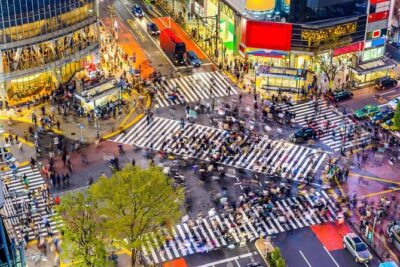
- Shinjuku City Hall at 45 floors: big views that feel easy to use
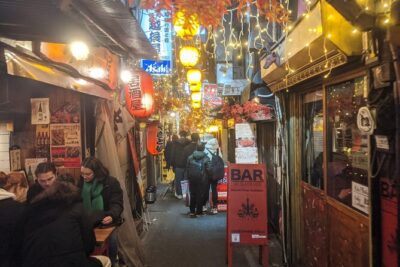
- Kabukicho at night: Godzilla, a huge 3D screen, and Omoide Yokocho
- Price and value: what $338 per group really buys you
- Tips to make the day smoother (and avoid the common pain points)
- Should you book this tour?
- FAQ
- Is this tour private?
- How long is the tour?
- What areas does the tour cover?
- What’s included in the price?
- What isn’t included?
- Do I need to bring anything?
- What is the cancellation policy?
Key highlights you should care about
- Asakusa + Senso-ji: traditional sweets like mochi, dorayaki, and melon pan, plus a photo moment at Kaminarimon Gate
- Ueno Park + Sakura Avenue: a signature cherry-blossom area with temples and easy sightseeing flow
- Akihabara secrets: anime, manga, video games, electronics, and a look into maid cafes
- Shinjuku City Hall (45th floor): big-city views without the hassle of hunting for viewpoints
- Kabukicho at night: Godzilla, Japan’s biggest 3D screen, and the Omoide Yokocho alley for nighttime atmosphere
- Spanish-only guidance: you’ll understand the culture behind what you’re seeing, not just where to stand for photos
How an 8-hour private Tokyo route actually feels
This is the kind of Tokyo tour that works when you want variety but still want it to feel organized. You’ll be moving across major neighborhoods—traditional temple streets, a park-and-temples area, the electrified Akihabara zone, then skyline views, then nightlife in Kabukicho. The payoff is that you don’t spend your day figuring things out.
Since it’s private (up to 5), your guide can adjust the pace a bit and point out what matters—especially helpful in places like Akihabara, where there’s a lot to look at but also a lot you could miss if you just wander.
The other value piece: the guide is 100% in Spanish, so explanations about Japanese culture, tradition, and even topics like samurai themes and cherry blossoms aren’t just name-drops. They’re meant to make the scenes click.
You can also read our reviews of more tours and experiences in Tokyo.



Asakusa and Senso-ji: temple streets and the Kaminarimon Gate photo moment
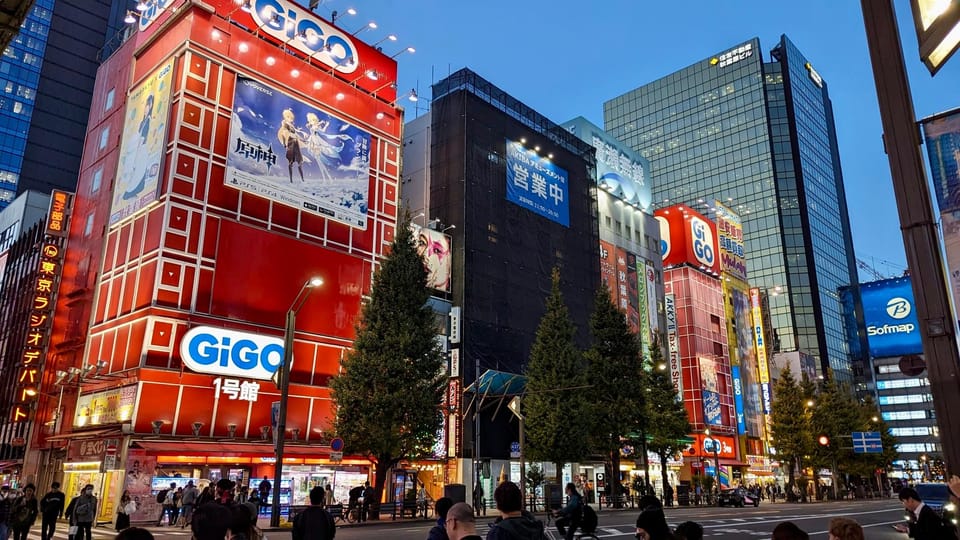
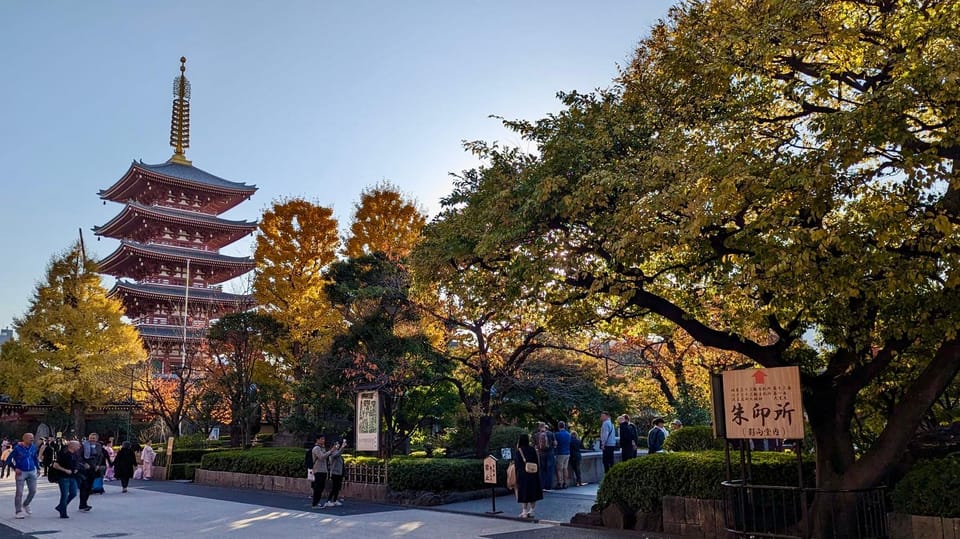
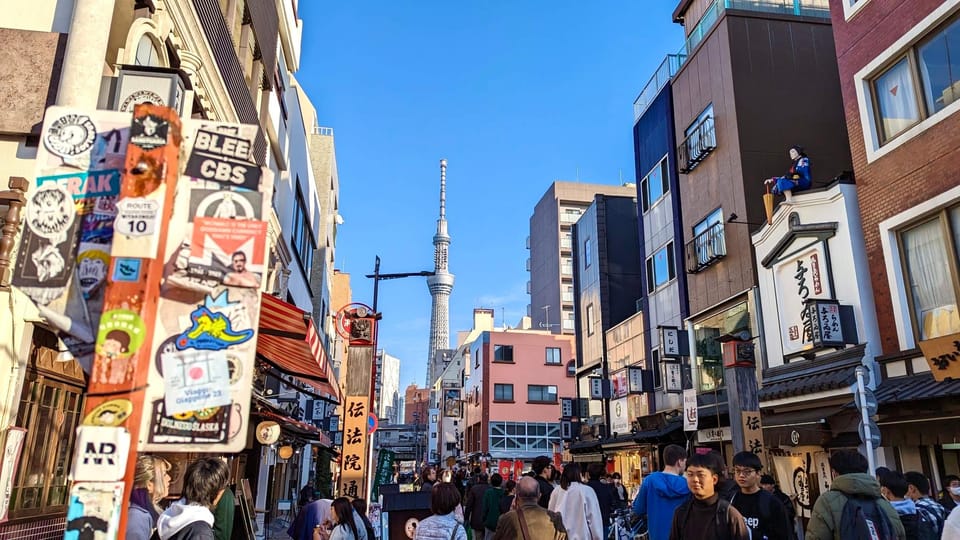
You’ll start in Asakusa, and the highlight here is getting the real atmosphere around Senso-ji Temple. This area is one of those Tokyo districts where the vibe is old-school—street-side energy, temple grounds, and that “you’re inside a living tradition” feeling.
One of the best parts is the taste stops. The tour is built around trying classic sweets such as mochi, dorayaki, and melon pan—and it’s positioned as one of the key cultural experiences of the day, not just a random snack break. If you like food as context, this makes Asakusa more than a viewpoint and more than a single temple photo.
Then you’ve got a built-in photography moment at the Kaminarimon Gate in Asakusa. That’s a smart stop because it’s iconic and easy to frame, and it gives you a clean before/after visual anchor for the rest of your day.
A practical note: Asakusa can get crowded depending on the time of day. Going with a guide helps because you’re not stuck deciding what’s worth your attention once you’re already there.
Ueno Park and Sakura Avenue: temples, trees, and a slower Tokyo pause
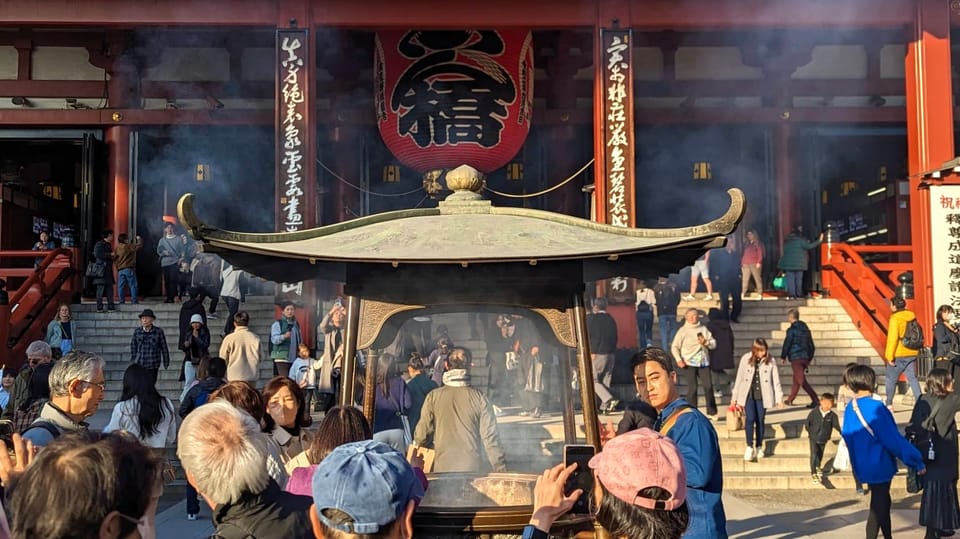
After Asakusa, the day shifts to Ueno, where you’ll spend time around Ueno Park, famous for its cherry blossoms. Even if you don’t come during peak bloom, the area’s reputation shapes how you experience it—this is a place people associate with sakura walks and seasonal atmosphere.
You’ll also follow the Sakura Avenue concept and see popular temples in the area. This part of the tour is valuable because it breaks the intensity. Akihabara is loud in every sense—visual, sensory, fast. Ueno gives you more space to slow down, look at architecture, and take in Tokyo’s calmer side without giving up culture.
What I like here is the variety of texture: parks and paths, temple scenery, and a more relaxed pace compared with electronics streets. If you’re the type who gets tired of “shopping tourism,” this is where the tour feels like a real change of scenery.
Akihabara secrets: anime, manga, electronics, and maid cafe culture
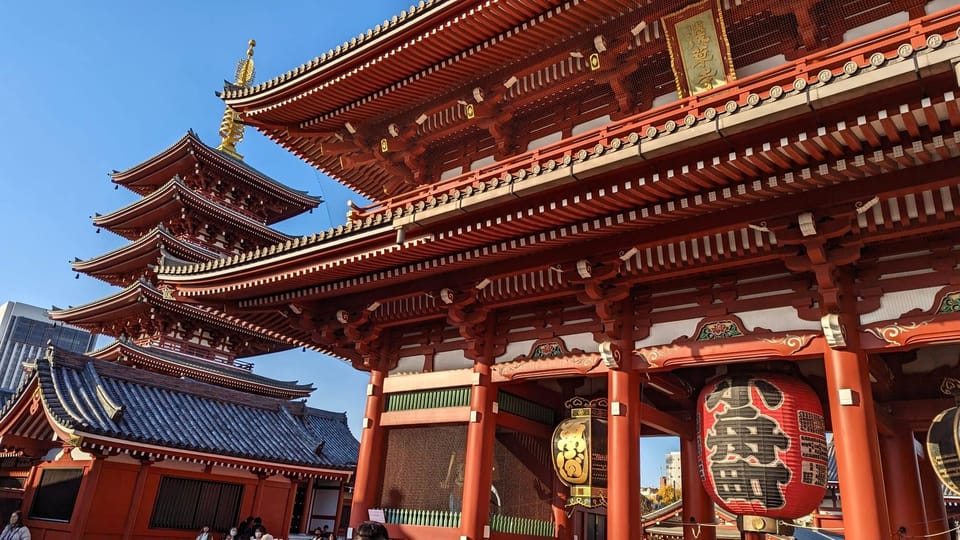
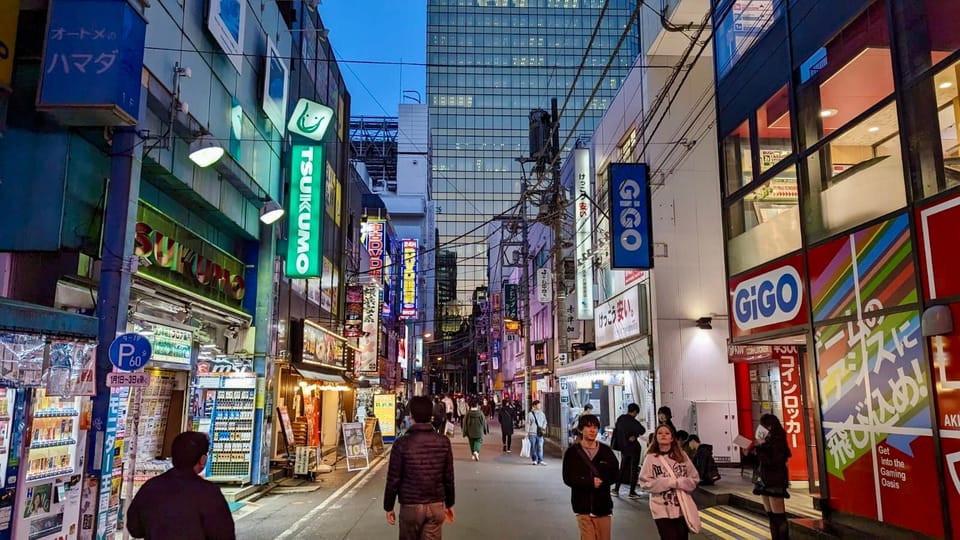
Then you hit Akihabara, Tokyo’s name-brand neighborhood for anime and manga, plus video games and electronics. This is the stop where you can tell whether you actually enjoy Akihabara—or whether you just think you should see it. If you like pop culture, it’s a highlight. If you don’t care about anime, you can still enjoy the sheer energy and the way electronics shops turn into a whole mini-world.
A key detail: the tour includes time to understand the culture around what you’re seeing, not just where stores are. That’s where a Spanish guide helps you connect themes and references quickly.
One unusual aspect of this experience is that you’ll learn about the maid cafe staff. You’re not being sent to a random show. You’ll get context for why these cafes exist in Japanese pop culture, and you’ll see a piece of the city’s character that’s specifically tied to the Akihabara ecosystem.
Practical advice: Akihabara can involve a lot of visual stimuli. If you want photos, bring your battery and be ready to move with the flow, because shopfronts and displays change quickly and space is often tight.
Shinjuku City Hall at 45 floors: big views that feel easy to use
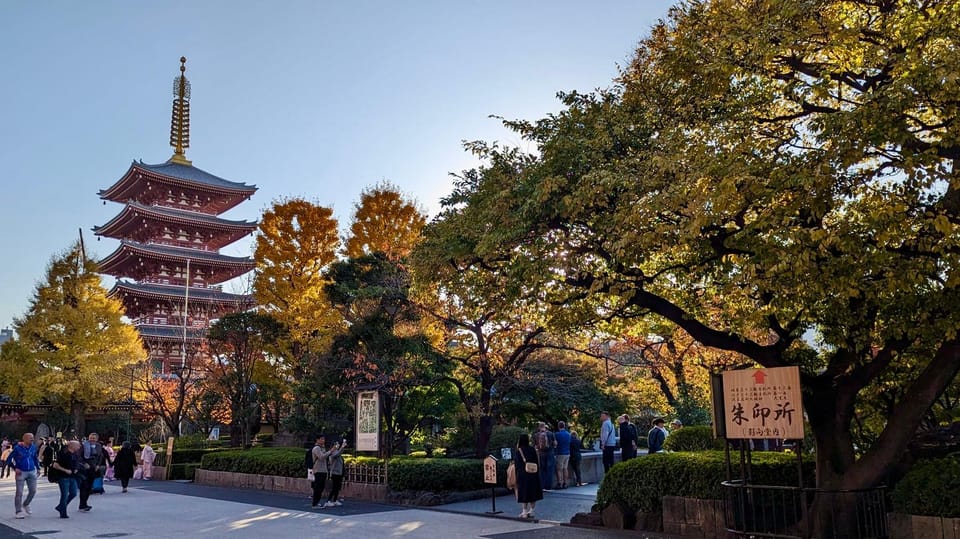
Next comes Shinjuku, and the plan centers on the observation deck at the 45th floor of Shinjuku City Hall. This is a smart choice for first-time visitors because it’s designed for watching the city from above without making you guess your way through the skyline.
The value of a viewpoint like this is simple: it gives you orientation. After Asakusa and Ueno you’ve got tradition and parks. After Akihabara you’ve got pop culture. From above, Shinjuku ties it together and helps you understand how Tokyo’s neighborhoods stack and connect.
What you’ll enjoy most is the contrast. Shinjuku is the place where Tokyo feels like it’s fully grown—tall buildings, dense streets, and that layered city look you can’t get from street level.
If you’re picky about timing for views, keep your expectations realistic. Cloud cover and light conditions can vary, but even on an average day, this kind of skyline stop is one of the cleanest ways to get the “Tokyo from above” moment.






Kabukicho at night: Godzilla, a huge 3D screen, and Omoide Yokocho
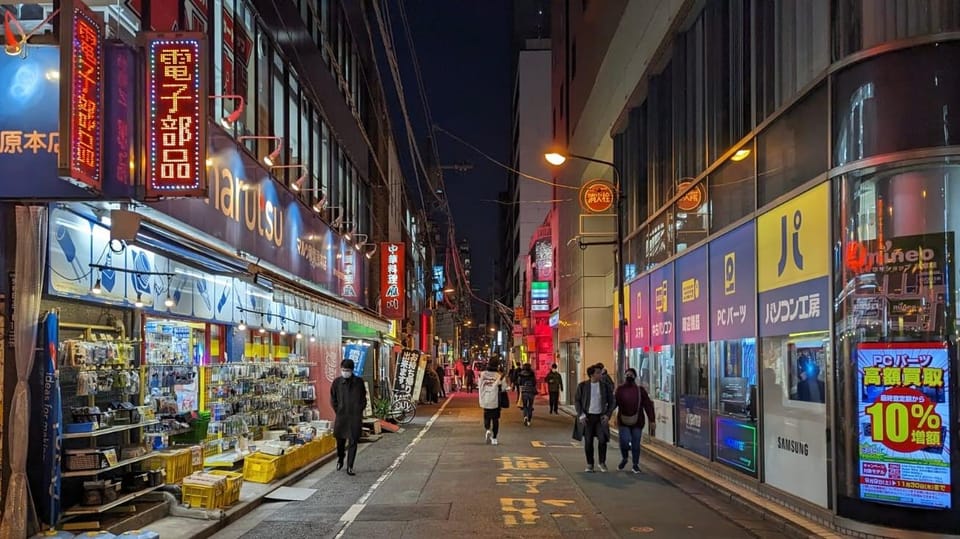
To wrap up, you’ll finish in Kabukicho, which is famous for adult entertainment energy. The tour brings you to places tied to that identity, including Godzilla, the largest 3D screen in Japan, and Omoide Yokocho (Memory Lane).
This part matters because it’s not just another sightseeing district—it’s where Tokyo’s nightlife personality shows up hard. Omoide Yokocho is especially interesting if you like small-scale urban experiences. Instead of wide streets and big venues, it’s more of an alley feel, where the atmosphere is the attraction.
One thing to keep in mind: Kabukicho is lively and can be intense. If you’re uncomfortable around adult-focused nightlife energy, treat this segment like a “see it from the right distance” experience rather than an obligation to fully participate.
Still, for many people this is the moment when the tour feels most like Tokyo. By the time you’re there at night, you’ve already built the day’s cultural context, so the contrast hits harder in a good way.
Price and value: what $338 per group really buys you
The price is $338 per group (up to 5 people) for an 8-hour private tour. Your value depends on group size. If you’re traveling with up to five people, the effective per-person cost gets much easier to swallow. If it’s just you or two, it’s still a great way to buy time and language help, but you’ll feel the premium more.
Here’s what you’re paying for, in practical terms:
- Hotel pickup (or a nearby station in many cases)
- A Spanish-speaking guide who can explain culture and context
- Help with transport inside Japan (your own transport costs are not included)
- A structured route across multiple major areas so you don’t waste hours on planning
What’s not included is also important:
- Meals are on you
- Your transportation costs are on you
So I’d treat this as a “buy the brain and the flow” experience. If you enjoy independent exploring, you could do parts of this on your own. But if you want a coherent day where someone else handles the connections—and you can actually understand what you’re seeing in Spanish—this is strong value.
Tips to make the day smoother (and avoid the common pain points)
Bring cash. That’s not a suggestion—it’s listed as a “bring” item, so plan to have it ready for snacks and small purchases.
Wear shoes you’re comfortable walking in. The day moves through several neighborhoods, and even if you’re not doing long hikes, you’ll still be on your feet through temple streets, park paths, and dense shopping areas.
If you care about the sweet stops in Asakusa, give yourself some mental room for it. Food experiences tend to take a little longer than a quick photo, and that’s part of why this tour feels like more than a checklist.
Also, one operational consideration: there has been a case where a guide didn’t show up and the communication took time to sort out. That’s not something you can predict, but you can reduce stress by confirming the meeting point the day before and keeping your pickup details handy.
Lastly, the tour runs regardless of weather, except for extreme events or a major disruption like an earthquake. If rain hits, you’ll still be out there, so pack accordingly.
Should you book this tour?
I’d book it if you want:
- A Spanish-guided Tokyo day that connects tradition, pop culture, and nightlife
- A private setup for up to 5 people so you can move at a comfortable pace
- Big-ticket experiences like Senso-ji, Akihabara, Shinjuku City Hall views, and Kabukicho at night without doing the planning work
I’d hesitate if:
- You need wheelchair accessibility (this tour is not suitable for wheelchair users)
- You’re on a tight budget that can’t handle meals plus your own transport costs on top of the tour price
- You strongly prefer quiet, low-stimulation sightseeing and don’t enjoy adult-oriented districts
If you’re the kind of traveler who likes to understand what you’re seeing—why certain traditions matter, why Akihabara looks the way it does, and why Kabukicho feels different at night—this is a very satisfying way to spend your day in Tokyo.
FAQ
Is this tour private?
Yes. It’s a private group tour for up to 5 people, guided in Spanish.
How long is the tour?
The duration is 8 hours.
What areas does the tour cover?
You’ll visit Asakusa (including Senso-ji), Ueno, Akihabara, Shinjuku (City Hall observation deck), and finish in Kabukicho.
What’s included in the price?
Included features are hotel pickup, assistance with transportation in Japan, and a guide who speaks Spanish.
What isn’t included?
Meals and the cost of your transportation are not included.
Do I need to bring anything?
You should bring cash.
What is the cancellation policy?
Free cancellation is available up to 24 hours in advance for a full refund.