REVIEW · TOKYO
Tokyo Private Tour! Edo Castle & Imperial Palace East Gardens
Book on Viator →Operated by gotcha · Bookable on Viator
History, calm, and a guide who keeps you moving. This private 2-hour stroll through the Imperial Palace East Gardens cuts the guesswork of where to go and what you’re looking at in one of Tokyo’s most important places.
Two things I like a lot: first, you get a guide-led route that takes you through highlights like the Edo Castle Ruins area and spots around Ninomaru Garden and Ote-mon Gate, so you’re not just wandering. Second, the best guides on this tour turn the grounds into a story, like when Naoko brings history to life or when Shigeru gives patient, detailed answers about the imperial family and why these spaces matter.
One consideration before you go: this is East Gardens only, not an entry into the Inner Palace, and you’ll also face a baggage inspection at the grounds. So if you’re picturing stepping into palace buildings, adjust your expectations.
In This Review
- Key things to know before you go
- Imperial Palace East Gardens: why this tour is worth your time
- Where you meet, and how the first 15 minutes shape the day
- What you’ll actually see: Edo Castle ruins and the garden highlights
- Walking the grounds around the Imperial Palace: the garden path details that matter
- The guides make the difference: how the best ones teach history
- Weather and comfort tips for a 2-hour garden walk
- Price and value: $65.41 per person for a private Imperial Palace tour
- Who this tour suits best (and who should skip it)
- Should you book this Tokyo private tour
- FAQ
- Does this tour include admission to the Inner Palace?
- How long is the tour?
- Is this a private tour?
- Where do we meet for the tour?
- What’s included in the price?
- Is there a baggage inspection when entering the Imperial Palace grounds?
- What ticket format is used?
- Can I cancel for free?
Key things to know before you go
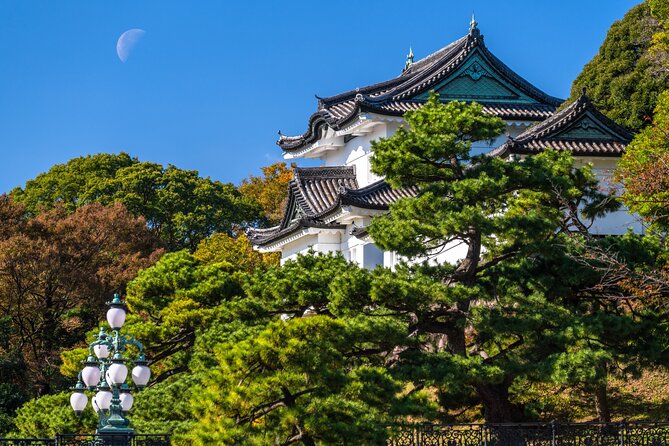
- Private and paced for your group: you won’t be merged into a big cattle line.
- You cover the big landscape stops: Edo Castle Ruins, Ninomaru Garden, and Ote-mon Gate.
- Guides handle the directions and the context: no getting stuck at confusing entry points.
- Baggage inspection happens on arrival: plan to arrive with what you need, not a full shop-with-you bag.
- Inner Palace isn’t included: you’ll tour the grounds, not the palace interiors.
Imperial Palace East Gardens: why this tour is worth your time
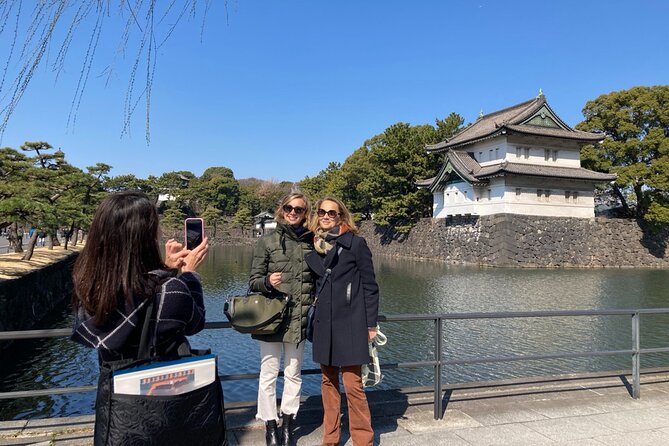
Tokyo has plenty of famous sights, but the Imperial Palace grounds are different. They can feel intimidating because access rules and paths are not always obvious on your first try. This tour removes that hassle. You show up, meet your guide, and then walk a clear route where someone else handles the navigation.
What makes it especially appealing is the combination of “pretty place” and “meaningful place.” You get nature and calm gardens, yes. But you also get the imperial history context that turns a scenic walk into an understanding of how modern Japan connects to what came before.
And it’s a private format. That matters in Tokyo. Two hours can fly when you’re bouncing between transit stations and entrances. Here, the guide keeps you moving with the right stops, so you spend your energy actually looking at the grounds.
You can also read our reviews of more private tours in Tokyo



Where you meet, and how the first 15 minutes shape the day
You meet at Wadakura Fountain National Park (3-1 Kōkyogaien, Chiyoda City, Tokyo 100-0002). The location is near public transportation, which helps if you’re juggling multiple stops that day.
Once you start, the experience is designed around an easy rhythm. You walk, stop, look, and then walk some more. Your guide keeps the flow, so you’re not standing around flipping between apps and trying to match signs to maps.
Then comes the practical part: baggage inspection after you enter the grounds of the Imperial Palace. That’s not the kind of detail you want to learn last minute. Keep your bag light and bring only what you truly need for a garden walk—water, a phone for photos, and maybe a small towel.
What you’ll actually see: Edo Castle ruins and the garden highlights
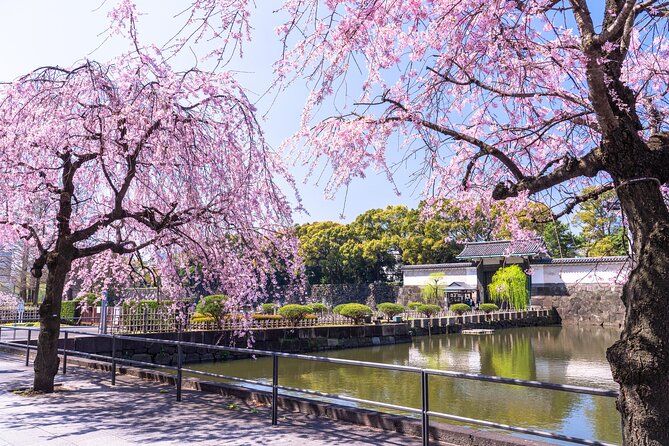
This is not just a generic “imperial palace gardens” loop. The tour focuses on key areas you can name afterward, which is great for memory and for telling people what you did.
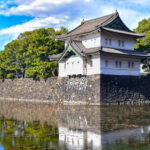
You’ll go through the Edo Castle Ruins area, which is one of the main links between the grounds you see today and the older layers underneath them. Instead of treating it like scenery, the guide ties it to the imperial setting and what these historic spaces represent.
You also visit Ninomaru Garden. Gardens at this level are all about observation: how paths guide your eyes, how water or stone features create quiet pauses, and how seasonal planting changes the mood. Even if you’re not a “plant person,” you’ll understand what you’re looking at when the guide explains the why behind the layout.
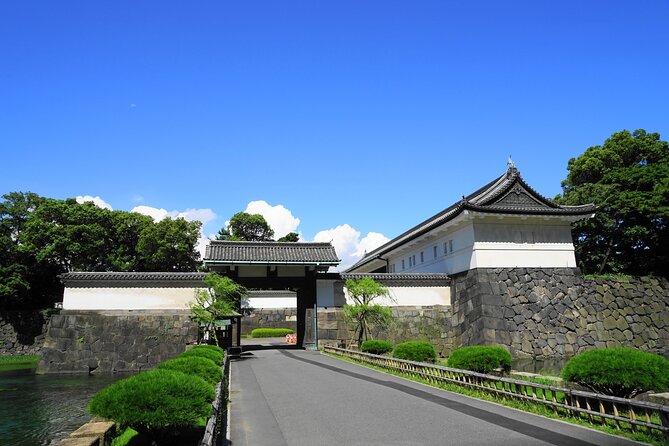
And then there’s Ote-mon Gate, another anchor point. Gates sound straightforward until you realize they’re also about movement—where people enter, where the route funnels, and how architecture signals importance. A good guide makes these structures feel less like a backdrop and more like a working part of history.
Walking the grounds around the Imperial Palace: the garden path details that matter
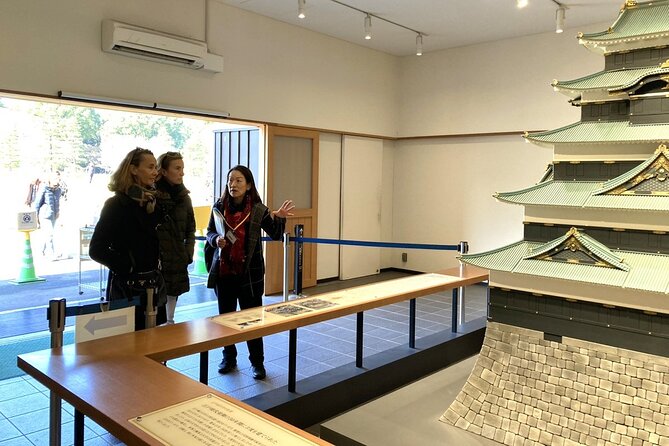
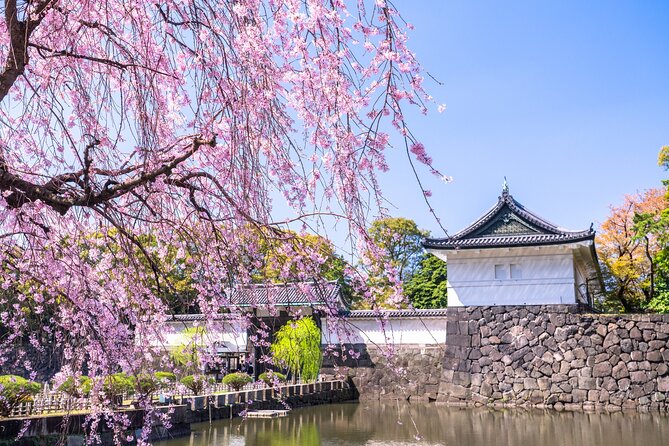
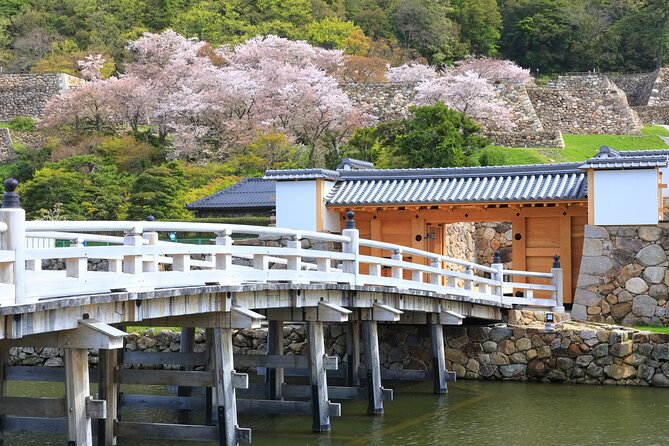
Your tour includes a walk around the Imperial Palace grounds with a focus on what you’d otherwise miss if you explored alone. The itinerary specifically includes a Japanese special garden and an old bridge, plus views of historical buildings and heritage.
These details may sound small, but they’re exactly what make this kind of tour different from a quick photo stop. A Japanese garden isn’t just “nice trees.” It’s designed. The path is part of the experience. The old bridge is a clue that helps you visualize how people moved and gathered in earlier eras.
You’ll also get time to learn about the history of the royal family as it connects to this site. That’s valuable because the Imperial Palace isn’t just one thing. It’s a symbol, and the symbolism matters when you’re trying to understand modern Japan.
One more point that affects your experience: this tour does not go inside the Imperial Palace. You’re in the grounds, moving along paths and viewing buildings from outside. If you want interiors, you’ll need a different type of access. Here, the payoff is the outdoors.
The guides make the difference: how the best ones teach history
In a perfect world, every guide would be excellent. In the real world, you should know what style tends to work here. From guide examples associated with this tour, the strongest performances share a few traits:
- They keep you engaged with lively explanations.
- They answer questions directly and patiently.
- They manage pacing so you’re not rushed, even on a short 2-hour walk.
For instance, guides like Naoko are described as lively and engaging, with strong professionalism and friendly delivery. Other guides, like Akiyoshi or Shigeri, are noted for going beyond basic facts and handling questions with thoughtful depth. Mikio is described as prompt and professional, with English that makes complex history easier to follow. Yoshiko is praised for making the experience enjoyable even when weather is tough.
There’s also a practical angle to the guide. A tour around the Imperial Palace grounds can easily become slow and confusing if you’re trying to navigate alone. Guides on this tour take on the direction and the context, so you don’t spend your limited time arguing with signage.
That said, there’s one caution worth respecting: if clear communication is a non-negotiable for you, consider that English clarity can vary by guide. One past experience reported serious communication issues and ended the tour early. Most guides seem to do well, but it’s a good reminder to treat your language expectations as part of your planning.






Weather and comfort tips for a 2-hour garden walk
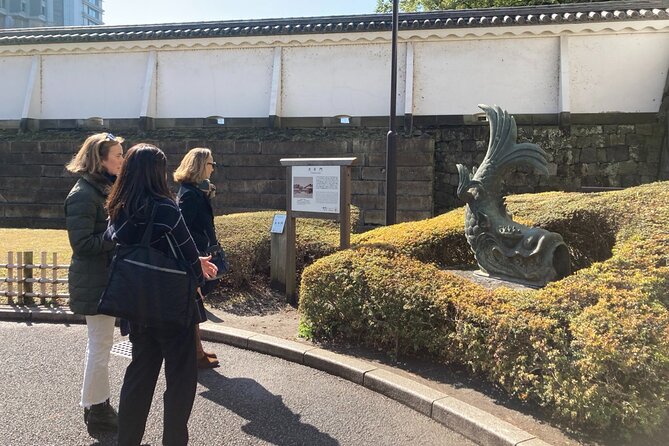
This tour is short, but Tokyo weather can still be a plot twist. One review mentioned it was about 35C, and the guide provided umbrellas and neck coolers to help the group stay comfortable. That kind of small support can change everything when you’re walking shaded and sun-exposed paths.
Here’s what I’d do to match that reality:
- Bring a hat and sunscreen, even if you think you’ll be in partial shade.
- Wear shoes with grip. Garden paths can be smooth, and you’ll be stopping often.
- Carry a small towel or tissue. You’ll thank yourself when you’re sweating between photo stops.
Also, expect you’ll have photo moments. The tour is designed for memorable photos around the palace grounds, including the Japanese garden area and landmark views like gates and bridges.
Price and value: $65.41 per person for a private Imperial Palace tour
At $65.41 per person for about 2 hours, the value mostly comes down to what you’re buying besides the walk.
You’re buying:
- A private guide instead of navigating alone
- A planned route through specific highlights like Edo Castle Ruins and Ote-mon Gate
- Context you likely won’t get from a phone map
If you’re the type who enjoys history but hates doing homework, this can be a solid spend. You’d normally spend that time researching which entrances to use, which parts of the palace grounds are open, and how to connect it all into a story. Here, the guide handles the planning while you focus on enjoying the setting.
It also helps that the experience uses a mobile ticket, which reduces friction on the day. Add in that the tour has group discounts, and it becomes even more tempting if you’re traveling with friends or family who want the same pace and interests.
Is it the cheapest option in Tokyo? No. But it’s priced like a guided experience that saves you effort and reduces the risk of wasting time at the wrong spot.
Who this tour suits best (and who should skip it)
This tour is a great fit if you want:
- A guided route so you don’t waste time getting oriented
- Explanations about imperial history and what the grounds mean
- A calm, scenic break from more chaotic city days
It’s also a smart choice for people who value flexibility in the moment. Private means you can ask questions as you go, rather than saving them for the end when everyone’s tired.
You might want to skip or choose something else if:
- You strongly expect entry into the Inner Palace (this tour does not go inside)
- You’re very sensitive to English clarity and need guaranteed fluency
- You prefer to move totally on your own without stopping for guided explanations
Should you book this Tokyo private tour
Book it if you want a high-impact, low-stress experience in one of Tokyo’s most meaningful settings. This is a short tour, but it’s structured around recognizable highlights like Edo Castle Ruins, Ninomaru Garden, and Ote-mon Gate, with time spent walking around the palace grounds, including the Japanese garden area and an old bridge.
Skip it only if your main goal is palace interiors, not gardens and grounds. Also, if communication quality is crucial, consider booking with a clear idea of what language support you need.
If you’re balancing a tight schedule and want to leave with more than photos—actual understanding—this private East Gardens tour is an easy yes.
FAQ
Does this tour include admission to the Inner Palace?
No. Admission to the Inner Palace is not included, and the tour does not go inside the Imperial Palace.
How long is the tour?
It’s about 2 hours.
Is this a private tour?
Yes. It’s private, so only your group participates.
Where do we meet for the tour?
The meeting point is Wadakura Fountain National Park, 3-1 Kōkyogaien, Chiyoda City, Tokyo 100-0002, Japan.
What’s included in the price?
The tour includes a tour guide.
Is there a baggage inspection when entering the Imperial Palace grounds?
Yes. Visitors are subject to a baggage inspection upon entering the grounds.
What ticket format is used?
The tour uses a mobile ticket.
Can I cancel for free?
Yes. Free cancellation is available up to 24 hours in advance for a full refund. If there are not enough travelers, the tour can be canceled, with an offer of another date/experience or a full refund.