REVIEW · TOKYO
Private Ryogoku Walking Tour with Sumo Wrestler and Master Guide
Book on Viator →Operated by Beauty of Japan · Bookable on Viator
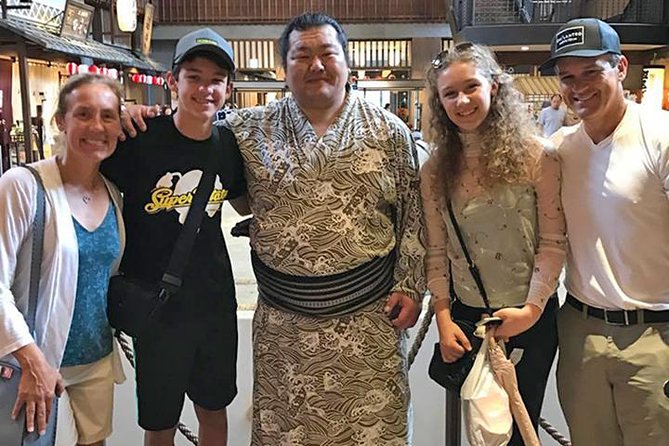
Sumo on foot beats watching on TV. This private walk through Ryogoku and Asakusa pairs a real sumo wrestler guide with a local translator, so you get both sport stories and neighborhood sightseeing in one smooth route.
I especially like the close-up access to sumo culture, from the Ryogoku Kokugikan stadium area to time around where wrestlers practice. I also like that the visit includes talk time, not just standing and listening—your translator helps you ask questions and keep the vibe relaxed.
The one drawback to consider is the price: $402.32 per person for a short, mostly on-foot tour. If you expect meals included or a long list of major museums, this may feel pricey, since food and drinks are not included.
In This Review
- Key highlights at a glance
- Ryogoku and Asakusa: why this walking tour makes sense
- Ryogoku Edo Noren: a restored station that sets the tone
- Ryogoku Kokugikan: the stadium you can practically feel
- Nomi Sukune Shrine: origin story plus a calm garden walk
- Asakusa Senso-ji and Nakamise Street: temple icon meets snack time
- The wrestlers’ side of sumo: why a stable visit matters
- Hokusai stop for art fans: short, flexible, and worth checking
- Price and value: what you’re really paying for
- Who should book this sumo-and-temple combo
- Practical tips for a smoother day
- Should you book the Private Ryogoku Walking Tour with a Sumo Wrestler?
- FAQ
- How long is the private Ryogoku and Asakusa walking tour?
- Where does the tour start and end?
- Is this tour private?
- Who is included with the tour?
- What stops are included on the route?
- Are any admissions included?
- Are meals included?
- What if an active sumo wrestler is not available?
- What’s the minimum age to join?
- When will I receive confirmation after booking?
- Can I change or get a refund if I cancel?
Key highlights at a glance
- A sumo wrestler guide (with translator) so history turns into real explanations and conversation
- Ryogoku Kokugikan access at Japan’s major sumo venue area
- Nomi Sukune Shrine story with a connection to sumo’s origin and Yokozuna names
- Asakusa’s Senso-ji and Nakamise Street time to snack and shop on your own
- Ryogoku Edo Noren in a restored 1929 Ryogoku Station façade
- A possible Hokusai-focused museum stop for art lovers
Ryogoku and Asakusa: why this walking tour makes sense
This tour is built for people who want more than postcards. You’ll move through two Tokyo worlds that feel very different: sumo town Ryogoku and the old-town energy of Asakusa. Walking is the right format here because the details matter—signage, local spots, and how the neighborhoods shape daily life.
What I like about this setup is that it keeps switching gears without getting scattered. You start in Ryogoku, where sumo is part of the street-level culture, then shift to Asakusa with a temple stop and snack-and-shop time. That rhythm makes the 2-hour-ish outing feel complete.
One more practical plus: the tour is private for your group, with a cap of up to five people. That means you’re not fighting for attention when you want your questions answered.
You can also read our reviews of more walking tours in Tokyo

Ryogoku Edo Noren: a restored station that sets the tone
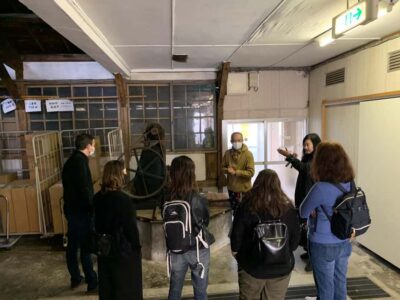
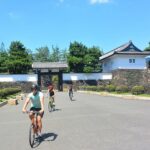
Your first stop is Ryogoku Edo Noren, housed in a restored former Ryogoku Station building. The old façade is kept, and the complex opened as a shopping and restaurant area, giving you a strong sense of place right away.
This kind of start matters. Instead of jumping straight into the big sumo stadium, you get a “warm-up” look at Ryogoku’s identity. You’re reminded that sumo isn’t isolated—it lives inside the everyday Tokyo rhythm, in old buildings reused for modern life.
Plan on about 30 minutes here, and admission is included. Expect the time to be more about wandering and getting oriented than a strict sightseeing checklist.
A quick consideration: since this is a shopping-and-dining complex, you’ll likely see menus and storefronts you might want to browse longer. The tour time is limited, so if you’re a serious shopper, keep your expectations aligned and enjoy it as a taste of the area.
Ryogoku Kokugikan: the stadium you can practically feel
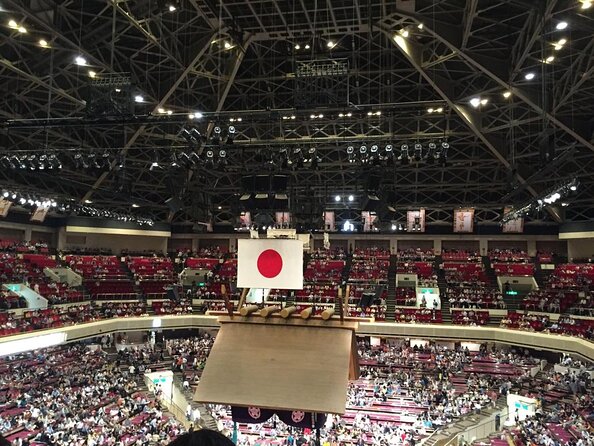
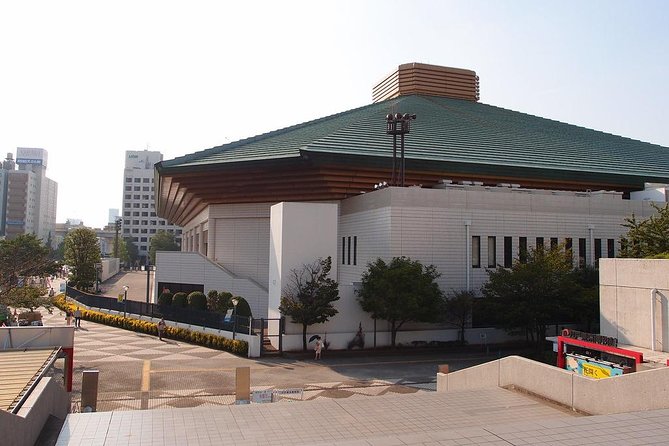
Next comes Ryogoku Kokugikan, the big stadium built in 1985 that can hold over 10,000 visitors. Even if you’re not attending a tournament day, the stadium area helps you understand why sumo is treated like a major national sport here.
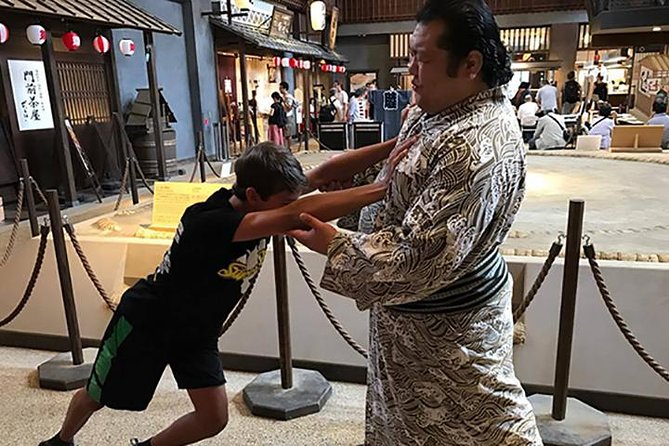
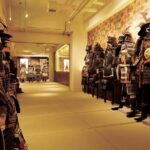
You’ll also get a look at the “real behind-the-scenes” feeling of sumo. The tour includes visiting the wrestlers’ stable area and seeing where they practice, not just viewing the venue from the outside. That’s a major part of why this tour works: it shifts sumo from legend to routine.
This stop runs about 30 minutes, and admission is free. That’s a nice value detail, since you’re paying mostly for the guide’s time and interpretation rather than for extra entry fees.
Tournament reality check: you might not see everything at its peak. The tour can still be worthwhile because the stadium itself gives context, and your guide can connect what you’re seeing to how the sport functions as a whole. If you’re coming when no tournament is happening, treat the visit as “sumo culture and structure,” not a replacement for tournament-day action.
Nomi Sukune Shrine: origin story plus a calm garden walk
Then you head to Nomi Sukune Shrine, dedicated to the deity traditionally linked with the start of sumo in ancient Japan. The tour time is about 20 minutes, and entry is free.
This is where you learn the “why” behind the sport’s mythology. Your guide can connect the shrine story to how sumo is practiced as tradition, not just athletic competition. There’s also a stone statue engraved with Yokozuna names, so you’ll see the sport’s lineage made visible in a physical way.
The setting is also peaceful. One reviewer mentioned a nice walk in a local Japanese garden, and that spirit matches the shrine’s garden feel. Even if you’re visiting for sports, the quiet moment gives your brain a break from stadium intensity.
A small tip for this stop: keep your camera ready, but don’t rush. Shrines reward slow attention—details like inscriptions and the garden layout can be the most memorable parts.
Asakusa Senso-ji and Nakamise Street: temple icon meets snack time
After Ryogoku, you shift to Asakusa and visit the iconic Senso-ji temple. This is the kind of Tokyo landmark that needs no introduction, but a guided interpretation adds a lot. You’re not just walking through crowds; you’re getting context on what you’re seeing and why it matters.
Then you’ll spend time on Nakamise Street, where classic snack stalls and shopping run along the approach. The tour includes the chance to sample snacks and browse the shops, which is perfect for travelers who like to “walk and taste.”
Important expectation-setting: food and drinks are not included. So you’re sampling in the real-world way—if you want something, you’ll pay for it yourself. The tour is still a win because you’ll have a guide on hand to point you toward what’s worth your attention and how to pace yourself.
If your shopping style is fast and targeted, Nakamise works well. If you’re the kind of person who will read every vendor sign, be ready to slow down. Either way, you’ll leave with that Asakusa mix of temple atmosphere and street-level Tokyo energy.
You can also read our reviews of more guided tours in Tokyo

The wrestlers’ side of sumo: why a stable visit matters
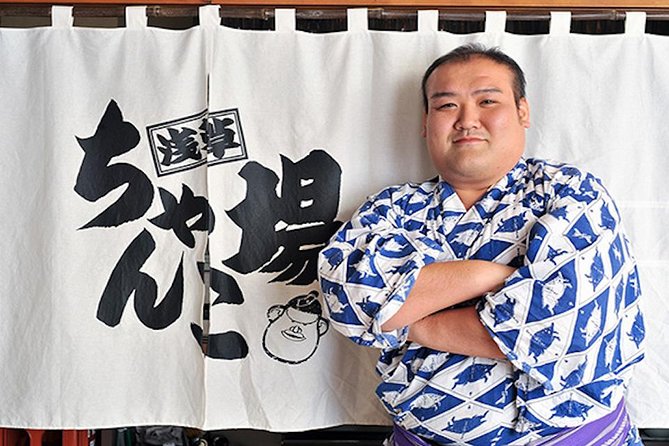
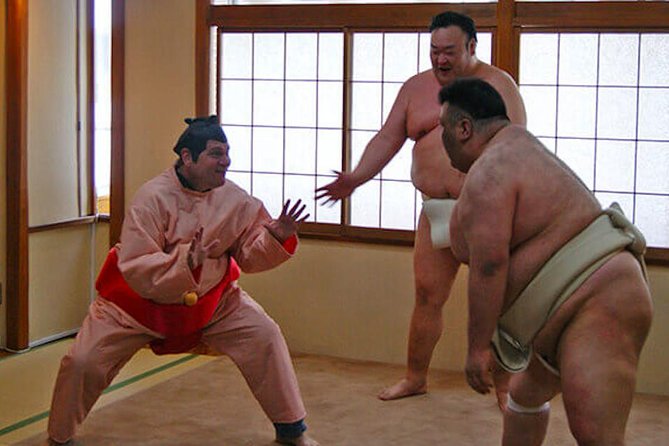
A key part of this experience is that you don’t stay purely on the “viewing” side of sumo. The tour is built around learning the sport with a sumo wrestler guide and spending time around the wrestlers’ practice environment.
That changes the way you understand sumo. Instead of thinking of sumo as only a match-day spectacle, you see it as routine—preparation, discipline, and a whole culture that exists beyond the ring. Your guide and translator can also help translate what you’re seeing into normal language, which is where tours often win or lose.
There’s also a practical note to keep in mind: the guide may be a just-retired sumo wrestler if an active wrestler isn’t available due to tournaments or other reasons. Either way, the quality of explanations should stay strong, since the knowledge comes from their lived experience of the sumo world.
Hokusai stop for art fans: short, flexible, and worth checking
The itinerary also mentions a Hokusai dedicated museum stop if you like his work. The details are limited, but the inclusion signals that this tour isn’t only sports-focused. If you’re the type who loves Japanese art and likes connecting culture dots, you’ll probably appreciate the added angle.
If you’re not a Hokusai fan, don’t worry. This element is optional by interest, and your main value remains the sumo-and-Asakusa pairing.
Price and value: what you’re really paying for
At $402.32 per person, this isn’t a budget walk. It’s priced like a premium cultural experience, and you should evaluate it that way: you’re paying for a private guide who is actually a sumo wrestler, plus a translator, plus included admission where applicable.
What supports the price:
- The tour includes a local translator and is led by a sumo wrestler, which is hard to replicate with a normal guide.
- You get included admissions for Ryogoku Edo Noren, while the Kokugikan stop is free and the shrine is free.
- Your group is capped at five, so you’re paying for more attention per person, not just a route.
Where you might feel less value:
- Food and drinks are not included, so Nakamise Street becomes spend-as-you-go.
- It’s a short tour window, so you won’t “check off” a long list of big-ticket sites.
Booking timing matters too. It’s commonly booked around 25 days in advance, so if you’re traveling during peak weeks, it’s smart to lock it earlier rather than gambling on last-minute availability.
A quick way to decide if it’s worth it for you: if you’ll enjoy sports culture and you like guided storytelling, you’ll likely feel the value. If you mainly want sightseeing convenience with minimal added cost, there are cheaper ways to do Asakusa and Ryogoku on your own.
Who should book this sumo-and-temple combo
This works best for:
- People who like sports history and want culture, not just facts
- Couples or small groups who want a private guide and easy conversation
- Travelers who appreciate hearing from someone who has lived inside the topic
You should also consider it if you’re already interested in Japanese tradition and want it explained in a human way. The shrine origin story, the stadium context, and the wrestlers’ practice side all work together.
It’s less ideal if you only care about major photo ops and you’re not interested in the deeper “how sumo functions” side of things. This tour is about understanding, not rushing.
Minimum age is 10, so it can fit families with older kids who can enjoy a story-driven walk.
Practical tips for a smoother day
You’ll meet at Ryōgoku Station (1-chōme-3-20 Yokoami, Sumida City), and the tour ends back at the same meeting point. Since it’s near public transportation, planning transit around the meeting spot is simple.
Wear comfortable shoes. This is a walking tour through active areas, and you’ll want to move at a human pace. Also, since food and drinks aren’t included, bring cashless payment options you’re comfortable using for snacks on Nakamise Street.
Finally, keep expectations realistic about what you’ll see at the stadium. Even without tournament action, the guide can connect the dots and help you read the venue like an insider.
Should you book the Private Ryogoku Walking Tour with a Sumo Wrestler?
If your ideal Tokyo day includes real storytelling and you enjoy being guided by someone who lives the topic, I’d say yes. The mix of sumo culture, a stadium-centered stop, a shrine origin story, and Asakusa’s temple-and-street vibe is a strong combination that’s hard to recreate on your own.
If you’re price-sensitive or you mainly want food included and lots of free time, you might feel the cost. But for the right traveler—especially couples, sports fans, and small groups who want conversation as part of the experience—this is one of those tours where the guide’s presence is the whole point.
FAQ
How long is the private Ryogoku and Asakusa walking tour?
It’s listed at about 2 hours (approx.).
Where does the tour start and end?
It starts at Ryōgoku Station (1-chōme-3-20 Yokoami, Sumida City, Tokyo) and ends back at the meeting point.
Is this tour private?
Yes. It’s a private tour/activity, and only your group participates. The maximum group size is 5 people per booking.
Who is included with the tour?
The tour includes a sumo wrestler guide and a local translator.
What stops are included on the route?
The route includes Ryogoku Edo Noren, Ryogoku Kokugikan sumo stadium, and Nomi Sukune Shrine, plus Asakusa sights like Senso-ji temple and Nakamise Street. A Hokusai dedicated museum stop is mentioned if you like his work.
Are any admissions included?
Yes. Ryogoku Edo Noren has a ticket included. Ryogoku Kokugikan admission is free, and Nomi Sukune Shrine admission is free.
Are meals included?
No. Food and drinks are not included, though you’ll have the chance to sample snacks on Nakamise Street.
What if an active sumo wrestler is not available?
The guide may be a just-retired sumo wrestler if an active wrestler can’t be arranged due to tournaments or other reasons, and the quality of knowledge should remain strong.
What’s the minimum age to join?
The minimum age is 10 years.
When will I receive confirmation after booking?
Confirmation is received within 48 hours of booking, subject to availability.
Can I change or get a refund if I cancel?
This experience is non-refundable and cannot be changed for any reason. If you cancel or ask for an amendment, the amount you paid will not be refunded.