REVIEW · TOKYO
Hakone Full-Day Private Tour By Public Transportation
Book on Viator →Operated by Fulfilling Inc. · Bookable on Viator
Hakone is one of those Japan stops that feels simple. Then you look at trains, transfers, and local rules and it can turn into a full-time job fast. This private Hakone day tour solves that with an English-speaking guide who plans the public-transport routes and keeps you moving.
What I like most is the clear focus on the big names in Hakone—Lake Ashinoko and Owakudani Valley—without making you fight for directions. And because it’s private, it stays flexible for your group’s pace while still hitting the must-see stops.
The main thing to consider: you’re paying for guided transport help, but you’ll still cover your own admissions and food, plus your personal share of local transit. Also, the day is long (about 10 hours) and involves walking.
In This Review
- Key things that make this Hakone tour work well
- Why Hakone is easier with a guide on public trains
- Price and value: what $221.12 really buys you
- The 8:00 am start from Tokyo 23 wards matters
- Stop 1: Hakone Shrine (Kuzuryu Shrine Singu) and that power-spot vibe
- Stop 2: Lake Ashinoko—volcanic origins and real scenery time
- Stop 3: Owakudani Valley—sulfur smoke, volcanic activity, and free entry
- Stop 4: Hakone Open-Air Museum—art outside, plus walking
- When the weather turns: managing Mt. Fuji expectations
- Guides make or break the day: Akira and Yumiko Sano
- The itinerary’s real rhythm: calm, then volcanic, then art
- Who this Hakone day tour fits best
- Should you book this Hakone full-day private tour?
- FAQ
- How long is the Hakone private tour?
- What time does the tour start?
- Where is the meeting point in Tokyo?
- Is the guide English speaking?
- Is this tour really private?
- Are admission fees included for the stops?
- Are food and drinks included?
- What is the cancellation policy?
Key things that make this Hakone tour work well
- Private, English-speaking guidance on local trains, so you avoid language and transfer stress
- Hotel lobby pickup in Tokyo (23 wards) and a smooth 8:00 am start
- Top Hakone trio in one day: Hakone Shrine, Lake Ashinoko, and Owakudani Valley
- Hakone Open-Air Museum pairs art with outdoor views and walking time
- Guides handle routes, you cover your ride and entry fees (plan your budget accordingly)
Why Hakone is easier with a guide on public trains
Hakone is famous, but it’s also a place where the logistics can eat up your energy. Local trains and connections are doable, but they’re not always user-friendly when signs, ticket types, and transfer timing blur together. This tour is built for that exact pain point. Your guide uses public transportation as part of the plan, and you’re not left to figure it out mid-day.
I like that this is a true day plan, not just a list of stops. The schedule is organized end to end, including time at each highlight. That matters in Hakone because you don’t want your day to be a constant sprint between places.
If you have a JR Rail Pass, this type of guided public-transport day is especially smart. The itinerary is designed around getting you to the key sights efficiently, so you can spend your attention on what you came for: shrines, volcanic landscapes, lake views, and the open-air museum.
You can also read our reviews of more private tours in Tokyo

Price and value: what $221.12 really buys you
At $221.12 per person for a ~10-hour private tour, you’re paying for three things: the guide, the private logistics, and the structure. In practice, that means you’re buying time and confidence. You’re not spending your day charting transfers, figuring out which line goes where, or worrying that you missed a connection.
Here’s the budget reality, though. The tour includes:
- An English-speaking professional guide
- Private group experience
- Meeting in your Tokyo hotel lobby (Tokyo 23 wards)
- Public transportation support to/from (for the guides)
What it does not include:
- Food and drinks
- Admission fees (for the stops where tickets apply)
- Public transportation to/from (for customers)
So the value is best if you hate logistical friction. If you enjoy planning and navigating alone, you might feel the cost is higher than you’d like. But if you want the day to run with minimal mental overhead, this price starts to make sense fast.
Also, there are group discounts offered, which can make the per-person cost feel more reasonable if you’re traveling with friends or family.
The 8:00 am start from Tokyo 23 wards matters
This tour starts at 8:00 am with a meeting point in the hotel lobby within Tokyo’s 23 wards. That’s not a small detail. Morning pickup helps you get out of Tokyo before the day turns into crowds and delays.
The tour is listed at about 10 hours, which means you should treat it as a full day commitment. Wear shoes you’re comfortable walking in, because the day is built around multiple outdoor locations.
One more practical detail: you get a mobile ticket, and the experience is near public transportation for the meeting side of things. That’s useful when you’re syncing with trains and staying on time.
Stop 1: Hakone Shrine (Kuzuryu Shrine Singu) and that power-spot vibe
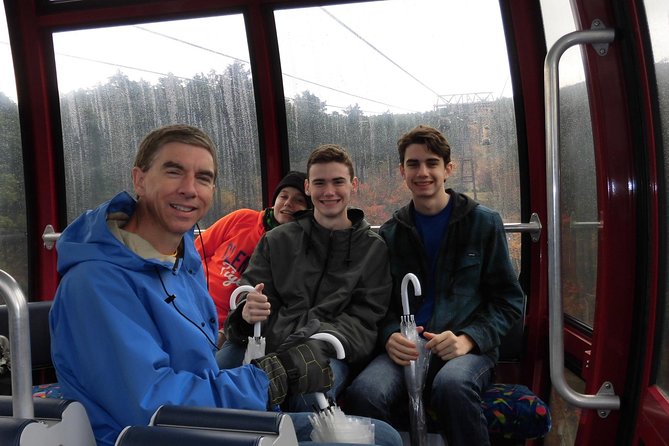
Your first stop is Hakone Shrine / Kuzuryu Shrine Singu. The shrine is historically significant—founded in 757—and it’s known as a famous power spot. Your time here is about 1 hour, and the admission ticket is not included.
What I like about starting with a shrine is the tone it sets. After a long day of moving around Hakone, this is a calm, grounded start. It also gives you a chance to stretch your legs early, before you step into the more intense volcanic and lake areas later.
A practical note: since the admission isn’t included, you’ll want a little cash or a ready payment method for entry. (The exact amount isn’t listed here, so just be prepared.)
Stop 2: Lake Ashinoko—volcanic origins and real scenery time
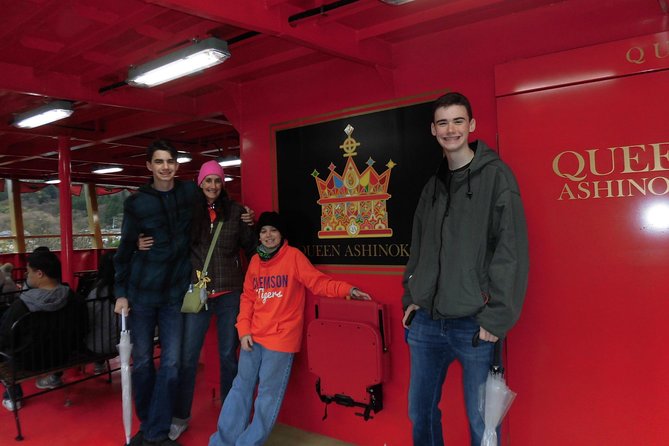
Next up is Lake Ashinoko, with about 1 hour allocated. Admission isn’t included here either.
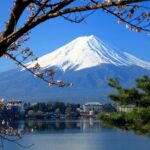
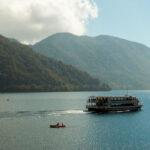
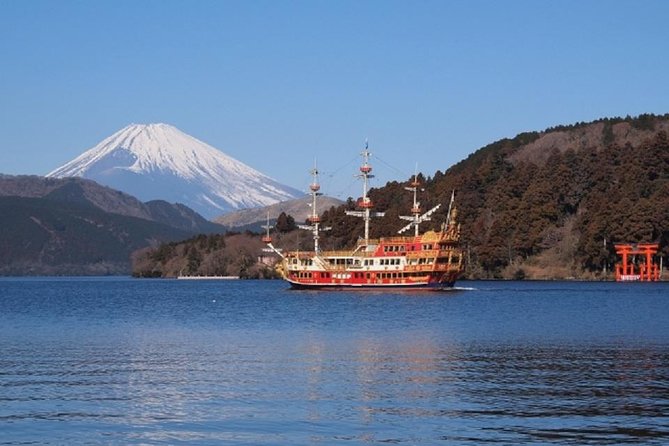
The story behind the lake is part of what makes it interesting. Ashinoko formed when debris-avalanche deposits blocked the Hakone River after a volcanic eruption in Hakone about 3,000 years ago. That means the area isn’t just pretty—it’s geology you can feel in the background.
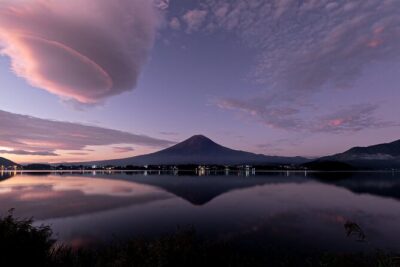
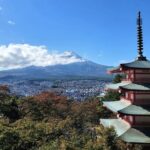
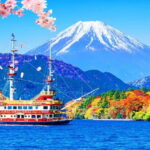
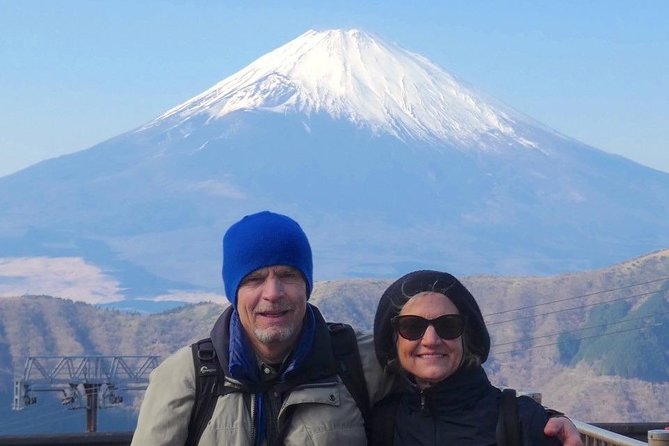
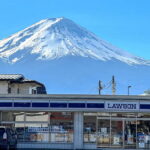
This is also one of the places people aim to pair with Mt. Fuji views, but weather controls that outcome. If it’s clear, you may get dramatic visuals. If it’s not, you still get the lake’s atmosphere and the chance to regroup during your day.
Tip for your mindset: don’t plan your entire day around one specific weather-dependent photo. Focus on the lake experience itself, then let Mt. Fuji be a bonus if it shows up.
You can also read our reviews of more tours and experiences in Tokyo
Stop 3: Owakudani Valley—sulfur smoke, volcanic activity, and free entry
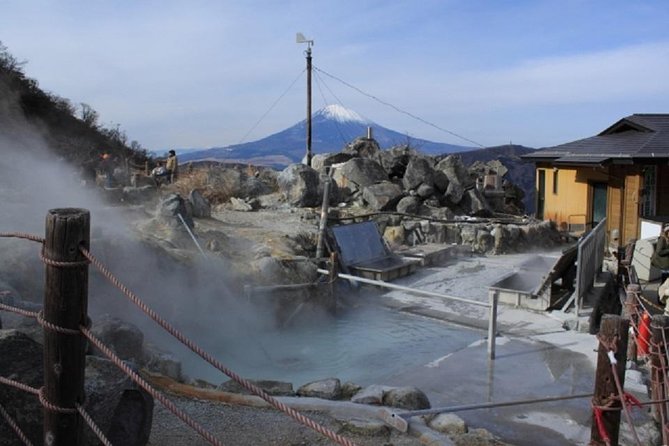
Then you hit Owaku-dani Valley, described as a volcanic zone created about 3,000 years ago during the last eruption of Mt. Hakone. This is where the tour leans hardest into the “Hakone is volcanic” identity.
You’ll spend about 1 hour here, and the admission is listed as free. Expect white smoke and a sulfur smell lingering around the stone valley. You’re not just seeing a viewpoint—you’re experiencing the area’s active-volcano mood.
This is also the stop where timing and pacing matter. Owakudani can feel intense if you’re sensitive to smells or if the air is damp. Your guide’s role is helpful here, because they can keep you moving through the best flow of viewpoints and timing.
Since it’s free, it’s a good place to feel like you get a direct hit of value without adding another ticket cost.
Stop 4: Hakone Open-Air Museum—art outside, plus walking
The final highlight is the Hakone Open-Air Museum, again with about 1 hour. Admission isn’t included.
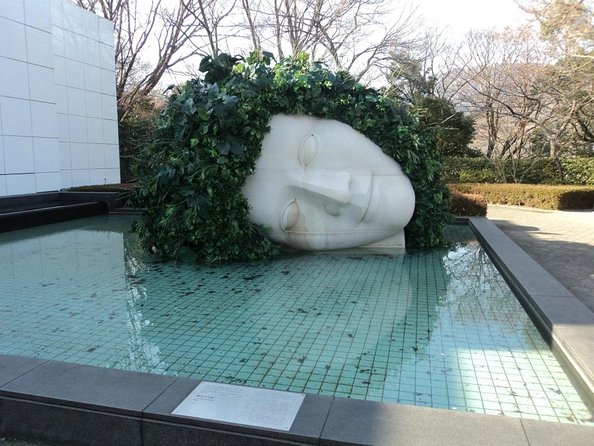
This stop is beloved for a reason: the works are varied and include both Japanese and Western artists. The view is also repeatedly noted as amazing, and the museum’s biggest appeal is how it ties art to nature. There’s even a foot bath, which is a nice recovery moment if your day starts feeling long.
A key consideration: the open-air museum involves walking. One provided perspective from earlier experiences points out that the full day includes quite a bit of walking, and it’s smart to come prepared.
If you love sculpture gardens and outdoor art settings, this stop is a great match for Hakone’s natural atmosphere. If you’d rather minimize steps, you may want to plan to take breaks and keep a slower pace during your hour.
When the weather turns: managing Mt. Fuji expectations
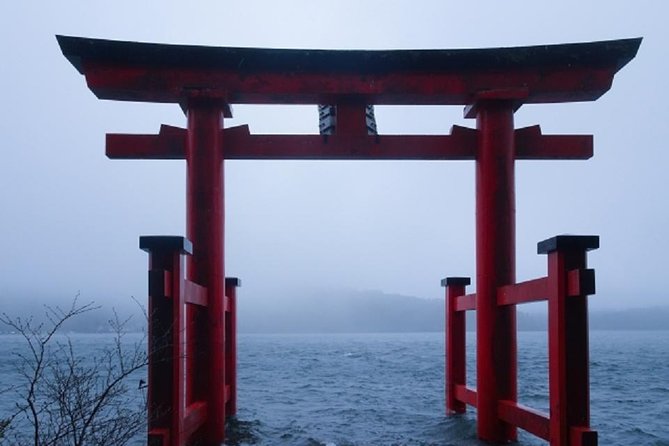
Hakone weather can change fast. Rain isn’t unusual, and it can block the famous Mt. Fuji views.
One experience in torrential rain is a good example of what to expect on a bad-weather day: visibility dropped, and Mt. Fuji wasn’t visible. Still, the guide—Yumiko Sano—helped the group stick to what they didn’t want to miss, so the day didn’t collapse into disappointment.
I think that’s the real value of a private guide plan. Weather can’t be controlled, but your time can be managed. If you go in expecting clear skies only as a bonus, you’ll enjoy the shrine atmosphere, the lake feel, and the volcanic energy more.
Guides make or break the day: Akira and Yumiko Sano
The guides named for this tour stand out for practical support, not just commentary. Akira is credited with making the trip possible by handling the public-transport logistics that would otherwise be tough to manage. That matches the core promise: you get to experience Hakone without doing the planning homework yourself.
Yumiko Sano is praised for staying helpful even in rough rain. The key detail is that you can tell your guide what matters most to you. Then they aim your day so you don’t feel like you got swept along by a generic script.
If you’re someone who appreciates calm leadership on trains and transfers, this is where the “private” part pays off.
The itinerary’s real rhythm: calm, then volcanic, then art
Even without a single word of marketing, the flow of the day makes sense.
- You start with a shrine (quiet and grounding).
- You move to a lake (open views and a reset).
- Then you go to Owakudani (smoke, sulfur, geology up close).
- Finally you finish at the open-air museum (art plus nature, plus that foot bath recovery moment).
That rhythm helps you avoid the “all adrenaline all day” trap. It’s structured enough to keep momentum, but it’s broken into different kinds of experiences so the day doesn’t blur together.
Who this Hakone day tour fits best
This is a strong choice if you:
- Want a Hakone day trip from Tokyo without wrestling transfers
- Have a JR Rail Pass (the public-transport approach aligns well)
- Care about seeing Lake Ashinoko and Owakudani
- Like the mix of nature plus culture, including the open-air art setting
It may not be your best fit if:
- You want total freedom to wander and skip stops
- You’re on a tight budget for admissions, food, and local rides
- You’re hoping for minimal walking. The day includes walking time, and the open-air museum especially asks for it
Should you book this Hakone full-day private tour?
Book it if you want Hakone the efficient way, with an English-speaking guide navigating public transportation and keeping the day on track. For a long day that can otherwise turn into stress, the structure is the main payoff. Add in the volcanic highlights at Owakudani and the outdoor museum finish, and you get a well-rounded Hakone sampler.
Skip or reconsider if you’d rather plan independently and manage transfers yourself. Since admissions and food aren’t included, your final spend will be higher than the headline price. And if your comfort with walking is limited, you’ll want to pace carefully during the outdoor sections.
If you’re aiming for a low-friction day with a confident guide, this one is a smart bet.
FAQ
How long is the Hakone private tour?
The tour is listed at about 10 hours.
What time does the tour start?
It starts at 8:00 am.
Where is the meeting point in Tokyo?
Meeting is in the hotel lobby within Tokyo’s 23 wards.
Is the guide English speaking?
Yes. The tour includes an English-speaking professional guide.
Is this tour really private?
Yes. It’s described as private, so only your group participates.
Are admission fees included for the stops?
No. Admission tickets are not included.
Are food and drinks included?
No. Food and drinks are not included.
What is the cancellation policy?
You can cancel for free up to 24 hours in advance of the start time for a full refund.