REVIEW · TOKYO
Tokyo Cherry Blossom Half Day Walking Tour with a Local Guide
Book on Viator →Operated by JewelTours.Japan · Bookable on Viator
Sakura season is short, and time matters. This half-day Tokyo Cherry Blossom Walking Tour is built for maximum bloom in about four hours, with a local guide steering you through some of the city’s best-known sakura viewing spots. I like that you get four cherry blossom areas plus a relaxed snack stop, and I also like that the guide can tailor the plan a bit to your interests while still hitting the key scenery.
You’re also moving by public transport, so the experience works best if you’re comfortable with street-level walking and quick transit hops. One possible drawback: if you’re expecting a huge, citywide cherry blossom tour with lots of far-flung stops, this is designed for a tight route, not a marathon.
In This Review
- The cherry blossom game plan: four stops in four hours
- Key points that actually help you decide
- Shinjuku Gyoen National Garden: three garden styles, one sakura mission
- Meiji Jingu Gaien and Sakurada-dori: 1,500 cherry trees along the avenue
- Chidorigafuchi Promenade: moat reflections and the rowboat option
- Sumida Park: the snack stop that makes the tour feel like a break
- Tokyo Tower as a finishing option: cherry views over the city
- Price and value: what $198.67 buys you in real terms
- How the local guide changes the walk (and helps you avoid wasted time)
- Who this tour fits best
- Quick practical considerations before you go
- Should you book this Tokyo cherry blossom walking tour?
- FAQ
- How long is the Tokyo cherry blossom walking tour?
- What cherry blossom spots are included?
- Is the snack and drink included?
- Are entry fees included?
- Is public transportation included?
- What’s the cancellation window?
The cherry blossom game plan: four stops in four hours
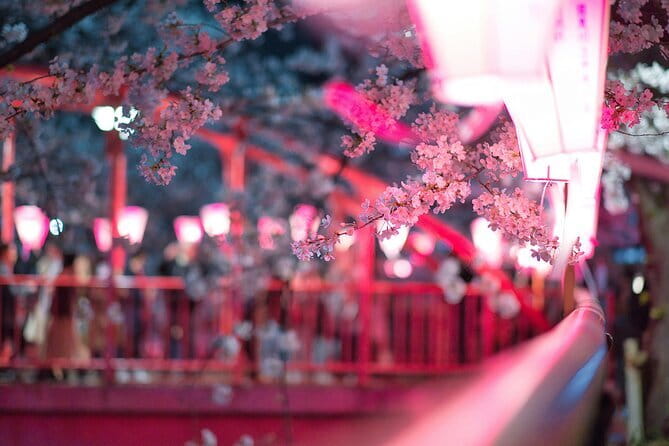
Tokyo cherry blossom days can feel like a scavenger hunt: everyone wants the same pictures, and lines form where the trees look the prettiest. This tour makes it simple. You hit a classic garden (Shinjuku Gyoen), a shrine-area avenue (Meiji Jingu Gaien), a moat reflection scene (Chidorigafuchi), and riverfront blooms (Sumida Park). Then, if you still have energy, you can add Tokyo Tower for a citywide view.
What makes this tour feel practical is that it mixes big scenic hits with a realistic pace. You’re not just dropped at landmarks. You’re guided through the best viewing flow for each place—so you’re more likely to find a good angle, not just a crowd.
Key points that actually help you decide
- Local-guide planning: Guides live in Tokyo and can suggest an itinerary or customize yours.
- Four cherry blossom stops: Shinjuku Gyoen, Meiji Jingu Gaien, Chidorigafuchi, and Sumida Park.
- Snack and drink break: Built in near the riverfront stalls, not squeezed between major sights.
- Entry fees are included: Each main garden/shrine stop lists admissions as included.
- Public transport included: You get help navigating transit and getting to the next stop efficiently.
You can also read our reviews of more walking tours in Tokyo


Shinjuku Gyoen National Garden: three garden styles, one sakura mission
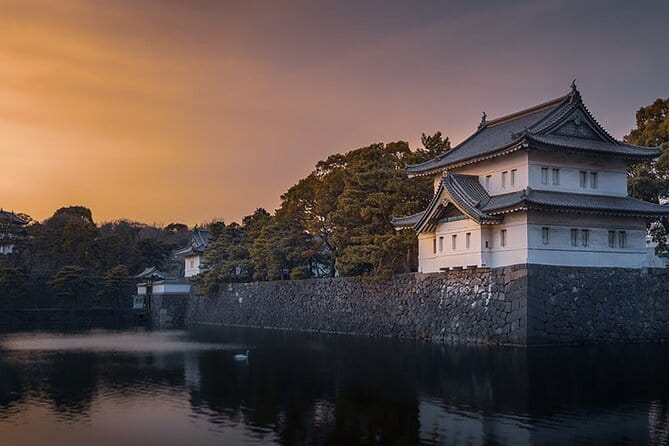
Start with Shinjuku Gyoen National Garden, one of Tokyo’s biggest and most photo-friendly sakura settings. The big win here is variety. Shinjuku Gyoen isn’t just one look. It offers a mix of traditional Japanese gardens, English gardens, and French formal garden layouts. That matters because cherry blossoms can look wildly different depending on how the paths, lawns, and garden edges are designed.
You’ll have about an hour on site, which is enough time to walk the main paths, pause for photos, and still avoid that end-of-tour rush feeling. Since it’s an expansive park, the guide’s role is useful: they can point you toward the most worthwhile sakura sections first so you’re not wandering for 45 minutes to find the best trees.
Practical note: with any popular sakura garden, you’ll see crowds. Your advantage is that a guide helps you choose where to spend your time inside the park.
Meiji Jingu Gaien and Sakurada-dori: 1,500 cherry trees along the avenue
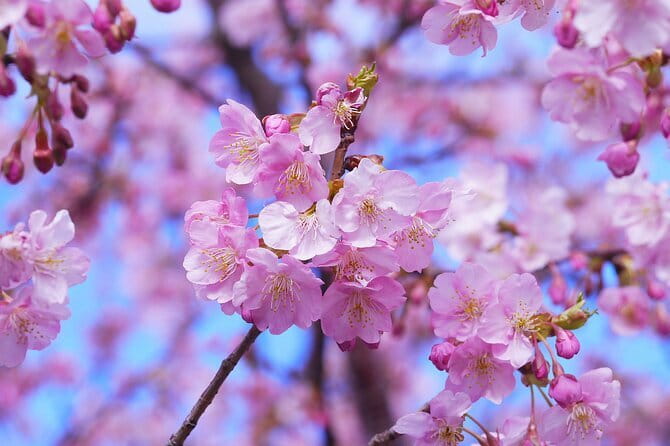
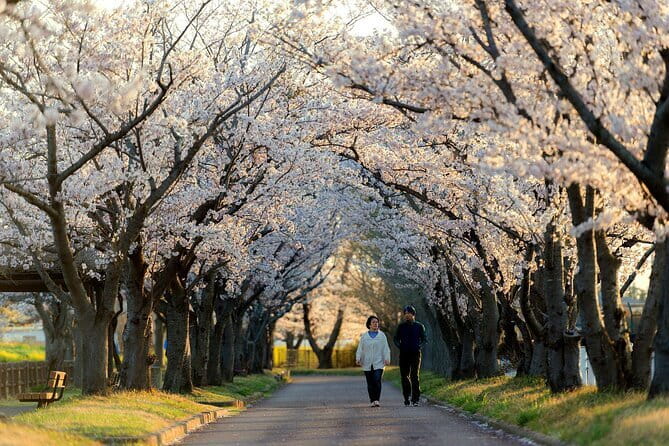
Next is Meiji Jingu Shrine Outer Garden, specifically Meiji Jingu Gaien and the famous Sakurada-dori Avenue lined with over 1,500 cherry trees. This is one of those Tokyo scenes where the urban setting makes the blossoms feel extra dramatic. You get a long, photo-friendly avenue view rather than isolated clusters.
You’ll spend about 45 minutes here. That’s a good length for this stop because you can do the stroll, get the classic panoramic shots, and then move before you lose momentum. Also, since this is part of the shrine complex area, the atmosphere is calmer than some parks. It’s a nice break from the nonstop city motion.
If your guide’s name is Brian (he’s been described as extremely helpful and fluent in both English and Japanese), you’ll likely appreciate how smoothly he can guide you through transit connections and directions—especially helpful when you’re switching between stations and street crossings.
Chidorigafuchi Promenade: moat reflections and the rowboat option
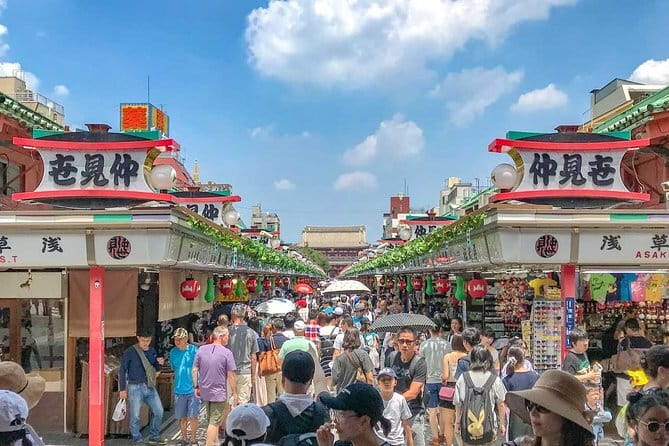
Then you hit Chidorigafuchi Promenade, built around the moat view: cherry trees lining the water with reflections that look almost too good. This spot is famous for a reason. When the blossoms are right, you get that double effect—flowers in the air and mirrored in the water.
You’ll get around 45 minutes along the promenade, which is enough time to walk the edges, stop for photos, and linger without feeling stuck. One optional extra here is a rowboat on the moat. The tour description flags it as an additional experience, so think of it as a bonus if the timing works and you want a slower, more scenic perspective from the water.
A realistic thought: this area can be busy during peak bloom. Going with a guide helps you time your walking for the best viewing rhythm.
Sumida Park: the snack stop that makes the tour feel like a break
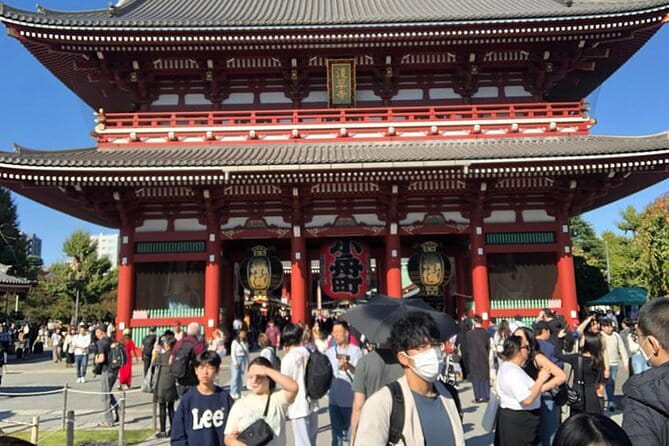
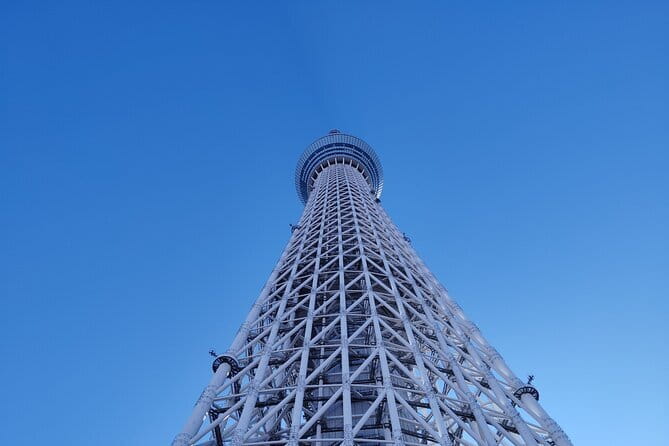
After three “stop-and-stare” sights, the tour smartly slows down at Sumida Park by the Sumida River. You’ll have about 45 minutes here, and it’s not just a breather. The park is famous for cherry blossoms along the river—over 1,000 sakura trees—and with Tokyo Skytree towering in the background, the setting has that postcard quality.
There are benches along the path, so you can actually sit. That matters because sakura walking tours can be tiring: standing for photos is fun until your legs argue back.
The tour includes a snack & drink stop in Sumida Park. You’ll likely find local stalls and food trucks, with popular choices like sakura mochi (sweet rice cake with red bean paste) or taiyaki (fish-shaped pastry filled with custard or red bean). Since it’s included, you’re not stuck hunting for food while the group moves on.
You can also read our reviews of more guided tours in Tokyo




Tokyo Tower as a finishing option: cherry views over the city
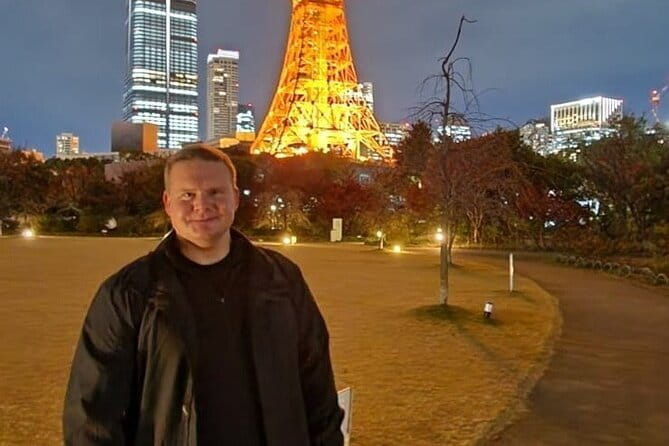
Depending on how your day goes, you may add Tokyo Tower as an optional scenic finish. The idea is simple: ride up to an observation deck for panoramic city views, with a chance to see cherry blossoms across the sprawling Tokyo grid.
Time here is listed as about 30 minutes. That’s a practical window for a viewpoint stop: long enough for photos and a slow look, short enough that you’re not stretching the whole day.
If you’re trying to decide whether to add it, I’d base it on two things: your energy level and what the sky looks like that day. On a clear day, Tokyo Tower can make the blossoms feel like part of the bigger city picture.
Price and value: what $198.67 buys you in real terms

At $198.67 per person for about four hours, this isn’t a budget stroll. But the value calculation is better when you look at what’s included.
You get:
- Public transport built into the tour approach
- All entry fees for the listed stops
- Food and drink at the snack break
- A souvenir
- A tour with an expert local guide who lives in Tokyo
So you’re paying for time-saving direction, smoother routing, and avoiding the “what ticket do I need?” friction at each site. In cherry blossom season, that kind of convenience can be worth a lot, especially if you’re short on daylight.
Also, the tour is private, meaning it’s just your group. That can make the per-person cost feel more reasonable if you’re traveling as a pair or small group, because you’re not competing for guide attention with a huge crowd.
How the local guide changes the walk (and helps you avoid wasted time)
This tour leans hard on local knowledge, and you can feel the difference in the route flow. The description says guides choose to live in Tokyo, and it also offers free support while you’re in Japan. That can be surprisingly useful if you’re trying to book restaurants, sort out a hotel question, or figure out trains after the tour.
From the guide-focused comments you might hear (like Brian’s fluency and flexibility), the big benefit is communication. When you can clearly ask where to go next and how to navigate transit streets, you lose less time to guesswork.
A small but important expectation check: this is a focused cherry blossom tour with four main locations plus an optional Tokyo Tower finish. If you’re hoping to see a long list of far-off places in one afternoon, it likely won’t match that fantasy. The best way to avoid disappointment is to confirm which stops are the fixed plan and which are options for your exact day.
Who this tour fits best
This tour is a strong match if you:
- Want a curated-feeling route without planning every station and entry ticket
- Care about classic cherry blossom scenes with good photo angles
- Prefer a half-day plan instead of spreading sightseeing across the whole weekend
- Like the idea of a private tour where your guide can shift the order slightly based on your pace
It’s also worth considering if you’re traveling with people who may not enjoy heavy planning but do want authentic city time—snack break included, not just “walk here, take photo, leave.”
Quick practical considerations before you go
- Dress for walking. Even though it’s only about four hours, you’ll move between neighborhoods and stroll inside large garden spaces.
- Bring your photo battery. Sakura photography is a time sink in the best way.
- Decide early if you want the rowboat add-on at Chidorigafuchi and the Tokyo Tower option, since both are “if it works” choices.
Should you book this Tokyo cherry blossom walking tour?
I think it’s a good booking if your goal is simple: see Tokyo sakura at several of the most recognizable spots without turning the day into a logistics project. The mix of Shinjuku Gyoen, Meiji Jingu Gaien, Chidorigafuchi, and Sumida Park gives you different styles of blossoms—garden, avenue, water reflection, and riverfront—without asking you to sprint across the whole city.
Book it if you value a local guide who helps you keep the day smooth, and if you’re happy with a focused route rather than an all-city checklist.
Skip or adjust your expectations if you’re trying to cover a huge number of distant sites in one afternoon. For cherry blossom season, four well-chosen stops tend to beat twelve rushed ones.
FAQ
How long is the Tokyo cherry blossom walking tour?
It’s listed at about 4 hours.
What cherry blossom spots are included?
The tour includes Shinjuku Gyoen National Garden, Meiji Jingu Shrine Outer Garden (Meiji Jingu Gaien/Sakurada-dori Avenue), Chidorigafuchi Promenade, and Sumida Park. Tokyo Tower is offered as an optional scenic stop.
Is the snack and drink included?
Yes. There’s a snack & drink stop in Sumida Park, with local stalls/food trucks selling items such as sakura mochi or taiyaki.
Are entry fees included?
Yes. The tour lists entry fees as included for the stops.
Is public transportation included?
Yes. Public transport is included, and pickup is offered.
What’s the cancellation window?
You can cancel up to 24 hours in advance for a full refund. Cancellation cut-off times use local time.