REVIEW · TOKYO
Full Day Tour at Mt. Fuji, Onsen, Lake Kawaguchi and Yamanaka
Book on Viator →Operated by Hotel Takitei · Bookable on Viator
Fuji views without dealing with train transfers. I like the round-trip transport and how you still get real time around Lake Kawaguchi for walking and photos. My only heads-up: weather can block Mount Fuji, so plan for the possibility of less-than-clear views.
This is a full-day circuit run with an air-conditioned vehicle, a multilingual guide, and bottled water. It’s capped at up to 40 people, so you get the structure of a guided day without feeling lost, but it’s not a quiet, private outing.
In This Review
- Key things I’d watch for
- Mt. Fuji’s View Rules: what you’re really booking
- Your day in one line: transport + viewpoints + two lake stops
- Arakurayama Sengen Park vs Mt. Fuji 5th Station (seasonal switch)
- Lake Kawaguchiko: the best time to slow down and look
- Lake Yamanaka: Swan Lake mood plus the onsen-or-boat choice
- Onsen tattoos: what the rules mean for you
- The guide’s role: why Damon, Mario, BC, and Laner keep showing up
- Transport comfort and timing: long days, but someone else drives
- Budget reality check: $49.97 is solid, but add-ons matter
- What to pack (so the day feels easy, not chaotic)
- Who this tour is best for (and who should rethink)
- Should you book this Mt. Fuji, Lake Kawaguchi, and Lake Yamanaka day tour?
- FAQ
- Is Mount Fuji guaranteed to be visible?
- What’s included in the ticket price?
- Are the boat rides and onsen included?
- Which place do you visit for Mount Fuji depending on the season?
- Can I do both the boat ride and onsen at Lake Yamanaka?
- Do tattoos allow entry to the onsen?
Key things I’d watch for
- Season swaps your main Fuji stop between Arakurayama Sengen Park and the Mt. Fuji 5th Station
- Guides named Damon, Mario, BC, and Laner get praised for organization and photo help
- Lake Kawaguchiko gives you choice between scenic walks and an optional boat ride
- At Lake Yamanaka you choose one: boat cruise or hot spring time
- Onsen tattoo rules can affect entry, especially for larger tattoos
- Traffic may push the day later, and visit times can shrink during peak congestion
Mt. Fuji’s View Rules: what you’re really booking
This day is built around one big variable: how clear Mount Fuji looks. The tour notes that visibility can’t be guaranteed, and that’s true in real life too—fog, cloud cover, and even wind can change what you see in an hour. If you’re coming for a perfect postcard cone from every stop, temper expectations and keep your schedule flexible in your head.
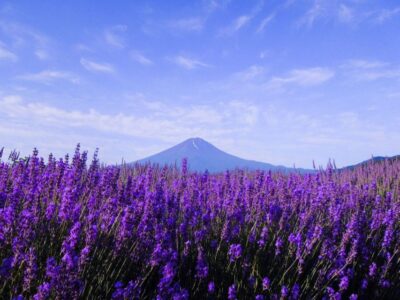
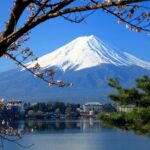
What makes the plan worth it is that you get more than one chance to see Fuji. Instead of betting everything on a single viewpoint, you roll through a seasonal Fuji spot, then the Fuji Five Lakes area, where conditions often improve as the day moves along.
Also, you’re not just watching from a bus window. You’ll have time to step out, look around, and take photos at each stop (with visit times that can shorten if roads are crowded).
You can also read our reviews of more tours and experiences in Tokyo
Your day in one line: transport + viewpoints + two lake stops
For a little over 10 hours, you’ll travel from Tokyo and rotate through four main stops:
- A seasonal Fuji viewpoint: either Arakurayama Sengen Park or the Mt. Fuji 5th Station
- Lake Kawaguchiko (Fuji Five Lakes)
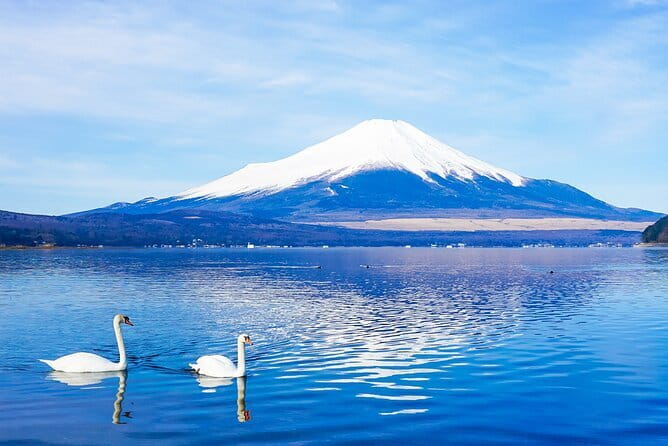
- Lake Yamanaka (often called Swan Lake in winter)
- Optional add-ons at the lakes like a boat ride or a hot spring visit
The tour also provides bottled water, which sounds small until you’re out all day and realize you’d otherwise be buying drinks one-by-one. And you’ll get a professional driver plus a guide, so you’re not stressed about which bus platform, which train transfer, or which wrong turn ruins your timing.
One more practical note: this runs as a guided group experience with a small cap (up to 40), so you’ll want to keep your day organized and follow the guide’s timing cues.
Arakurayama Sengen Park vs Mt. Fuji 5th Station (seasonal switch)
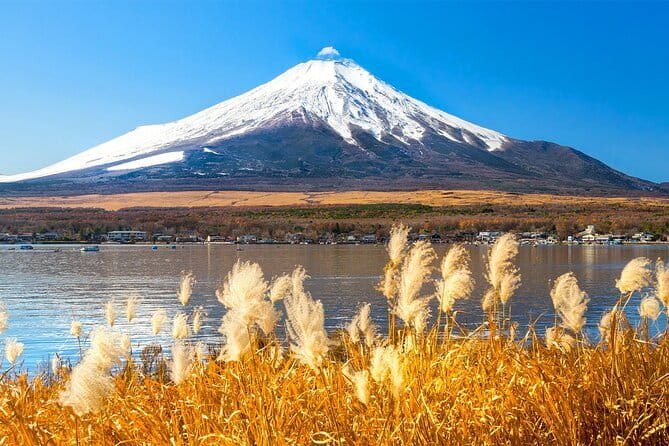
Here’s one of the most important things to understand before you go: the main Fuji stop changes depending on the time of year.
- Apr 26 to Sep 30: you visit the Mt. Fuji 5th Station (free entry)
- Oct 1 to Apr 25: you go to Arakurayama Sengen Park (free entry)
Why it matters: you’re essentially booking a seasonal photo and viewpoints strategy. The Mt. Fuji 5th Station is much higher up (the tour lists the elevation as 2,305 meters), so it’s geared for that “I’m really close to the mountain” feeling when conditions cooperate. Arakurayama Sengen Park is a more accessible, viewpoint-style stop that’s popular for pictures, and it makes sense when the mountain 5th station isn’t the plan.
Either way, this stop is your “big moment.” If visibility is good, you’ll feel it. If it’s not, it still helps to have a designed plan that doesn’t leave you stranded guessing what to do next.
Lake Kawaguchiko: the best time to slow down and look
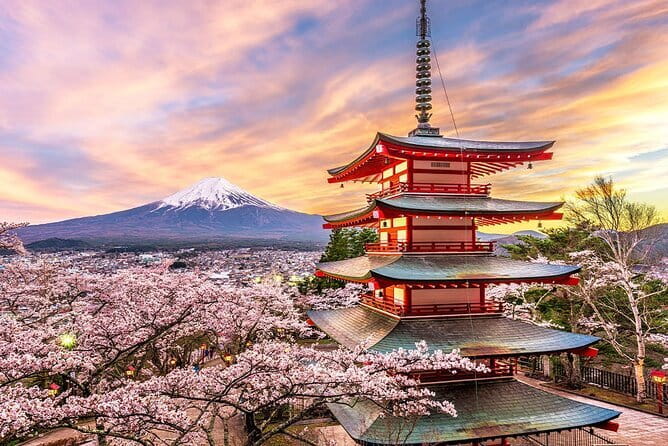
After the Fuji viewpoint, the itinerary shifts to a classic “walk, look, repeat” setting: Lake Kawaguchiko, the largest of the Fuji Five Lakes.
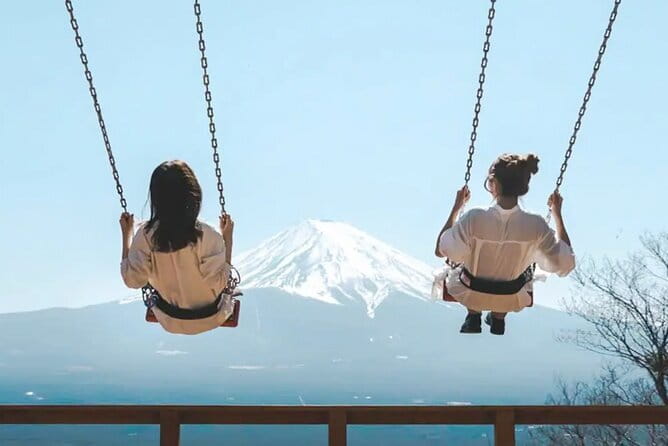
You get about an hour here, which is short enough that you won’t burn your legs, but long enough to get outside, find a good angle, and stroll at least part of the lake area. The tour specifically calls out the seasonal highlights around Oishi Park, which can include things like cherry blossoms depending on the time of year.
Two ways to enjoy Kawaguchiko:
- Scenic walking + viewpoints: perfect if you want movement and photo stops without worrying about timing a boat
- Optional boat ride: admission is not included and is listed as $8 per person
If you’re the type who likes to compare reflections—Fuji reflected in water vs Fuji framed by trees and paths—this lake stop is where you’ll get the most satisfaction per unit of effort. The hour flies by fast when the views are good, so I’d aim to keep your phone charged and your camera settings ready.
One drawback to keep in mind: this is a popular area, so you can expect crowds during peak seasons. If you want quiet corners, go a little slower and don’t rush straight to the most obvious angles.
Lake Yamanaka: Swan Lake mood plus the onsen-or-boat choice
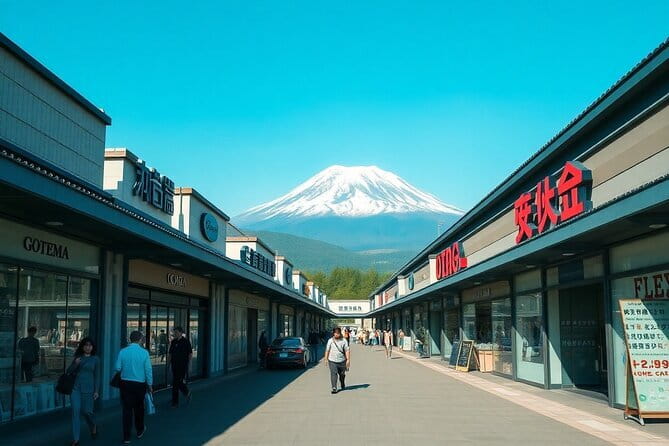
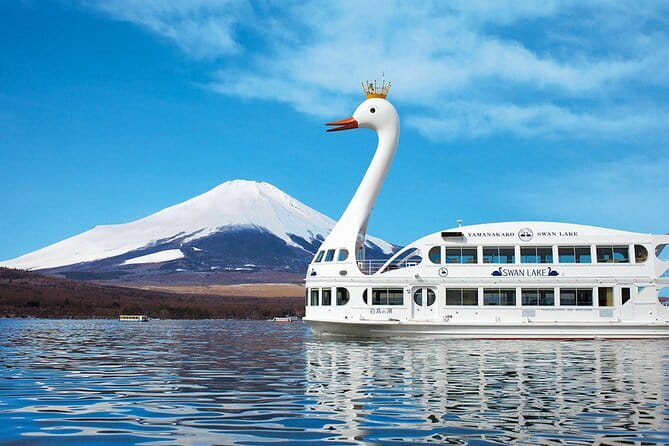
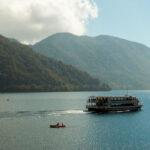
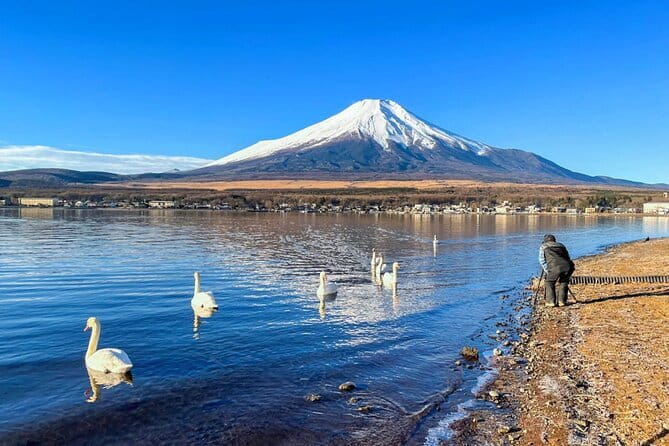
Then you move to Lake Yamanaka, described as Swan Lake for its winter visitors. Here you’ll have roughly 1 hour 10 minutes, and you get a key decision:
At Lake Yamanaka, you can’t do everything. Due to time constraints, the tour lets you choose either:
- a scenic swan-shaped boat cruise (boat ticket not included; $8 per person), or
- a hot spring (onsen) experience (onsen ticket not included; $8 per person)
That one-choice rule is important. If you love onsen culture, plan for soaking time and don’t count on fitting in the boat. If you want lake views from the water, skip the hot spring and commit to the cruise.
I like this setup because it prevents that common day-tour problem: trying to do both things poorly. You’ll have a clearer payoff either way, especially since your time here is short and the roads can be unpredictable.
You can also read our reviews of more tours and experiences in Tokyo

Onsen tattoos: what the rules mean for you
If you’re considering the optional onsen at Lake Yamanaka, read this part carefully.
The tour states:
- If your tattoo is smaller than a palm and there’s only one, you may cover it with a tattoo sticker.
- If your tattoo is large, you won’t be permitted to enter Japanese hot springs.
This isn’t the kind of rule you want to discover on site after you’ve already committed to the onsen time. If tattoos are part of your life, bring what you have (and if you have large work, you may want to choose the boat cruise instead).
Tip: even if you’ve never had issues before, Japanese onsen policies are strict enough that it pays to plan for the possibility you’ll need a backup.
The guide’s role: why Damon, Mario, BC, and Laner keep showing up
A huge part of whether this day feels smooth is the guide. You’ll get multilingual explanations from your guide, and the day’s pacing is set by that person holding the rhythm of pickups and photo stops.
In the feedback tied to this experience, certain guide names come up with real personality details:
- Damon is described as fun, organized, and helpful
- Mario is called friendly, with a smooth day
- BC gets praised as funny and accommodating
- Laner is noted for being attentive and leading great photo moments
Even when the itinerary is fixed, good guiding changes the experience. It’s the difference between standing around wondering where to go next and knowing what angle will likely work best.
If you care about photography, this is also one of those days where a guide who helps you time pictures can save you a lot of wasted standing in crowds.
Transport comfort and timing: long days, but someone else drives
You’re spending a full day on the move, and the experience includes:
- an air-conditioned vehicle
- a professional driver
- pickup and drop-off from a designated point
- bottled water
- a driver and guide who handle the logistics
It won’t be a short, light day. One review criticism pointed out that the ride can feel uncomfortable if the vehicle is older or the legroom is tight. The listing also doesn’t hide that weekend and holiday traffic can delay the return time past 8 p.m.
The good news: the tour says the company covers any overtime fees for the guide and driver. The practical takeaway for you is simpler—don’t schedule anything tight right after the tour ends. Give yourself buffer time for traffic and possible shortened visits during peak congestion.
Also, show up early. The meeting point method is clearly explained: the guide holds a yellow flag with the Gogoday logo, and you should arrive 15 minutes early. Late arrivals can miss the start. No late-start magic.
Budget reality check: $49.97 is solid, but add-ons matter
At $49.97 per person, this is priced like a value day tour, especially because you get:
- round-trip transport
- a guide
- bottled water
- the main viewpoint stops with free admission
Then you budget for optional extras, which are clearly listed:
- Boat ticket(s): $8 per person
- Onsen ticket: $8 per person
- Fuji Shibazakura Festival ticket: $8 per person (seasonal; the tour notes it as an extra)
Lunch is not included, so plan for food on your own at whatever point the schedule allows. The tour also recommends bringing cash, because some scenic spots and restaurants may take cash only.
If you choose both boat-related options, you’re adding at least $16. If you choose the onsen, add $8. That still keeps you in reasonable territory for a full day that includes transportation and multiple major Fuji-area stops.
What to pack (so the day feels easy, not chaotic)
You’ll be outdoors at least part of the time, and the tour operates year-round with seasonal route changes. So pack for weather swings. Even when the sky looks good in the morning, conditions can change fast around the Fuji region.
At minimum, I’d bring:
- comfortable walking shoes (the lakes involve pavement and paths)
- a light layer (mountain weather can feel cooler)
- a charged phone/camera (you’re dealing with views and photo timing)
- some cash for meals and optional tickets
If you’re doing the onsen, also bring your tattoo sticker plan if it applies to you. If you’re not doing the onsen, you can pack lighter.
Who this tour is best for (and who should rethink)
This tour makes the most sense if you’re:
- short on time in Tokyo and want a full Fuji day without driving
- a first-timer who wants the main highlights grouped logically
- someone who prefers guided pacing over figuring out public transit
- traveling with family or in a mixed group, since you’ll be in a capped group size with a guide
It may be less ideal if you:
- need full control over timing at each stop (because timing can compress with traffic)
- want a guaranteed clear Mount Fuji view (the tour states visibility can’t be promised)
- strongly want both the Lake Yamanaka boat and onsen (the tour only allows one)
Should you book this Mt. Fuji, Lake Kawaguchi, and Lake Yamanaka day tour?
If your goal is a well-run day trip with transport + guided structure, I’d say yes. The value is hard to ignore at $49.97, especially with bottled water and a real driver handling the route while you focus on the scenery. And because the main Fuji stop changes by season, you’ll still hit a high-quality viewpoint strategy instead of a one-size-fits-all plan.
Book it if you can accept one big reality check: Mt. Fuji visibility depends on weather, and traffic can affect how long you spend at each stop. If you go in with that mindset, this day delivers a lot of “different angles of the same dream” without requiring you to master logistics across buses and transfers.
If you want, tell me your travel month and whether you’d rather do the Lake Yamanaka boat or the onsen, and I’ll suggest which seasonal Fuji stop you’ll most likely experience and how to plan your priorities.
FAQ
Is Mount Fuji guaranteed to be visible?
No. The tour states that weather conditions are unpredictable and Mount Fuji visibility cannot be guaranteed.
What’s included in the ticket price?
You get an air-conditioned vehicle, pickup and drop-off from a designated point, a multilingual tour guide, a professional driver, and bottled water.
Are the boat rides and onsen included?
No. The tour lists the boat ticket as $8 per person and the onsen ticket as $8 per person.
Which place do you visit for Mount Fuji depending on the season?
From Apr 26 to Sep 30, you visit the Mt. Fuji 5th Station. From Oct 1 to Apr 25, you go to Arakurayama Sengen Park instead.
Can I do both the boat ride and onsen at Lake Yamanaka?
No. At Lake Yamanaka, due to time constraints, you can choose either the boat ride or the hot spring experience, not both.
Do tattoos allow entry to the onsen?
The tour explains that if your tattoo is smaller than a palm and there’s only one, you may cover it with a tattoo sticker. If the tattoo is large, entry to Japanese hot springs is not permitted.
【samuraive】-400x300.jpg)