REVIEW · TOKYO
Tokyo: Mt Takao Tour with Ramen and Tattoo-Okay Hot Spring
Book on GetYourGuide →Operated by Irie Tokyo Tours · Bookable on GetYourGuide
Mt. Takao pulls you out of Tokyo fast. This day trip pairs a mountain climb with a Monkey Park visit and shrine scenery, so you get nature and Japanese culture in one smooth loop, guided in English by Jordan.
I especially like two parts: the Hachioji ramen lunch (with soba as an option) and the tattoo-friendly onsen at the end, where you can relax without feeling left out.
One thing to consider: your Mt. Fuji view depends on clear skies, so clouds can reduce the payoff.
In This Review
- Key highlights worth planning around
- Finding Jordan at Takaosanguchi Station with the yellow tennis ball
- Takao 599 Museum: a quick primer before the mountain
- Mt. Takao cable car and summit views: when Mt. Fuji shows up
- Monkey Park and the suspension bridge: nature you don’t have to schedule
- Yakuō-in and shrine stops: why this mountain matters
- Hachioji ramen lunch on the mountain: the right fuel at the right time
- Coming back down: scenic walks plus cable car time
- Tattoo-friendly natural hot spring (onsen): nude, gender separated, and worth it
- Price and value: why $120 feels fair for this mix
- Should you book the Tokyo to Mt. Takao tour?
- FAQ
- FAQ
- Where is the meeting point?
- How long is the tour?
- How big is the group?
- Is the tour guide available in English?
- What transportation is included on Mt. Takao?
- What food is included for lunch?
- Is the hot spring tattoo-friendly?
- What should I know about the onsen rules?
- What should I bring?
Key highlights worth planning around
- Small group of up to 7 means you get real attention and easy questions for Jordan
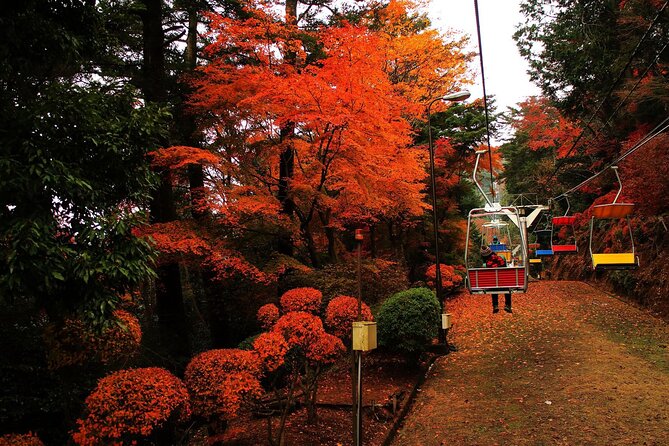
- Cable car and chair lift rides save time and keep the day from turning into nonstop walking
- Monkeys at the park are lively and fun to watch up close in their habitat
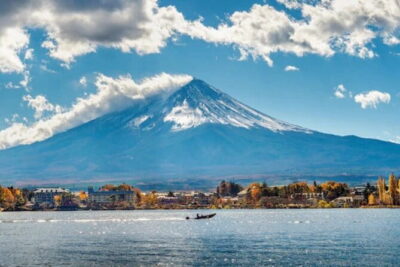
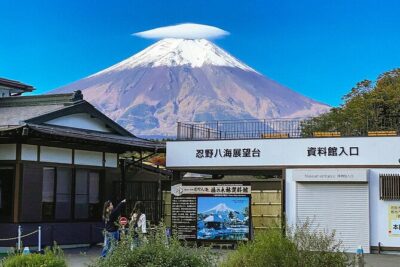
- Clear-day Mt. Fuji views are the big visual reward from the summit area
- Hachioji ramen lunch lands right when you’re ready for it, after the hike
- Tattoo-friendly natural hot spring is the best kind of finish: warm, scenic, and welcoming
Finding Jordan at Takaosanguchi Station with the yellow tennis ball
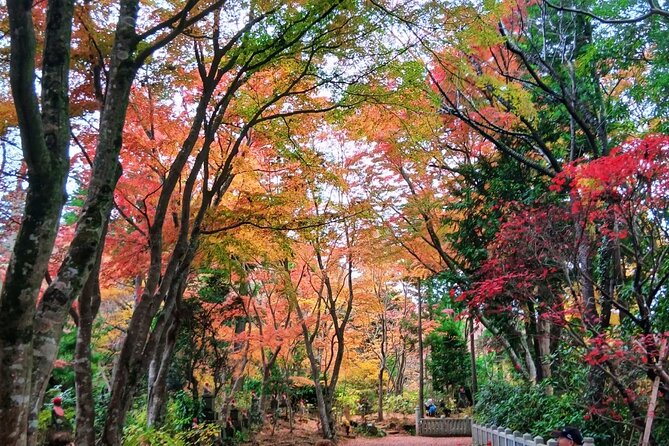
The day starts at Takaosanguchi Station, and yes, the meeting is simple to spot: Jordan waits at the ticket gates holding a yellow tennis ball. It’s a small detail, but it matters when you’re in a station full of signs and people.
This is also where the tour’s tone sets in. The group stays small (up to 7 participants), so you don’t feel shuffled along like cargo. Jordan keeps the pace human and answers questions as you go, which helps when you’re moving between temples, views, and food without a moment to figure things out on your own.
If you’re staying in central Tokyo, plan a little buffer for the commute to Hachiōji’s area. The trip is doable, just not a quick hop. Once you’re there, though, you get to trade the city buzz for mountains and river scenery for most of the day.
You can also read our reviews of more tours and experiences in Tokyo
Takao 599 Museum: a quick primer before the mountain
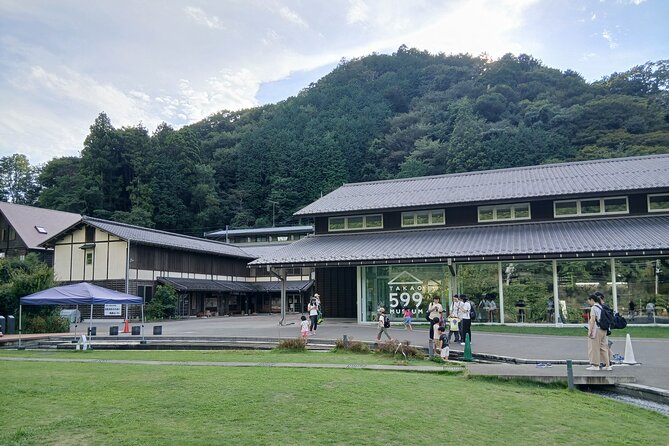
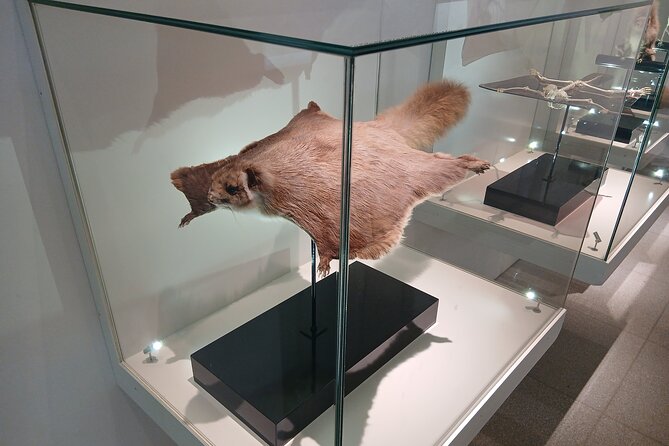
Before you go up high, you get a short guided stop at the Takao 599 Museum (about 15 minutes). It’s brief, but the point is smart: it gives you context for what you’re about to see on Mt. Takao’s slopes—plants, nature stories, and the mountain’s place in local culture.
This little stop also helps you move through the outdoor sections with better eyes. When Jordan points out history, mythology, or what you’re looking at, you’ll recognize more than just random trees and shrines.
The museum is not a full-day attraction. It’s more like getting your bearings fast—then you’re off to the rides and the viewpoints.
Mt. Takao cable car and summit views: when Mt. Fuji shows up
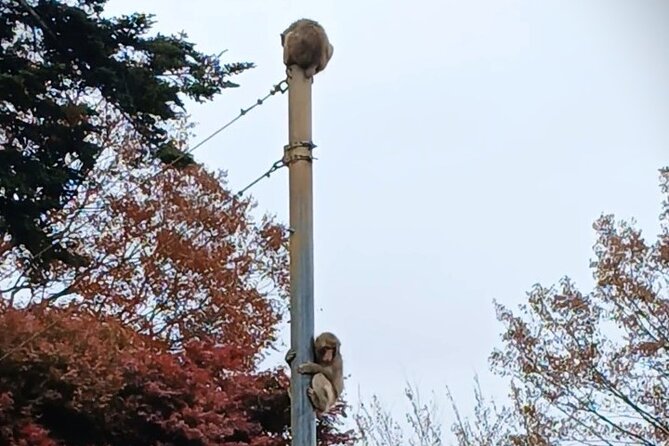
The core of the day is reaching the summit area on Mt. Takao. You’ll use included transport like a cable car and chair lift, depending on the route and timing, then continue with guided walking segments to the peak views.
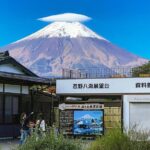
Here’s why this part is so worth it: Mt. Takao is close to Tokyo, but it still feels like you’re stepping into a different world—cooler air, thick forest, and suddenly the city is far away. On clear days, you can see Mt. Fuji from the mountain, and the experience clicks because you’re looking at Japan’s most famous peak from up close, not from a postcard.
I also like how the pacing works. The day isn’t just a grind up and down. You get viewpoints along the way, then the summit moment, then time to come back down with options built into the flow.
Main consideration: Fuji visibility isn’t guaranteed. If the weather turns, you’ll still enjoy the mountain and shrines, but the big photo payoff is best on blue-sky days.
Monkey Park and the suspension bridge: nature you don’t have to schedule
Once you’re up in the Takao area, you’ll spend time at the Mt. Takao Monkey Park & Wildflower Garden. The monkey section is a highlight because the animals are genuinely active—watch them for movement, not just sitting. They have a routine, but they’re not static attractions, and that makes the whole thing feel more like a real habitat than a zoo experience.
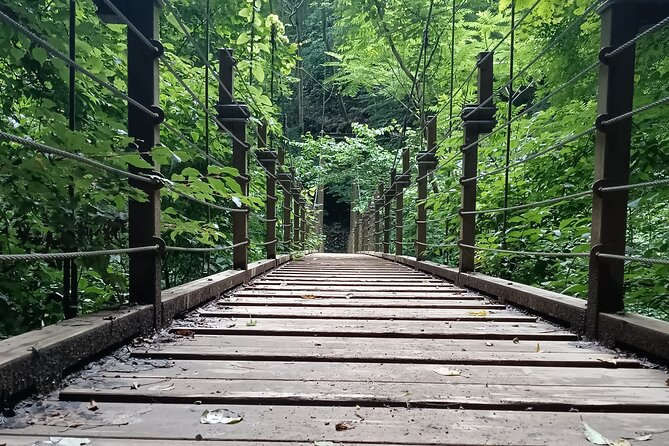
After that, the route includes a scenic walk down past a suspension bridge. It’s a simple stretch, but it helps break up the day. You get movement, fresh air, and a change in scenery before the next temple and viewpoint stops.
This is also one of those moments where Jordan’s guidance pays off. He can explain what you’re seeing and how the mountain area fits into local culture, so the walk doesn’t feel like dead time between the big moments.
Yakuō-in and shrine stops: why this mountain matters
The tour includes a visit to Yakuō-in (about 40 minutes), plus guided walking sections that connect different scenic and spiritual points on the mountain. This part is where Mt. Takao turns from a nature day into a cultural one.
I like that the shrines and temples aren’t treated like a checklist. Jordan shares the ideas behind what you’re seeing—stories, beliefs, and how mountains are viewed through a Japanese spiritual lens. Even if you’re not a history buff, it helps you understand why people climb here beyond the views.
There’s a nice rhythm: short walks, pauses for photos, then another worship site or scenic viewpoint. You’re not rushing through, and you’re also not stuck waiting. The experience stays active while still letting you absorb the quiet atmosphere.
One practical note: this is still a mountain walk. You’ll want comfortable shoes, and you should be ready for uneven ground at parts of the route.






Hachioji ramen lunch on the mountain: the right fuel at the right time
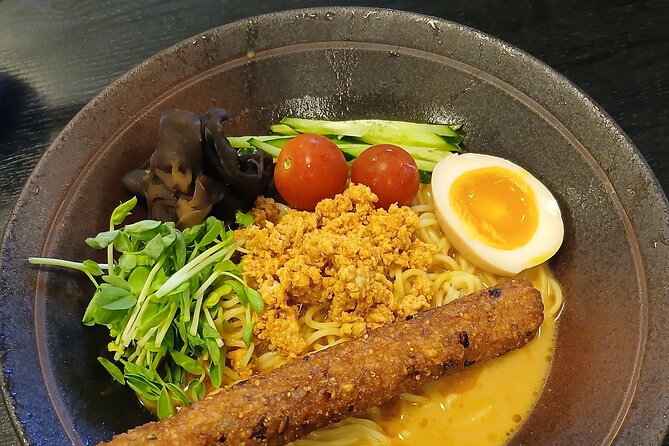
Lunch is one of the day’s anchors: a stop at a local restaurant for Hachioji ramen (with soba as an alternative option). Timing is key here, because you’ll be hungry from the climb and walking, so food doesn’t feel like a tourist chore. It feels like a reward.
I like ramen on travel days because it’s warm, filling, and easy to enjoy even if you’re tired. The tour also builds in enough time to eat without panic, then reset for the afternoon sightseeing and return down the mountain.
Jordan also helps with on-the-ground coordination at meal stops. If you need basic support communicating, he’s there to assist local staff so you’re not stuck doing your best hand gestures while everyone else is already seated.
Coming back down: scenic walks plus cable car time
After the temple and viewpoint blocks, you return down the mountain via included transport like another cable car ride (chair lift and cable car are both part of what’s covered). You’ll also have additional short walk-and-view time on the way, so the day stays varied instead of turning into one long ride back.
This downhill section matters because it’s where you often get better photo angles of what you just climbed. It also helps you decompress. When you’re done with the effort, you still get movement and scenery, but you’re no longer fighting the steepest parts.
Also, because the group is small, Jordan can adjust timing if someone needs a slightly slower pace. That flexibility is one of the reasons people come away happy and not drained.
When the mountain part finishes, the tour transitions you toward the final off-mountain stop.
Tattoo-friendly natural hot spring (onsen): nude, gender separated, and worth it
The day ends with a natural hot spring visit—one of the best reasons to book this exact tour instead of trying to cobble things together yourself.
First, it’s specifically tattoo-friendly, so you don’t have to sit out the main event. Second, it’s scenic: the hot spring is about a 35-minute drive away, and the ride includes a look at local towns and mountains in West Tokyo, a side of the region many people miss.
What to know before you go: in Japanese hot springs, it’s nude and separated by gender. Towels are provided, so you’re not scrambling to find supplies at the last minute.
One more thing: this isn’t an artificial spa with “just heated water.” It’s a real onsen setting, and after a mountain day it feels like a full-body reset. The water temperature and soaking time are the point, so let your shoulders drop and stop thinking about the day for a bit.
Price and value: why $120 feels fair for this mix
At about $120 per person for an 8-hour day, the price sounds straightforward until you list what’s included.
You’re getting:
- Cable car and chair lift transport
- Monkey Park admission
- Takao 599 Museum guided time
- Hachioji ramen lunch
- Natural hot spring admission
- Towels for the hot spring
On a DIY day, those pieces add up fast, and the time costs add up too. You’d still need to figure out trains, tickets, and sequencing. You’d also need to manage the hardest part: combining mountain transport with food and then landing at the right hot spring—especially if you want a tattoo-friendly onsen.
This tour also buys you something less measurable: Jordan’s guidance. He’s English-speaking, stays with the group, and helps with coordination where it counts. That’s valuable when you’re not trying to become a part-time logistics planner during vacation.
So yes, it’s not the cheapest day in Tokyo. But you’re paying for a complete mountain-to-onsen storyline with low friction and real local pacing.
Should you book the Tokyo to Mt. Takao tour?
Book it if you want:
- A break from central Tokyo with nature close to the city
- A manageable mountain day that mixes views, monkeys, and shrines
- Included food and transport so your day stays simple
- A real end-of-day soak at a tattoo-friendly natural hot spring
- A small group experience where Jordan can answer questions and keep things moving at your pace
Skip it (or adjust expectations) if your plan depends on guaranteed Mt. Fuji photos. Clear weather matters, and clouds can happen.
If you’re coming to Tokyo mainly for neighborhoods and you only want one nature day, this is a smart pick. It gives you variety without making you travel far into the next region.
FAQ
FAQ
Where is the meeting point?
You meet at Takaosanguchi Station. Jordan will be waiting at the ticket gates holding a yellow tennis ball.
How long is the tour?
The tour runs for about 8 hours.
How big is the group?
The group is limited to up to 7 participants.
Is the tour guide available in English?
Yes, the tour is guided by a live English-speaking guide.
What transportation is included on Mt. Takao?
Included transport covers rides like the cable car and chair lift, plus other included transport as the day progresses.
What food is included for lunch?
Lunch includes Hachioji ramen, with soba as an option.
Is the hot spring tattoo-friendly?
Yes. The tour ends at a tattoo-friendly natural hot spring.
What should I know about the onsen rules?
Hot springs in Japan are nude and separated by gender. Towels are provided.
What should I bring?
Bring comfortable shoes for the walking parts on Mt. Takao.