REVIEW · TOKYO
Mt. Fuji, Hakone Private Tour from Tokyo – Onsen, Arts and Nature
Book on Viator →Operated by Elie · Bookable on Viator
Fuji and onsen, thoughtfully stitched together. I like the private guide setup (up to 5 people) because you can flex the day when weather shifts, and I love that the itinerary is built around a real onsen break in Hakone instead of rushing from one photo stop to the next. Pickup from your Tokyo hotel makes the whole thing feel easy from the first minute.
One possible drawback: Mt. Fuji visibility depends on the sky, and the day also comes with add-on ticket costs for the onsen and museums, so the final price can be a bit more than the headline figure. If you go in expecting guaranteed mountain drama, you might be disappointed.
In This Review
- Key things I’d pin to the top
- A Tokyo-to-Fuji-and-Hakone day that’s built for pace control
- Morning pickup and the Mt. Fuji viewing window
- Chasing Mt. Fuji without losing the day
- Hakone Turnpike scenic roads: why you start there
- Hakone Shrine and Lake Ashi: the classic torii-by-the-water moment
- Amasake Chaya tea house stop: tradition with breathing room
- Lunch and onsen: the heart of a Hakone reset
- Hakone Open-Air Museum vs Pola Museum: art that changes with the weather
- The Open-Air Museum option
- The Pola Museum of Art indoor backup
- Lake Ashinoko Sky Line and the second view moment
- Price and value: why $852 per group can make sense
- What I’d watch out for before you book
- Who this tour suits best
- Should you book this Mt. Fuji and Hakone onsen private tour?
- FAQ
- How long is the Mt. Fuji, Hakone Private Tour from Tokyo?
- Is hotel pickup and drop-off included?
- How many people can be in a private group?
- What time does the tour start?
- Are lunch and dinner included?
- How much do the onsen and museum cost?
- What happens if the weather is poor for open-air plans?
- Is transportation and highway tolls included?
- Can I cancel for a full refund?
Key things I’d pin to the top
- Private, door-to-door convenience: round-trip hotel pickup and drop-off saves you the Tokyo train puzzle.
- Scenic driving is part of the point: you spend time on scenic routes for Fuji/Hakone valley views.
- Hakone Shrine + Lake Ashi torii views: classic Shinto sights by the water, not just quick roadside photos.
- A long onsen block (about 2 hours): built in time to actually slow down.
- Art when weather turns: Open-Air Museum if conditions allow; Pola Museum of Art as the indoor backup.
- A tea house stop with deep roots: the Amazake Chaya experience is timed early enough to enjoy it, not rush through it.
A Tokyo-to-Fuji-and-Hakone day that’s built for pace control
This tour works best when you treat it like a full-day rhythm, not a checklist. You start early (about 8:30 am) and spend the day moving between two major mood zones: Fuji viewpoints and Hakone’s onsen-and-art atmosphere.
The real value is that the day isn’t locked into “sit, stand, snap, leave.” With a private guide, you can adjust the order or spend a little more time where the light is best, where people have energy, or where the weather is behaving. That matters in this region, where clouds can show up fast and turn a plan on its head.
And unlike group tours that feel like a human conveyor belt, this one is paced around sitting down when it counts—especially once you reach Hakone and the onsen portion begins.
You can also read our reviews of more private tours in Tokyo

Morning pickup and the Mt. Fuji viewing window
Your day starts with round-trip transfers from Tokyo by private vehicle. That’s not just comfort. It’s how you gain back time for the parts that are hardest to self-navigate: scenic stops with proper timing, and the flow between Tokyo and Hakone.
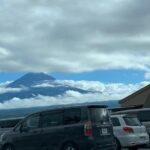
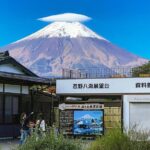
The Fuji portion is scheduled as a short, high-impact block—about 20 minutes at multiple places for panoramic views of Mt. Fuji. That timing is smart. You’re not stuck for hours hoping the sky improves. Instead, you get a focused set of viewpoints where your guide can manage the timing and choose spots for the conditions.
If clouds roll in early, don’t interpret it as failure. For many days in this region, the mountain is just moody. The best tour plan is the one that keeps the day rewarding even without a clear Fuji reveal.
Chasing Mt. Fuji without losing the day
Let’s talk about the part everyone cares about: Mt. Fuji. Even with careful timing and scenic routes, you’re dealing with a natural view that can hide in mist or clouds. The experience is clearly set up for that reality, and the day keeps moving either way.
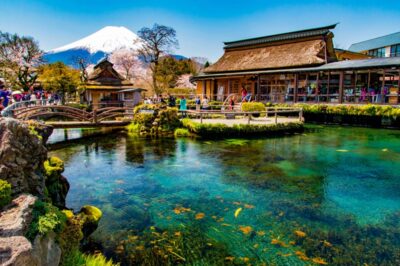
If you’re lucky, the payoff is dramatic: you get mountain panoramas from viewpoints around the Fuji/Hakone area. If you’re not, the tour still gives you meaningful sights—Hakone’s shrine, Lake Ashi torii gates, and the onsen reset that turns the day into something you’ll remember for feeling good, not just for photos.
This is where the private-guide advantage shows up. When visibility isn’t perfect, you’ll want someone steering the plan toward what’s still working. The guide can also suggest alternative timing and priorities so you don’t feel like you spent the whole day waiting for a single moment.
Hakone Turnpike scenic roads: why you start there
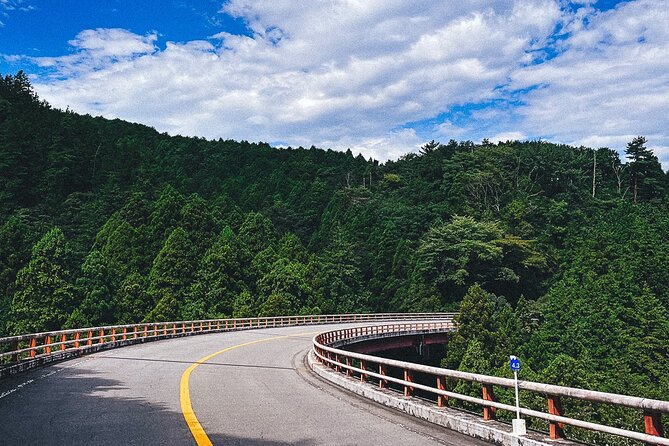
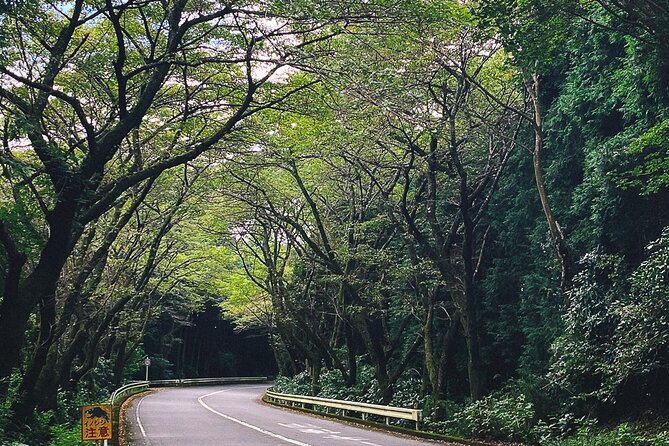
After the Fuji viewpoints, you head into Hakone’s famous driving stretches. A key early segment is the Hakone Turnpike Daikanyama Parking lot area with about 1 hour allotted. This isn’t a random stop. The drive itself is part of why people come: you get broad valley views, plus the feeling of moving through changing layers of terrain as you climb.
One practical upside of doing this early is that you’re still fresh. Later in the day, after onsen and museums, long road time can start to feel like “one more thing.” But in the morning, the scenic road time reads as part of the sightseeing, not a transit tax.
Hakone Shrine and Lake Ashi: the classic torii-by-the-water moment
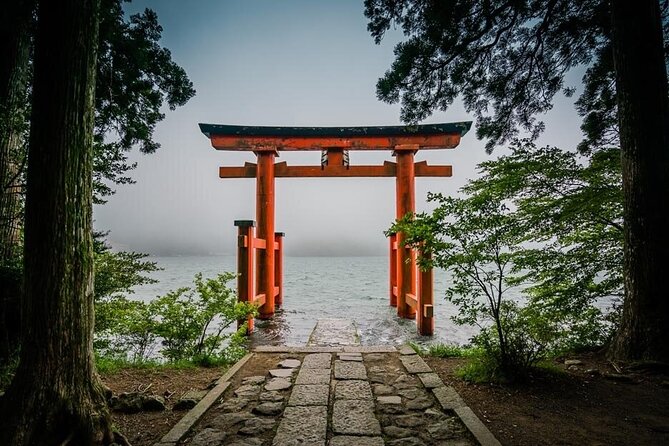
You’ll then reach the Hakone Shrine (about 1 hour). The site is on Lake Ashi shores and traces back to 757. You’ll see multiple shrine structures and buildings, with the iconic red tori (gate) and some shops and a museum on site.
From a visitor’s perspective, the best value here is the combination of Shinto atmosphere and water views. This isn’t just a temple drop-in. It’s a place where the setting does the storytelling. The shrine’s layout and lakeside location create natural photo angles without needing aggressive itinerary hopping.
After that comes Lake Ashinoko (about 1 hour), where you stop at several famous torii gates and shrines along the water. It’s a very Hakone look: calm water, sacred markers, and views that change as the light shifts and the mist moves.
If you have mobility concerns, ask your guide how they plan the shrine visit. One account noted the need to consider easier routes at Hakone Shrine, and the response for that concern also emphasized that there are accessible routing options (including ramps/vehicle access). Your best move is to bring it up early so the schedule matches your needs.
You can also read our reviews of more tours and experiences in Tokyo
Amasake Chaya tea house stop: tradition with breathing room
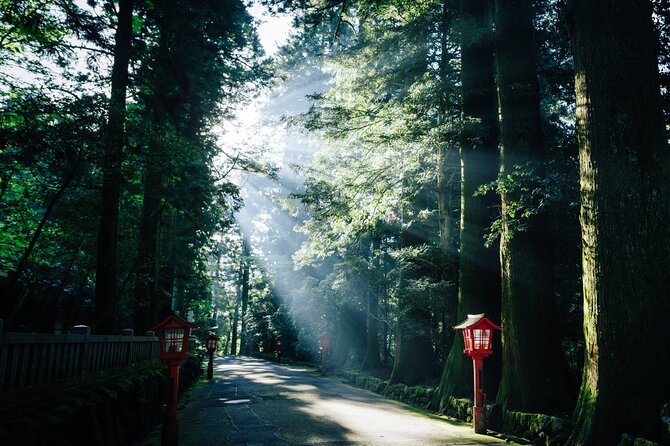
Next is Hakone Amazake Tea House for about 30 minutes. This tea house sits along the old Tōkaidō road and has been welcoming travelers for more than 400 years, tucked into Hakone’s cedar forests.
Why this stop matters: it’s a mental reset between big scenery and big relaxation. You’re not eating a fast meal on the go. You’re switching gears into slower, older Japan.
In at least one guide-led account, the tea house experience was described as being run by the 14th generation of owners. Even if you don’t know the family story before you arrive, that kind of continuity tends to show up in the calm rhythm of the place—and the fact that it’s still welcoming people today.
Lunch and onsen: the heart of a Hakone reset
Lunch is not included, but it is part of the plan. You’ll reach a place for an authentic Japanese meal (and the description is clear that it’s not the plastic-table bento style unless you ask for that kind of option). Think of it as a chance to fuel up without turning lunch into a random search for food.
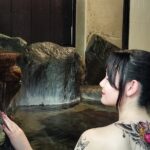
After lunch, the itinerary moves into onsen time at Tenzan Tohji-kyo, with about 2 hours scheduled. The onsen portion includes relaxation and also means you get real downtime after hours of moving.
The onsen ticket is not included, listed at ¥1,500 per person. That’s worth planning for. In a day that already costs a premium for private transfers, this is one of the few line items that directly affects how the day feels—because a good onsen is the emotional ending you’re paying for.
If you want extra services like a massage, confirm what’s possible at your chosen onsen. One account described having trouble arranging massage due to language barriers, despite assurances that staff spoke English. So if this is a must-do for you, ask your guide to help line up the details before you arrive at the bath.
Hakone Open-Air Museum vs Pola Museum: art that changes with the weather
After onsen, the tour shifts to museums, with two main options depending on conditions.
The Open-Air Museum option
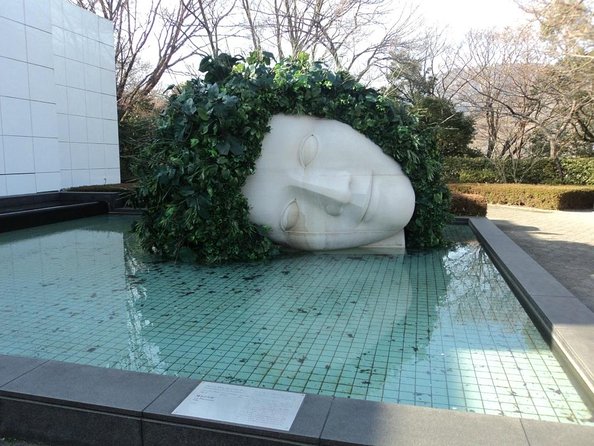
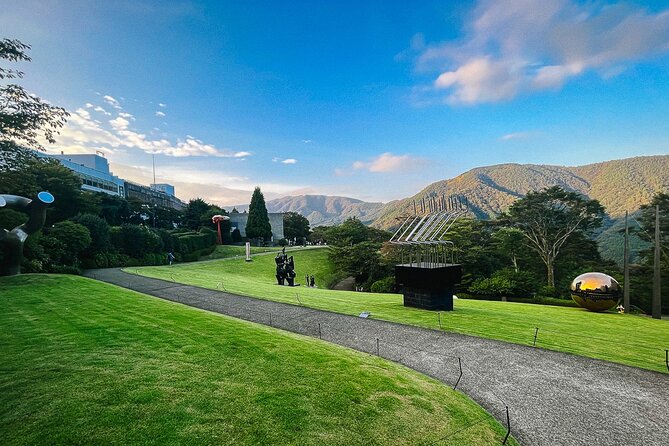
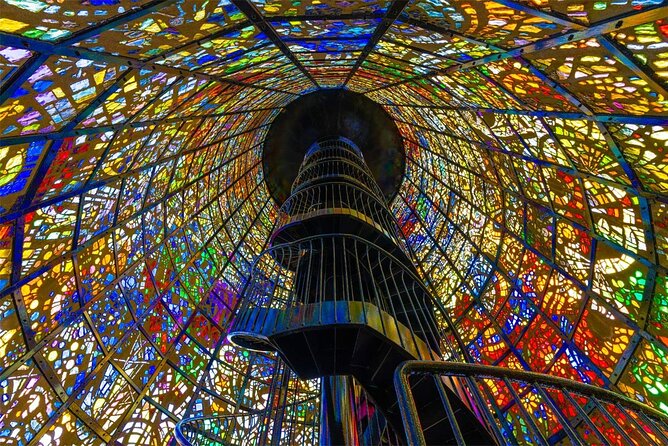
The Hakone Open-Air Museum is allotted about 2 hours. Admission is not included, listed at ¥1,900 per person. If the weather is good, this outdoor art stop can feel like a perfect match for Hakone’s nature-and-art vibe.
One of the standout things here is the artist lineup mentioned in the experience details: Picasso, Henry Moore, Taro Okamoto, Yasuo Mizui, and Churyo Sato, among others. That’s a lot of heavyweights for a day trip, and it gives you more than “pretty scenery” as the day winds down.
The Pola Museum of Art indoor backup
If the weather isn’t kind—or if you’re keeping an eye on time—you may go to the Pola Museum of Art instead. It’s described as being tucked into a forest setting and is an indoor option, with about 1 hour allotted. Admission is also not included.
This indoor backup is valuable because it protects your afternoon. You don’t want rain to shut down the “culture” portion of the day. Having an indoor museum alternative means you’re still getting a complete experience even when Fuji and open-air plans get disrupted.
Lake Ashinoko Sky Line and the second view moment
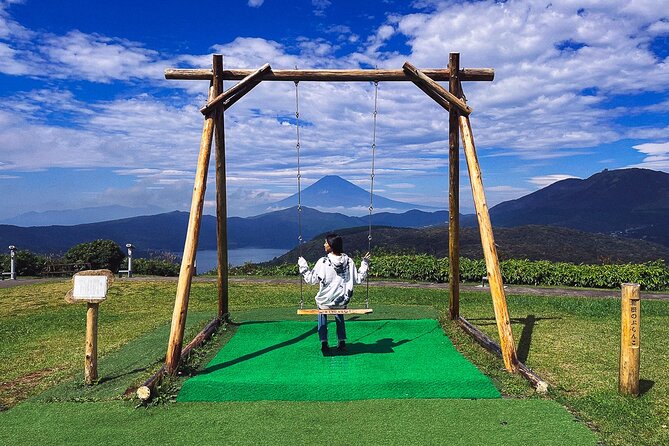
After lunch and museum time (depending on the day’s timing), you may also pass by Lake Ashinoko Sky Line for about 1 hour if there’s time. It’s described as offering closer views of Fuji, Lake Ashinoko, and even the sea, with multiple panoramic overlooks.
This is the kind of stop that works like punctuation. Earlier you’re chasing the mountain at shorter viewpoints. Later you’re getting another round of big views before heading back toward Tokyo. If you feel you’ve already had enough driving and want to keep the day calmer, you can ask the guide to adjust.
Price and value: why $852 per group can make sense
This tour is priced at about $852.28 per group for up to 5 people. That can look steep if you compare it to a DIY train day. But you’re paying for things that are hard to replicate cheaply:
- Private round-trip hotel transfers from Tokyo
- A private guide who can manage timing and route choices
- Dedicated stops and scenic driving blocks that fit the day
- Museum/onsen access that’s scheduled as part of a cohesive flow (even though tickets themselves cost extra)
Once you add the onsen ticket (¥1,500 per person) and museum ticket (¥1,900 per person for the Open-Air Museum when selected), the per-person totals rise. So I’d treat it like a “comfort + orchestration” purchase, not a cheap sightseeing hack.
Still, if you’re traveling as a small group and you want the day to feel relaxed—especially the onsen portion—the private structure can be a genuinely good fit.
What I’d watch out for before you book
Here are the practical considerations that can change your experience:
- Weather can hide Fuji. Your plan should still make you happy without perfect views. This tour is built to keep the day rewarding either way.
- Add-on costs are real. Onsen tickets and museum tickets are not included. Plan for them so you’re not surprised at the end.
- The day includes a lot of driving time. Even on great scenic routes, long road segments can feel tiring for some travelers, especially if the weather is foggy or rainy.
- Ask about comfort and accessibility needs early. If you need easier paths around shrine steps, say so and let the guide tailor the route choice.
In the balanced version of this tour, those items don’t ruin the day. They just mean you should align expectations with how Hakone works in real life.
Who this tour suits best
This is a strong match for:
- First-time visitors who want Japan’s highlights without spending energy on train transfers
- Small groups (up to 5) where private transport can become better value
- People who want onsen time that feels like part of the trip, not a quick dip
- Art lovers who want a museum stop in Hakone, with the Open-Air Museum offering famous names when weather cooperates
Based on the guide examples shared in the accounts you provided, you might be hosted by guides such as Elie, Lenny, Evan, Lucas, or Dominik. The through-line is that the guide’s job is more than driving: it’s pacing, history context, and tailoring the day to how your group feels.
Should you book this Mt. Fuji and Hakone onsen private tour?
I’d book it if you want a private, low-stress full day that mixes Fuji views, Hakone classics at Lake Ashi, and a scheduled onsen block you can look forward to. The combination of scenic roads, a deep-taste tea house stop, and museum time gives the day shape, even when Mt. Fuji decides to hide.
I’d hesitate if your top priority is getting Fuji at all costs. Clouds happen here, and you’re paying premium money for a guide-managed itinerary, not a guarantee of mountain clarity.
FAQ
How long is the Mt. Fuji, Hakone Private Tour from Tokyo?
It runs about 9 to 10 hours.
Is hotel pickup and drop-off included?
Yes. The tour includes pickup and drop-off to your hotel in Tokyo.
How many people can be in a private group?
The tour is private for up to 5 people per group.
What time does the tour start?
The start time is listed as 8:30 am.
Are lunch and dinner included?
No. Lunch is not included, and breakfast and dinner are also listed as not included.
How much do the onsen and museum cost?
The onsen ticket is listed at ¥1,500 per person and the Hakone Open-Air Museum ticket is listed at ¥1,900 per person. The Pola Museum of Art admission is also not included.
What happens if the weather is poor for open-air plans?
The experience notes that it requires good weather, and the itinerary includes an option to visit the Pola Museum of Art if weather isn’t good.
Is transportation and highway tolls included?
Yes. The tour includes parking fees, highway tolls, and private transportation in modern vehicles.
Can I cancel for a full refund?
Yes. You can cancel up to 24 hours in advance for a full refund, and you’ll be offered a different date or a refund if the experience is canceled due to poor weather.