REVIEW · TOKYO
From Tokyo: Mount Fuji and Hakone Full Customizable Trip
Book on GetYourGuide →Operated by Japan Tours Master · Bookable on GetYourGuide
A day trip sounds simple until you’re juggling Tokyo transit, timing, and weather. This one is different because you can steer the schedule while still hitting the big-ticket sights around Mt Fuji and Hakone.
I especially like the private setup: your own air-conditioned van, hotel pickup and drop-off, and help capturing photos so you’re not constantly hunting for the next train. I also like the way the day mixes famous viewpoints (like Chureito Pagoda) with calmer Fuji-side stops (like Lake Kawaguchi and Oshino Hakkai). One consideration: Fuji visibility depends on conditions, so you’ll want to stay flexible and let your driver adjust the plan if the mountain is partly veiled.
Key things I’d pay attention to before you go
- A customizable route that still hits the classics across Fuji and Hakone
- Hotel pickup/drop-off in a private, air-conditioned vehicle (no transfer stress)
- Photo-focused stops that give you real chances to get Mount Fuji in the frame
- Hakone included, not just a quick side stop, with Ropeway and Owakudani valley time
- Guides adapting to conditions, including when Fuji shows up only part of the day
In This Review
- How This Private Mount Fuji and Hakone Day Trip Really Feels
- Price and Value: Is $354 per Group a Good Deal?
- The Comfort Factor: Private Van, Pickup Coverage, and Time on Your Side
- Fuji First: Chureito Pagoda and Arakurayama Sengen Park for That Classic View
- Oshino Hakkai: When Fuji Goes Quiet and Beautiful
- Mt Fuji 5th Station: Higher Views and a Different Feeling
- Lake Kawaguchi: A Calmer Fuji Backdrop (Boat Ride Optional)
- Lunch and Timing: Keep Your Energy for Hakone
- Kitaguchi-hongu Fuji Sengen Shrine: Where Pilgrimage Culture Shows Up
- Narusawa Ice Cave and Oishi Park: More Fuji Side Characters
- Gotemba Premium Outlets: Shopping With Fuji in the Background
- Hakone Shrine and Lake Ashi: Torii Gate Views and Big Water Air
- Odawara Castle and Owakudani Valley: History and Atmosphere in Hakone
- Hakone Ropeway: The Vertical View You’ll Remember
- Guides Matter: Why Abu and Javad’s Style Shows Up in the Day
- Who This Tour Fits Best (and Who Might Want a Different Plan)
- Should You Book This Mount Fuji and Hakone Private Day Trip?
- FAQ
- How long is the Mount Fuji and Hakone day trip from Tokyo?
- Is this tour private and can the schedule be customized?
- What’s included in the price, and what’s not?
- Where does pickup happen?
- What if weather disrupts the plan or Mount Fuji isn’t visible?
- What should I bring for this type of outing?
How This Private Mount Fuji and Hakone Day Trip Really Feels
A Mount Fuji day trip from Tokyo can go two ways: either it runs on rails with a fixed schedule and crowded connections, or it’s built around your priorities. This experience is set up for the second option. You’re picked up from your hotel, then you spend the day in a private vehicle where your driver-guide can adjust the order and pacing based on what you want most.
That matters because Fuji days aren’t only about sightseeing. They’re about light, clouds, timing, and where you have a few extra minutes to get the shot. Guides like Abu and Javad get praise for staying on top of what comes next, and for making the most of situations when Mount Fuji is only visible for part of the day. That adaptability is the difference between a rushed checklist and a satisfying experience.
Also, this is priced per group (up to 5). At $354 per group, if you can fill all seats, the effective cost drops to about $71 per person—which is often competitive once you factor in private transport, tolls, parking, photo help, and the time saved versus cobbling together multiple tickets.
Price and Value: Is $354 per Group a Good Deal?
This is a private day, not a seat on a bus. You’re paying for convenience and control: hotel pickup/drop-off, an air-conditioned private vehicle, and a driver-guide who can translate the route into a smooth timeline.
You’ll likely feel the value most if:
- you’re a family or small group (up to 5) sharing the cost
- you care about photo timing and want help reducing hassle
- you’d rather spend time looking out the window than figuring out train transfers
What’s not included is also worth noting. Meals and entrance fees aren’t included, so you should budget for food stops and any ticketed attractions along the way. Still, the tour includes the big transport pieces like toll charges and parking, plus bottled water, tea, and coffee.
If you’re traveling solo and paying the full group price on your own, it may feel pricier. But if you can travel with friends (or bring kids and go at their pace), it can be a very solid use of money.
You can also read our reviews of more tours and experiences in Tokyo.



The Comfort Factor: Private Van, Pickup Coverage, and Time on Your Side
This tour runs about 10–11 hours total, including travel time. That’s a long day, but it’s the kind of long that stays comfortable because you’re not doing step-by-step station transfers.
Your pickup is available from accommodations in Tokyo’s 23 wards, and the area list is broader than just the city core. Your vehicle includes a Wi‑Fi hotspot, bottled water, and tea/coffee. The driver can also help capture photos and video, which sounds small until you’re trying to frame Chureito Pagoda without dropping your camera.
One practical tip: arrive at least 10 minutes early. Drivers will wait up to 60 minutes past the scheduled time, and if there’s a delayed pickup, they’ll extend the time so you don’t feel like you lost half the day.
Fuji First: Chureito Pagoda and Arakurayama Sengen Park for That Classic View
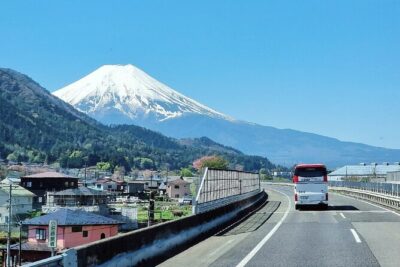
Most people think of Mount Fuji photos as a single moment. Here, you get multiple chances. The day often starts with a photo stop at Chureito Pagoda and then continues to Arakurayama Sengen Park.
Chureito Pagoda is popular for a reason: it’s built for photographers, and it frames Fuji in a way that feels almost postcard-ready. The time you spend here is explicitly guided as well as flexible for walking and photos, and it’s especially strong in cherry blossom season or autumn when the surrounding colors add drama.
Arakurayama Sengen Park is a good follow-up because it gives you another viewpoint angle. If one shot doesn’t land (wrong cloud layer, too many people, or light that’s too harsh), you’re not stuck—you can try again with a different angle and distance.
Consideration: these spots can involve short walks and standing time. Wear comfortable shoes, and plan to move at a steady pace. This is a sightseeing day, not a sit-down museum loop.
Oshino Hakkai: When Fuji Goes Quiet and Beautiful
After the iconic views, the route shifts tone with Oshino Hakkai. This is where you slow down. Oshino Hakkai is known for crystal-clear ponds and traditional-style settings, and it’s one of the best places to feel like you’re seeing Fuji’s influence up close rather than just looking at the mountain from far away.
You also get time for photo stops and guided sightseeing, plus room to roam and eat. The plan includes sampling local delicacies at nearby stalls, which is often where this kind of day becomes memorable. It’s not just food—it’s a different pace and a more local atmosphere than the viewpoint stops.
Best use of your time here: don’t treat it like a quick photo-and-leave. Give yourself a little space to wander by the water, because the ponds look different depending on sunlight and cloud cover.
Mt Fuji 5th Station: Higher Views and a Different Feeling
Next comes the heart of the mountain experience: Mt. Fuji 5th Station. This is the highest point reachable by car in this kind of day trip, and it changes the mood quickly. Even when the mountain is partly obscured, the area around the station still feels like a true climb-in-progress—cooler air, big sky, and views that feel more immediate than Tokyo-distance sightseeing.
You’ll have time for panoramic views, a guided visit, plus the chance to explore nearby areas such as Komitake Shrine and walking trails. It’s not just a photo stop. It’s also a brief chance to experience how people actually begin their Fuji pilgrimage.
One consideration: the day is long. If you’re prone to rushing, plan to slow down here. The best photos and the best memories usually come when you stop trying to “check the box” and instead take in the atmosphere.






Lake Kawaguchi: A Calmer Fuji Backdrop (Boat Ride Optional)
Then you move from mountain-top energy to water calm with Lake Kawaguchi. The tour includes an option for a serene boat ride, or you can choose to relax by the water’s edge.
This is a smart pacing break. When you’re doing both Fuji and Hakone in one day, you need a transition that doesn’t feel like another “stand and stare viewpoint.” Lake Kawaguchi gives you a different kind of perspective: the waterline helps frame Fuji differently, and you’re more likely to get a softer, layered look rather than a single vertical peak.
If you want the most classic visuals, boat time tends to deliver. If you’re traveling with kids, older adults, or anyone who dislikes boats, the alternative is built in—time by the shore.
Lunch and Timing: Keep Your Energy for Hakone
Lunch is scheduled for about 40 minutes. Since meals aren’t included, treat this as your moment to refuel in a practical way. Pick something easy to eat, then get back out quickly so you can preserve daylight and keep the rest of the day feeling relaxed rather than frantic.
This is also where I’d keep an eye on your priorities. If your main goal is Hakone scenery and you’re not a food-focused traveler, use lunch as fuel and move on.
Kitaguchi-hongu Fuji Sengen Shrine: Where Pilgrimage Culture Shows Up
Next you visit Kitaguchi-hongu Fuji Sengen Shrine, described as a historic, tranquil site near the foot of Mount Fuji where many pilgrims begin their ascent. This stop is valuable because it adds meaning to the mountain beyond views and photos.
It’s photo-friendly, but it’s also a chance to see how the Fuji story is told through local tradition and spiritual practice. The guided time and walking component help you connect what you see with why the area matters to pilgrims.
If you like cultural context—without turning the day into a lecture-heavy museum trip—this stop is a good fit.
Narusawa Ice Cave and Oishi Park: More Fuji Side Characters
The route includes stops at Narusawa Ice Cave and Oishi Park. These aren’t the two most famous names for first-time visitors, but that’s part of the point: they help your day feel fuller than a simple “Fuji photo, then bus to Hakone.”
You’ll get guided sightseeing and time for walking and photos. Because the day already includes multiple viewpoint stops, these can work well as a change of scenery: different textures, different vantage points, and a stronger sense that Fuji-area travel isn’t only about one perfect picture.
Practical tip: the tour lists warm clothing as something to bring. That’s a hint that temperatures can feel different at higher elevation stops, so plan for layers.
Gotemba Premium Outlets: Shopping With Fuji in the Background
After Fuji-side sightseeing, there’s time at Gotemba Premium Outlets, one of Japan’s largest outlets. This stop is about practicality and options: you can shop, pick up gifts, and still keep the mountain theme alive since the area is known for striking views.
You’ll have about one hour here, which is enough for a quick browse. If you’re a serious shopper, treat it as a focused sprint: pick stores you want before you get there, rather than wandering until you’re hungry again.
Hakone Shrine and Lake Ashi: Torii Gate Views and Big Water Air
Now you shift from Fuji-side lakes to Hakone. The plan includes Hakone Shrine (with its famous floating torii gate) and then Lake Ashi with free time and sightseeing.
This is a strong pairing. Hakone Shrine gives you the iconic moment, and Lake Ashi gives you the wide, open feeling that makes Hakone feel different from the Fuji area. The tour includes guided components and walking, plus time to enjoy the setting.
If you’re the kind of traveler who likes to slow down for photos, this is a good section of the day. The water air can also make the full-day pace feel less intense than switching between cramped stops back-to-back.
Odawara Castle and Owakudani Valley: History and Atmosphere in Hakone
The Hakone portion continues with stops at Odawara Castle and Owakudani Valley.
Odawara Castle is a nice change if you want something that feels historical but still manageable in time. It’s guided with walking, and it adds structure to the Hakone storyline beyond scenery.
Then comes Owakudani Valley, which is one of the area’s most dramatic-feeling stops. The tour includes guided sightseeing and a safety briefing, plus about an hour total for that segment. In practical terms, plan to follow the safety guidance closely, wear comfortable shoes for moving around, and keep your camera ready.
Hakone Ropeway: The Vertical View You’ll Remember
To finish strong, you get the Hakone Ropeway with a cable car ride and guided sightseeing time. Ropeway rides are one of the easiest ways to get “big views” without requiring a full-on hike.
It also helps that by the time you reach this part of the day, you’ve already built up excitement at multiple viewpoints around Fuji and the lakes. The Ropeway adds height and perspective, which is why it works so well near the end.
Expect walking and standing time, so keep your shoes and layers ready.
Guides Matter: Why Abu and Javad’s Style Shows Up in the Day
One of the most praised parts of this experience is the guide quality and how they run the day. People mention Abu and Javad specifically, and the pattern is consistent: punctuality, flexibility, and clear guidance about what’s next.
That matters because on a day like this, good timing is everything. When a guide can adjust based on weather and still make sure you see the best parts, you don’t feel like the day got ruined by clouds. In fact, there are mentions of getting the best out of Mount Fuji visibility even when it was only seen for part of the day.
So when you book, think less about the number of stops and more about the method. A private day trip is only as good as how it’s managed.
Who This Tour Fits Best (and Who Might Want a Different Plan)
This tour is a great match if you:
- want a one-day Fuji + Hakone combo without transit stress
- prefer a private group where you can move at your pace
- care about photography and want help making shots easier
- like a mix of viewpoints, cultural stops, and a little shopping
It may be less ideal if you:
- dislike long travel days and standing/walking around viewpoints
- want meals fully included (since lunch is planned but not included)
- expect guaranteed clear Fuji skies (conditions affect visibility)
If you’re trying to cover too many cities in one day, this is still one of the more efficient ways to do it—because the route is built around places that belong to the same region and logic.
Should You Book This Mount Fuji and Hakone Private Day Trip?
I’d book it if you value convenience and time saved. With hotel pickup/drop-off, private transport, and stops that cover Chureito Pagoda, Oshino Hakkai, Mt Fuji 5th Station, Lake Kawaguchi, Hakone Ropeway, and Owakudani, you get a full, well-paced highlight mix in a single outing.
If your top priority is simply seeing Fuji once, you might find cheaper options. But if you want a day that feels organized, flexible, and photo-friendly—with guides who can adapt when conditions change—this is the kind of tour that turns a long day into a satisfying one.
FAQ
How long is the Mount Fuji and Hakone day trip from Tokyo?
The tour lasts approximately 10–11 hours, including travel time.
Is this tour private and can the schedule be customized?
Yes. It’s a private group tour, and the day is customizable so you can tailor the stops to your interests.
What’s included in the price, and what’s not?
Included: a driver-guide, private air-conditioned vehicle with hotel pickup/drop-off, tea/coffee/bottled water, in-vehicle Wi-Fi, help with capturing photos/videos, fuel charges and parking fees, and toll charges. Not included: meals and entrance fees.
Where does pickup happen?
Pickup is available from accommodations within Tokyo’s listed wards (within the provided Tokyo pickup coverage). Pickup is not available from airports or ports.
What if weather disrupts the plan or Mount Fuji isn’t visible?
If bad weather or an accident disrupts the tour, it can be rescheduled for another day at your preference.
What should I bring for this type of outing?
Bring comfortable shoes, warm clothing, a camera, and sunscreen.