REVIEW · TOKYO
Day Trip to Kamakura & Enoshima: Shrines, Seaside, Temples & Tea
Book on Viator →Operated by Snow Monkey Resorts Tours (Machinovate Japan Ltd.) · Bookable on Viator
Bamboo, Buddha, and sea air in one day. That’s what makes this Kamakura and Enoshima tour feel easy and efficient: you get a planned route with an English-speaking guide, plus an Enoshima Kamakura Free Pass so you’re not juggling transit while you’re sight-seeing. I especially like how the stop order mixes temples, nature, and the seaside so the day never turns into one long temple line.
I also like the built-in “culture breaks” that slow things down in the right places: a matcha and Japanese sweet experience during the first bamboo-temple visit, and an included Great Buddha stop where admission gets you access inside. The guides are also a big part of the value; I’ve seen names like Jeff, Jade, Naoto, and Beth connected to this experience, and the common thread is they keep the narration moving and practical.
One consideration: this is an 11-hour day with several walks (including a short walk from station to sites and an island stroll), so if you’re not into lots of on-foot time, you’ll want to plan for that. Comfortable shoes aren’t optional—you’ll feel it.
In This Review
- Quick Hits: Kamakura & Enoshima Highlights in One Efficient Route
- From Shinjuku to Kamakura Without Map Math
- Bamboo Temple Morning: Tea House Time Plus a Guided Walk
- Kotoku-in and the Great Buddha: Why the Included Admission Matters
- The Koi Feeding Moment and Tea Break Logic
- Enoshima Island: Sea Air, Escalators, and the Sea Candle Observatory
- How the 11-Hour Timing Actually Works for Your Feet
- Price and Value: What $167.36 Buys You Here
- Who Should Book This, and Who Might Skip It
- Should You Book This Kamakura & Enoshima Day Trip?
- FAQ
- What is the duration of the Kamakura and Enoshima day trip?
- Where do I meet the guide in Shinjuku?
- What time does the tour start?
- Is local transport during the day included?
- Are tickets to the Great Buddha included?
- What does the Enoshima segment include?
- How big is the group?
Quick Hits: Kamakura & Enoshima Highlights in One Efficient Route
- Enoshima Kamakura Free Pass included to cover local transport during the tour
- Great Buddha of Kamakura admission included, including entrance to go inside
- Bamboo forest temple stop with matcha and a Japanese sweet at the tea house
- Koi feeding fee included, for a small hands-on moment during the day
- Enoshima seaside walk + escalators + Sea Candle Observatory admission all built in
- Small group size (max 20) with a guide who keeps the day flowing
From Shinjuku to Kamakura Without Map Math
If you’ve ever tried to connect trains around Tokyo while also trying to read signs in a hurry, you’ll appreciate what this tour removes from your plate. You meet at Green Window at Shinjuku Station (South Exit), then board the scheduled 08:27 train toward Fujisawa, arriving at 09:28. After that, the day runs like a relay: each transfer and each walking segment is already timed, so you spend your energy looking around—not figuring out the next line.
The bigger win is the free transport pass used during the tour. Instead of thinking about single fares or whether you’re on the correct local route, you can focus on the sights and the stories your guide is sharing. And because the tour is capped at 20 travelers, it tends to feel more conversational than “herd and go.”
You do still handle your own travel to and from the tour start point. The tour covers movement within the itinerary, but trains before and after the day are on you. That’s normal for a day trip, but it’s worth remembering so you don’t accidentally plan a return that’s too tight.
You can also read our reviews of more tours and experiences in Tokyo



Bamboo Temple Morning: Tea House Time Plus a Guided Walk
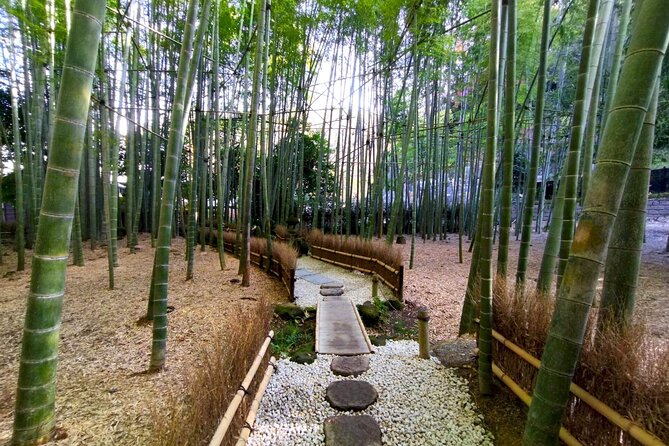
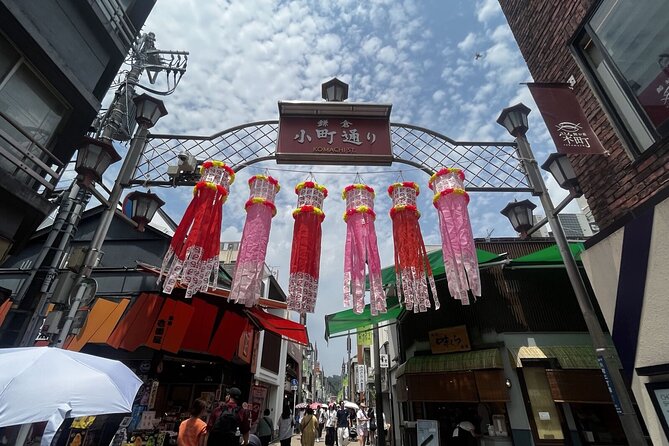
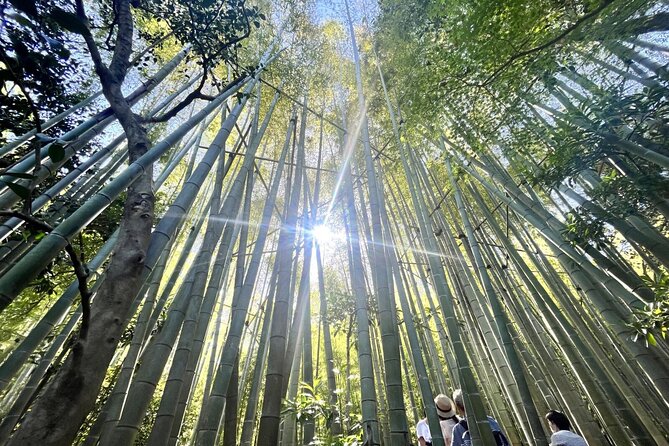
After you land in the Kamakura area, the tour shifts into walking mode. You’ll go about 30 minutes on foot to the first temple and bamboo forest stop. This is the part of the day I like best when I want something calmer—less “scenic-photo sprint,” more slow, guided meander.
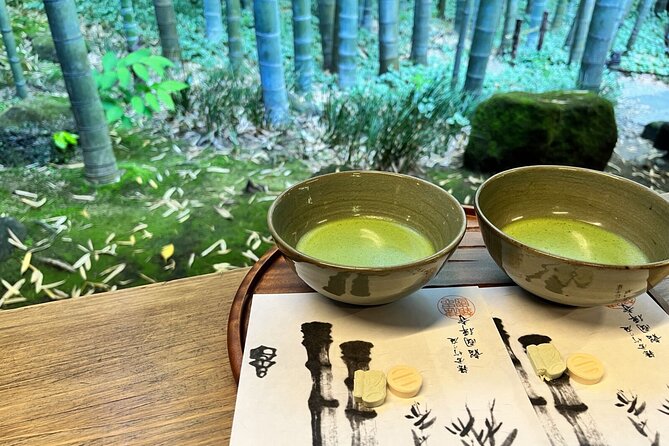
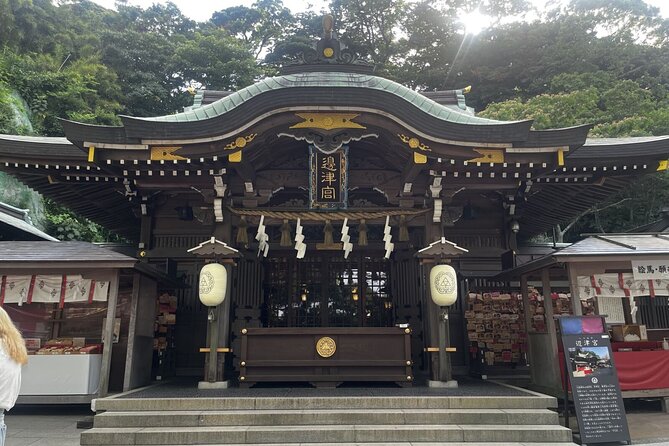
You get a tour of the temple complex, and it’s not just about looking at buildings. The pace includes a matcha and Japanese sweet experience at the temple’s tea house. That matters because it anchors the morning. Instead of hopping from one viewpoint to the next, you get a break that’s built into the tour, so you’re not hunting for food when you’re already tired.
Practical note: this morning walk is long enough that you’ll want shoes that can handle uneven surfaces and lots of steps. Also, since the tour doesn’t include extra food and drinks beyond the listed experiences, you’ll likely want to snack later if the day runs longer for your group pace.
Kotoku-in and the Great Buddha: Why the Included Admission Matters
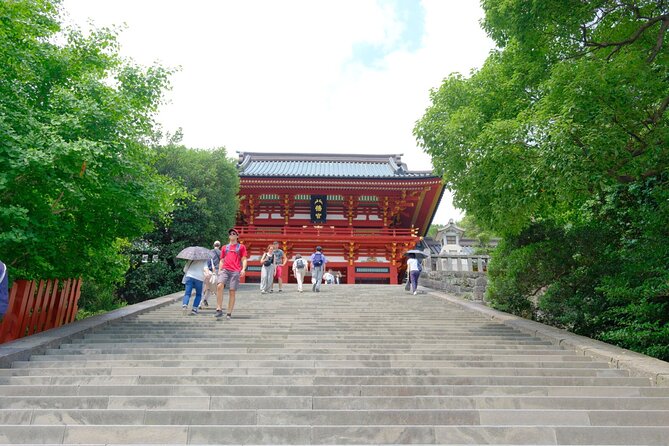
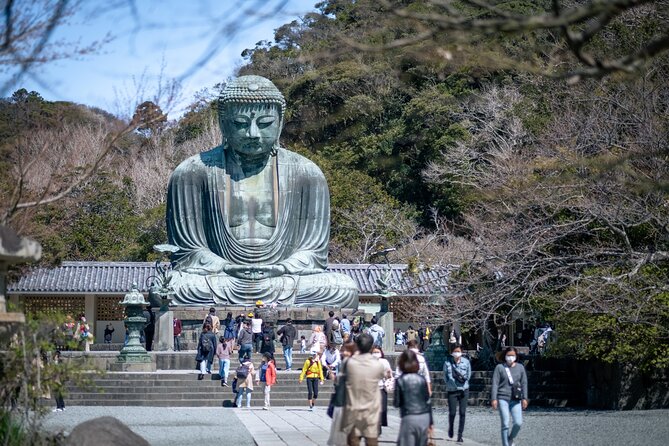
Next comes one of Kamakura’s most famous landmarks: Kotoku-in and the Great Buddha of Kamakura. You arrive at Hase Station, then walk about 7 minutes to the site. That short transfer is helpful—no long slog, and you’re close enough to the action that the stop starts quickly.
Here’s where the included ticket is worth paying attention to. You don’t just see the outside view. The tour includes admission and the entrance fee to go inside the Great Buddha. Even if you’re not the type who cares about museum-style interiors, this is the kind of included detail that changes the experience from “I took a photo” to “I actually visited.”
The stop is around 40 minutes total in this segment, including the time built for the walk and the visit. It’s long enough to absorb what’s there and not feel rushed, but it’s not so long that you’ll be bored if you’re the type who likes to keep moving. If you’re aiming to see multiple highlights in one day, this timing is a good compromise.
The Koi Feeding Moment and Tea Break Logic
One of the small details that makes this tour feel thoughtfully planned is the koi feeding fee included as part of the experience. It’s exactly the kind of optional-feeling activity that often becomes “extra cost if you want it.” Here, it’s baked in, which means you don’t have to decide on the spot or worry about finding the right moment.
Pair that with the earlier tea and sweet experience, and the day has two built-in reset points. That’s useful in a place like Kamakura where you can easily over-schedule yourself. These short pauses help you keep enjoying the scenery instead of just surviving it.
Also, the tour doesn’t promise every bite of food is handled for you. Additional food and drink aren’t included. I’d treat this as a day for enjoying one planned snack moment plus browsing for small purchases later—especially since the route includes time around shops and temple areas where you can pick up souvenirs.
Enoshima Island: Sea Air, Escalators, and the Sea Candle Observatory
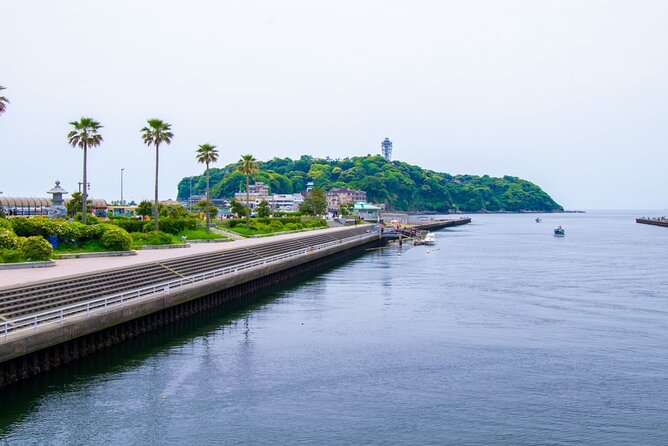
After Kamakura, the energy shifts toward the coast with Enoshima Island. You arrive at Enoshima Station and take a scenic walk along the sea to reach the island. I like this segment because it’s a change of texture. Morning was temples and bamboo. Now it’s open air and water, which helps the day feel varied instead of repetitive.
Once you reach Enoshima Island, the tour includes taking escalators to the top. That’s a practical detail. If you’ve ever tried to do Enoshima as a self-guided day trip, you know how quickly stairs can stack up. Having escalators handled for the key part of the climb makes the route more forgiving, especially for folks who are doing this trip as their first big day outside Tokyo.
At the top, you’ll go to the Sea Candle Observatory, with observatory admission fees included. This is the kind of payoff you want at the end of a full day: a final viewpoint moment that justifies the walking you’ve done to get there.





How the 11-Hour Timing Actually Works for Your Feet
The tour runs about 11 hours, and that’s the number you should treat as real—not optimistic. The itinerary includes train travel, a couple of on-foot walks, and a seaside stroll plus island ascent to the observatory.
From what the guides and guests describe, the big practical takeaway is to wear comfy shoes. There’s enough walking that your feet will notice if your footwear is wrong. I’d also plan to bring water and be ready for a “go-go” day even though you’ll have scheduled breaks.
The nice part is that your guide handles the navigation and timing. You meet, you ride, you walk, you visit, and the next stop happens because it’s planned. That keeps you from losing time trying to match train times to your own pace.
Price and Value: What $167.36 Buys You Here
At $167.36 per person, this isn’t the cheapest way to do Kamakura and Enoshima. But it also isn’t paying for only a guide and a check-mark itinerary.
You’re getting a package that covers:
- Transport within the day via the Enoshima Kamakura Free Pass
- Temple admission fee tied to the bamboo temple stop
- Matcha and Japanese sweet experience included
- Koi feeding fee included
- Great Buddha admission, including entrance to go inside
- Enoshima island escalators and Sea Candle Observatory admission
- A local English-speaking guide
So instead of paying for these bits one by one, you’re buying reduced stress and fewer ticket-handling moments. If you’re the type who hates sorting out transit and admissions on the fly, this price starts to make more sense.
If you’re comfortable planning routes yourself and you only care about one or two of the highlights, you might find a cheaper DIY approach. But if your goal is to hit multiple top sights in one day without logistics headaches, the value is in the “all-in” structure.
Who Should Book This, and Who Might Skip It
This tour fits best if you want:
- a guided day trip from Tokyo that actually keeps you on track
- a mix of shrines, temples, and seaside views
- included admissions that let you visit rather than just look from the outside
- small-group energy (max 20) with an English-speaking guide
It also sounds like it can work well for families. I’ve seen guide feedback mentioning Naoto being great with young kids, which suggests the route and pacing aren’t built only for adults who move at sprint speed. That said, the day still has walking, so stroller users should think carefully, especially for the island and temple areas.
I’d think twice if you:
- hate walking and long days
- want total control over timing and where you stop
- prefer to linger for hours at a single place
For everyone else, this is a very straightforward way to experience Kamakura and Enoshima highlights in one go.
Should You Book This Kamakura & Enoshima Day Trip?
Yes, if you want a clean, guided route that hits the big names: Kotoku-in/Great Buddha, the bamboo temple with tea, and Enoshima Island with the Sea Candle Observatory. The included transport pass and multiple admissions do real work here. They cut down on the most annoying parts of a day trip: ticket lines, route guessing, and time loss.
Maybe not, if your trip style is slow and wandering or if you’re traveling with someone who can’t handle long stretches on foot. In that case, you might be happier with a more flexible plan you build yourself.
If you’re trying to make the most of limited time in the Tokyo area, this one makes the day feel organized without taking away the fun parts.
FAQ
What is the duration of the Kamakura and Enoshima day trip?
It runs for about 11 hours.
Where do I meet the guide in Shinjuku?
You meet at Green Window (Shinjuku Station South Exit).
What time does the tour start?
The start time is 8:00 am.
Is local transport during the day included?
Yes. The tour includes an Enoshima Kamakura Free Pass to cover transport for the tour.
Are tickets to the Great Buddha included?
Yes. The tour includes admission for the Great Buddha of Kamakura, including entrance to go inside.
What does the Enoshima segment include?
You’ll walk to Enoshima Island along the sea, then take escalators to the top, with Sea Candle Observatory admission fees included.
How big is the group?
The tour has a maximum of 20 travelers.