REVIEW · TOKYO
Making Japanese desserts Nerikiri & drinking matcha in Tokyo
Book on Viator →Operated by Shuminavi Inc. · Bookable on Viator
You shape dessert like sculpture. In Tokyo’s Setagaya-ku, this small class has you making seasonal nerikiri kneaded sweets, then finishing with a cup of matcha. It’s hands-on, not museum-show-and-tell.
I especially like that the instructor provides all ingredients and tools, so you can just learn the process with your hands, not hunt for supplies. One thing to consider: if you want specific shapes like an owl or a needle mouse, you’ll need to request it by email, and timing matters—your request might not be possible depending on when you apply.
In This Review
- Key points I’d underline before you book
- Hands-on Nerikiri and Matcha in Setagaya: what you actually make
- Where the class happens: Shimokitazawa kitchen vs Toritsu Daigaku Station
- The nerikiri lesson: three seasonal kneaded doughs by hand
- Seasonal flavors and the history you won’t get from a quick snack
- Matcha after class: tasting, pairing, and what to do with your sweets
- Cost, group size, and value for your time
- Setagaya after class: a good neighborhood to wander
- Who should book (and who might want a different class)
- Should you book this Tokyo dessert workshop?
- FAQ
- Where does the class take place?
- How long is the experience?
- How many people are in the group?
- What will I make during the class?
- Can I request specific designs like an owl or a needle mouse?
- What happens after the nerikiri making?
- Do I get to take the sweets home?
- Does the price include ingredients and tools?
- How far in advance is this commonly booked?
- Is it refundable if my plans change?
Key points I’d underline before you book
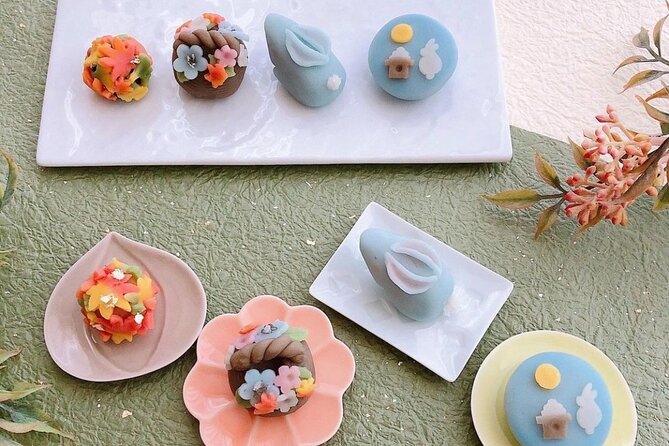
- Small group of up to 8 means real one-on-one help while you knead and shape.
- All supplies included so you’re working with the right materials from start to finish.
- Three types of seasonal kneaded dough in one session, which keeps it varied.
- You learn the meaning behind nerikiri by sampling and hearing the story of seasonal confectionery.
- Matcha is prepared for you after your sweets are done.
- You can eat on the spot or take them home in provided packets.
Hands-on Nerikiri and Matcha in Setagaya: what you actually make
This class is all about nerikiri, a Japanese sweet made by kneading shaped dough into seasonal designs. The focus isn’t on speed or perfection. It’s on learning the tactile steps: knead, form, refine. You’ll make three types of seasonal kneaded dough, using your hands while the instructor explains each stage.
The “seasonal” part is a big deal. Nerikiri designs are tied to the time of year, so what you make changes depending on when you visit. Even if you’ve tried Japanese sweets before, you’ll likely notice that nerikiri isn’t just decoration—it’s a seasonal message you can hold and eat.
After the shaping work, the instructor prepares matcha (powdered green tea) for you. You can enjoy the nerikiri you made right then, or pack them up to take home. That gives you two good moments: the satisfaction of tasting your work immediately, and the convenience of sharing later without needing to think about storage.
You can also read our reviews of more drinking tours in Tokyo

Where the class happens: Shimokitazawa kitchen vs Toritsu Daigaku Station
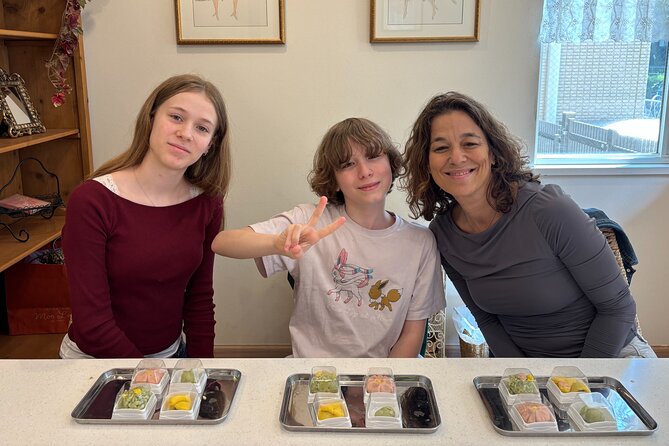
The meeting point is at 3-chōme-20-4 Kitazawa, Setagaya City, Tokyo 155-0031. In practice, the class usually happens in a kitchen in Shimokitazawa—but if the rental space isn’t available, it may move to Toritsudaigaku Station.
Here’s the practical tip: after you reserve, you’ll get an email from the instructor with the exact location details. So when you arrive in the area, plan to check your email before heading out. This prevents the common travel headache of showing up at the wrong side of the neighborhood.
Either way, the class is near public transportation, so you’re not committing to a long, complicated commute. And since you’re in Setagaya, you’re also positioned well for an easy walk or snack hunt after the class.
The nerikiri lesson: three seasonal kneaded doughs by hand
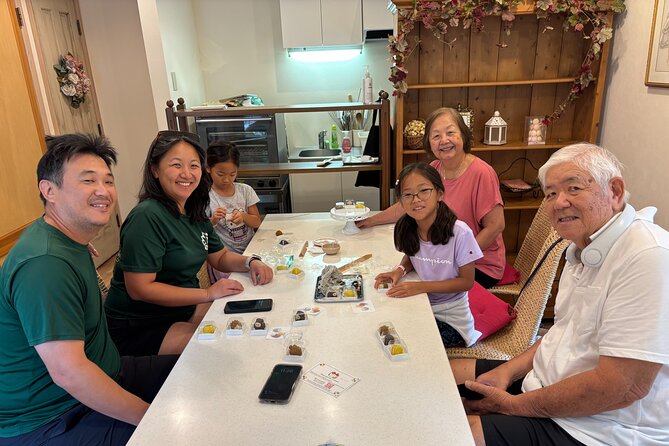
You’ll start by learning the workflow for nerikiri—how the kneading process shapes the final texture and how to treat the dough so it holds form. The instructor then guides you through making the sweets yourself.
The session is planned for about 1 hour 30 minutes, and the structure matters. You’re not stuck doing one repetitive task the entire time. Instead, you’ll work on three different seasonal kneaded dough types, so your skills build quickly: first grasp the basic handling, then learn how shaping changes with the design, and finally refine so the look matches what you’re aiming for.
A helpful detail is that the class is designed for beginners. The technique is taught step-by-step, and the small group size (up to 8 travelers) makes it easier to get corrections in real time. If your dough feels too soft or too firm, you can likely adjust because you’re not waiting for a crowd.
There’s also an option to request specific designs. The note says you’ll normally make the seasonal kneaded rice balls, but if you want an owl and a needle mouse, you should request it by email when you send your reservation. Be aware: they may not be able to meet every request depending on application timing, so don’t treat custom shapes like a guaranteed add-on.
Seasonal flavors and the history you won’t get from a quick snack
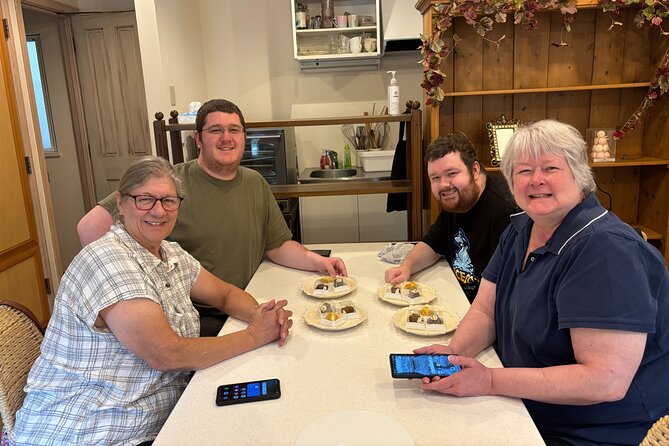
Nerikiri is one of those Japanese food traditions where the “why” matters as much as the “how.” This class doesn’t just teach technique. You’ll also hear about the history of nerikiri confectionery and learn facts about Japanese cuisine that don’t usually show up on a basic tasting list.
The way they teach this is built into the experience: you learn through a mix of explanation and sampling a range of treats. That’s smart because it turns history into something you can taste and compare. Instead of memorizing dates, you notice differences in texture and seasonal styling—and that makes the information stick.
Seasonal confections also reflect cultural timing. The shape and theme can change throughout the year, so the same “category” of dessert can feel totally different across seasons. In your class, you’ll see that seasonal angle directly because the session is tied to what they plan for that time of year.
For practical travelers, this is valuable for one main reason: it helps you understand what you’re buying later. After class, when you see nerikiri in a shop window, you’ll have a better sense of what’s going on besides the cute look.
Matcha after class: tasting, pairing, and what to do with your sweets
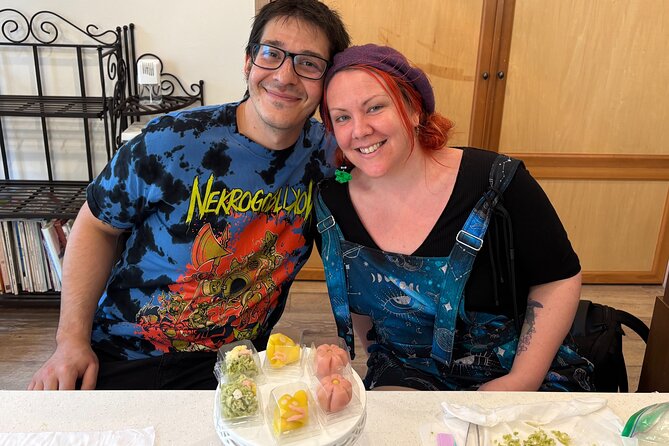
When you finish shaping your nerikiri, the instructor prepares popular matcha for you. Then you get to decide what feels best: eat the sweets on the spot, or take them home.
I like that both options are offered because it matches real travel life. If you’re hungry and want a quick win, you can taste right away. If you’d rather keep things simple and avoid carrying more food later, you can take the sweets with you. The class provides packets for taking home, so you’re not scrambling for small containers.
As for pairing, nerikiri is often enjoyed alongside tea, and matcha is the obvious choice here. Even if you’re new to matcha, the experience is set up to be approachable. You’re not being pressured to be a tea expert. You’re sipping matcha as part of the full ritual: work your hands, taste your sweets, and then reflect on how the season and design show up in what you made.
One more practical point: since the whole class is about 1.5 hours, you can fit it into a Tokyo day without feeling like your schedule is swallowed whole. Plan for a calm hour or two afterward so you can enjoy the taste and the learning—then use the rest of your time to explore.





Cost, group size, and value for your time
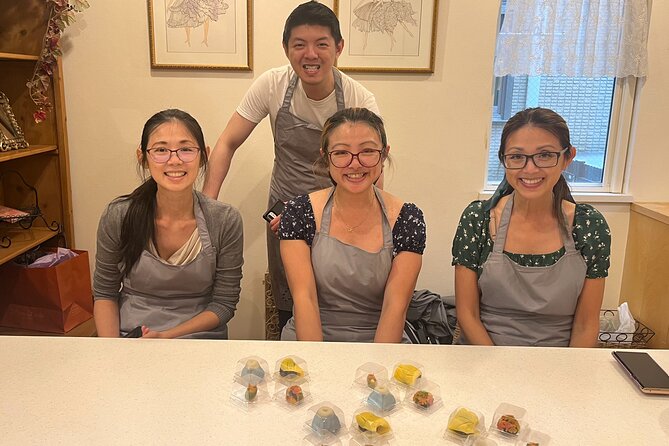
The price is $65.69 per person for about 1 hour 30 minutes. That sounds like a splurge until you translate what’s included: ingredients, tools, instruction, matcha, and the ability to eat on the spot or take sweets home with provided packets.
If you tried to DIY nerikiri from scratch, you’d quickly run into the problem of finding the right ingredients and getting the technique right. This class collapses that trial-and-error phase into a guided session with hands-on feedback. And because it’s small—maximum 8 travelers—you’re more likely to get help when something isn’t working.
Another small value factor: the class encourages you to treat it as a skill, not just a snack. You’re learning how the dough behaves and how shaping works. That makes the cost feel more like a workshop than a ticket to watch someone else cook.
Also, note that on average it’s booked about 34 days in advance, so if you want a specific date, don’t wait until the last minute. Popular Tokyo experiences tend to sell out faster than you expect once travel schedules lock in.
Setagaya after class: a good neighborhood to wander
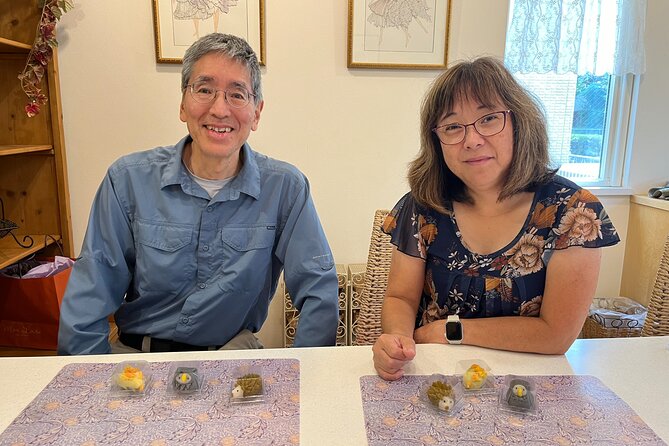
You’ll probably finish with the energy boost that comes from making something. The class also sets you up well to do an easy follow-up: it’s designed so you can explore the nearby Setagaya-ku district after.
Since the location is either Shimokitazawa (usually) or around Toritsudaigaku Station, you can turn the day into a low-stress loop: take the class, then walk, browse, and grab a simple meal nearby. You’ll also have a better eye for what you’re seeing. When you notice seasonal sweets in shops or cafés, you’ll understand more of the story behind the design.
Who should book (and who might want a different class)
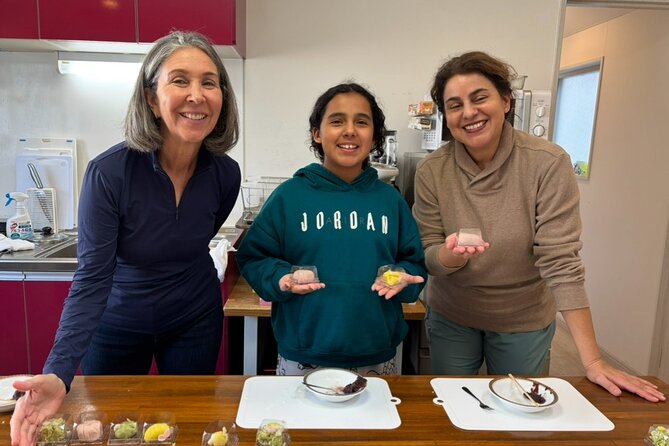
This class is a great fit if you want a meaningful Tokyo food experience that’s not just about eating. You’ll do best if you like hands-on activities, enjoy learning how food traditions work, and don’t mind getting a little dough under your nails (figuratively).
It’s especially good for:
- Beginners who want instruction and direct help while they learn
- Friends or family who want a shared activity instead of separate tours
- Anyone who cares about seasonal Japanese culture, not just “cute desserts”
It might be less ideal if you want:
- A long, full meal experience (this is 1 hour 30 minutes)
- Guaranteed custom designs without any chance of alternatives (owl/needle mouse requests depend on timing)
- A class that’s designed around strict dietary requirements (nothing specific is stated in the info you provided)
If you’re mainly looking for the cheapest way to try matcha, you can find tastings elsewhere. But if you want to learn the craft of nerikiri while you’re in Tokyo, the value here is in the instruction plus the take-home payoff.
Should you book this Tokyo dessert workshop?
Book it if you want a hands-on, guided skill that connects directly to Japanese seasonal food culture. The small group size (max 8), included tools and ingredients, and the fact that you’ll drink matcha after making your sweets make it feel like a complete experience, not a rushed demo.
I’d hold off or ask questions first if you’re traveling with a tight schedule or if custom shapes like owl and needle mouse are a must-have. In that case, request early by email and keep your expectations flexible.
If you’re the type who likes learning through doing—and you want something you can show (and taste) later—this is a solid pick.
FAQ
Where does the class take place?
It’s usually held at a kitchen in Shimokitazawa. If that rental space isn’t available, it may be held at Toritsudaigaku Station. After booking, the instructor emails details on the exact location.
How long is the experience?
The class runs about 1 hour 30 minutes.
How many people are in the group?
The class has a maximum of 8 travelers.
What will I make during the class?
You’ll make three types of seasonal kneaded dough (seasonal kneaded rice balls).
Can I request specific designs like an owl or a needle mouse?
Yes, you can request them by email when you send your reservation. The note says they may not be able to meet the request depending on the time of application.
What happens after the nerikiri making?
After the class, the instructor prepares matcha, and you can eat your nerikiri on the spot or take them home.
Do I get to take the sweets home?
Yes. Packets for taking the sweets home are provided.
Does the price include ingredients and tools?
Yes. The class includes all the ingredients and tools you’ll need.
How far in advance is this commonly booked?
On average, it’s booked 34 days in advance.
Is it refundable if my plans change?
Yes. You can cancel up to 24 hours in advance for a full refund.
If you tell me what month you’re visiting Tokyo (and whether you want the owl/needle mouse shapes), I can suggest how to time the class so you get the seasonal focus you’ll enjoy most.