REVIEW · TOKYO
[Seasonal Limited] Mt. Fuji 5th Station &Hot Spring Day Tour
Book on GetYourGuide →Operated by JRT Group · Bookable on GetYourGuide
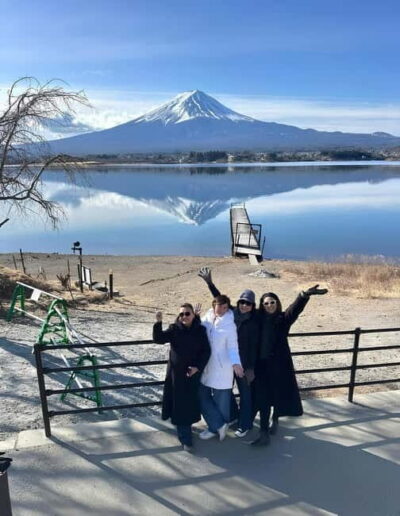
Fuji in one relaxed day. This Mt. Fuji 5th Station & onsen tour bundles big postcard scenery, easy sightseeing, and a real hot-spring payoff without hiking. You’ll ride up to 2,300 meters by bus, then slow down at Oshino Hakkai’s eight ponds and soak in views of the mountain at Konohananoyu.
I like that the itinerary is built for photos that actually work even if you don’t want a strenuous climb—5th Station time is designed for views and souvenirs, and the day also includes a classic Fuji-with-traditional-architecture shot at an Asama-area landmark. I also love how the onsen portion is timed for lingering: indoor and open-air baths, plus a rest area for tea or a meal afterward. One caution: if conditions aren’t ideal, or it’s busy, your “Fuji moment” can shift—5th Station has seasonal hours, and weekend/holiday crowds can mean long onsen lines or an alternative shopping stop.
In This Review
- Key points worth knowing before you go
- Mt. Fuji views without the climb: what this day trip really delivers
- Your day on the road: pickup, drive time, and what to expect from the guide
- Guide style (and what it means for you)
- Traffic reality
- Mt. Fuji 5th Station: the 2,300-meter viewpoint that keeps it easy
- The seasonal switch: 5th Station vs Asama Park
- When weather isn’t cooperating
- The postcard photo stop: Asama Park’s crimson pagoda moment
- Oshino Hakkai ponds: the calm, crystal-clear break from city energy
- Why this stop is worth your time
- Konohananoyu Onsen: Fuji views, indoor and open-air soaking
- Tattoo rule (important)
- Nude bathing and onsen fee
- Crowds and queues on weekends/holidays
- Optional shopping: Gotemba Premium Outlets (and how it affects your day)
- What this means for your priorities
- Price and value: is $50 a fair deal for this itinerary?
- Who this tour suits best (and who should think twice)
- Small guide details that can make or break the day
- Should you book Mt. Fuji 5th Station & Onsen for your trip?
- FAQ
- When is Mt. Fuji 5th Station included on this tour?
- How long do we spend at Mt. Fuji 5th Station?
- What if Mt. Fuji 5th Station is closed due to winter conditions?
- How long is the stop at Oshino Hakkai?
- How long is Konohananoyu Onsen, and is the onsen fee included?
- Can I bring food or drinks on the bus?
- Are there restrictions for tattoos at the onsen?
- What languages are the tour guide services?
- Where are the pickup and drop-off locations?
Key points worth knowing before you go
![[Seasonal Limited] Mt. Fuji 5th Station &Hot Spring Day Tour - Key points worth knowing before you go](https://e.thetokyoexplorer.com/wp-content/uploads/seasonal-limited-mt-fuji-5th-station-hot-spring-day-tour-1.jpg)
- 5th Station timing matters: May 10–Nov 30; otherwise you’ll visit Asama Park instead.
- No hiking required: you get major Fuji views from about 2,300 meters.
- Oshino Hakkai is the calm break: eight spring-fed ponds + village atmosphere.
- Konohananoyu Onsen is the payoff: indoor and open-air soaking with Fuji views.
- Weekends can run slower: traffic and onsen queues may change the experience.
- Guide help is real, but limited: English/Chinese commentary isn’t constant while the vehicle is moving.
Mt. Fuji views without the climb: what this day trip really delivers
![[Seasonal Limited] Mt. Fuji 5th Station &Hot Spring Day Tour - Mt. Fuji views without the climb: what this day trip really delivers](https://e.thetokyoexplorer.com/wp-content/uploads/seasonal-limited-mt-fuji-5th-station-hot-spring-day-tour-2.jpg)
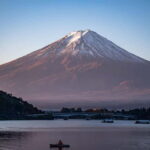
This tour is for people who want a strong Mt. Fuji day without turning it into a full hiking project. The key idea is simple: you take a bus up to a high viewpoint area, so you’re close enough to enjoy the mountain’s presence all day—then you anchor the day with two distinctly different Fuji scenes: the calm, water-and-village look of Oshino Hakkai, and the relaxation of an onsen where the mountain is part of the view.
The pacing also feels intentional. You get a dedicated block at the 5th Station area for photos and browsing, not a quick drive-by. Then you get a longer, more flexible stop at Oshino Hakkai so you can wander at your own speed. Finally, the onsen time is long enough that it stops feeling like a checkbox and starts feeling like an actual rest.
Value-wise, the price makes more sense once you see what’s included: round-trip transfers from either Shinjuku or Tokyo Station, parking and fuel, and a professional guide. What’s not included is also clear—meals and the onsen fee—so you won’t get surprised at the end of the day.
You can also read our reviews of more tours and experiences in Tokyo
Your day on the road: pickup, drive time, and what to expect from the guide
![[Seasonal Limited] Mt. Fuji 5th Station &Hot Spring Day Tour - Your day on the road: pickup, drive time, and what to expect from the guide](https://e.thetokyoexplorer.com/wp-content/uploads/seasonal-limited-mt-fuji-5th-station-hot-spring-day-tour.jpg)
You’ll start from one of two main pickup points in Tokyo:
- SMBC Bank Shinjuku Nishiguchi
- Tokyo Station Marunouchi-Kitaguchi (Marunouchi North Exit)
From there, expect a couple of hours on the bus/coach. That ride matters because it sets the tone: this is a scenery-and-stops day, not a sprint. Reviews also back this up—people note that the bus is small and the drive can feel long, but the payoff is worth it once you arrive at the mountain views.
Guide style (and what it means for you)
The tour uses a live guide in Chinese and English. In small daily groups, the driver also doubles as a guide with limited English commentary, and there’s no commentary while the vehicle is driving. That’s a detail worth planning around. If you want lots of spoken history the whole time, this won’t be that. If you want helpful explanations when you’re stopped—where you can actually look around while listening—this format works well.
International guests are supported with multilingual services (not a single-language setup), which can help if you’re traveling as a mixed group.
Traffic reality
Weekend/holiday timing can be slower. The route order and stay times can adjust to keep things efficient, and traffic jams are more likely. This matters most if you’re counting on a perfectly timed onsen slot or a specific photo window. Build in patience and go for the vibe, not perfection.
Mt. Fuji 5th Station: the 2,300-meter viewpoint that keeps it easy
![[Seasonal Limited] Mt. Fuji 5th Station &Hot Spring Day Tour - Mt. Fuji 5th Station: the 2,300-meter viewpoint that keeps it easy](https://e.thetokyoexplorer.com/wp-content/uploads/seasonal-limited-mt-fuji-5th-station-hot-spring-day-tour-4.jpg)
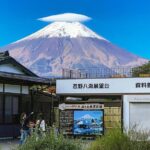
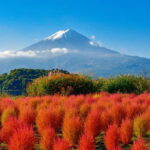
The centerpiece of this day is Mt. Fuji 5th Station, reached by bus up to about 2,300 meters. This is where the “no hiking required” promise comes alive. You get panoramic mountain air, big views, and souvenirs that you can’t really get anywhere else in the same way.
The time block is generous: you spend about 60 minutes at the 5th Station area, with a mix of break time, photo stops, and sightseeing.




The seasonal switch: 5th Station vs Asama Park
Here’s the big planning detail: the 5th Station opening period runs May 10 to Nov 30. Outside that window, the tour doesn’t leave you without a Fuji photo moment. Instead, you’ll visit a different location—Shintaku-yama Asama Park.
So in practice:
- If it’s within the seasonal opening dates, you’ll go to 5th Station.
- If not, you’ll get an Asama Park experience designed for classic Fuji views and traditional architecture.
When weather isn’t cooperating
You can’t control clouds. Even with good itinerary planning, you may still arrive under gray skies. One review highlights this exact scenario: a cloudy day meant no clear Fuji view, but the rest of the day still worked out. I’d treat this as normal Tokyo-area reality—when you go, come with a flexible mindset.
The postcard photo stop: Asama Park’s crimson pagoda moment
![[Seasonal Limited] Mt. Fuji 5th Station &Hot Spring Day Tour - The postcard photo stop: Asama Park’s crimson pagoda moment](https://e.thetokyoexplorer.com/wp-content/uploads/seasonal-limited-mt-fuji-5th-station-hot-spring-day-tour-5.jpg)
If the tour is operating outside 5th Station’s open season—or if conditions force a change—the Shintaku-yama Asama Park stop becomes your signature “Fuji plus Japanese design” moment.
This park is described as a prime photo spot where you can capture the crimson pagoda framed against Mt. Fuji. It’s also noted as a strong location for traditional Japanese architecture visuals. The practical value here is that you’re not stuck chasing the mountain’s exact silhouette. Even if the light shifts, the architecture gives your photos structure.
You’ll have a set stop duration that supports sightseeing and photos, so it doesn’t feel like a rushed detour.
Oshino Hakkai ponds: the calm, crystal-clear break from city energy
![[Seasonal Limited] Mt. Fuji 5th Station &Hot Spring Day Tour - Oshino Hakkai ponds: the calm, crystal-clear break from city energy](https://e.thetokyoexplorer.com/wp-content/uploads/seasonal-limited-mt-fuji-5th-station-hot-spring-day-tour-6.jpg)
After the mountain viewpoint, the day slows down at Oshino Hakkai. This stop is about atmosphere as much as it is scenery. The site is known for eight crystal-clear ponds fed by Mt. Fuji’s snowmelt, and the setting is a village-style area with thatched-roof houses, flowers, and footbridges.
You’ll typically get around 60 minutes here. That’s enough time to do two things well:
1) walk the main pond area and stop for photos, and
2) enjoy a relaxed wander without feeling rushed back onto the bus.
Why this stop is worth your time
Oshino Hakkai is a good contrast to the 5th Station experience. At 5th Station you’re high up and looking far out; at Oshino you’re closer to the water and details. If the mountain itself is slightly hazy, the ponds still give you something visually rewarding.
It’s also a place where you can slow down enough to actually enjoy the village feel rather than just collecting shots.
Konohananoyu Onsen: Fuji views, indoor and open-air soaking
![[Seasonal Limited] Mt. Fuji 5th Station &Hot Spring Day Tour - Konohananoyu Onsen: Fuji views, indoor and open-air soaking](https://e.thetokyoexplorer.com/wp-content/uploads/seasonal-limited-mt-fuji-5th-station-hot-spring-day-tour-7.jpg)
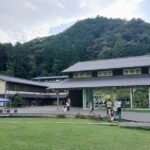
The final big highlight is Konohananoyu Onsen, with about 120 minutes on-site. This is where the tour shifts from sightseeing mode to comfort mode.
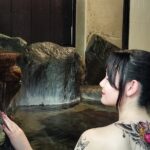
The onsen is known for baths with direct views of Mt. Fuji, including both indoor and open-air options. After soaking, there’s time to enjoy a meal or tea in the rest area.
Tattoo rule (important)
Konohananoyu has a specific tattoo policy: tattoos must be covered. If they aren’t, you’ll be refused entry. If you’re traveling with visible tattoos, plan on covering them ahead of time so you’re not stuck with a last-minute refusal.
Nude bathing and onsen fee
Onsen bathing requires nude bathing (as is standard at Japanese hot springs). The onsen fee is not included, so you’ll pay it at your own expense.
Given that this is a set-day tour, I recommend bringing cash so you’re not scrambling when it’s time to pay the onsen fee or purchase snacks.
Crowds and queues on weekends/holidays
On Japanese national holidays or weekends, hot spring facilities can get crowded. The tour notes that long queues can sometimes prevent you from fully experiencing the onsen, and in those cases you might switch to a shopping alternative. That’s not a deal-breaker—just know it’s possible. If you want the onsen to be the main event, consider choosing a weekday if you can.
Optional shopping: Gotemba Premium Outlets (and how it affects your day)
![[Seasonal Limited] Mt. Fuji 5th Station &Hot Spring Day Tour - Optional shopping: Gotemba Premium Outlets (and how it affects your day)](https://e.thetokyoexplorer.com/wp-content/uploads/seasonal-limited-mt-fuji-5th-station-hot-spring-day-tour-8.jpg)
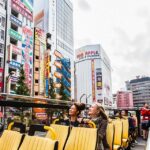
This tour also mentions Gotemba Premium Outlets as an optional shopping stop near the base of Mt. Fuji. If you prefer shopping to an onsen-focused day, the information says that from Monday to Friday you can choose between Gotemba Premium Outlets or a hot spring experience.
There’s also mention that hot spring arrangements may not be available on weekends and Japanese national holidays, and you may be asked to inquire in person about alternatives (often shopping-related) if queues are too long.
What this means for your priorities
If your #1 goal is soaking with a Fuji view, you’ll want to pick days and options that protect the onsen time. If your priority is shopping and you’re okay trading off some onsen time, Gotemba can be a fun break—especially when it’s cloudy and you’re hoping to shift your focus from skyline shots to souvenirs and retail.
Price and value: is $50 a fair deal for this itinerary?
![[Seasonal Limited] Mt. Fuji 5th Station &Hot Spring Day Tour - Price and value: is $50 a fair deal for this itinerary?](https://e.thetokyoexplorer.com/wp-content/uploads/seasonal-limited-mt-fuji-5th-station-hot-spring-day-tour-9.jpg)
At about $50 per person, this tour can be a strong value if you’re counting the full day as transportation plus guidance plus organized stops.
Here’s what you get for that cost:
- Professional tour guide
- Round-trip transfers from Tokyo pickup points
- Parking and fuel fees
Not included:
- Meals and beverages
- Onsen fee
- Other personal expenses
- Travel or accident insurance
So the real question isn’t just the ticket price—it’s whether you’d otherwise pay for a driver, transport, and guided logistics to hit multiple Fuji-area spots in one day. For many people, the included transfers are the value core. You’re buying convenience and structure: one day, multiple priority locations, and someone keeping the plan moving.
If you’re already planning to DIY the trip with trains and buses, the savings may not be obvious. But if you want a low-friction day with time built into the schedule at each major location, $50 looks reasonable once you factor in the guided touring and the long round trip from Tokyo.
Who this tour suits best (and who should think twice)
![[Seasonal Limited] Mt. Fuji 5th Station &Hot Spring Day Tour - Who this tour suits best (and who should think twice)](https://e.thetokyoexplorer.com/wp-content/uploads/seasonal-limited-mt-fuji-5th-station-hot-spring-day-tour-10.jpg)
This day trip is a good match if you want:
- major Mt. Fuji viewpoints with minimal effort
- a classic combo of Fuji + ponds + onsen
- an organized schedule that still leaves some free time at Oshino Hakkai and the onsen
It’s especially friendly for couples and solo travelers who don’t want to manage transit changes on their own.
That said, it’s not suitable for some people based on the tour’s own rules:
- pregnant women
- people with mobility impairments
- wheelchair users
- people over 70
If you fall into one of those groups, this might be the wrong format for your comfort and safety.
Also consider whether you’re okay with a bus day. Reviews mention that the ride can be long, and the vehicle may be smaller depending on group size. If you’re sensitive to long seated time, plan for comfort.
Small guide details that can make or break the day
I paid attention to the guide mentions in the reviews because they show what actually changes the experience. Names like Anna, Ken, Coco, and Jacob come up with feedback about clear explanations and friendly, communicative attitudes. The pattern is that the guide helps you get value out of each stop—especially the photo points.
But here’s the practical reminder: the guide’s spoken commentary may be limited while driving. So when you’re at stops—5th Station, Asama Park, Oshino Hakkai, and the onsen—pay attention then. That’s when the information is most useful and when you can actually use it.
Should you book Mt. Fuji 5th Station & Onsen for your trip?
I’d book this tour if your ideal day looks like this: high-value Fuji sightseeing with no hiking, a real chance to enjoy Oshino Hakkai’s ponds, and a relaxing onsen where Mt. Fuji is part of the atmosphere. The included transfers and guide make it easier than planning it yourself, and the schedule gives each stop real breathing room.
I would pause before booking if:
- you’re traveling on a weekend/holiday and onsen time is your top priority (queues and changes are possible)
- you have visible tattoos and don’t have a way to cover them
- you want constant narration while the bus is moving (commentary is limited during driving)
If you’re flexible about weather and you enjoy classic Japanese day-trip structure, this can be a satisfying way to see Mount Fuji up close and then end with something genuinely restorative.
FAQ
When is Mt. Fuji 5th Station included on this tour?
The Mt. Fuji 5th Station stop runs during its opening period from May 10 to November 30. Outside that time, the tour visits Shintaku-yama Asama Park instead.
How long do we spend at Mt. Fuji 5th Station?
You spend about 60 minutes at Mt. Fuji 5th Station for break time, photo stops, and sightseeing.
What if Mt. Fuji 5th Station is closed due to winter conditions?
If the Fifth Station is closed due to winter conditions or other reasons, the trip will be redirected to Shintaku-yama Asama Park.
How long is the stop at Oshino Hakkai?
The Oshino Hakkai stop is about 60 minutes, with time for photos, free time, and sightseeing.
How long is Konohananoyu Onsen, and is the onsen fee included?
Konohananoyu Onsen is about 120 minutes. The onsen fee is not included and is paid at your own expense.
Can I bring food or drinks on the bus?
Food and drinks are not allowed in the vehicle.
Are there restrictions for tattoos at the onsen?
Yes. Tattooed individuals must cover their tattoos; otherwise entry to the hot spring will be refused.
What languages are the tour guide services?
The tour guide provides Chinese and English live guidance.
Where are the pickup and drop-off locations?
Pickup and drop-off are offered at Tokyo locations including SMBC Bank Shinjuku Nishiguchi and Tokyo Station Marunouchi-Kitaguchi (Marunouchi North Exit). The exact meeting point may vary depending on the option booked.