REVIEW · TOKYO
Tokyo Customized Private Tour: See Top Attractions in 1 Day
Book on GetYourGuide →Operated by Japan Wonder Travel · Bookable on GetYourGuide
A one-day plan can still feel personal. This private Tokyo tour lets you build your own route, moving on foot and by metro with a guide who keeps the day on track. I especially like the custom itinerary option, because it means you’re not stuck doing the same “top 10” loop as everyone else.
Here’s what I like most: you get a smart mix of classic icons and more local streets, plus the guide helps you actually understand how to get around. One thing to plan for: the $141 price is for the guide and pickup, but transport, lunch, and entrance fees are not included, so your day will cost more at checkout.
In This Review
- Key Highlights You’ll Feel Immediately
- Why a Private, Custom Tokyo Day Beats a Hop-On Hop-Off Loop
- Pickup in Central Tokyo and Moving by Metro on Purpose
- Tsukiji Outer Market Stop: What You’ll See and the Closure Plan
- Sensō-ji, Meiji Shrine, Harajuku, Takeshita Street: Old Soul and Street Style
- Sensō-ji and Asakusa: Tokyo’s classic spiritual start
- Meiji Shrine: a breather inside the city
- Harajuku and Takeshita Street: photos, people, and neon energy
- Shibuya and Shinjuku: Neon Crossings and Easy Navigation
- Shibuya Scramble Crossing: the famous moment, without the confusion
- Shinjuku: photo stop plus flexibility
- Ginza, Tokyo Skytree Town, Odaiba, and Tokyo National Museum: Choose Your Modern Mix
- Ginza: polished shopping streets
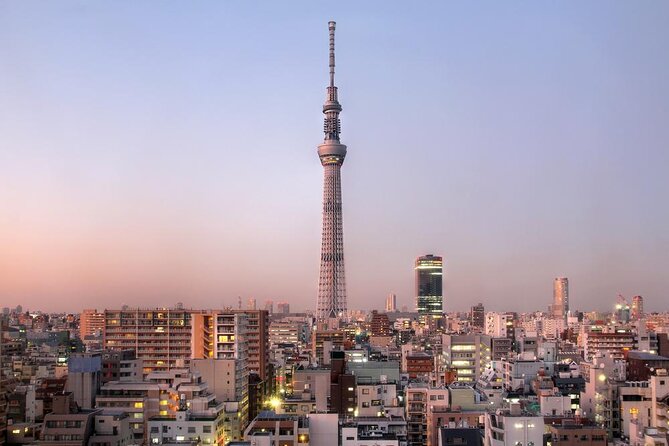
- Tokyo Skytree Town: views and a big landmark zone
- Tokyo National Museum: culture time if your group wants it
- Odaiba: waterfront-modern vibes
- Hama-rikyū Gardens and Imperial Palace Option for a Calmer Moment
- Price, Value, and the Real Costs to Budget for at $141
- Rain or Shine Tips and Who This Tour Suits
- Should You Book This Tokyo Customized Private Tour?
- FAQ
- How long is the Tokyo Customized Private Tour?
- Is this tour private?
- What language is the guide?
- How many places will I see?
- Where is hotel pickup available?
- What if the Tsukiji Fish Market is closed?
- Does the tour run in bad weather?
- How do we travel during the tour?
- What should I bring?
- Is the tour suitable for wheelchair users?
- Can I get a refund if I cancel?
Key Highlights You’ll Feel Immediately
- Private guide control: your interests and fitness level drive the route from the start
- Metro confidence: you learn how stations and transfers work so you can move around later
- Tsukiji with a backup plan: if it’s closed, you switch to a nearby alternative
- Real variety in a single day: old temples, pop neighborhoods, and big-city skyline stops
- Flexible spot count: 2–3 stops in 4 hours, 3–4 in 6 hours, 4–5 in 8 hours
Why a Private, Custom Tokyo Day Beats a Hop-On Hop-Off Loop
Tokyo is big, and your time is not. This tour is built for people who want to see a lot, but without feeling like a checklist on legs. Because it’s private, the guide can slow down when you want photos, quicken when you’re on a mission, and swap in different neighborhoods based on what excites you.
In practice, this is where the value shows up. I love that guides start by matching your day to your interests and even your fitness level. In different trips, guides like Yeomi, Laila, Tak, and Yoko are praised for adjusting the plan on the fly—so you’re not marching through crowds just to tick a box.
You’ll also get a “Tokyo orientation” effect. Several guides are described as walking you through how the metro system works, so the city stops being mysterious after one day. That’s huge if you’re a first-timer or if you’re traveling with kids, because it reduces stress fast.
The one catch is that you’ll walk. Even with planning, this is still Tokyo on foot plus metro rides. Wear shoes that can handle long strolls and uneven sidewalks, and you’ll be happy you did.
You can also read our reviews of more private tours in Tokyo

Pickup in Central Tokyo and Moving by Metro on Purpose
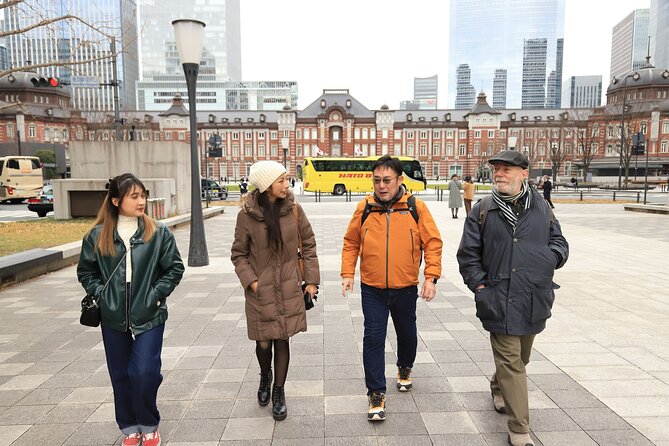
Pickup is included, but the rules are specific. You can be picked up only from hotels in central Tokyo, within Tokyo’s 23 wards. If you’re staying outside Tokyo or in areas like parts of Chiba or Kanagawa, you’ll need to meet at a designated location instead.
That matters because the tour is designed around public transportation. The guide will use metro and walking to connect neighborhoods efficiently, which is exactly what you want in a city where traffic can be brutal. The benefit is speed plus local experience—you see everyday Tokyo, not just the postcard view.
From the way the day is described by past guests, guides do more than escort you. They help you understand stations and transfers so you can get around on your own later. Some guides have even been credited for helping families cross streets confidently and for keeping the flow moving in crowded areas.
Also, the tour runs rain or shine. Tokyo weather can flip from fine to foggy fast, so plan for that. You don’t want to be hunting for shelter or wasting time because you weren’t ready with a simple rain layer.
Tsukiji Outer Market Stop: What You’ll See and the Closure Plan
Tsukiji is the kind of place that can either be magical or chaotic, depending on timing and navigation. This tour aims to make it enjoyable by pairing you with a guide who knows the rhythm of the area and where to go first.
At the Tsukiji Outer Market, you’re in the food zone. Expect a lively walk through market streets and stalls, with a focus on browsing and sightseeing. The guide keeps you moving through the main areas without turning it into a long, confusing loop.
Here’s the smart part: Tsukiji has a closure schedule, and the tour has a built-in plan for it. If Tsukiji is closed, the itinerary shifts to either the Imperial Palace area or Hama-rikyū Gardens instead. Tsukiji is generally closed on Wednesdays and Sundays, but you should still check official updates.
Why this matters for your day: it prevents the classic travel problem where you arrive ready for one landmark and find it shut. Instead, you keep the momentum and swap to another Tokyo highlight.
One more practical note: entrance fees and lunch aren’t included. So if you plan to buy snacks or eat there, budget for it. This stop is ideal for sampling, not for treating it like an all-inclusive meal.
Sensō-ji, Meiji Shrine, Harajuku, Takeshita Street: Old Soul and Street Style
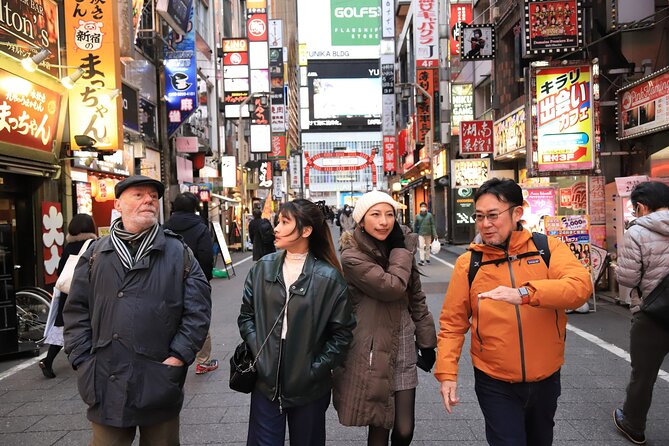
This tour’s strength is contrast. In the same day, you can shift from temple calm to fashion energy without it feeling random.
Sensō-ji and Asakusa: Tokyo’s classic spiritual start
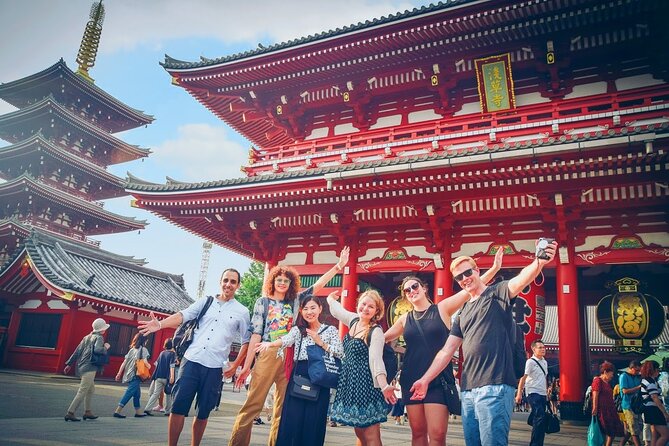
The day often kicks off around Sensō-ji in Asakusa. You’ll get a guided experience and time to soak in the atmosphere. Asakusa is where Tokyo still feels tactile—wood, stone, lantern-lit streets, and the sense that people have been coming here for generations.
A short Asakusa visit is usually part of the flow, with time to see key areas. If you’re the type who likes to read what you’re looking at—symbols, gates, shrine details—this stop benefits from having a guide who can connect the visual points to meaning.
You can also read our reviews of more tours and experiences in Tokyo




Meiji Shrine: a breather inside the city
Then you head to Meiji Jingu (Meiji Shrine), typically with about an hour of guided time. This is a different mood—forest shade, quiet paths, and that rare feeling of stepping away from the city’s noise even while you’re still in it.
Harajuku and Takeshita Street: photos, people, and neon energy
After the calm, you swing into Harajuku and Takeshita Street. This is the pop-culture zone: street fashion, quick photo stops, and a place to browse if you like quirky souvenirs.
If you’re not into shopping, you can still enjoy Takeshita Street for the visual theater—just be clear with your guide about your pace. Some guides are especially good at reading your group’s energy and adjusting how much time you spend.
The big advantage here is that the guide can balance the day. One day can be heavy on tradition or heavy on youth culture. You choose the tilt.
Shibuya and Shinjuku: Neon Crossings and Easy Navigation
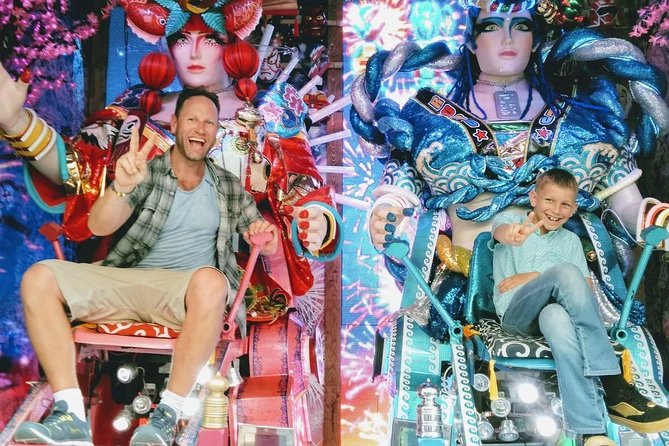
Tokyo’s “big screen” neighborhoods are hard to experience well without local help. This tour handles that by putting you in the right places and giving you a route that doesn’t waste time.
Shibuya Scramble Crossing: the famous moment, without the confusion
In Shibuya City, you’ll visit the area around Shibuya Scramble Crossing and spend guided time walking through the surrounding streets. This is one of those places where it’s easy to get turned around, especially when you’re surrounded by crowds doing the same thing.
With a guide, you can focus on what you came for: the crossing itself, the views from nearby angles, and the broader feel of Shibuya as a modern Tokyo hub. The tour also tends to keep you moving so you’re not stuck in one small spot too long.
Shinjuku: photo stop plus flexibility
Shinjuku often becomes a photo stop paired with guided time in the area. This is a good strategy because Shinjuku is huge. A guide can help you hit key visual points without dragging you into every corner.
Also, a lot of guides are praised for making sure families and mixed-age groups stay comfortable. If you’re traveling with kids, that’s a practical win, not just a nice extra.
Ginza, Tokyo Skytree Town, Odaiba, and Tokyo National Museum: Choose Your Modern Mix
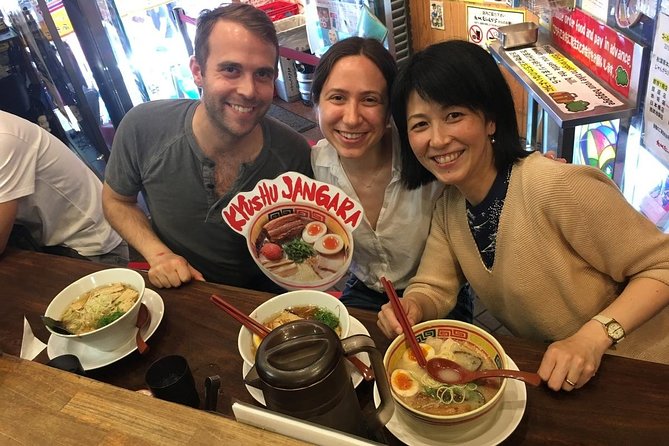
This tour doesn’t just repeat the same skyline photo. It offers several modern Tokyo options, and your custom timing decides what you prioritize.
Ginza: polished shopping streets
Ginza usually appears as a photo stop plus guided time, with options for shopping. If you like department stores, upscale streets, and the feeling of a well-designed city center, Ginza is a strong match.
Keep in mind that shopping times can balloon if you’re tempted by everything. If you want momentum, tell your guide you want window shopping and a short stop for a specific item or snack.
Tokyo Skytree Town: views and a big landmark zone
Tokyo Skytree Town is another photo-stop style moment, plus guided time. It’s a structured area where it’s easy to plan your time. If skyline photos are a must for you, this is one of the places that scratches that itch.
Entrance fees are not included, so if you plan to go up or buy tickets, budget for that separately.
Tokyo National Museum: culture time if your group wants it
Tokyo National Museum is an option for a longer guided visit. This is a great pivot if you want something more grounded than shopping and people-watching. It also breaks up the day so it doesn’t become just neon and streets.
As with other stops, entrance fees aren’t included, so plan for ticket costs if you want to go inside.
Odaiba: waterfront-modern vibes
Odaiba shows up as guided time as well. It’s a different kind of Tokyo—more “future city” energy than shrine streets. If your group likes big-city architecture and open spaces, Odaiba helps round out the day.
Hama-rikyū Gardens and Imperial Palace Option for a Calmer Moment
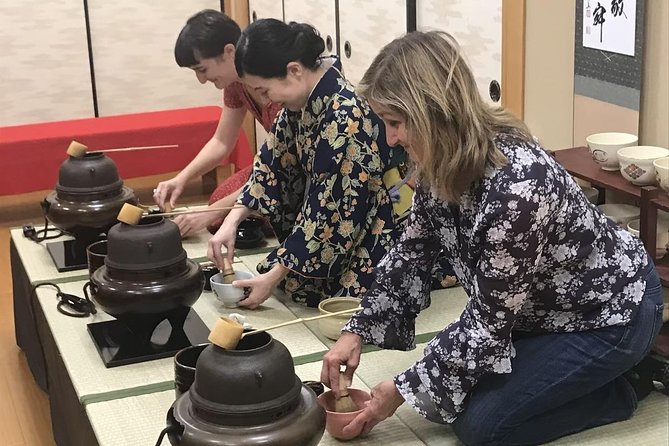
Not every Tokyo day should be 100 percent crowds. This tour gives you room for a calmer, scenic stop.
Hama-rikyū Gardens often appears as a photo stop plus guided time. Gardens are where you slow down. You can catch a breather, take photos that don’t feel rushed, and reset your energy for the rest of the afternoon.
If Tsukiji is closed, Hama-rikyū Gardens can also become the fallback plan. That’s a big deal because it keeps the day flexible without losing a major “Tokyo” experience.
The other backup possibility is the Imperial Palace area. That’s another option if you want a sense of place tied to the city’s history and grounds. Since this is an alternate route, the exact experience will depend on what’s available that day, but you’re not left scrambling.
Price, Value, and the Real Costs to Budget for at $141
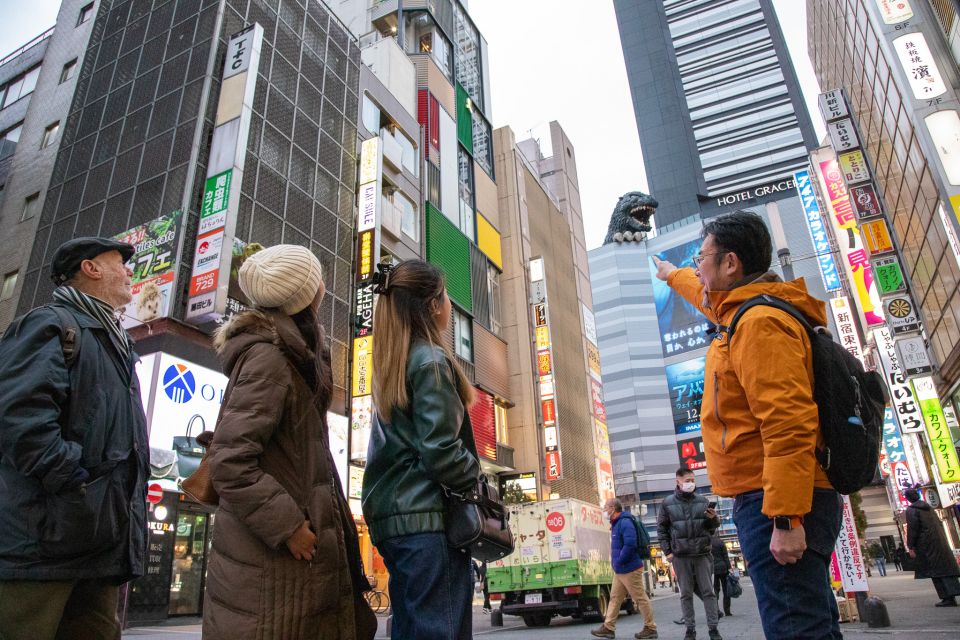
Let’s talk money honestly. At $141 per person (for a 4–8 hour private tour), you’re paying for three things: a dedicated English-speaking guide, and hotel pickup/drop-off, with the flexibility to customize stops.
That’s why it can be good value. A private guide in Tokyo isn’t just “someone walking with you.” The guide is coordinating timing, handling metro logistics, and shaping the day around what you care about—whether that’s markets, temples, street style, or skyline views. In many accounts, guides are credited with making things easier, including showing how to use metro stations.
Now, the costs that are not included will matter. The tour does not include:
- transportation fees for you and the guide
- lunch
- entrance fees
- personal expenses
So your all-in budget depends on your choices. If you plan meals at markets, tickets for museums, or paid viewpoints, you’ll pay extra on top of the tour price. If you keep lunch simple and focus on free-access areas, your day stays closer to the base cost.
In other words: this price buys convenience and local guidance. It doesn’t buy everything else in Tokyo. If you treat it that way, it’s a strong use of time—especially if it’s your first day in the city.
Rain or Shine Tips and Who This Tour Suits
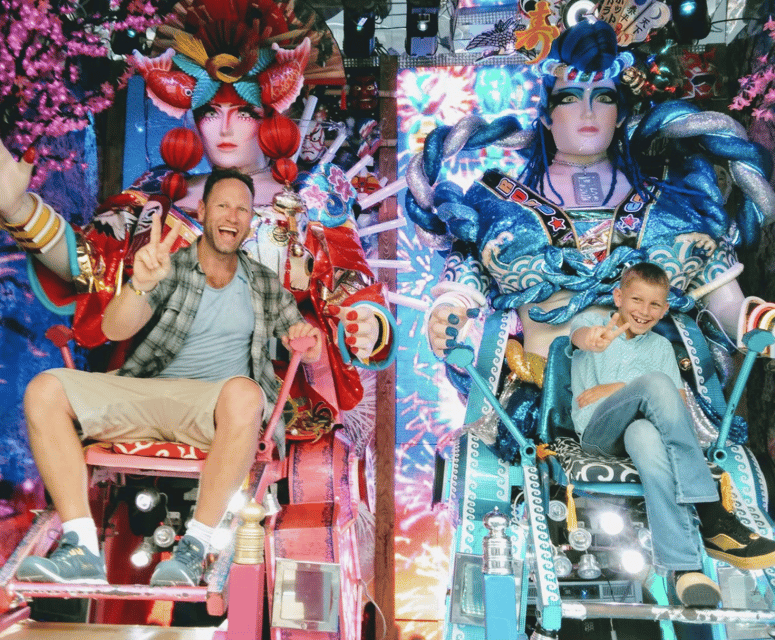
You’ll want comfortable shoes. The schedule includes multiple walking-heavy areas, and the day is designed around connecting neighborhoods. If your feet are unhappy, the whole day gets harder.
This tour also runs rain or shine. Tokyo in bad weather can still be walked. Just bring something practical for wet conditions so you don’t spend your time dealing with discomfort.
This experience is a great fit if:
- it’s your first trip to Tokyo and you want a fast orientation
- you want flexibility to customize stops (not a fixed route)
- you’re traveling as a family or mixed-age group and want help with transitions
- you like a guided explanation while still having time to browse
It’s not suitable for wheelchair users, based on the tour’s setup and walking expectations.
Also, if you prefer a slower day with fewer transitions, choose the 4-hour option (2–3 spots) rather than trying to cram it all in.
Should You Book This Tokyo Customized Private Tour?
If you want a one-day Tokyo experience that feels guided, flexible, and built for real movement, I’d book it. The biggest reason is the guide-led customization plus the metro help. That combination saves time, reduces confusion, and helps you get your bearings fast.
I’d skip it only if you’re the type who hates walking or you want a fully inclusive, pay-one-price day. Since transportation, lunch, and entrance fees aren’t included, you’ll need to budget for the extras you choose.
For most people—especially first-timers, families, and anyone who wants classic Tokyo plus a bit of local flavor—this is a smart way to spend your limited hours.
FAQ
How long is the Tokyo Customized Private Tour?
It runs for 4 to 8 hours, depending on the option you choose.
Is this tour private?
Yes, it’s a private group tour.
What language is the guide?
The live tour guide is available in English.
How many places will I see?
You’ll typically visit about 2–3 spots on a 4-hour tour, 3–4 spots on a 6-hour tour, and 4–5 spots on an 8-hour tour.
Where is hotel pickup available?
Pickup is included only for hotels in central Tokyo within Tokyo’s 23 wards. If you’re staying outside Tokyo, you’ll need to go to a designated meeting point.
What if the Tsukiji Fish Market is closed?
If Tsukiji is closed, the tour will visit either the Imperial Palace or Hamarikyu Garden instead.
Does the tour run in bad weather?
Yes, it runs rain or shine.
How do we travel during the tour?
The tour uses public transportation, along with walking.
What should I bring?
Bring comfortable shoes.
Is the tour suitable for wheelchair users?
No, it’s not suitable for wheelchair users.
Can I get a refund if I cancel?
Yes. Free cancellation is available up to 8 days in advance for a full refund.