REVIEW · TOKYO
Nagano/Tokyo: Snow Monkey Private Day Tour At Lowest Rate
Book on GetYourGuide →Operated by Travels Luxurious Japan · Bookable on GetYourGuide
Snow monkeys first, everything else after. This private day tour is built around the Jigokudani Snow Monkey Park experience, with wild Japanese macaques relaxing in hot springs, plus major cultural stops like Zenko-ji and Matsumoto Castle. I especially like the private, luxury Vellfire setup and the way your driver can adapt timing and order so you spend time where you care most. One heads-up: in winter, wildlife viewing can be hit-or-miss, and on at least one outing only a couple monkeys were visible at first.
You’ll also get a smooth, low-stress day because it’s truly point-to-point. The itinerary includes a fast hot-spring town photo stop at Shibu Onsen, a spiritual walk at Zenko-ji, then samurai-era atmosphere and old-town charm around Nagano and Obuse. If you’re hoping to do everything on every list, I’d focus on what matters to you—this is a 10-hour schedule with real driving time.
In This Review
- Key Highlights and What They Mean for Your Day
- Jigokudani Snow Monkey Park: the hot-spring walk that sets the tone
- Getting there from Tokyo or Nagano: the 10 hours that really matter
- Shibu Onsen photo stop: quick hot-spring town atmosphere
- Zenko-ji Temple: spiritual history plus that famous pitch-dark passage
- Matsumoto Castle: Crow Castle exterior and workable one-hour timing
- Obuse and the Hokusai Museum: streets, art, and chestnut sweets
- Custom itinerary: how your driver actually tailors the day
- Price and value for a private group up to 6
- Comfort, communication, and safety details that affect your real experience
- Should you book? My honest call for the right type of traveler
- FAQ
- How long is the Nagano and Tokyo day tour?
- How much does it cost and how many people can go?
- Where can the driver pick you up?
- Are meals and attraction fees included?
- What’s included in the private transportation?
- Is the tour wheelchair accessible?
Key Highlights and What They Mean for Your Day
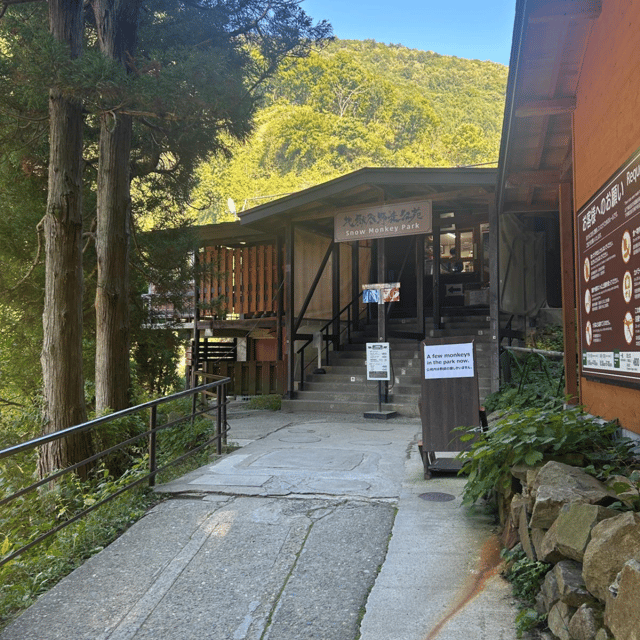
- Jigokudani Snow Monkey Park timing: plan for a winter walk up and back, with macaque viewing that can change minute to minute
- Zenko-ji’s signature passage: a short but memorable pitch-dark section beneath the main hall
- Matsumoto’s Crow Castle photo payoff: one hour there is enough to see the structure and climb for views
- Obuse + Hokusai Museum: a good mix of art, streets, and chestnut-based snacks
- Private comfort with Wi-Fi: a clean, comfortable Vellfire plus a hotspot for map and translation help
- Experienced drivers with flexible pacing: several guides started earlier to beat traffic and crowd pressure
Jigokudani Snow Monkey Park: the hot-spring walk that sets the tone
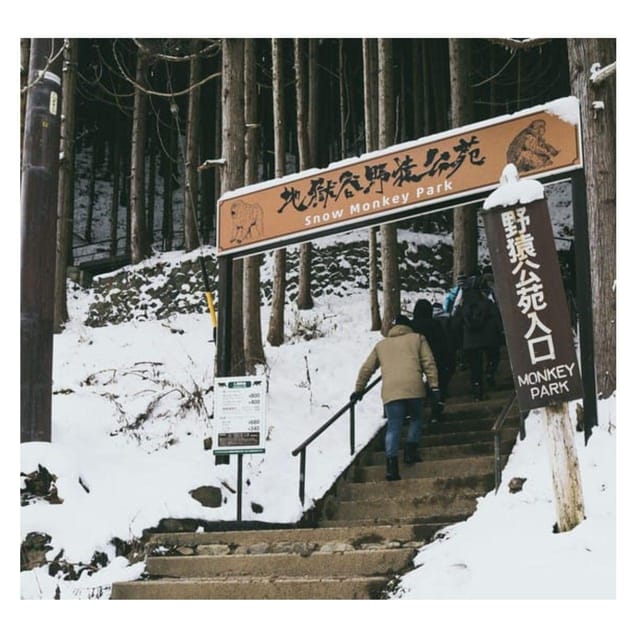
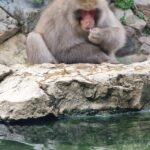
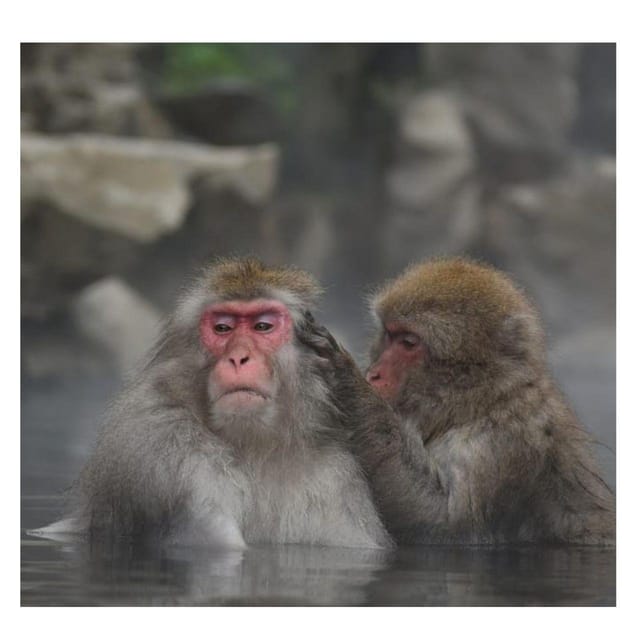
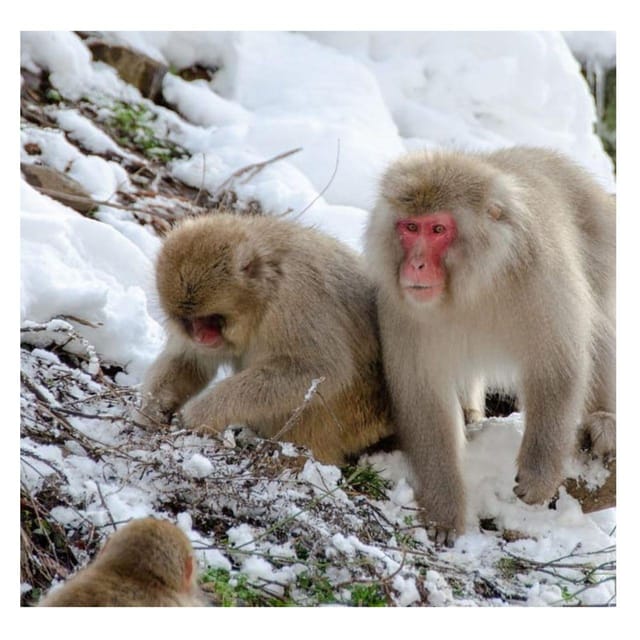
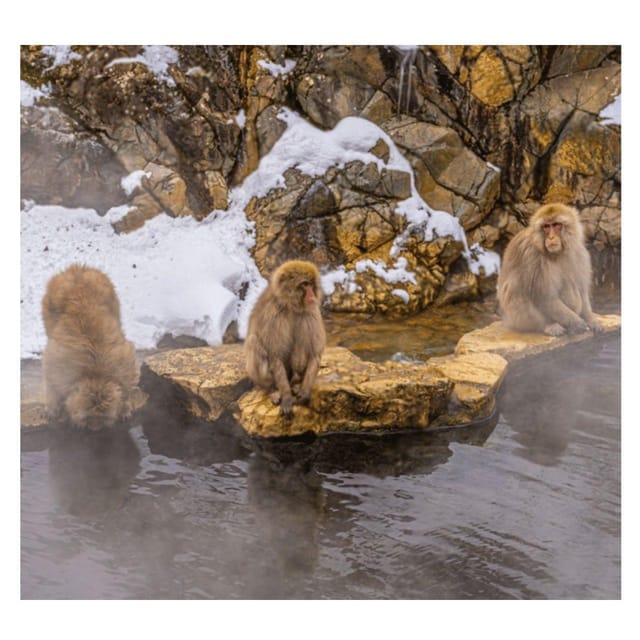
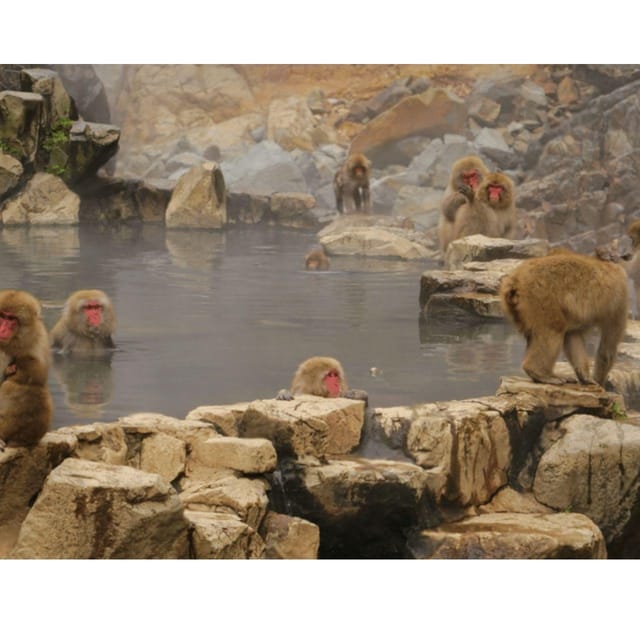
This is the reason you sign up. Jigokudani Snow Monkey Park puts you in front of wild Japanese macaques in their natural setting, with steam, snow, and rocky terrain around the viewing area. Winter makes it feel extra dramatic, and it’s the one stop where I think photos and video are almost guaranteed to feel worth it.
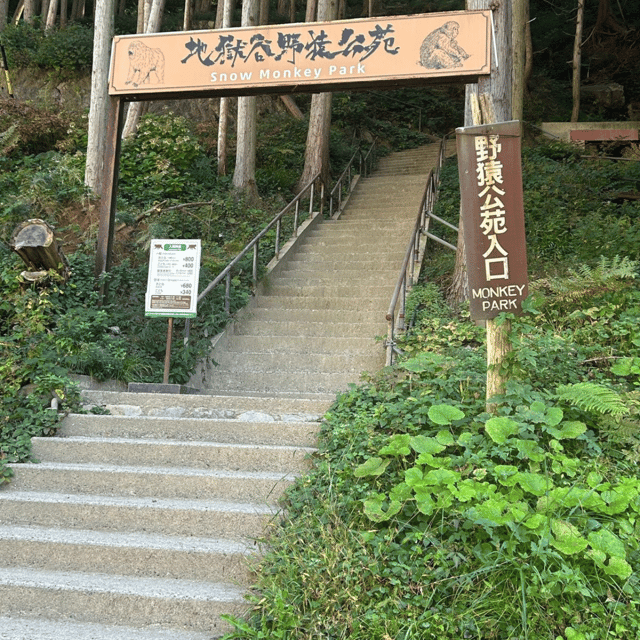
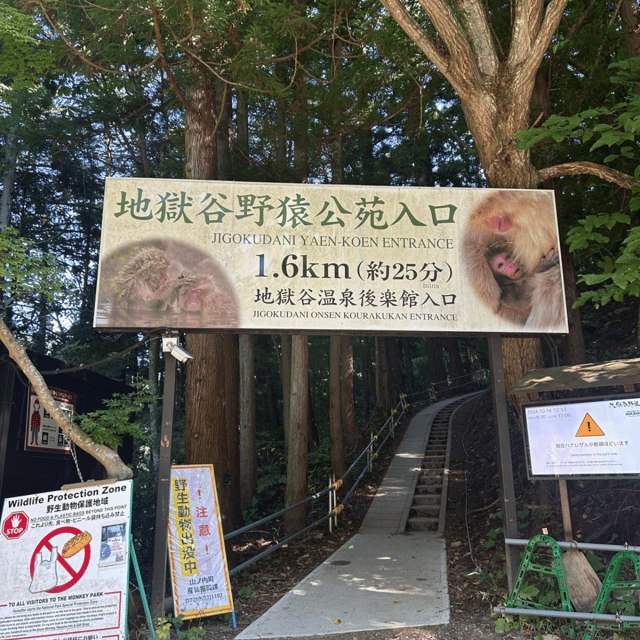
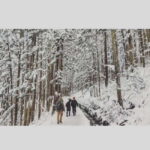
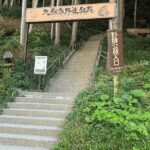
Plan for walking. On one winter day, the route to the entrance was described as about 1.6 km, and the track had an uphill feel at the beginning and end, with the middle generally flatter. Even if you’re fit, you’ll want proper grip shoes and warm layers because the cold can sneak up on you fast. If you bring a waterproof camera setup, you’ll feel calmer once snow starts falling.
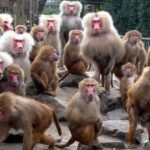
Wildlife viewing is the only uncertainty. One guest had only two monkeys visible at first, and another found the macaques only after checking the live feed and walking back up. That’s the reality of animal days. The upside is that your guide can stay patient with the pacing, and you’re in the right place for the chance at a great show—lots of people do see many monkeys, especially after you’ve settled in and warmed up.
You can also read our reviews of more private tours in Tokyo

Getting there from Tokyo or Nagano: the 10 hours that really matter
This tour is listed as 10 hours including commuting time, and that’s not fluff. If you start in Tokyo, you’re signing up for a long car day with stops along the way and a set time budget at each major site.
What I like is the way drivers handle the pacing. Guides such as Alex and Cheema were described as suggesting earlier departures to avoid traffic and crowds. On one outing, a scheduled 8:00 pickup became a 7:00 pickup to get a better arrival window—small adjustment, big difference in how relaxed you feel once you reach the park.
You also get practical support that helps on a long day:
- your driver can plan photo stops and short breaks
- your vehicle includes water, tea, and coffee
- there’s a Wi-Fi hotspot for maps and translation backup
The main consideration is energy. If you hate long drives or you’re planning a big itinerary like this from far outside Nagano, you’ll feel the time pressure. The tour makes the day manageable, but it doesn’t turn it into a quick hop.
Shibu Onsen photo stop: quick hot-spring town atmosphere
Shibu Onsen is a short stop—about 40 minutes, mostly photo and stroll time. Think of it as a palette cleanser between the wildlife and the temples. The goal here isn’t a deep spa day; it’s a chance to break up the drive and see a historic hot-spring town atmosphere.
Because it’s time-limited, you’ll do best if you keep your expectations simple: take a few photos, get your bearings, and use the moment to reset. In cold weather, it’s also a helpful reminder to slow down, breathe, and warm up a bit before the next walk.
Zenko-ji Temple: spiritual history plus that famous pitch-dark passage
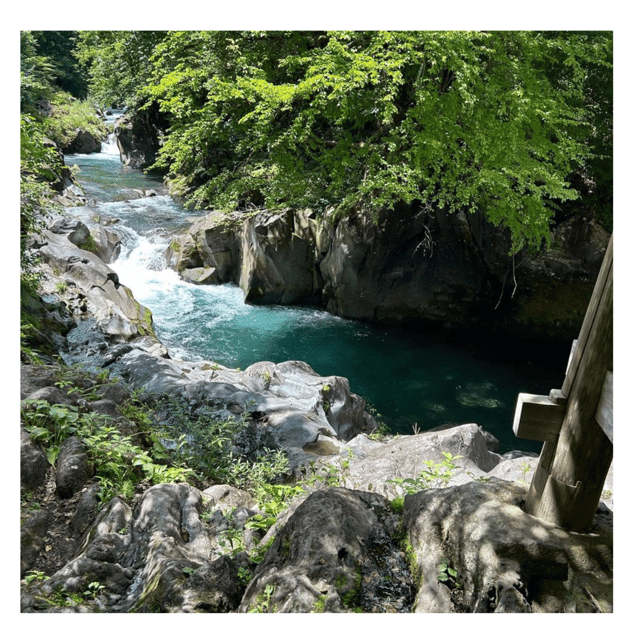
Zenko-ji is a strong stop for a reason: it mixes major historical weight with a small, sensory moment. You’ll have about one hour here for photo time, wandering, and visiting.
The experience many people remember is the symbolic walk through the pitch-dark passage beneath the main hall. It’s not just an odd gimmick—it creates a pause in the day where you stop treating the tour like a checklist and start noticing your own senses. Cold air, temple wood, quiet corridors, and that sudden dimness make it stick in your memory.
Also, don’t rush. A couple guides helped guests slow down, take their time with the wooden architecture, and still stay on schedule. If your group wants a little extra time, it can be flexible depending on traffic and the day’s flow.
Matsumoto Castle: Crow Castle exterior and workable one-hour timing
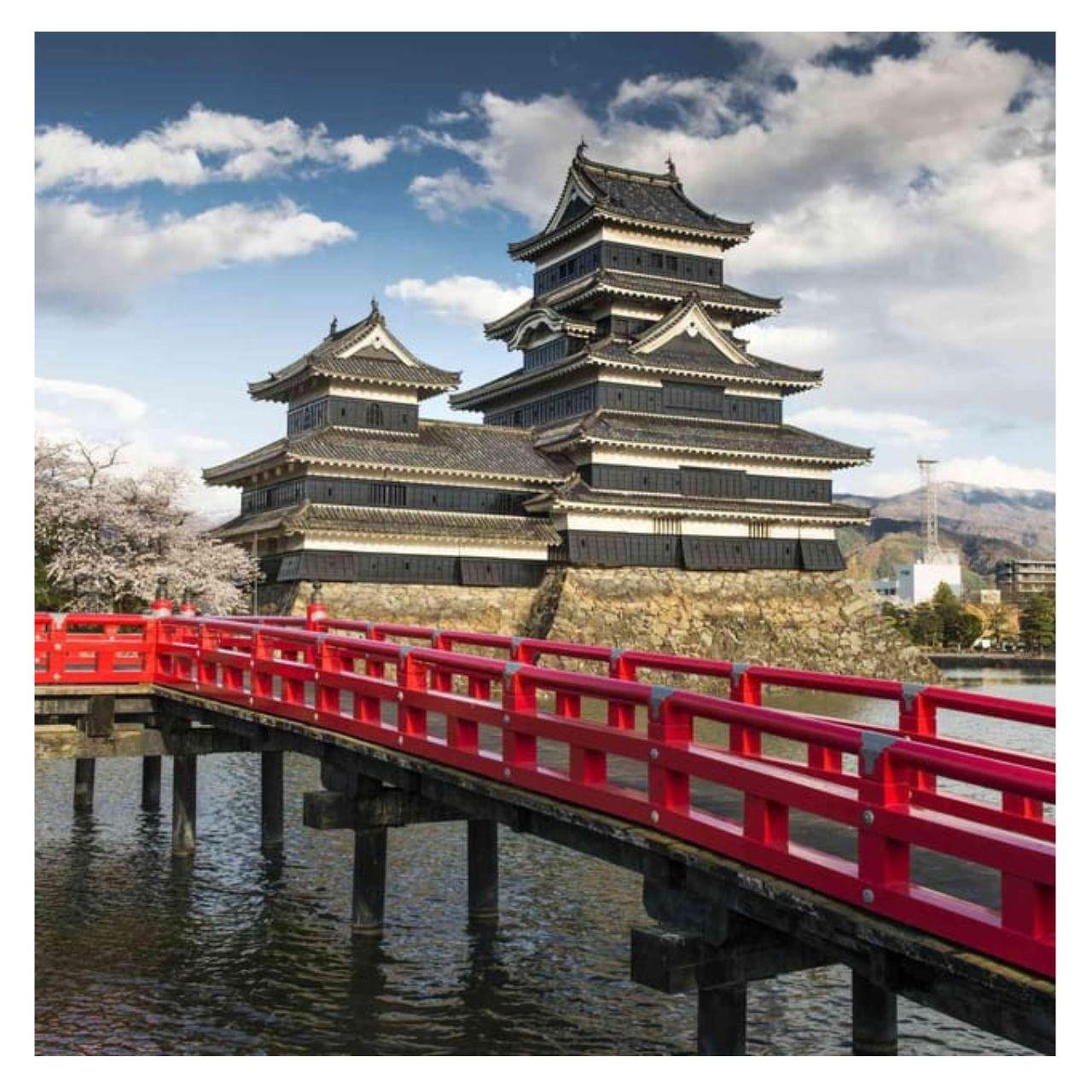
Matsumoto Castle (often nicknamed Crow Castle because of its striking black exterior) is one of those places where one well-used hour can be satisfying. You’ll get about one hour for photo stop, visit, and sightseeing.
Here’s why the timing works: the castle itself provides enough to understand feudal defense design and samurai-era context, and you can also climb for panoramic views of the surrounding Japanese Alps region when visibility is good. Even if the castle feels smaller than you pictured, the structure still hits—dark keep, layered defenses, and crisp lines.
One practical tip: set expectations for crowds and weather. If you’re going in shoulder or peak season, arrive with patience. If it’s snowy, you’ll want the same warm shoes and waterproof thinking you used at the monkey park.
You can also read our reviews of more tours and experiences in Tokyo
Obuse and the Hokusai Museum: streets, art, and chestnut sweets
Obuse is where the day turns charming and human-scale. You’ll have about 40 minutes, including sightseeing time. This is also where your taste buds get a role in the itinerary.
Obuse is known for art galleries and traditional homes, and it’s home to the Hokusai Museum dedicated to Katsushika Hokusai. If you like ukiyo-e art, this is a tidy way to connect Japanese culture with a recognizable name without adding hours of travel.
And yes, sweets matter here. The tour experience includes time for apple-based treats, and the area is also associated with chestnut-based snacks. If your schedule allows, I’d prioritize one snack and one photo-worthy street moment rather than trying to sample everything. You’ll enjoy the flavors more when you’re not sprinting.
In Obuse, several guides also helped guests find a good lunch spot. Monica specifically noted a lunch that hit well after museum time. That kind of local pointer is one reason a private driver often beats cobbling together trains and buses mid-day.
Custom itinerary: how your driver actually tailors the day
The headline is that your itinerary is customizable. In real life, that usually means you can adjust focus rather than rebuild the day from scratch. Your base day runs on a tight time box, so changes work best when they’re about priorities.
A few examples of what customization can mean in practice:
- swapping your order slightly to improve sight conditions or reduce stress
- adding or emphasizing culture stops like samurai-area atmosphere (Matsushiro) if your group cares more about Edo-era stories
- incorporating additional shrine time such as Togakushi if it fits weather and walking comfort
Your driver’s personality matters here. People praised guides for being patient and flexible when schedules stretched slightly or when guests wanted extra time after seeing the monkeys later than expected. Alex’s extra time at the end of a monkey-focused day is a good example of how that flexibility can feel like a real win.
So my advice: tell your driver what matters most before you leave your accommodation. If monkeys are the priority, say it clearly. If you care more about castles and temple details, lead with that. Private tours work best when communication is direct.
Price and value for a private group up to 6
At $399 per group (up to 6 people), this is priced like a true private transfer day, not a budget bus tour. That sounds steep until you do the math the way your day actually functions: you’re paying for long-distance commuting, a luxury vehicle, an English-speaking license-holder driver, and a schedule that runs with time allocation at each major stop.
Where the value lands for me:
- You’re not paying per person in the usual taxi sense. Up to six people share the group cost, which can make it reasonable for families and small groups.
- You get included basics that reduce friction: water, tea, coffee, plus a Wi-Fi hotspot.
- The driver’s experience helps you avoid wasted time in Tokyo traffic and at tight sightseeing windows.
What might make it less cost-effective:
- If you’re traveling solo, the per-person share rises fast compared to joining a multi-stop group bus.
- If you only care about one stop (say monkeys only), you may not need the full 10-hour structure.
For most couples, friends, or families who want a smooth, private day from Tokyo or the wider Nagano area, the price can start to feel fair—especially when you factor in how much driving is involved.
Comfort, communication, and safety details that affect your real experience
This is a private tour with a driver in a luxury Vellfire vehicle. Several reviews highlighted the condition of the car and the calm, careful driving style—important when winter roads and long distances are part of your day.
Communication is another plus. Drivers listed across the experience can speak English, Hindi, Japanese, and Urdu. Guests named guides like Cheema, Alex, Jazib, Arslan, Sikandar, Hassan, Max, and David, and the consistent praise was for clear English plus helpful explanations and patience with questions.
Practical safety notes from the tour rules:
- Bring comfortable shoes and protect your camera from moisture.
- Alcohol and drugs aren’t allowed during the tour.
- Fireworks and making fire are not allowed.
One more fit check: the tour is wheelchair accessible, but it is not suitable for people with back problems. That matters because you’re walking at temples and climbing paths at Jigokudani.
Also, the driver waiting policy is real-life important: drivers will wait no longer than 60 minutes after the scheduled pickup time, and you should wait about 10 minutes before pickup at your location. If your day tends to run late, build in buffer.
Should you book? My honest call for the right type of traveler
Book this tour if you want a private Nagano day that turns big sights into an orderly schedule: snow monkeys first, then Zenko-ji, then castles and old-town breaks like Obuse. It’s a strong pick for couples, families, and small groups up to six who value comfort, clear communication, and not having to manage intercity logistics.
Skip or rethink if you hate long car days, have mobility or back issues, or only want one attraction. Also, if you’re traveling with zero flexibility and you absolutely must see a certain number of monkeys on camera, remember wildlife timing can surprise you—sometimes you’ll see lots right away, and sometimes you’ll need patience or a second look later in the day.
If you can handle winter walking and you’re excited by both wildlife and culture, this is exactly the kind of day trip that makes Japan feel specific instead of generic.
FAQ
How long is the Nagano and Tokyo day tour?
The tour duration is about 10 hours including commuting time.
How much does it cost and how many people can go?
It costs $399 per group up to 6 people. Groups larger than 6 may be facilitated at an additional cost.
Where can the driver pick you up?
Pickup is available from accommodations in Tokyo’s 23 Wards and in the Nagano area surrounding Hakuba, Nagano, Obuse, and Nozawaonsen (specific wards are included).
Are meals and attraction fees included?
Meals and attraction fees are not included.
What’s included in the private transportation?
You get private transportation in a luxury Vellfire vehicle, hotel pickup and drop-off, an English-speaking license-holder expert driver, highway taxes, fuel, parking fee, and water, tea, and coffee. There’s also a Wi-Fi hotspot router.
Is the tour wheelchair accessible?
Yes, the tour is wheelchair accessible, but it is not suitable for people with back problems.