REVIEW · TOKYO
Mt Fuji Top 5 Spots Day Tour: Arakurayama Park,Oshino Hakkai
Book on GetYourGuide →Operated by Tour Easy · Bookable on GetYourGuide
Mt Fuji is the star here, no question. This top-spot day tour strings together iconic viewpoints and calm countryside at Oshino Hakkai springs, with pros who help you get the right angle and timing; my only real caution is that Fuji visibility depends on weather and traffic can squeeze the schedule.
I like the pacing because it’s built around getting multiple looks at the mountain, not one rushed stop. You’ll also get practical photo breaks, plus a couple of fun, local details (like the clock-shop street end view) that feel more real than typical “bus-and-back” tours.
One possible drawback: if you’re late, you can miss the departure. This is also a long day, so plan for a full 10 hours and be ready for lots of walking and stairs at the main viewpoint.
In This Review
- Key highlights to know before you go
- The simple idea: see Fuji from multiple angles, then breathe in Oshino Hakkai
- Tokyo pickup to Fuji-area transfer: 2.5 hours that still feels manageable
- Arakurayama Sengen Park: the 397 steps that earn their keep
- Arakura Fuji Sengen Shrine + Chureito Pagoda: the classic Fuji postcard pair
- Hikawa Clock Shop: a quieter Fuji view at the end of the street
- Oshino Hakkai’s eight springs: where Fuji water turns into a calm village moment
- Lunch reality: plan for 45 minutes and cash-friendly choices
- Lawson by Kawaguchiko: the iconic storefront photo break
- Oishi Park and the seasonal Fuji gardens: lavender, kochia, and festival energy
- The Momiji Corridor photo stop: why the late-day timing can help
- Return to Tokyo: plan like traffic is part of the itinerary
- The real value of a $53 day trip: what you’re buying besides the sights
- What the guides do well: keeping the day smooth and your camera busy
- Small tips that actually improve your day (and your photos)
- Who this tour suits best
- Should you book this Mt Fuji Top 5 Spots Day Tour?
- FAQ
- What time does the tour start?
- How long is the tour?
- Is lunch included?
- Do I need cash for this tour?
- What should I bring?
- Is Mount Fuji guaranteed to be visible?
- What languages are offered by the guide?
Key highlights to know before you go
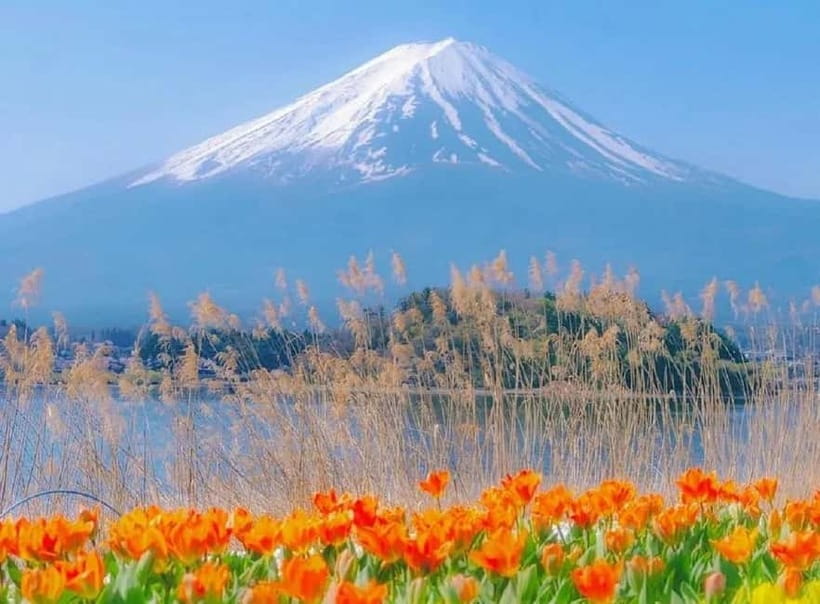
- 397-step climb at Arakurayama Sengen Park for the classic Fuji framed-by-everything view
- Oshino Hakkai’s eight springs for clear-water scenery and a slower village pace
- Hikawa Clock Shop photo spot for a quieter street perspective toward Fuji
- Lawson by Kawaguchiko for that instantly recognizable Japanese storefront shot (cross carefully)
- Seasonal swap options: lavender, kochia, maple corridor, or sakura depending on the calendar
- Guides who actively help with photos and keep the group moving smoothly
The simple idea: see Fuji from multiple angles, then breathe in Oshino Hakkai
This tour is built like a photo route with meaning. You start with the famous high viewpoint where Mount Fuji sits in the frame for your camera, then you move through small-town moments that feel distinctly Japanese. The best part is that after the “wow” views, you get a reset at Oshino Hakkai, where the scenery turns calm and water-focused.
I also like that it’s not just “look at Fuji.” You get a mini story for what you’re seeing—parks and shrines in the morning, springs and village lanes in the middle, and a couple of memorable street-style stops before heading back. That mix is what makes the day feel full, not repetitive.
You can also read our reviews of more tours and experiences in Tokyo.



Tokyo pickup to Fuji-area transfer: 2.5 hours that still feels manageable
You’ll pick up from one of two meeting points, depending on what you booked: JR Tokyo Station (Marunouchi South Exit) or Tokyo Mode Gakuen. The start times are tight (8:00 AM for the Tokyo Station option, 8:30 AM for the Tokyo Mode Gakuen option), so arrive about 15 minutes early—late arrivals aren’t waited for.
From there, you’re on the road for around 2.5 hours in an air-conditioned tourist vehicle. This matters more than it sounds. Fuji-area traffic can be unpredictable, and a comfortable ride helps you stay fresh for the walking parts of the day. The driver and multilingual guide work together, and that shows in how smoothly the schedule holds (when weather and traffic cooperate).
Practical note: by around 9 PM the night before, you’ll receive an email with the vehicle and guide details. Check your spam folder too, and keep your phone on and accessible.
Arakurayama Sengen Park: the 397 steps that earn their keep
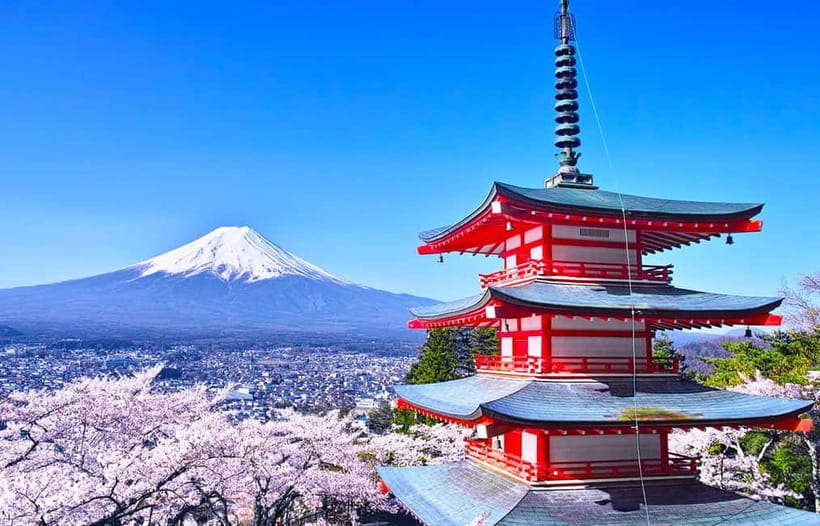
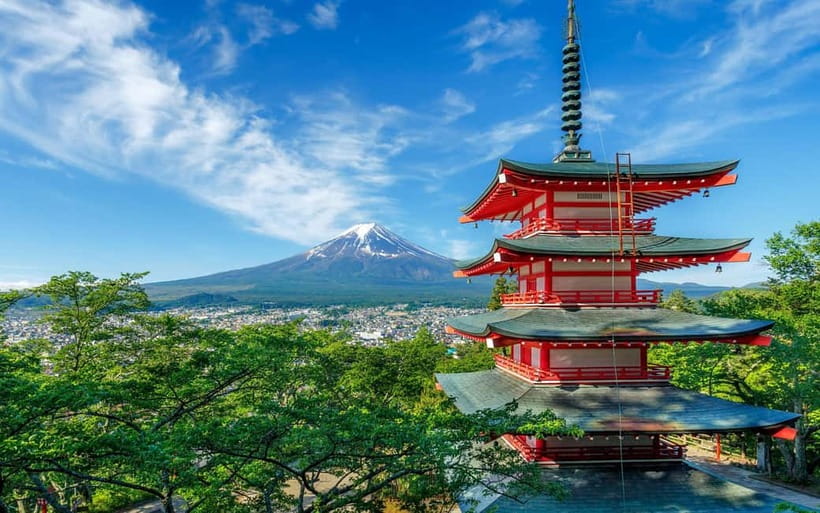
Your first big stop is Arakurayama Sengen Park (about 60 minutes). This is the viewpoint people chase, the one where Fuji shows up framed by surrounding trees and seasonal color. You climb 397 steps to get there—short enough to do, steep enough that you’ll feel it—then you’re rewarded with a wide view over Fujiyoshida’s streets below.
Why it’s worth it: this place is famous for a reason. Even if you’ve seen photos before, being there changes the experience. You get depth—Fuji isn’t just a background mountain, it’s part of the whole scene.
What to watch for: this is also where crowds concentrate. Going early helps, but you still want comfortable shoes and a calm pace. If visibility is low, you might get less of the full “iconic” look, so keep your expectations flexible.
Arakura Fuji Sengen Shrine + Chureito Pagoda: the classic Fuji postcard pair
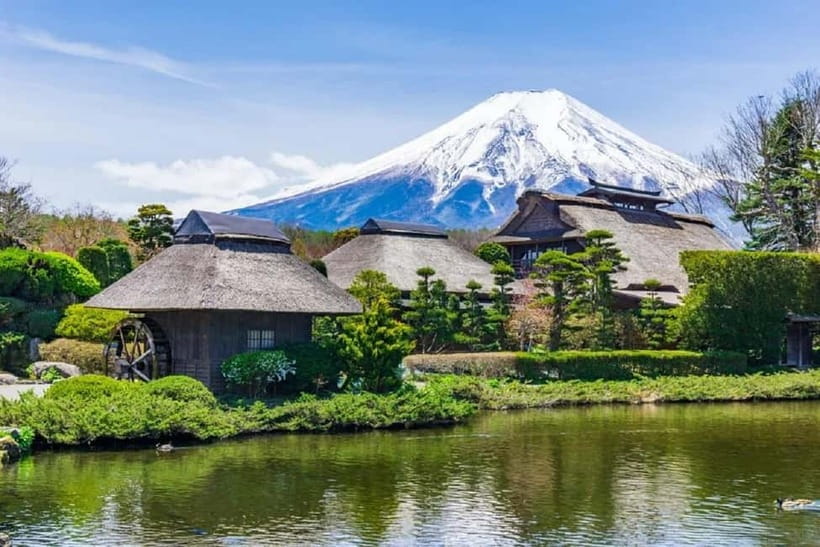
Right after the park viewpoint, the route includes Arakura Fuji Sengen Shrine and the famous photo setup near Chureito Pagoda.
Expect a short walk and a photo stop with free time (around 10 minutes for the pagoda area). This is one of the best places to practice your “try a different angle” strategy. Tiny changes in position can make Fuji look like it’s perfectly aligned with the pagoda and the surrounding structures.
Why this segment is valuable: it gives you variety without adding extra travel time. You’re already at the right height and direction—so the photos feel like a set, not random snapshots.
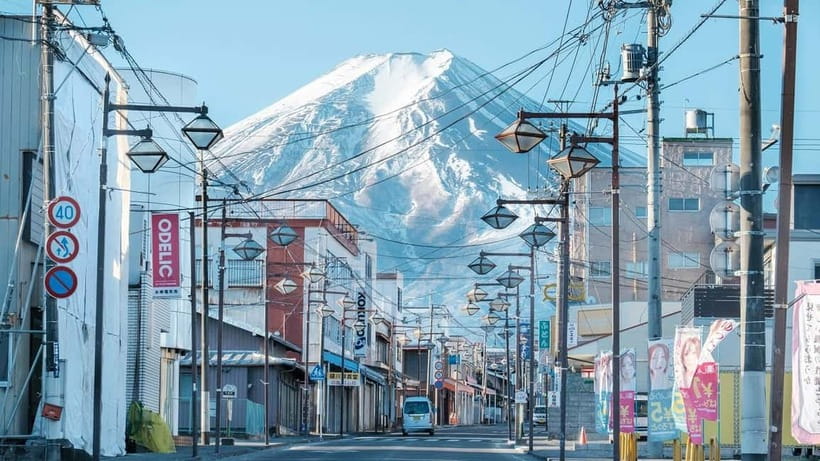
Hikawa Clock Shop: a quieter Fuji view at the end of the street
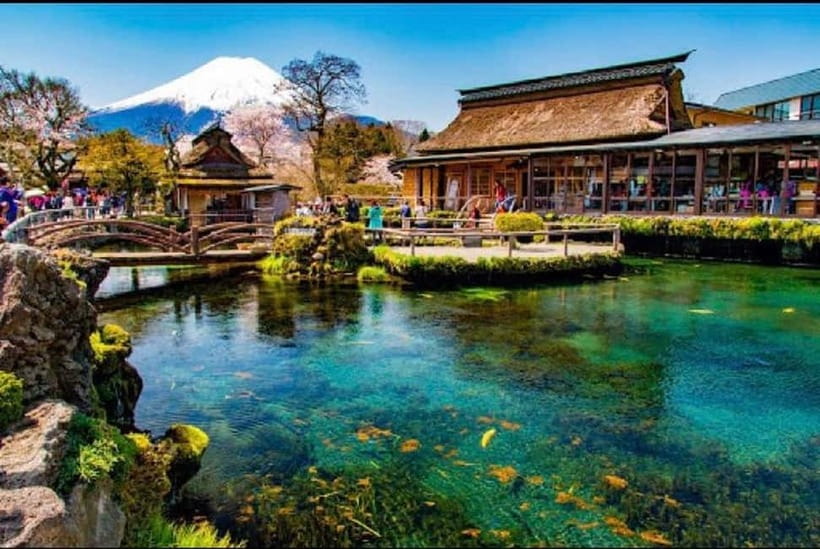
Next you’ll head to Hikawa Clock Shop (about 20 minutes). This stop is built around a specific kind of photo: quiet streets leading your eye toward a Fuji reveal at the end.
It’s popular on social media because it mixes old-school streetscape texture with the modern shock of “there’s Fuji, right there.” The tour gives you time to walk a bit and reposition for better angles.
Reality check: the tour description flags that weather can affect visibility, so if clouds are thick you may not get the clean mountain silhouette. Still, the streets and viewpoint geometry can be worth it even on a less perfect day.





Oshino Hakkai’s eight springs: where Fuji water turns into a calm village moment
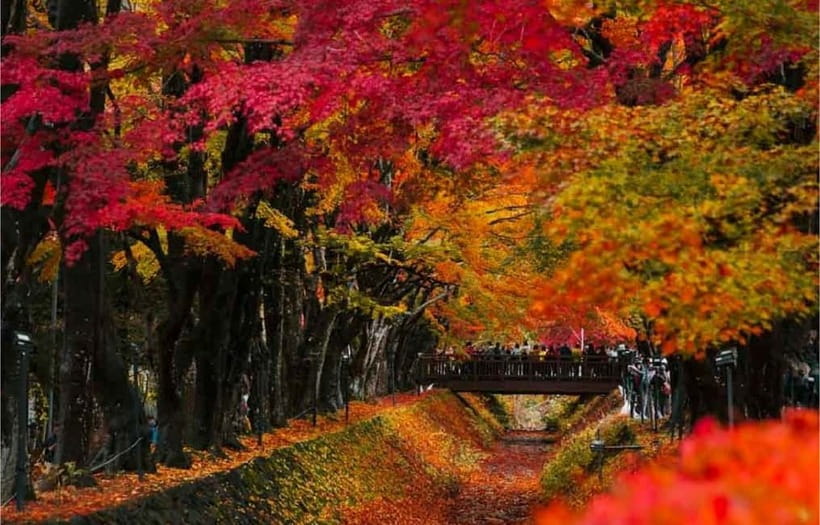
Then comes the highlight that slows everything down: Oshino Hakkai (about 90 minutes). This is the “crystal-clear springs” section—eight springs formed by Fuji’s melted snow feeding the area.
The scenery here is more about water and atmosphere than skyline drama. You’ll stroll the village, see the spring areas, and take photos at a relaxed pace. It’s known as the Jiuzhaigou of Japan, meaning people associate it with that same clean, nature-and-water feeling—even though it’s clearly its own place.
Why you’ll probably like it: after climbing and photographing at the viewpoints, Oshino Hakkai gives your body and brain a break. It’s where the day stops feeling like a checklist and starts feeling like you’re actually in the Fuji foothills.
Small consideration: this is longer than some of the other stops, so wear shoes you’ll be happy in for a steady walk through the village lanes.
Lunch reality: plan for 45 minutes and cash-friendly choices
Lunch is not included in the standard tour price. The day is designed so you can either bring your own food, buy lunch at an attraction, or dine at a restaurant recommended by your guide.
You’ll typically have around 45 minutes at a local restaurant slot. Also note the practical instruction: bring cash, because some scenic spots and restaurants may only accept cash payments.
If you’re picky about timing, treat lunch as a “fuel stop,” not a long sit-down. The tour is trying to protect your sightseeing time while still giving you enough to eat.
Lawson by Kawaguchiko: the iconic storefront photo break
Next up: Lawson at Kawaguchiko (about 20 minutes). Yes, it’s funny that a convenience store becomes part of a top Fuji route, but it works—because the framing is unmistakable. You get that classic Japanese street-scene feel with Mount Fuji in the background.
Important detail: be careful crossing the street. The tour explicitly warns about this, and it’s good advice. You’ll be focused on your shot—so remind yourself to look for cars first.
This stop is short on purpose. It’s a quick win that adds variety without eating your whole afternoon.
Oishi Park and the seasonal Fuji gardens: lavender, kochia, and festival energy
The final sightseeing area is Oishi Park (about 50 minutes), but with a big seasonal twist. Depending on the time of year, the route may emphasize different color displays instead of Oishi Park.
Here’s how the seasonal plan works:
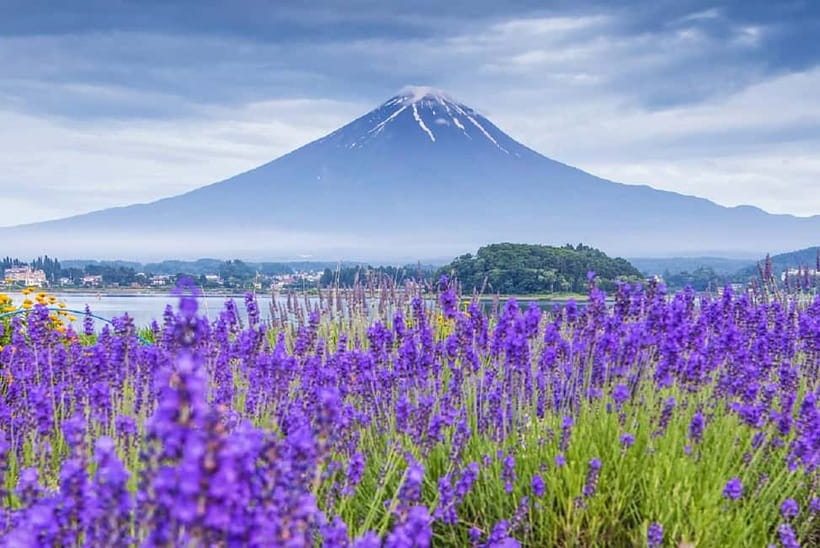
- Summer: lavender fields that contrast beautifully with Fuji
- Autumn: red kochia grass for a strong color pop
- June–October: you may also catch the Kawaguchiko Herb Festival timeframe (tour notes this season-specific event)
The schedule also includes autumn and spring alternatives:
- Kawaguchiko Maple Corridor (around Oct 26–Nov 20) is listed as a seasonal option and may mean you won’t go to Oishi Park
- Kawaguchiko Cherry Blossom Festival (around Apr 5–14) is another seasonal option and also notes that Oishi Park may not be the stop
Why this matters: Fuji views are great year-round, but seasonal gardens turn your photos from “mountain exists” into “seasonal mood.” This tour tries to match the scenery to the calendar, which is smart value for a one-day visit.
The Momiji Corridor photo stop: why the late-day timing can help
After the Oishi Park segment, the route also includes a Momiji Corridor Lake Kawaguchi photo stop (around 50 minutes) in the seasonal autumn framing. In plain terms: it’s time to grab those “Fuji + autumn color” shots with a bit of open space around you.
Even if the lighting isn’t perfect, you often get better photo options in late afternoon than you do in the harsh midday glare—assuming Fuji is visible. And since weather can be unpredictable, having multiple chances at scenic views is exactly what you want from a day tour like this.
Return to Tokyo: plan like traffic is part of the itinerary
You’ll head back to Tokyo by bus/coach for around 2 hours, with drop-offs back at your original meeting-area locations (either Tokyo Mode Gakuen or JR Tokyo Station). The expected end is around 18:30, but the tour notes that traffic can delay return time, especially on weekends and peak seasons.
My advice: don’t stack another reservation right after your expected return. Treat the return as flexible. It’s one of those annoying-but-real parts of doing Fuji by road, and it’s better to avoid stress than to gamble.
The real value of a $53 day trip: what you’re buying besides the sights
$53 for a 10-hour day sounds like a “budget tour” number, but the value is in what’s bundled. You get:
- Air-conditioned transport
- Professional driver + multilingual guide
- Pickup and drop-off at two designated points
- Highway tolls, parking fees, and fuel
- Overtime fees for the driver/guide (if applicable)
What’s not included is also clear: personal expenses, and water and food. Lunch is not included, so factor that into your total cost.
So is it worth it? If you want Fuji without coordinating trains, transfers, and timing between multiple spots, this price can feel fair. It’s especially good for first-time visitors who want a strong “greatest hits” route that’s paced for photography.
What the guides do well: keeping the day smooth and your camera busy
This tour stands or falls on guide quality, and this one has a consistent pattern in the feedback: guides keep things organized, they help with practical advice, and they’re willing to take photos for you.
Names you may see include guides like Anna Wang, Sawaki, Peter, Mila, Olivia, Erina, Sia, Linda, and Karen. People highlight things like being patient with a group, giving facts that make the sights feel more meaningful, and stepping in to help with photo angles.
Even if Fuji is clear, crowds still happen. The guides seem to handle that by controlling timing at each stop and making sure you meet back up quickly and calmly.
Small tips that actually improve your day (and your photos)
Here’s how you make this kind of tour work for you:
- Bring comfortable shoes and expect stairs at Arakurayama
- Bring water (tour notes water as something you should bring)
- Wear layers. Fuji-area views can look crisp but feel cold, especially early
- Bring some cash for places that may not take card
- If Fuji is hazy, switch your goal to composition and framing, not just “perfect clarity”
- Arrive early to the meeting points. The tour doesn’t wait for latecomers
The tour explicitly warns about Fuji visibility and potential schedule changes from bad weather or traffic. Your best move is mental flexibility: plan for great views, but be ready for Plan B photos (streets, pagoda angles, spring water detail, and seasonal color).
Who this tour suits best
This day tour is a good match if you want:
- A one-day Mt Fuji plan that covers the big photo stops without DIY stress
- A route that mixes iconic viewpoints + calmer water/village scenery
- Multilingual guide support (Chinese, English, Japanese) and steady group logistics
- Seasonal options that can change based on when you visit
It may be less ideal if you hate long days, dislike stairs, or need absolute control over timing. This is shared group travel, and peak seasons can tighten the schedule.
Should you book this Mt Fuji Top 5 Spots Day Tour?
I’d book it if you’re short on time and you want a structured route that’s designed for photos from multiple angles. The combination of Arakurayama Park, Oshino Hakkai, and the seasonal garden stop gives you variety, and the guide support is clearly a key strength.
Skip or reconsider if you only travel for “guaranteed perfect Fuji.” Even with the best plan, weather decides clarity. Also, if you’re planning tight connections immediately after the tour, keep that buffer—traffic can delay the return.
If your priority is a smooth day with classic Fuji moments plus a real village-water break, this one fits the bill.
FAQ
What time does the tour start?
You have two start options depending on the meeting point. One option starts at 8:00 AM at JR Tokyo Station (Marunouchi South Exit), and the other starts at 8:30 AM at Tokyo Mode Gakuen.
How long is the tour?
The total duration is 10 hours.
Is lunch included?
No. The tour does not include lunch. You can bring your own food, buy lunch at the attractions, or eat at a restaurant recommended by the guide.
Do I need cash for this tour?
Yes. Bring some cash, since some scenic spots and restaurants may only accept cash payments.
What should I bring?
Bring comfortable shoes, water, and cash.
Is Mount Fuji guaranteed to be visible?
No. The tour notes that visibility can be affected by weather conditions, so clear views aren’t guaranteed.
What languages are offered by the guide?
The live tour guide provides explanations in Chinese, English, and Japanese.