REVIEW · TOKYO
Tsukiji Food and Toyosu Market with Government-Licensed Guide
Book on Viator →Operated by Japan Guide Agency · Bookable on Viator
Two fish markets, one smart guide. You’ll love how this tour links Toyosu and Tsukiji so the modern and classic sides of Tokyo’s seafood world make sense fast, and you’ll get a licensed English guide to help you read the chaos and find the best counters and snacks.
I also like the added temple time, because the Tsukiji area isn’t just commerce—it has meaning, right down to a shrine tied to protecting reclaimed land.
The main thing to plan around: this is not built around the tuna auction spectacle, so if you’re chasing the absolute earliest auction-floor rush, you’ll want the separate tuna-focused tour instead.
In This Review
- Key Things You’ll Notice Right Away
- Why Toyosu and Tsukiji in One Morning Beats Doing It Alone
- Price and What You’re Really Buying for $109.01
- Meeting Up and Getting Around Without a Taxi
- Toyosu Market: Seeing the Newer Wholesale Side (and Its Limits)
- Tsukiji Fish Market: Where the Action Feels Human
- Namiyoke Inari Shrine and Tsukiji Hongwanji Temple Stops
- Food and Shopping Reality: How to Eat Well Without Wasting Time
- Licensed Guide Value: What You Gain Beyond Walking
- Who This Tour Fits Best (and Who Should Choose a Different Option)
- Quick Tips to Make Your Morning Smoother
- Should You Book This Tokyo Markets Tour?
- FAQ
- How long is the Toyosu and Tsukiji markets tour?
- Is this a private tour?
- Where does the tour start and end?
- Is the tuna auction included?
- What’s included in the price, and what costs extra?
- Do I need tickets or a mobile ticket?
- Can I cancel for a full refund?
Key Things You’ll Notice Right Away
- Government-licensed local guide so you’re not guessing what to look for in a food-industry maze
- Two market styles in one route: modern Toyosu wholesale vs. classic Tsukiji outer-market energy
- Short temple stops (like Namiyoke Inari and Tsukiji Hongwanji Temple) that give the area context
- Private tour with only your group, so the route and pacing can fit your interests
- Walking-focused logistics with on-foot meeting and changing areas via public transport
Why Toyosu and Tsukiji in One Morning Beats Doing It Alone
Tokyo’s fish markets can feel like two different planets. Toyosu is newer and more organized, while Tsukiji (especially the outer market area) is the famous crowd magnet with an older Tokyo vibe. Doing both in one outing helps you connect the dots: where seafood moves at scale, and where it becomes food you can actually eat.
This tour also adds something practical: a licensed guide helps you avoid the “walk in, stare at fish, leave confused” trap. In feedback, guides such as Toyo, Yasuho Suzuki, Koji, Mina, and Mami stand out for steering people toward the right places and explaining how the systems work.
You still pay for what you eat and buy. But the guide helps you spend your money on the good stuff instead of the most obvious tourist line.
You can also read our reviews of more food & drink experiences in Tokyo


Price and What You’re Really Buying for $109.01
At $109.01 per person for about 4 hours, you’re paying mainly for the guide, the private flow, and the time-saving navigation. If you were doing this solo, you’d likely spend extra time figuring out where to go, when certain areas are active, and what’s worth trying—especially in Tsukiji where foot traffic can get intense.
Toyosu and Tsukiji aren’t cheap to access on the ground either. Toyosu has an admission ticket note (not included), and transportation between areas is an extra cost because you’ll use public transport rather than a private vehicle. When you add that up, the price starts to look more like a bundled “make it easy” fee, not just a guide fee.
Also, this is private, which matters in Tokyo. One small group can move differently than a big pack, and that can mean more useful time inside the market lanes.
Meeting Up and Getting Around Without a Taxi
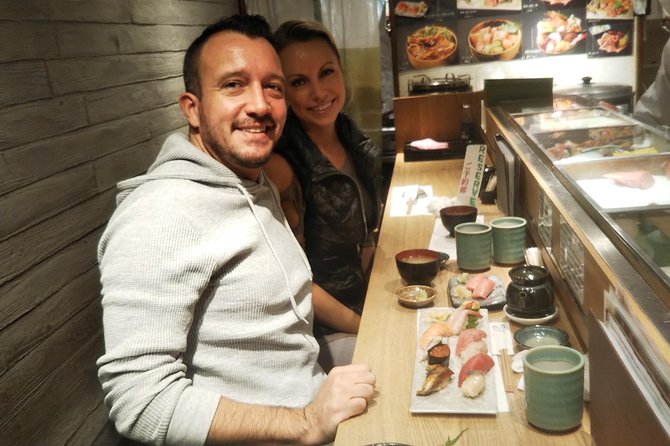
This is a walking tour, and pickup/drop-off is on foot. You meet your guide within a designated area, and the tour ends near the Fish Market Tsukiji Outer Market area.
Between Toyosu and Tsukiji, your guide organizes travel by public transport, but you’ll pay transportation fees separately. For Tokyo navigation, an IC card (like Suica/PASMO) is your best friend. One guide in feedback even helped guests with IC card support when the train system felt intimidating, which tells you how much the guide role is about friction reduction.
Bring comfortable shoes. You’ll be on your feet for a good chunk of the morning, and Tsukiji can be crowded in a way that makes slow walking feel like battling a current.
Toyosu Market: Seeing the Newer Wholesale Side (and Its Limits)
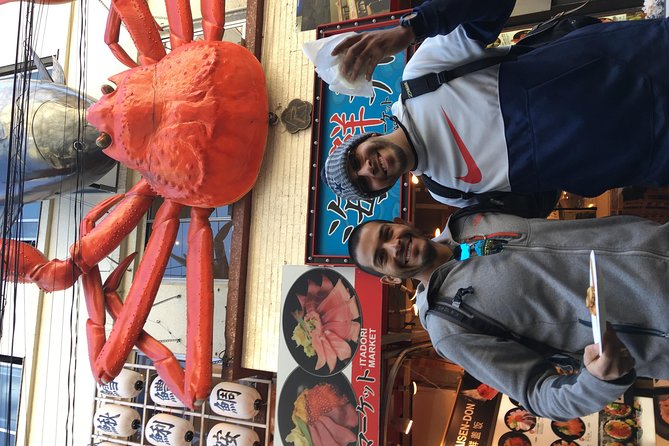
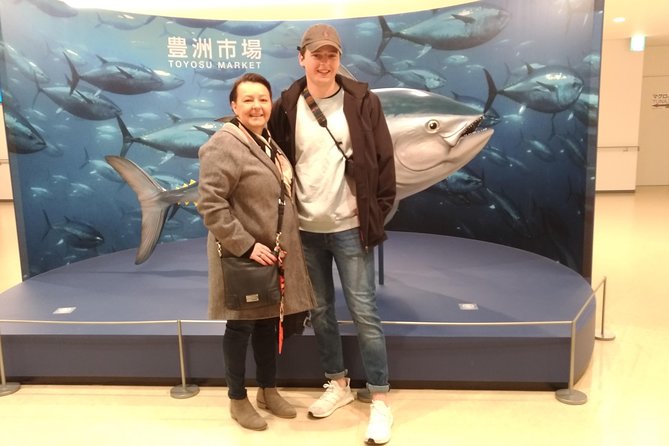
Toyosu opened on October 11, 2018, on a man-made island in Tokyo Bay, and it took over the wholesale function from the older Tsukiji operation. That shift matters. Toyosu tends to feel cleaner and more modern, with a structure built for large-scale buying and moving product.
In practice, what you can see depends on timing and the market’s daily rhythm. One review noted that when they visited around midday, Toyosu stalls weren’t as open as expected. So if your schedule has flexibility, pick an early slot—your chances of seeing active vendors are better.
The tour segment here is about 1 hour, with Toyosu admission not included. That means the guide can still help you plan your time inside, but you should assume you’ll handle entry fees (and any purchases) yourself.
What’s valuable in Toyosu, beyond the “wow, it’s big” factor, is context. You start to understand how the market supply chain works before you hit Tsukiji’s more food-facing streets.
Tsukiji Fish Market: Where the Action Feels Human
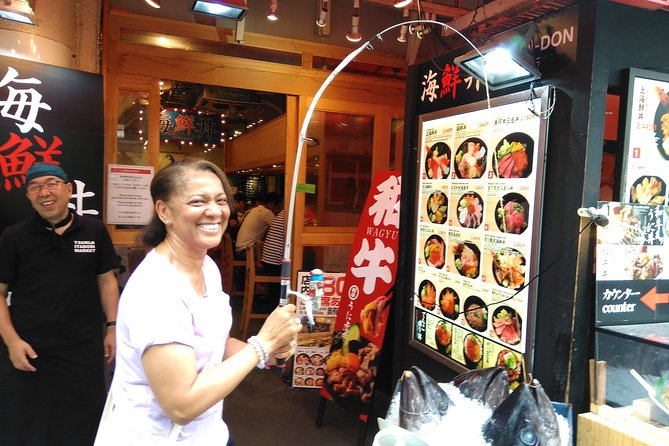
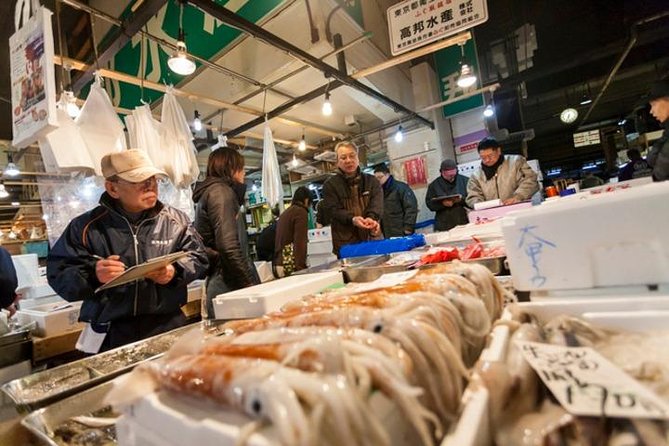
Tsukiji is the portion most people picture when they think of Tokyo seafood. The energy is dense, the smells are real, and the corridors can feel like a seafood maze. That’s exactly why the guide matters.
You meet the guide near Tsukiji Honganji Temple, just outside the main gate area, in the morning. From there, you’ll spend about 2 hours moving through the market lanes and outer areas where you can browse, eat, and buy.
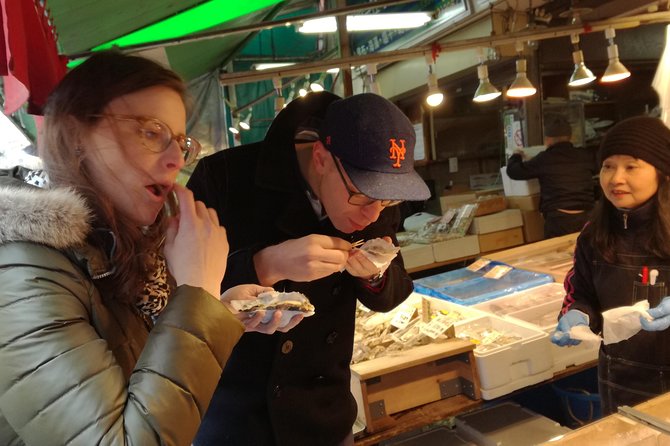
Tsukiji’s big advantage is that it’s more than wholesale. It’s also where seafood becomes breakfast, lunch, and quick bites you can carry and share. Even if you’re not buying anything, watching how vendors interact with shoppers and other businesses gives you a level of understanding you won’t get from just photos.
Admission is listed as free for the Tsukiji portion, which makes it a good value stop inside the overall experience. Your costs mostly become what you choose to taste and take home.
You can also read our reviews of more tours and experiences in Tokyo
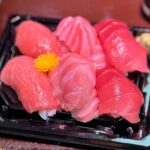


Namiyoke Inari Shrine and Tsukiji Hongwanji Temple Stops
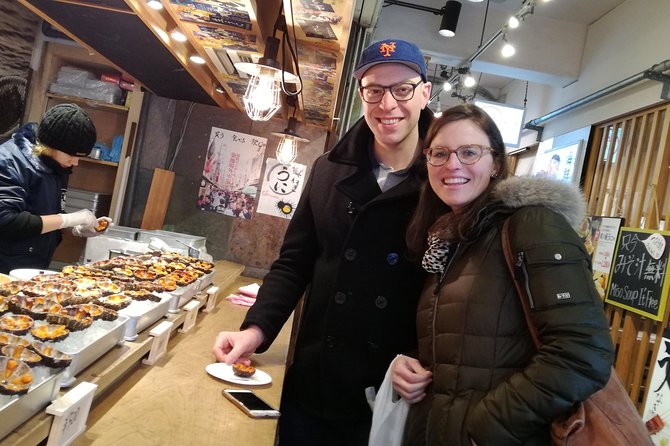
Markets move product, but this area also has spiritual markers. That’s why the itinerary includes two short cultural breaks that don’t feel like filler.
Namiyoke Inari Shrine is tied to the story of the land reclaimed from the sea. The shrine’s purpose is meant to keep away waves from this reclaimed area—an oddly fitting message for a fish market neighborhood where the ocean is always part of the deal.
Then you visit Tsukiji Hongwanji Temple, a Buddhism site with a distinctive construction style. The point here isn’t long worship time. It’s the chance to step out of pure commerce and pick up context for how Japanese cities often layer faith and daily life in the same space.
The tour gives you about 15 minutes for Namiyoke Inari and about 30 minutes for the temple. That pacing works. It’s enough time to feel the change in atmosphere without eating up the market hours.
Food and Shopping Reality: How to Eat Well Without Wasting Time
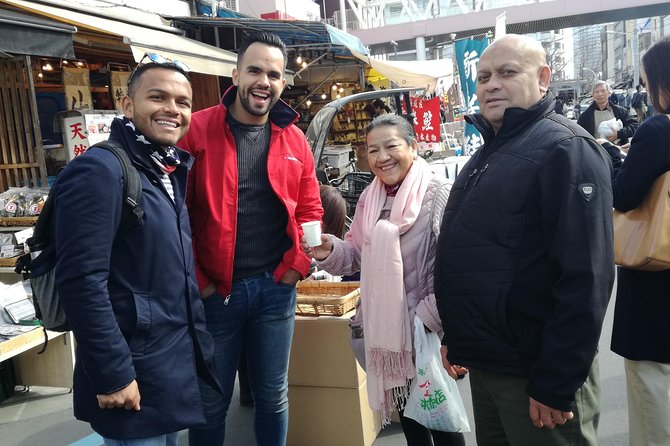
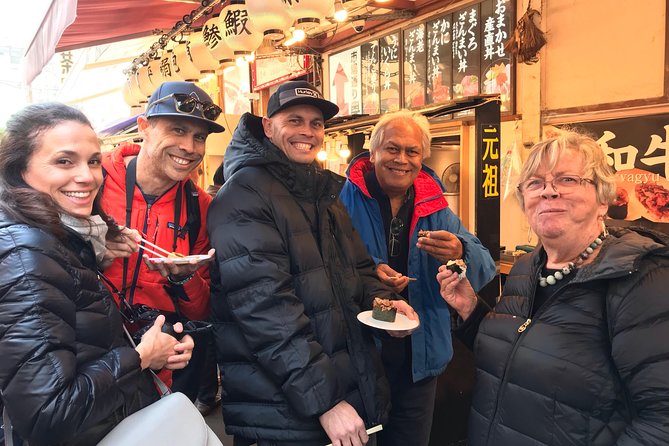
The tour doesn’t include food or drinks in the price. That said, the guide’s job is to help you spend your appetite wisely. In feedback, people talk about tasting items like sea urchin and barbecue eel at Tsukiji, along with other street snacks and sushi options.
Here’s the practical part: you often won’t have unlimited time to sit and plan meals inside the market. So decide early what you want the morning to deliver:
- One real seafood bite you’ll remember
- One more casual snack while walking
- A simple plan for lunch after the market
Some guests reported ending with a food-court style lunch option if they timed the tour well, while others focused on street-level tasting before heading on. Either way, building the lunch plan ahead of time helps.
Cash is another smart move. At least one guide explicitly suggested bringing cash and an appetite, and that lines up with the everyday truth of market stalls where payment options can vary.
Licensed Guide Value: What You Gain Beyond Walking
A licensed guide is more than translation. In feedback, the biggest praise is how guides help people get the experience right:
- Picking the right spots for tastings and buying
- Explaining what you’re seeing, including how auctions work even if you’re not doing the auction tour
- Helping you navigate dense areas so you’re not trapped in the busiest lanes
Guides also show up as flexible. One group mentioned tailoring the tour to interests, and another described how the guide helped them find specific shops and souvenirs after the market browsing.
If you’re the type who wants the “why” behind what you see—how seafood moves, where it turns into consumer food, what places mean—this tour fits that style of travel. You’re not just collecting items. You’re collecting understanding.
Who This Tour Fits Best (and Who Should Choose a Different Option)
This tour is a strong match if:
- You want both Toyosu and Tsukiji without spending your whole morning figuring out logistics
- You care about food culture and want help choosing stalls
- You like private guiding with your own pace
- You enjoy short cultural stops that break up the market intensity
It’s less ideal if your top priority is the tuna auction itself. This tour explicitly isn’t the tuna-auction version, and it’s worth booking the auction-focused alternative if that’s your must-see moment. (In some feedback, people noted the auction starts very early, so it’s a separate planning category.)
Also, if you hate walking or crowds, Tsukiji may feel intense. You can reduce stress by trusting the guide’s route and wearing shoes that don’t punish your feet after 60–90 minutes of market pacing.
Quick Tips to Make Your Morning Smoother
- Wear comfortable shoes; Tsukiji can be crowded and uneven
- Bring cash for stall purchases when cards aren’t convenient
- Use an IC card for transit so the public transport part stays easy
- Have an idea of what you want to eat before you arrive, so you’re not deciding under pressure
- Don’t force the auction fantasy—if that’s your goal, pick the right auction tour
Should You Book This Tokyo Markets Tour?
I think you should book it if you want the best first-visit structure: Toyosu for the modern wholesale story, Tsukiji for the classic food market experience, plus two short stops that explain why the area has more depth than just fish.
It’s also a good value if you’re traveling in a way that benefits from a private guide. That extra cost compared to solo DIY buys you speed, better choices, and less time spinning your wheels.
Skip it only if your entire mission is the early tuna auction floor. In that case, you’ll be happier with the dedicated auction tour that’s designed around that moment.
If you’re here for breakfast and curiosity—and you want someone to help you turn Tokyo seafood chaos into a clear, tasty plan—this is one of the smarter ways to do it.
FAQ
How long is the Toyosu and Tsukiji markets tour?
The tour lasts about 4 hours.
Is this a private tour?
Yes. It’s a private tour/activity, so only your group participates.
Where does the tour start and end?
The start point is listed at Toyosu Market (6-chōme-6-1 Toyosu, Koto City, Tokyo), and the tour ends near the Fish Market Tsukiji Outer Market area.
Is the tuna auction included?
No. This tour is not the tuna auction tour. A separate tuna auction-focused option is mentioned.
What’s included in the price, and what costs extra?
Included: a licensed local English-speaking guide and on-foot pickup/drop-off (meet within a designated area). Extra costs: transportation fees, entrance fees, food and drink, and other personal expenses. Toyosu specifically notes an admission ticket not included, while Tsukiji admission is listed as free.
Do I need tickets or a mobile ticket?
You’ll have a mobile ticket, and confirmation is received at the time of booking.
Can I cancel for a full refund?
Yes. You can cancel up to 24 hours in advance for a full refund.