REVIEW · TOKYO
the SUMO show with Dinner
Book on Viator →Operated by Beauty of Japan · Bookable on Viator
Sumo dinner feels like a backstage pass. This evening setup in Ryogoku pairs an English-language retired-wrestler meet-and-greet with a live show you can’t really replicate during a normal sightseeing day. I love the mix of performance and personal interaction, and I also love that the meal is built around what sumo wrestlers traditionally eat: sukiyaki plus chanko-style soup.
One thing to plan for: the program is geared toward audience participation, so if you want a long, uninterrupted “watch only” match format, the best moments will come in short bursts, with a good chunk of time spent at your table.
In This Review
- Key things that make this sumo dinner worth your night
- Ryogoku at 7 pm: why this tour fits neatly into Tokyo days
- Meeting point, seating, and how to plan your arrival
- Dinner isn’t an add-on: sukiyaki and chanko style soup on the table
- The show: how retired wrestlers teach sumo in plain English
- Trying sumo yourself: costumes, basic bouts, and what to expect
- What’s the vibe: family-friendly fun with real sport details
- Value check: is $118.89 a fair deal?
- Who should book this sumo dinner (and who might want to skip)
- Quick decision help: should you book it?
- FAQ
- FAQ
- What time does the sumo show and dinner start, and how long is it?
- Where is the meeting point?
- What dinner is included with the show?
- Is the performance explained in English?
- Do I get to try sumo myself, and is there a costume?
- Can they accommodate dietary restrictions or allergies?
Key things that make this sumo dinner worth your night
- Retired wrestlers step in for the explanations and demonstrations, not actors in costume
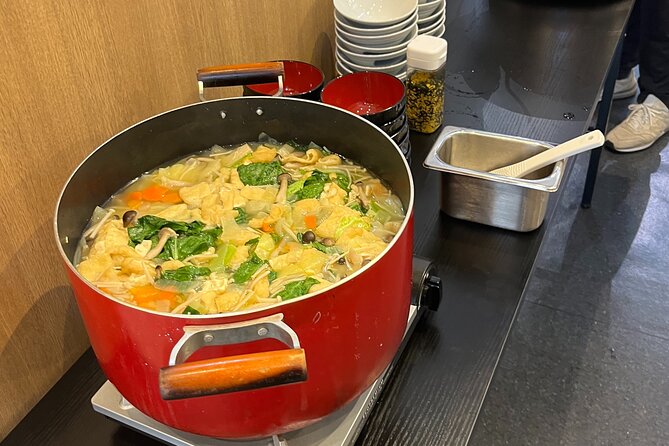
- Sukiyaki + chanko-style soup (with rice and ice cream) turns dinner into part of the show
- English explanations cover history, training, manners, and even techniques that are prohibited in sumo
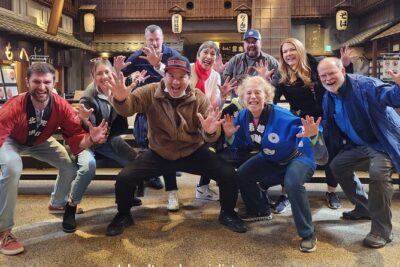
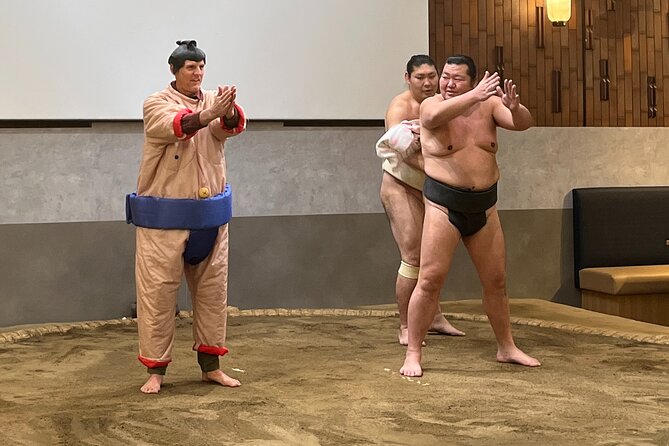
- You can try playing sumo with a costume prepared for you, plus souvenir photo time
- Small program feel with a max size of 60 and table seating that keeps it social
Ryogoku at 7 pm: why this tour fits neatly into Tokyo days
Tokyo nights can get complicated fast. You have dinner reservations, transit time, and the usual “where do we go next?” shuffle. This experience is built to solve that. It starts at 7:00 pm and runs about 1 hour 30 minutes, ending back where you started. That timing makes it a clean capstone to a day around central Tokyo.
The location also matters. You’ll be in the Ryogoku area, the Tokyo home base for sumo culture. It’s not just a random venue where someone is performing a theme. The whole vibe is aimed at giving you context: how wrestlers live, train, and perform, and what the sport looks like up close.
For the price of $118.89 per person, you’re paying for more than a show ticket. You’re getting an English explanation, live demonstrations by former pros, the chance to try sumo yourself, and a full sumo-style dinner. If you’re already thinking about adding a paid activity anyway, this bundles a lot into one stop—so you’re not juggling multiple reservations on a single evening.
You can also read our reviews of more tours and experiences in Tokyo

Meeting point, seating, and how to plan your arrival
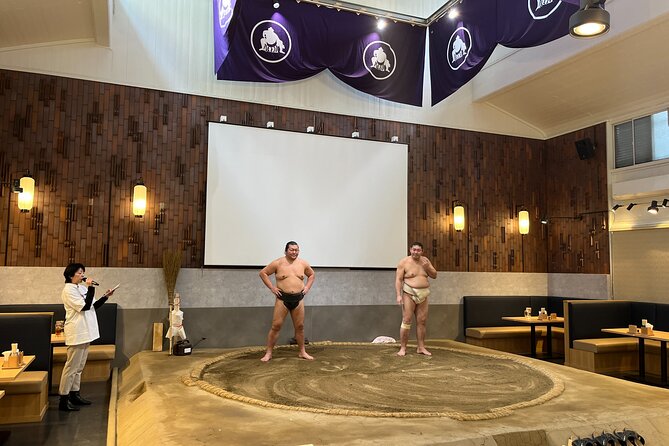
You meet at Yokozuna Tonkatsu / Sumo lunch, at 3-chōme-1-11 Tatekawa, Sumida City, Tokyo 130-0023. The area is described as near public transportation, which is a big win in a city where taxi costs can add up.
Here’s the practical part: seating works by reservation order, and arriving early does not automatically guarantee a better view. You might also be asked to share a table with another group. That doesn’t mean your experience is worse—it just means the event is designed to move efficiently with limited space.
If you want the least stress, aim to be there a bit early so you can get seated, settle your costume-related questions, and avoid rushing right before the show begins. The program is short, so starting calm helps you enjoy it.
Dinner isn’t an add-on: sukiyaki and chanko style soup on the table
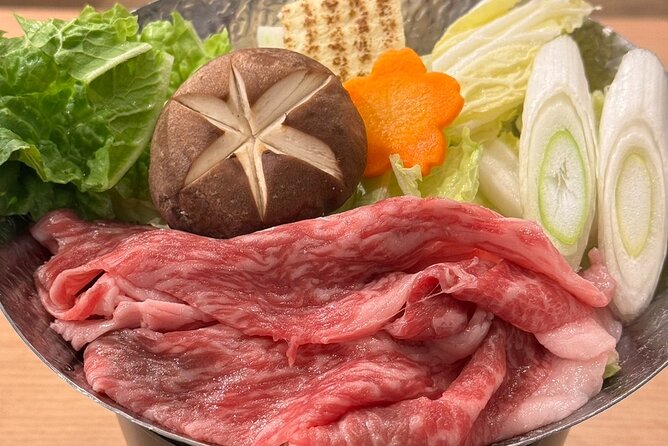
The meal is not just a quiet pre-show snack. You’ll eat sukiyaki and chanko-style soup, and it comes with rice and ice cream afterward. That matters because in sumo culture, food and training are connected. You’re not only being entertained; you’re being taught while you eat.
Sukiyaki is hearty and familiar enough that most people can enjoy it even if you’re not a “Japanese hot pot” expert. The chanko-style soup is the more “sumo-world” element. In this format, you’re getting both, plus rice to round it out.
One small note from the written experiences: food is described as fresh and filling by multiple people, and the ice cream gets called out as a nice finish. Drinks aren’t included unless specified, so if you want alcohol or soft drinks, plan to purchase them separately.
Dietary needs are taken seriously. You’re asked to indicate dietary restrictions or allergies when you book, and requests received close to the event may not be accommodated. If you’re vegetarian or have allergies, put it in writing early so the team has time to plan.
The show: how retired wrestlers teach sumo in plain English
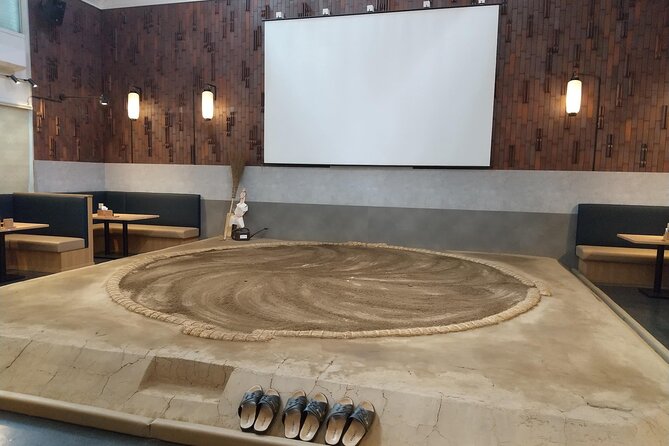
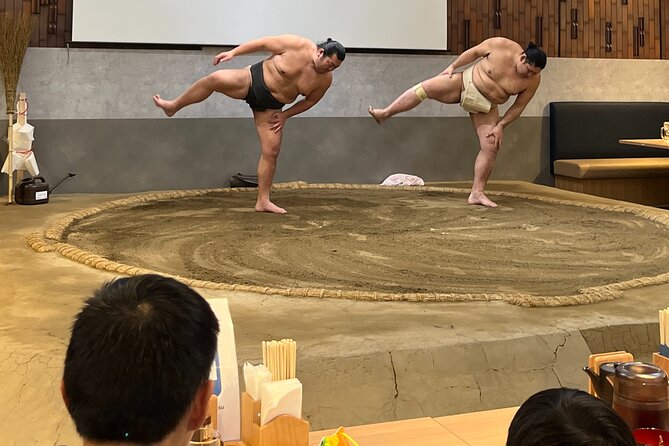
This is where the experience becomes more than dinner entertainment. You’ll hear English explanations covering sumo history, manner, and training—plus a look at what a “real match” looks like inside the demonstration.
The format is built around a few clear segments:
- An explanation of fundamental actions by two wrestlers (retired professionals)
- Technique talk, including prohibited techniques
- Real 3 matches as part of the show
- Audience participation opportunities, including trying sumo yourself
- Souvenir photos with the wrestlers
The English explanations are key for value. If you’ve ever watched sumo on TV with no context, you know how much gets lost. Here, the sport’s rhythm is explained alongside what you’re seeing, which helps you understand why certain moves matter and what the rules are doing.
Also, these demonstrations are not sterile. Multiple written notes describe a funny, lively tone, with the wrestlers and staff keeping things moving and welcoming. The result is that you’re learning without feeling like you’re stuck in a lecture.
Trying sumo yourself: costumes, basic bouts, and what to expect
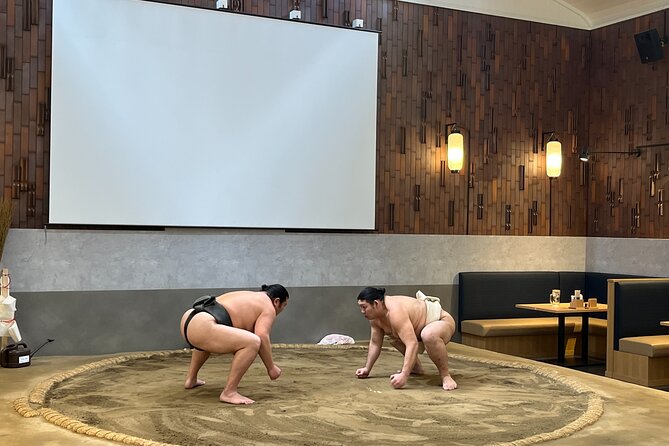
One of the most memorable parts is that this isn’t just a sit-and-watch show. You get a chance to play sumo with the wrestlers—specifically described as a chance to try with retired wrestlers. That’s a big deal, because it’s the closest thing to “being in the ring” you’re likely to get without training for months.
A costume is prepared for guests, so you’re not expected to bring sumo gear. You should just follow staff directions and wear what you’re comfortable moving in. The basic idea is fun and participatory rather than technical sparring.
Some written experiences mention kids doing better than adults in the playful bout format. That fits the spirit: it’s about getting the feel of sumo basics—posture, balance, and that moment when strength meets technique—more than about athletic performance.
You can also read our reviews of more tours and experiences in Tokyo

What’s the vibe: family-friendly fun with real sport details
This is a rare kind of Tokyo activity: it’s structured enough to feel authentic, but light enough to work as a genuine night out. It’s described as ideal for families, and you’ll see a wide age range in the written notes, including kids around elementary school age.
That balance is why it fits different travel styles:
- If you like culture but don’t want a stuffy museum evening, this gives you lively context.
- If you love hands-on experiences, the sumo try-on and audience moments are the point.
- If you’re traveling with mixed ages, the mix of explanations, comedy-like moments, and photos keeps people engaged.
At the same time, you should know the trade-off: because the show includes participation, the pace won’t feel like a full tournament match. The “wow” is in the combination—wrestlers teaching you, then you stepping into the sillier parts.
Value check: is $118.89 a fair deal?
Price in Tokyo can be a mood killer. Here, the value comes from bundling several things that normally cost separate time or separate tickets.
You’re getting:
- Meet and learn from retired wrestlers
- A structured sumo performance with matches and technique explanations
- A full sumo-style dinner (sukiyaki + chanko-style soup, plus rice and ice cream)
- Souvenir photos with the wrestlers
- Mobile ticket convenience
If you were to build your own plan, you’d likely pay for a dinner plus a paid show plus something “experiential.” This one-ticket format reduces the coordination headache and gives you a coherent story: sumo culture, then sumo food, then sumo action.
For the price, it’s best viewed as a “one-night cultural experience,” not a bargain meal. If that’s how you’re shopping, it makes sense.
Who should book this sumo dinner (and who might want to skip)
Book it if you want a Tokyo activity that mixes sport, humor, and food in one block of time. It’s especially good for:
- Families who want an evening that doesn’t require long transit or complex reservation juggling
- People who like hands-on culture
- Anyone who’s curious about sumo beyond the basics
You might hesitate if you want:
- A long, quiet “watch only” match with no participation
- A dinner that’s the main event rather than part of a show
Quick decision help: should you book it?
Yes, I’d book it if you can make the 7:00 pm start and you’re open to audience participation. The biggest payoff is the combination of retired wrestlers + English explanations + sumo-style dinner, all in about 90 minutes. You’re walking away with a clearer picture of sumo culture than you’d get from simply watching a tournament on TV.
If you’re strict about staying in control of how much you participate, you can still enjoy the explanation and demonstrations. Just know the program is designed to pull people in.
FAQ
FAQ
What time does the sumo show and dinner start, and how long is it?
It starts at 7:00 pm and runs about 1 hour 30 minutes.
Where is the meeting point?
The meeting point is Yokozuna Tonkatsu / Sumo lunch, 3-chōme-1-11 Tatekawa, Sumida City, Tokyo 130-0023.
What dinner is included with the show?
Dinner includes sukiyaki and chanko-style soup, and it also comes with rice and ice cream.
Is the performance explained in English?
Yes. The show includes explanations in English about sumo history, manners, training, and what you’re seeing during the demonstration matches.
Do I get to try sumo myself, and is there a costume?
Yes, you can try playing sumo with the retired wrestlers, and costumes are prepared for participants. Follow staff directions during the activity.
Can they accommodate dietary restrictions or allergies?
You’re asked to provide dietary restrictions or allergies in the special notes when you book. Requests need to be submitted far enough in advance, since last-minute changes may not be accommodated.