REVIEW · TOKYO
Asakusa’s Historic Treasures
Book on Viator →Operated by Smiley Walk · Bookable on Viator
Asakusa sings, eats, and time-travels. That is exactly the vibe here: I love how Miley turns Asakusa’s timeline into a story you can walk through, and I also like the fact that you do more than look. You get hands-on monja and a karaoke tea-time session with drinks, so the tour feels like a real slice of Tokyo life. The only drawback to plan for is that this experience needs good weather, so if skies don’t cooperate, you may have to switch dates.
Tokyo can be confusing at first, so I appreciate this tour’s structure. It starts at a clear landmark by Asakusa Azumabashi at 2:00 pm, runs about four hours, and keeps group size small (up to 9), which means you get time to ask questions instead of just following a line. You’ll also use a mobile ticket, which is simple when you’re hopping between neighborhoods.
One more reason I’d pick this: the guide’s Tokyo experience goes beyond one zone. The concept is built around contrasts in Tokyo, and Miley’s background includes work around both Akihabara and Asakusa, so you get practical local context that you usually don’t hear from standard guidebook reading.
In This Review
- Key highlights that make this Asakusa tour worth your afternoon
- Starting at 2:00 pm near Asakusa Azumabashi (and why that matters)
- Asakusa time slip: walking through eras from 628 to 2012
- Temples vs shrines: what to look for and why the difference matters
- Buildings that survived: seeing the 1649–1945 layer of Tokyo
- Asakusa Yokocho (20 minutes): festival-style streets without the full time sink
- Karaoke tea time with a free drink bar: the Tokyo move that feels surprisingly natural
- Monja experience (1 hour): the hands-on meal you will remember
- Ending near Ninja House: a built-in follow-up if you want it
- The real value: $164.72 for a guided, ticket-free-feeling mix of history plus activities
- Who this tour suits best (and who might want a different plan)
- A few practical tips before you go
- Should you book Asakusa’s Historic Treasures with Smiley Walk?
- FAQ
- How long is the Asakusa experience?
- What time does the tour start?
- Where does the tour meet and where does it end?
- Is this tour a small group?
- What activities are included?
- Do I need a mobile ticket?
- What happens if the weather is bad?
Key highlights that make this Asakusa tour worth your afternoon
- Temple-and-shrine contrast: you learn what to look for, not just where to stand for photos
- A chronological Asakusa time slip: you go through eras spanning 628 to 2012
- War-era survival sights: the walk includes buildings that endured the 1649–1945 period
- Asakusa Yokocho’s quick photo stop: festival-style streets in about 20 minutes
- Karaoke tea time with a free drink bar: high-quality singing time that still feels relaxed
- Monja hands-on making: you get taught how to make it, plus an included drink
Starting at 2:00 pm near Asakusa Azumabashi (and why that matters)
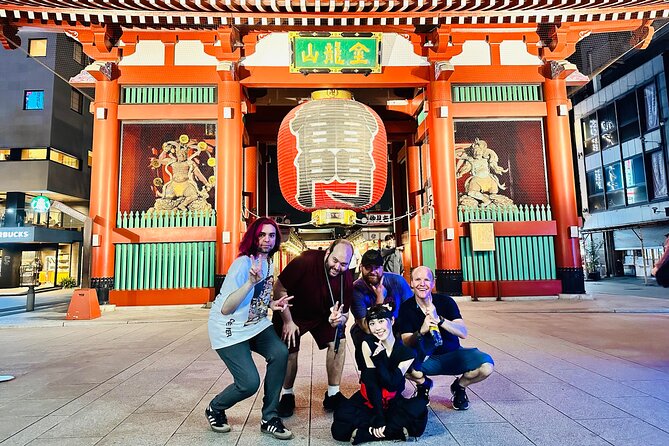
This tour begins at 2:00 pm near Burger King Asakusa Azumabashi, at Cross Bil Royal Palace (Kaminarimon, Taito City). The end point is also in the Asakusa area, near Ninja House (2-chōme-4-3 Asakusa). That setup is useful because you’re not crisscrossing Tokyo for hours—you’re staying in one neighborhood zone and letting your feet do the exploring.
Four hours is a sweet spot. It is long enough to cover history and activities, but short enough that you still have time afterward to continue your own day without feeling trapped. With a small group (max 9), you avoid the classic problem of big walking tours where you can’t hear the guide.
If you’re juggling trains and transfers in Tokyo, I like the mobile ticket approach. It removes extra paper steps and makes it easier to get moving fast once you arrive at the meeting spot.
You can also read our reviews of more historical tours in Tokyo


Asakusa time slip: walking through eras from 628 to 2012
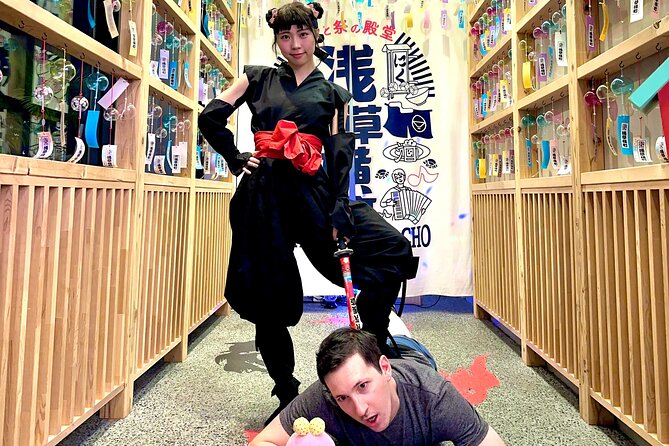
The heart of the experience is a guided history walk that moves in chronological order. You start with an era stretch that runs from 628 to 2012, and the guide frames it like a time slip journey—meaning you’re not just collecting facts. You’re learning how Asakusa’s story keeps changing while still holding onto recognizable pieces.
This style of storytelling works because it gives you a mental map. Instead of Asakusa feeling like a pile of old streets and lanterns, you begin to understand why certain places look the way they do and how the neighborhood’s identity formed over time.
I also like that the tour doesn’t treat history as a museum thing. When you pair dates with street-level sights, the area starts making sense the way a good neighborhood does: layer by layer.
Temples vs shrines: what to look for and why the difference matters
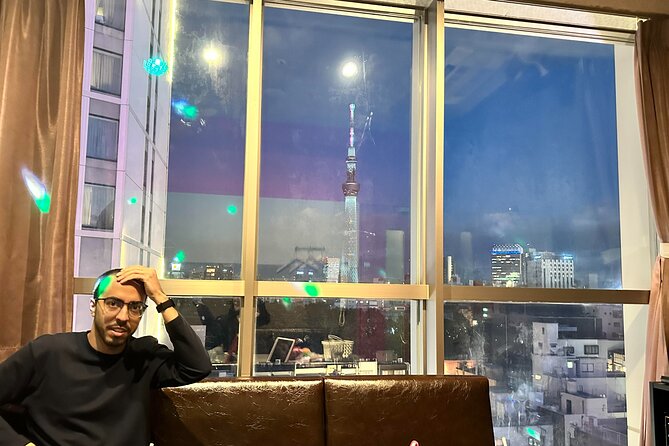
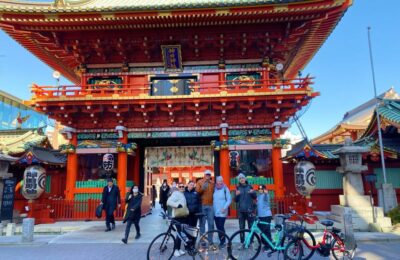
A big teaching moment here is learning the difference between temples and shrines. You see both as you go, and the guide helps you notice what separates their roles and visual cues.
This matters because in Tokyo, both kinds of sites are common, but it is easy to gloss over the differences when you’re rushing for photos. By the time you finish this part of the tour, you’ll have a simple way to tell them apart and understand why locals treat them differently.
A practical tip: as you walk, look at how the guide talks about purpose and placement, not just shapes. That is usually what sticks, and it will help you keep decoding other religious sites you pass later.
Buildings that survived: seeing the 1649–1945 layer of Tokyo
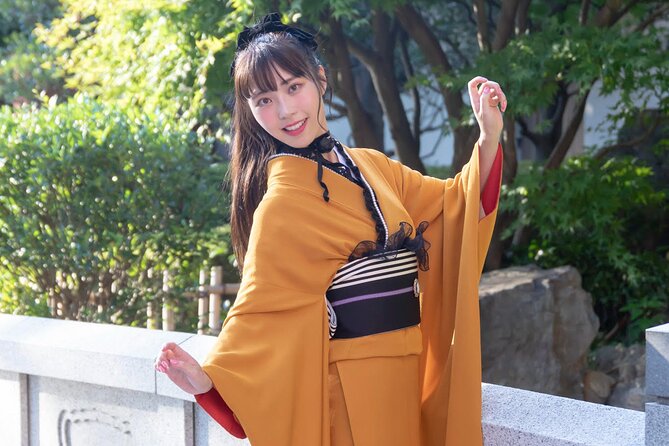
Another specific historical thread in the walk connects to the 1649–1945 timeframe, especially the idea of buildings that survived the war. This is where Asakusa shifts from charming-old-street energy to something more grounded.
You are not just hearing that Tokyo changed; you’re learning to notice evidence of resilience right where you’re standing. For me, that is what makes a history tour feel real instead of abstract. When you can connect a timeline to actual built spaces, the neighborhood stops being scenery and starts being a living record.
If you like history but you find dry lectures boring, this segment is likely a good fit. It is story-driven, focused on what you can see, and it builds your confidence to explore independently afterward.
Asakusa Yokocho (20 minutes): festival-style streets without the full time sink
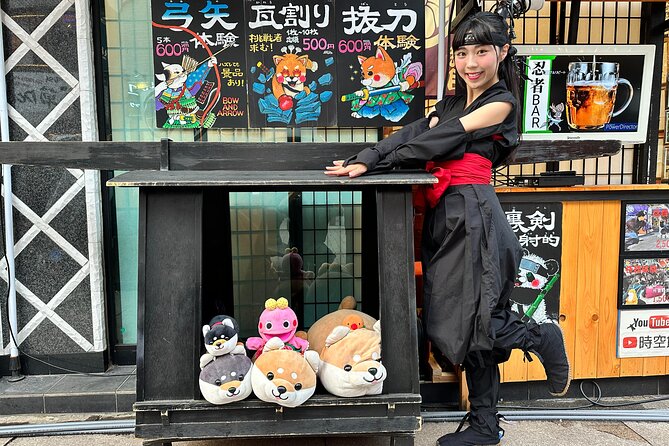
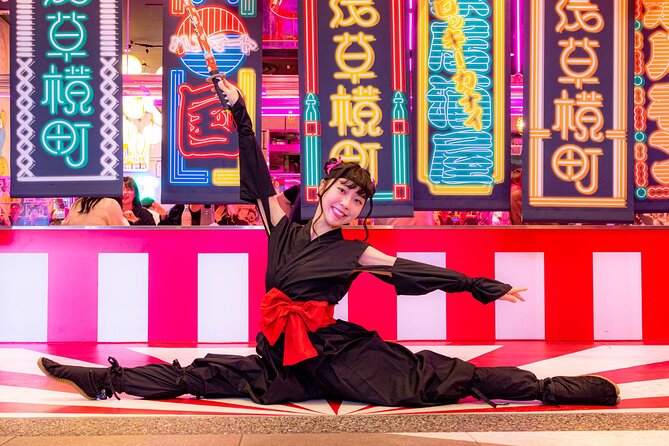
Next up is Asakusa Yokocho, a stop designed for quick flavor. You get about 20 minutes here, and it is framed as a photogenic area with a theme-park feel based on Japanese festivals.
This is a smart pacing choice. You get enough time for photos and a short wander, but you do not burn the entire tour getting stuck in a single pocket of shops. For people who worry they will spend hours shopping without learning anything new, this stop gives you visuals while still keeping the history and food-and-song momentum going.
If you want souvenirs, the timing helps: you can browse without turning the tour into a retail marathon.






Karaoke tea time with a free drink bar: the Tokyo move that feels surprisingly natural
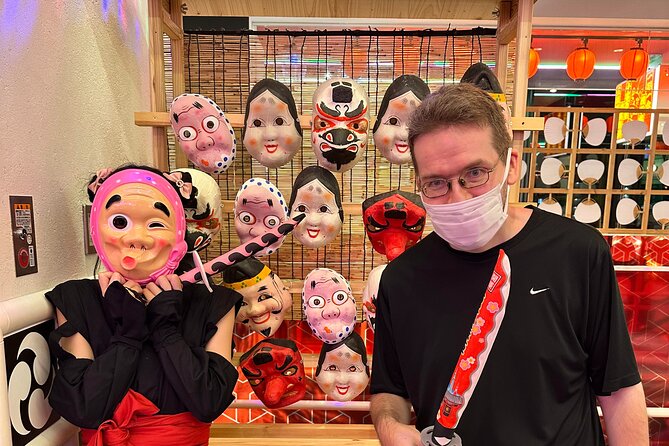
Then comes one of the most fun parts: a karaoke experience that doubles as tea time. The plan calls it a Japan-connection moment—karaoke’s roots—and the session includes a free drink bar.
What I like about this is the social logic. In Tokyo, food, songs, and small rituals often blend together, and karaoke fits that pattern. Instead of treating karaoke like a gimmick, the guide frames it as part of how people relax and connect.
Also, because it is guided, you’re not left wondering what to do or how to join in. You can focus on the experience. Even if you are not a big karaoke person, you’ll still get the cultural feel: the room energy, the timing, and how karaoke plays into casual enjoyment.
Practical note: this part is best if you’re comfortable sharing space with your group. With a max of 9, it is easier to relax and not feel like you’re performing in a crowd.
Monja experience (1 hour): the hands-on meal you will remember
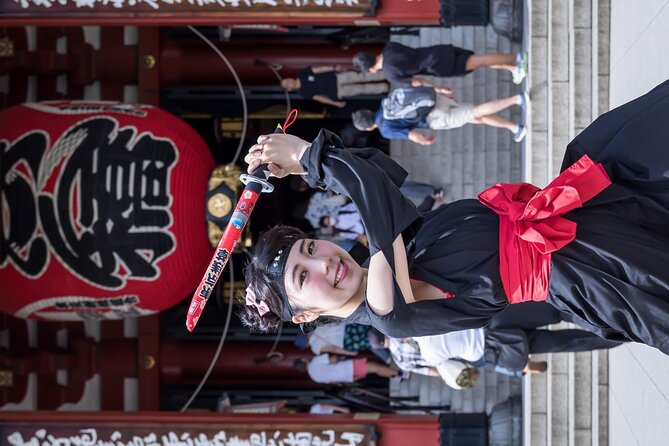
Now for the food you came for: monja. This stop is listed as a full 1-hour experience where the guide teaches you how to make it. You also get a meal and one drink included.
Monja has a reputation for looking odd. The tour’s description leans into that with humor—something like it looks a bit strange at first glance—but the point is that it tastes great once you understand it. I appreciate tours that don’t pretend everyone will love the first bite. They set expectations, then help you cook and eat in a way that makes the dish more approachable.
Hands-on matters here. Watching and tasting is fun, but learning the basic steps changes how you experience the food. You stop treating it like a random street snack and start understanding the texture and cooking feel.
If you’re picky, keep it simple: monja is an interactive dish, so you’ll likely have some control over what goes into your portion. And even if you do not love everything, you’ll have the story of learning it with the group.
Ending near Ninja House: a built-in follow-up if you want it
The tour wraps up in front of Ninja House, with an option to continue with the guide over a drink. That ending is actually useful, because you are not stranded at a random corner. You finish near something recognizable and easy to step into (or walk past) depending on your mood.
This is the kind of ending that helps you keep your evening flexible. You can head out to dinner nearby, grab a drink where you feel like it, or just regroup and map your next step.
The real value: $164.72 for a guided, ticket-free-feeling mix of history plus activities
At $164.72 per person for about four hours, you should ask: what’s included, and does it justify the spend?
Here is how it stacks up based on the structure you get:
- A guided history walk with specific teaching moments (temple vs shrine, time slip timeline, and war-era survival context).
- A quick Asakusa Yokocho stop for photos.
- Karaoke tea time with a free drink bar.
- A monja making session with an included drink.
Some parts are marked with free admission tickets on the plan, which is good news for value. More importantly, the cost feels less like you are paying just for entry fees and more like you are paying for the guide-led flow and for the included experiences that would cost you time and coordination on your own.
If you like doing at least one “active” thing on a Tokyo day—song and food count as active—this package style often makes sense. You’re getting variety without having to research three separate bookings.
Who this tour suits best (and who might want a different plan)
This tour is best for you if you want:
- A small-group experience where you can talk and ask questions.
- A mix of history and fun, not just sightseeing.
- Interactive activities: karaoke and monja making.
- A guide who connects what you see to how Tokyo neighborhoods developed.
It might be less ideal if:
- You hate walking for four hours.
- You only want quiet, self-paced temple touring.
- Your schedule is inflexible around weather, since the experience requires good conditions.
Since it runs in the afternoon, it’s also a good match for travelers who have mornings already planned and want one “structured highlight” to close out the day.
A few practical tips before you go
- Wear comfortable shoes. The tour is designed to be experienced on foot, and you’ll be moving between multiple stops.
- Bring cash only if you like having it. The plan emphasizes included experiences, but extra spending might happen around Yokocho or near Ninja House.
- Keep your expectations balanced: you will learn history, but you’re also here to sing and cook. That mix is the point.
And if you’re curious about local Tokyo details, lean into the guide. The fact that Miley has worked around both Akihabara and Asakusa suggests you’ll get extra framing for how Tokyo’s different “moods” connect across neighborhoods.
Should you book Asakusa’s Historic Treasures with Smiley Walk?
I’d book it if you want Asakusa to feel like a real evening of Tokyo, not just a photo stop. The strongest reasons are the guide-led history lessons (temples vs shrines and the timeline approach), plus the guaranteed fun: karaoke with drinks and a hands-on monja lesson.
Choose another option if you prefer fully self-guided sightseeing or if your travel dates are tight for weather-dependent plans. For everyone else, this is a smart, high-energy way to see Asakusa with context—and to leave with stories, not just pictures.
FAQ
How long is the Asakusa experience?
It runs for about 4 hours.
What time does the tour start?
The start time is 2:00 pm.
Where does the tour meet and where does it end?
It starts at Burger King Asakusa Azumabashi (Cross Bil Royal Palace, Kaminarimon, Taito City) and ends at 2-chōme-4-3 Asakusa, near Ninja House.
Is this tour a small group?
Yes. It has a maximum of 9 travelers.
What activities are included?
You’ll visit Asakusa historical sights, stop by Asakusa Yokocho, do karaoke tea time with a free drink bar, and have a hands-on monja experience. Monja includes a meal and one drink.
Do I need a mobile ticket?
Yes, this experience uses a mobile ticket.
What happens if the weather is bad?
This experience requires good weather. If it’s canceled due to poor weather, you’ll be offered a different date or a full refund.