REVIEW · TOKYO
Private Tokyo Food Tour – A Journey Through Time Through Food
Book on Viator →Operated by Hello! Tokyo Tours · Bookable on Viator
Tokyo tastes different when you follow a timeline. This private tour strings together 14 tastings across three districts, with you learning what shapes Japanese flavor from Edo-era basics to today’s fusion desserts. I especially like the hands-on food lesson around dashi (the stock behind so many dishes) and the way the stops include old-school snack makers as well as modern Tokyo flavor experiments.
One heads-up: transport isn’t fully covered. You’ll take two short subway rides that you pay for yourself, even though pickup is offered.
In This Review
- Key Things I’d Pay Attention To Before You Go
- A Past-to-Present-to-Future Tokyo Food Route
- The Value Math: Private, 14 Tastings, and One Included Drink
- Nihonbashi: Where Dashi and Edo-Era Snacks Set the Tone
- Fukutoku Shrine: A 10-Minute Reset Between Food Eras
- Ginza and Yurakucho: Postwar Tokyo Through Salarymen Bites
- Tokyo International Forum and Kitte Marunouchi: Big-Architecture Intervals
- Tokyo Station Classics: Tamagoyaki and Fruits Sando for the Commute Mindset
- Akihabara: Future-Food Desserts and Fusion Twists
- How the Ingredient Lessons Actually Help You Eat Better
- Picking the Right Reader Profile for This Tour
- What It Feels Like to Be With the Guide
- Practical Pacing: 5.5 Hours, Multiple Stops, and a Full-Stomach Plan
- Should You Book This Tokyo Private Food Tour?
- FAQ
- Is this a private tour?
- How long is the tour?
- What’s included in the tastings and lunch?
- Is pickup included?
- Do I pay for transportation during the tour?
- What is the cancellation policy?
Key Things I’d Pay Attention To Before You Go
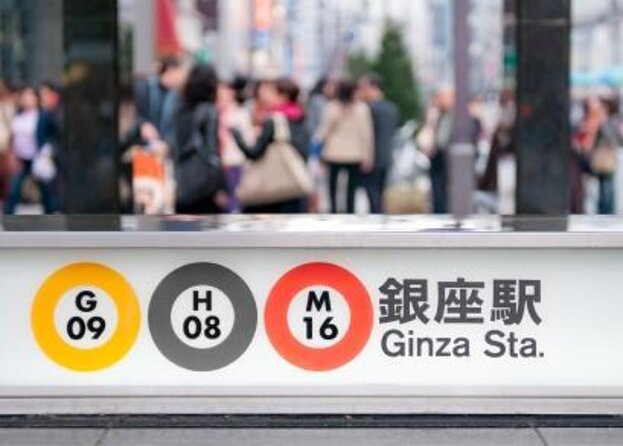
- 14 tastings paced across Nihonbashi, Ginza/Yurakucho, and Akihabara so you keep moving but still snack enough
- Dashi, katsuobushi, and kombu taught as core ingredients, not just flavor trivia
- Century-old shops in Nihonbashi that go back to the Edo era for classic snacks
- Salaryman-era food culture through izakaya-style bites and noodle stall stops under/near the tracks
- Tokyo Station-area commute classics like tamagoyaki and fruits sando
- Akihabara desserts with fusion twists tied to the neighborhood’s tech and subculture vibe
A Past-to-Present-to-Future Tokyo Food Route
This is the kind of Tokyo food tour that makes the city feel logical. You don’t just hop from place to place taking photos. You get a story line: what Japanese food was built on in the past, how it changed with postwar life, and where it’s heading as new tech and subcultures shape what people make and crave.
What makes it work well is the mix of food education and real eating. In Nihonbashi, you start with ingredients that underpin Japanese cooking. Then you move into districts that reflect Japan’s industrial and urban shifts, and end with a future-minded flavor stop in Akihabara.
It’s also private, meaning it’s designed around your pace and your group’s interests. And with around 5 hours 30 minutes, you’re not stuck in “half-tour, half-waiting” mode. You’ll snack steadily, with clear time blocks per area.
You can also read our reviews of more food & drink experiences in Tokyo


The Value Math: Private, 14 Tastings, and One Included Drink
At $327.75 per person, you’re paying for a private guide experience plus a lot of food included. The “value” here isn’t just quantity. It’s that you’re getting a structured food education plus multiple distinct food cultures inside Tokyo—classic Edo-linked ingredients, postwar working-life bites, and modern fusion desserts.
Also, several costs are handled for you: the tour includes admission tickets for the listed stops (marked free). Food is the big win: you’re set up for 14 tastings plus lunch-style items, and you even get an alcoholic drink included—lemon sour, which is a Japanese classic.
The trade-off is that you’ll still pay for two short subway rides during the tour. So if you’re budgeting tightly, factor in a bit extra for transit.
Nihonbashi: Where Dashi and Edo-Era Snacks Set the Tone
Nihonbashi is a great place to start because it’s not just scenic—it’s food-infrastructure. The tour begins here with an ingredients lesson that you can actually taste.
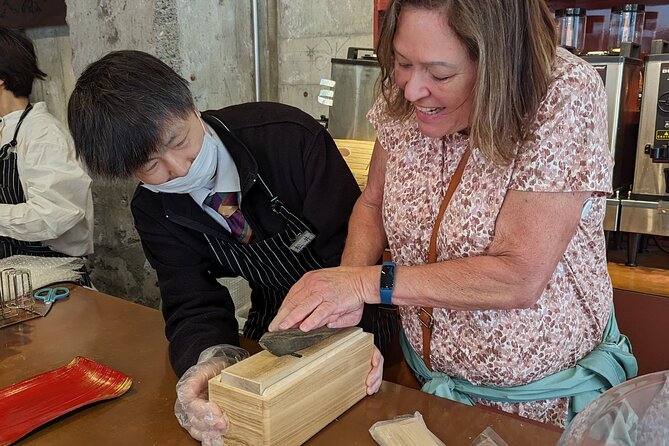
You’ll focus on what drives so much Japanese flavor: dashi (the stock base) and the key components behind it, including katsuobushi and kelp. It’s a smart approach for first-timers. Instead of learning cooking terms that don’t stick, you get the foundation while you’re surrounded by food stalls and shops that still operate on old patterns.
Then comes the snack lineup—classic items you may have heard of, but here you taste them in a way that makes sense. Depending on the exact selection, you’re looking at:
- Satsuma-age (fried fish cake)
- Amazake (a fermented rice drink)
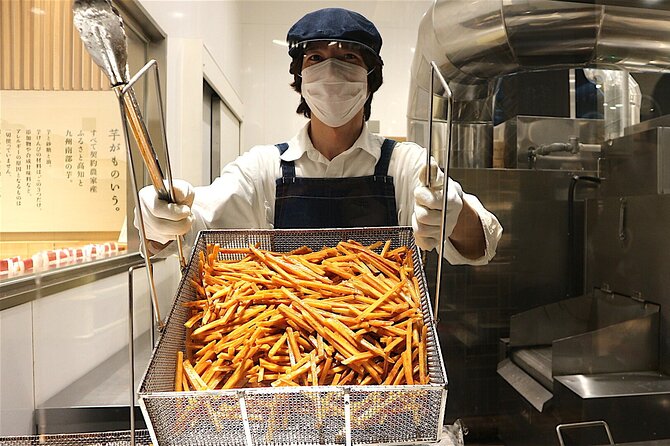
- Imo kenpi (sweet potato chips)
- Daifuku (glutinous rice mochi with sweet filling) or dorayaki
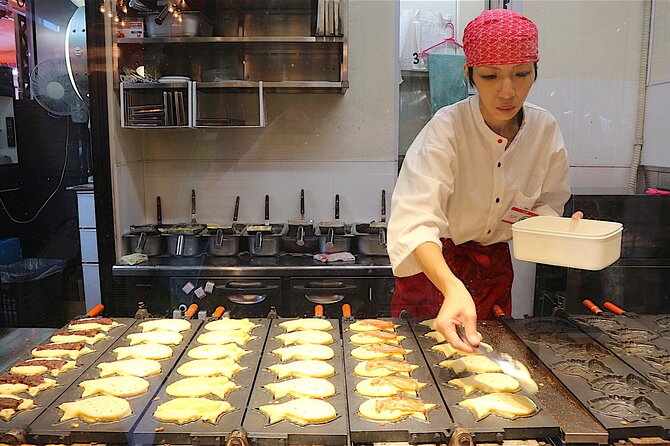
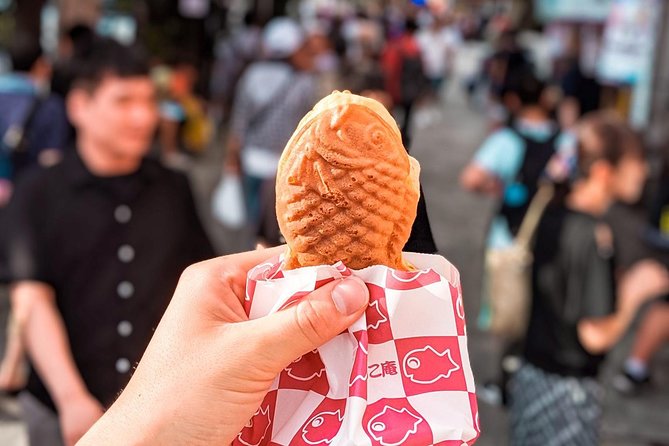
- And a couple of special sweets later in the tour plan, including Pokemon taiyaki and matcha-based drinks (bubble tea or ice cream)
A big plus for this stop is that the shops are described as carefully chosen and many are over 100 years old, with several dating back toward the Edo period. That matters, because these aren’t souvenir versions. You’re more likely to experience foods with a long local routine.
Possible drawback here: the snack style is heavy on sweets and fried items. If your stomach is sensitive, go slow and pace yourself through the tastings rather than trying to “win” the snack count.
Fukutoku Shrine: A 10-Minute Reset Between Food Eras
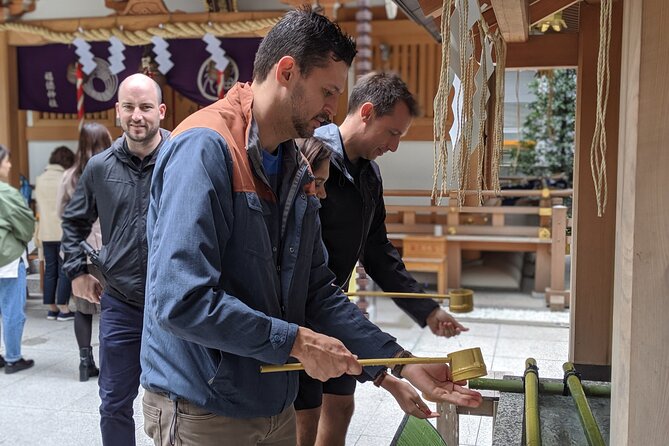
After Nihonbashi’s ingredient start, you pause at Fukutoku Shrine. This isn’t a long sightseeing detour. It’s a quick cultural stop designed to help you read the city as more than just food.
You’ll learn the difference between shrines and temples, and the idea of cleansing your spirit and praying at a shrine. Even if you’re not a big “temple person,” it helps you understand why Japan’s food culture is tied to broader daily rituals—seasonality, respect, and gratitude.
It’s short enough that you won’t feel like you lost time, but it gives your day a mental breather before the tour shifts into postwar city life and working-stiff culture around Ginza/Yurakucho.
Ginza and Yurakucho: Postwar Tokyo Through Salarymen Bites
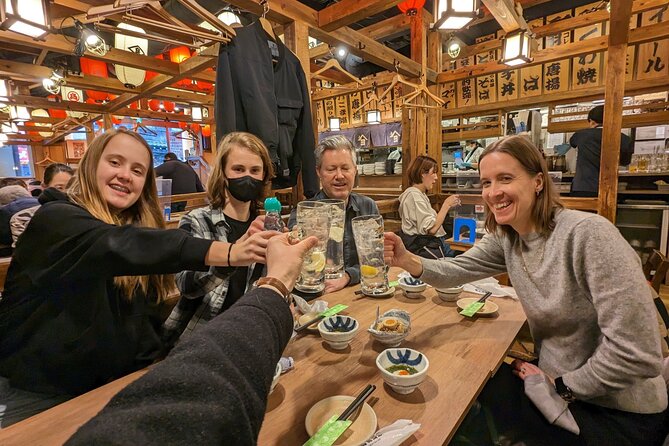
This is one of the most fun sections because it’s food tied to how people actually lived. You’ll head toward Ginza and Yurakucho and get a tour of how Japan industrialized after the war. With industrialization came the salaryman lifestyle, and with that came gado shita—small bars and restaurants built under or near railway tracks for workers before heading home.
That’s why the eating here fits the setting. You’ll eat and drink like salarymen at an izakaya and also at a noodle stall under the tracks. The menu examples are classic comfort picks:
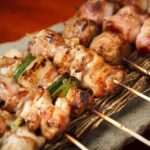
- Yakitori (grilled skewers)
- Tempura soba or curry udon (noodle soups)
- Plus a lemon sour drink included on the tour
I like how the tour gives you the “why” behind the setting. You’re not just tasting food; you’re learning what kind of Tokyo created it and why these places mattered to daily routines.
If you’re the kind of traveler who loves local habits and street-level routines, this section is going to feel real. If you prefer quieter dining and long sit-down meals, you might find this part more lively and stall-like than you expect. Either way, it’s an efficient way to cover a lot of Tokyo flavor without losing the plot.
You can also read our reviews of more tours and experiences in Tokyo


Tokyo International Forum and Kitte Marunouchi: Big-Architecture Intervals
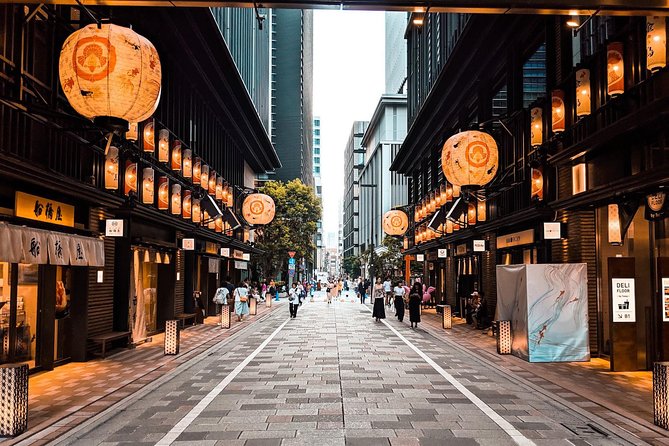
Between snack districts, the tour includes short walks and landmarks that help you “see” the Tokyo you’re eating in.
You’ll stroll from the railway track area toward Tokyo Station, with a stop at the Tokyo International Forum building. Then you pass through Kitte Marunouchi and the surrounding Tokyo Station area.
These segments are mostly about context and movement, not long museum-style stops. They break up the day so you’re not stuck eating continuously for 5.5 hours straight.
The practical benefit: these are easy-to-orient zones. After this, you’ll switch from station-adjacent snacks into the commuter-food classics that people actually grab on the way home.
Tokyo Station Classics: Tamagoyaki and Fruits Sando for the Commute Mindset
When the tour hits Tokyo Station’s Marunouchi area, it shifts toward food people grab with a workday rhythm. You’ll try:
- Tamagoyaki (Japanese omelette)
- Fruits sando (milk bread sandwich filled with fresh fruit and whipped cream)
This is one of my favorite kinds of included “tour lunch” moments because it’s both modern and everyday. It’s not a rare once-in-a-lifetime dish. It’s the kind of snack that fits into real Tokyo schedules.
You’ll try these at stops around the station area, including Tokyo Station Marunouchi Ekimae Hiroba and Daimaru Tokyo. The tour structure keeps it efficient: you get multiple tastes in this one zone without wasting time crossing half the city.
If you’re traveling with someone who gets overwhelmed by too many street foods, station-adjacent stops can feel like a relief. You still get Japanese flavors, just with a more polished setting.
Akihabara: Future-Food Desserts and Fusion Twists
Akihabara ends the tour, and it’s a smart pairing with the “past to future” concept. This neighborhood is known for electronics shops, maid cafes, and anime culture. In other words, it’s where subcultures and new ideas show up early.
Here, the tour shifts into desserts that combine traditional foods or flavors with a modern fusion twist. You’ll try a selection of desserts, including three fusion desserts plus additional sweetness items as part of the tour’s included plan.
This section works best if you like creative food. You’ll likely find flavors that feel familiar in origin but surprising in format. It’s also a nice way to end the day because desserts feel like a natural close after savory skewers and noodle dishes.
How the Ingredient Lessons Actually Help You Eat Better
One reason this tour feels more useful than a random food crawl is that it teaches you the building blocks. The tour starts with dashi-related flavor and key components like katsuobushi and kelp, and it treats ingredients as the shared language of Japanese cooking.
By the time you reach noodle soup stops later, you’re more likely to understand why the broth tastes the way it does. And when you eat snack items like daifuku, sweet potato chips, or mochi-based desserts, you can connect the flavor notes to what Japanese chefs keep repeating: balance, texture, and comfort.
Even if you don’t become a home cook the day you return, you’ll still leave with a better “flavor map” for Tokyo. That makes it easier to order confidently later.
Picking the Right Reader Profile for This Tour
This tour fits best if you want:
- A first-time Tokyo experience that helps you understand how neighborhoods evolved
- A food day with clear structure and no guesswork on what to try
- A guide-led explanation of Japanese flavor basics like dashi ingredients
- A private format where you can ask questions and adjust pacing
It’s especially good if you’re traveling with kids who enjoy novelty food. In feedback, families described it as a fun way to beat jet lag and keep younger eaters engaged.
A watch-out: the tour includes an alcoholic drink and includes foods tied to classic Japanese ingredient bases. For example, the dashi component uses katsuobushi and kelp, and some snacks include fish cake. If you have strong dietary restrictions, you’ll want to ask your guide what’s being served at each stop before committing.
What It Feels Like to Be With the Guide
The guide is a big deal on this tour. In feedback, guides like Yasu, Keiko, Paiva, Miko, and Rohan were repeatedly described as organized, prompt, and genuinely fun, with a knack for blending jokes and food facts.
You’ll also benefit from guides who help you navigate transit basics. That matters in Tokyo. A good guide helps you avoid the common frustration of exiting the wrong station direction after a snack stop.
Since the tour is private, you can also ask for “more of that” or “less of this” in real time. That flexibility is a big reason people spend the money on a private food tour instead of doing a DIY route.
Practical Pacing: 5.5 Hours, Multiple Stops, and a Full-Stomach Plan
The schedule is designed around short eating windows and short walking connectors, with time blocks like:
- 1 hour 30 minutes to start in Nihonbashi
- Quick cultural pause at Fukutoku Shrine (about 10 minutes)
- Two longer district segments around Ginza/Yurakucho (about 1 hour 10 minutes each)
- Station area stops split across multiple points (including Hiroba and Daimaru)
- A final 45-minute Akihabara dessert finish
That pacing is good if you like constant motion. It also means you should show up ready to snack. The tour literally tells you to come hungry, and the included list backs it up with sweets, savory bites, and a drink.
A small practical tip: if you’re picky about sweetness, be ready for dessert at both the midpoint (matcha-based items and sweets) and at the end in Akihabara. You don’t need to eat everything at full speed—just keep tasting.
Should You Book This Tokyo Private Food Tour?
Book it if you want a private, structured food day that teaches you Japanese flavor basics while you eat across three meaningful districts. The combination of Dashi-focused ingredient learning, Edo-to-postwar-to-future storytelling, and a big included tasting list is exactly the kind of tour that helps Tokyo make sense fast.
Skip it (or ask lots of questions first) if:
- You dislike subway rides and don’t want to pay for two short segments
- You need a very low-sweet itinerary
- You have strict dietary restrictions tied to fish-based ingredients or alcohol
If your goal is a Tokyo “food education” that still feels like fun, this tour is a strong match—and it’s one of those rare experiences where the theme isn’t just marketing. The past, present, and future actually show up on your plate.
FAQ
Is this a private tour?
Yes. It’s a private tour/activity, and only your group participates.
How long is the tour?
The duration is about 5 hours 30 minutes.
What’s included in the tastings and lunch?
You’ll get snacks (including items like dashi, katsuobushi, kelp, satsuma-age, amazake, imo kenpi, daifuku or dorayaki, and more), plus lunch items such as yakitori, tempura soba, tamagoyaki, and fruits sando. A lemon sour is also included.
Is pickup included?
Pickup is offered, with hassle-free pickup from your Tokyo accommodations.
Do I pay for transportation during the tour?
Transport costs used during the tour are payable by you. The plan notes you take two short subway rides.
What is the cancellation policy?
The provided policy includes a no-refund statement (non-refundable and cannot be changed), but it also lists refund deadlines in another section. Check the exact terms shown at booking so you know which rule applies to your reservation.