REVIEW · TOKYO
【Spanish/ English】Tsukiji Matcha at a 100-Year old Japanese shop
Book on Viator →Operated by Shibuya Exclusive Local Tours · Bookable on Viator
A day in Tsukiji can be noisy, but this is quiet. You get a beginner-friendly matcha tasting in a 100-year Japanese tea shop, plus a serene start at Tsukiji’s major temple. I love that it’s structured like a small lesson: four cold-brew matchas, seasonal wagashi, and clear guidance on flavor origins. I also like the setting change of pace from the nearby food crowds. One consideration: you’re paying for a focused, tasting-style experience, not a long market crawl with lots of walking stops.
You also get practical support along the way. The local Japanese/English/Spanish-speaking guide helps you understand what you’re tasting, and the session includes photos taken by the guide—useful if you want memories without worrying about your phone setup. The main drawback is simple: the group format and tasting schedule are fixed, so if you want freedom to wander Tsukiji Outer Market for hours, this is not that kind of tour.
In This Review
- Key things to know before you go
- Tsukiji Matcha in a 100-Year Tea Shop: A Calm Alternative
- Tsukiji Hongan-ji Temple First: Free Admission, Big Atmosphere
- The Matcha Workshop: Four Cold-Brew Varieties in Wine Glasses
- Wagashi Pairings and Snacks That Keep It Traditional
- Why This Private Format Works Better Than a Crowded Food Stop
- Price and Value: Is $65.04 Worth It?
- Getting the Most Out of Your Tasting Time
- Should You Book the Tsukiji Matcha Workshop?
- FAQ
- How long is the Tsukiji matcha tasting workshop?
- What does it cost?
- What do I taste during the workshop?
- Is there food included besides matcha?
- Is the tour beginner-friendly?
- Where do we meet and where does it end?
- Are transportation and lunch included?
- What’s included with the guide?
- What is the cancellation policy?
Key things to know before you go
- A certified tea master leads a beginner-friendly session designed for people new to matcha
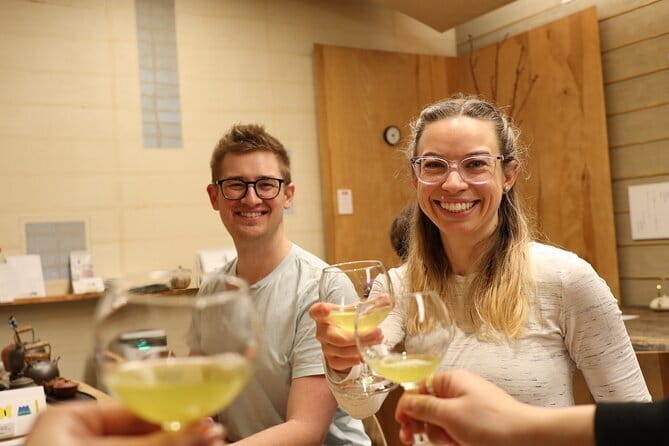
- Four premium cold-brew matchas are served in wine glasses for a slower, more precise taste
- Seasonal wagashi + snacks keep the experience authentically Japanese
- You start at Tsukiji Hongan-ji Temple (free admission) before your tasting
- Only your group participates, and a mobile ticket is used
Tsukiji Matcha in a 100-Year Tea Shop: A Calm Alternative
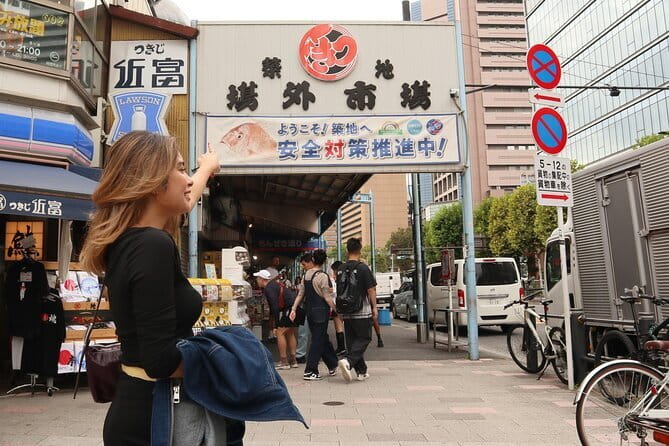
Tsukiji is famous for food energy. This experience takes that same neighborhood and gives you a breather. Instead of rushing from stall to stall, you settle into a private, beginner-friendly matcha tasting in an old-school tea shop with close to a century of tea tradition.
What I like about the tone here is the restraint. You’re not being pushed to buy anything. You’re being taught how to notice details: how matcha smells, how it feels cold-brewed, and how different styles can taste like separate stories. It’s a great fit when you want Japan’s cultural side without it being museum-only.
And yes, you’re still in Tsukiji. You end near the Tsukiji Outer Market area, so you can keep exploring afterward if you want. The session itself stays focused, so you can come away knowing what you drank and why it mattered, instead of just collecting food samples.
You can also read our reviews of more tours and experiences in Tokyo.



Tsukiji Hongan-ji Temple First: Free Admission, Big Atmosphere
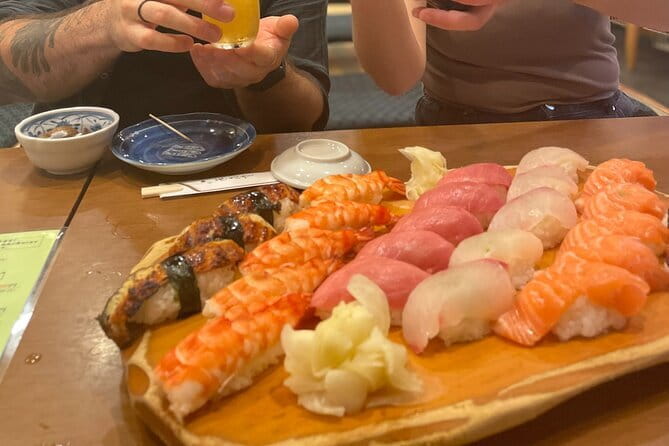
Your day begins at Tsukiji Hongan-ji Temple. The visit is around 30 minutes, and admission is free. This is a smart opener because the temple quiets your brain before the tasting starts. Even if you’re not a hardcore temple person, you’ll feel the difference in the space and pacing.
This stop is also useful for context. Tsukiji is a working food area, but Japan’s everyday culture sits close to its religious traditions. Starting with the temple helps you see your surroundings as more than just a food destination.
Practical note: because the temple visit is timed, wear shoes that handle walking and stand comfortably. You don’t need anything fancy, but you’ll want comfort for the short sit/stand moments and the general movement inside the area.
The Matcha Workshop: Four Cold-Brew Varieties in Wine Glasses
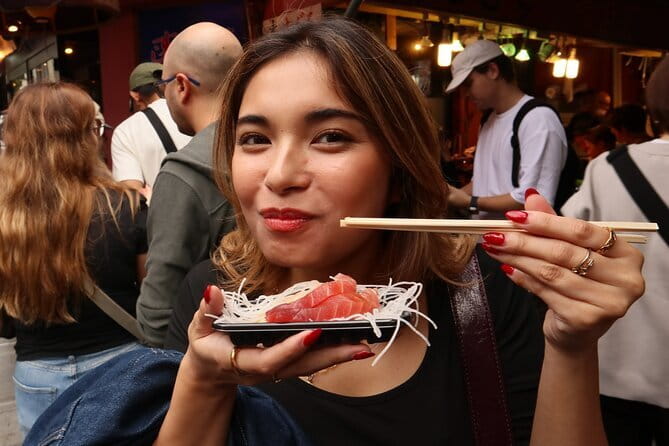
The heart of the experience is the matcha workshop. You’ll taste four premium cold-brew matcha varieties, and they’re served in wine glasses. That detail sounds playful, but it changes the way you drink: you can observe color and clarity, take smaller sips, and notice aroma without the heat rushing everything.
This isn’t a random tasting flight. The guide explains the flavor origins linked to tea-growing regions and cultivation styles. In plain terms, you’re learning that matcha isn’t one flavor. It’s a range influenced by where tea is grown and how it’s cultivated. Cold-brew also shows different notes than hot matcha, and that helps you separate sweetness, bitterness, and vegetal character more clearly.
The session is beginner-friendly, and it’s private for your group. That matters because you can ask questions without feeling like you’re slowing down strangers. You’ll also get a calm pace that helps you remember what you liked and why.
Wagashi Pairings and Snacks That Keep It Traditional
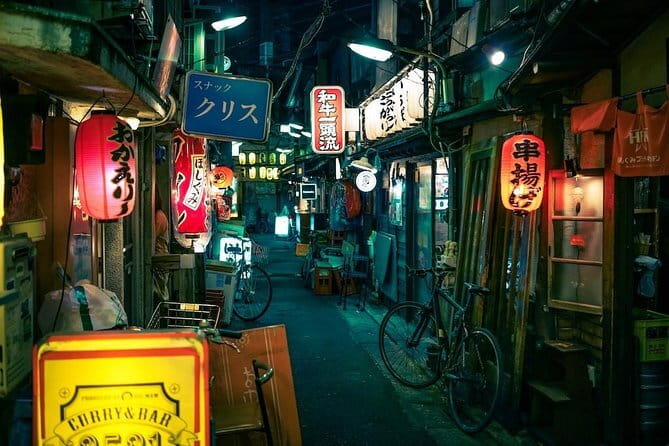
Matcha tastes best when it’s paired thoughtfully. Here, you get seasonal wagashi, plus snacks. The idea is to balance the experience: matcha can be strong and layered, and wagashi gives you gentle sweetness and texture to reset your palate.
You’ll also have coffee and/or tea included, so you’re not stuck only with matcha. That’s helpful if you want a non-matcha counterpoint during the lesson or you’re just tired of tasting strong flavors by the third or fourth sample.
The value of the pairing isn’t just taste. It’s cultural context. Wagashi is part of how Japanese tea time is organized, and it reinforces that matcha is not only about flavor—it’s about timing, mood, and contrast.
Why This Private Format Works Better Than a Crowded Food Stop
This is a private tour/activity. Only your group participates. There’s a group discount option, and you get a mobile ticket. Those details are practical, but the real win is the slower attention.
A crowded market day can feel like standing in line while you try to guess what you’re ordering. This format flips it. Your guide handles the flow, so you can focus on tasting and learning. You’ll also get photos taken by the guide. That’s one less thing to juggle while you’re paying attention to small flavor differences.
Language support is a big deal here. You’ll be guided by someone who speaks Japanese, English, or Spanish. That helps you avoid the common frustration of matcha tastings where you nod politely but don’t fully understand what you’re tasting.
If you’re traveling with friends and want a shared cultural experience that doesn’t turn into a scramble, this is the kind of stop that makes everyone calmer.






Price and Value: Is $65.04 Worth It?
At $65.04 per person, this isn’t a cheap impulse snack. But it also isn’t priced like a big restaurant meal. So the question is what you’re actually buying.
You’re paying for:
- a private, reservation-style tasting focused on learning
- a guide who supports you in Japanese/English/Spanish
- four premium cold-brew matchas
- seasonal wagashi and included snacks
- photos taken by the guide
- a structured explanation of flavor origins tied to tea-growing and cultivation
If you only want one cup of matcha, you can find cheaper options. If you want to understand what makes matcha different—and have someone guide your tasting so you don’t miss the key notes—this price starts to make sense.
The duration is about 1 hour 30 minutes, which is a good sweet spot. You get real instruction time without turning it into a half-day commitment. It’s also a nice complement to the rest of your Tsukiji plans, since it’s calm while the neighborhood is often anything but.
Getting the Most Out of Your Tasting Time
A few small things can help you enjoy this more.
First, treat it like a lesson, not a drink you rush. Cold-brew matcha can taste more nuanced than you expect, and the wine-glass serving encourages smaller sips. If you go fast, you’ll miss the differences between the four varieties.
Second, be ready to ask questions. The whole format works best when you engage, especially since the experience is beginner-friendly and guided.
Third, plan your day around the meeting point. You start at Tsukiji Hongan-ji Temple (3-chōme-15-1 Tsukiji, Chuo City). Your session ends near the Tsukiji Outer Market area (Fish Market Tsukiji Outer Market, 4-chōme and part of 6-chōme). That matters because you’ll likely want to continue walking afterward with clearer directions.
Finally, if you have dietary concerns, you should confirm them with the operator ahead of time. The experience includes seasonal wagashi and snacks, so it’s smart to check what you can safely eat.
Should You Book the Tsukiji Matcha Workshop?
Book it if you want a calm, guided matcha experience in a real tea setting—especially if you like learning how flavors are made and why they differ. This is also a smart pick for people who find market tourism exhausting and want one planned, peaceful stop.
Skip it if your goal is heavy shopping, lots of restaurant hopping, or long free time wandering the outer market. This experience is designed to keep you focused on tasting and understanding matcha, not to give you open-ended roaming.
If you’re on a first Japan trip and want something more thoughtful than a quick food snack, this is one of those tickets that can genuinely change how you experience tea after you leave Tsukiji.
FAQ
How long is the Tsukiji matcha tasting workshop?
It runs for about 1 hour 30 minutes.
What does it cost?
The price is $65.04 per person.
What do I taste during the workshop?
You taste four types of premium cold-brew matcha served in wine glasses, paired with seasonal wagashi.
Is there food included besides matcha?
Yes. The experience includes traditional sweets (wagashi) and coffee and/or tea, plus snacks.
Is the tour beginner-friendly?
Yes. It’s described as a private, beginner-friendly matcha tasting led by a certified tea master.
Where do we meet and where does it end?
You start at Tsukiji Hongan-ji Temple (3-chōme-15-1 Tsukiji, Chuo City, Tokyo) and end near Fish Market Tsukiji Outer Market (4-chōme and part of 6-chōme).
Are transportation and lunch included?
No. Private transportation and lunch are not included.
What’s included with the guide?
The experience includes a local Japanese/English/Spanish-speaking guide, matcha workshop guidance, and photos taken by the guide.
What is the cancellation policy?
Free cancellation is available up to 24 hours in advance for a full refund.