REVIEW · TOKYO
2 Hours Mochi &Nerikiri Making & Matcha Class in Bunkyo
Book on Viator →Operated by Waga・Chic Japanese Sweets Making Class · Bookable on Viator
Wagashi is math, sugar, and patience.
In Bunkyo, this private class turns a busy Tokyo morning into a calm, hands-on session in a real Japanese home, with matcha and clear, step-by-step guidance from Yuko.
What I like most is the focus on technique you can actually repeat later, not just “watch and eat.” You’ll get personalized instruction at a small setup, plus the learning is organized around three wagashi types: Mochi, Dango, and Nerikiri.
One consideration: this is a home-based workshop in a small space, so you’ll want to be comfortable with a sit-down, kitchen-table vibe rather than a big studio atmosphere.
In This Review
- Key things to look forward to
- Wagashi In Bunkyo: A Private Kitchen Lesson That Feels Personal
- Choosing Your Course: Mochi, Dango, Nerikiri, or All Three
- Arriving at 1-chōme-27-8 Sekiguchi and Getting Settled
- The Tea and Matcha Moment: More Than a Starter Course
- Mochi Making: Where Your Hands Learn the Timing
- Nerikiri and Dango: Texture, Shape, and Cultural Meaning
- What You Take Home: Edible Art Plus Keepsakes
- Price and Value: Is $78.83 for Two Hours Worth It?
- Who This Wagashi Class Suits Best (and Who Should Think Twice)
- Book It or Skip It: My Decision Guide
- FAQ
- How long is the mochi and matcha making class?
- Is this a private class?
- What sweets can I make during the class?
- Who teaches the class?
- Where does the class take place?
- Is it easy to get to?
- Do I get matcha and tea during the experience?
- What’s the cancellation policy?
Key things to look forward to
- Private, 1-table instruction with your group only
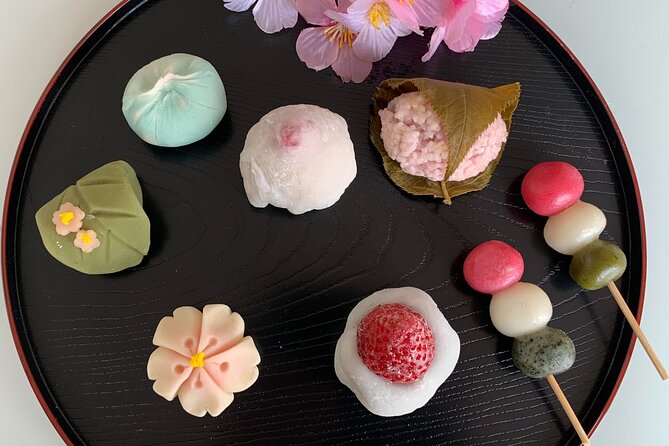
- Choose your wagashi track: Mochi, Dango, Nerikiri, or a combination
- Bilingual teaching from Yuko, trained by the Wagashi Association of Japan
- Tea and matcha time woven into the class flow, not bolted on
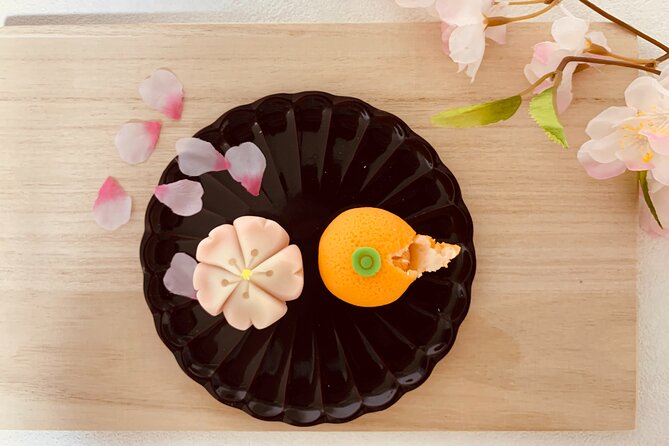
- Design-focused making, so you leave with edible art, not just snacks
- Take-home sweets and keepsakes so your class doesn’t end when it’s over
Wagashi In Bunkyo: A Private Kitchen Lesson That Feels Personal
A good Japanese food class doesn’t just teach you a recipe. It teaches you the pace.
This 2-hour wagashi workshop runs out of a traditional home in Bunkyo (Sekiguchi), and that matters. You’re not doing a standardized factory-style demo where everyone follows the same tiny steps on the same schedule. Instead, you’re at one table with Yuko, and the rhythm changes based on what you’re making and how your hands are learning. Several participants highlight that Yuko explains slowly, watches closely, and adjusts when needed.
The other big win is how the class is built around types of sweets you’ll recognize in Japan. You’re not just learning one item. You’re learning why Mochi, Dango, and Nerikiri are treated differently, and how their shapes and textures match their cultural moments.
The main drawback is simple: home settings are not big tourist centers. If you’re hoping for a wide, walk-around space or lots of other groups streaming by, you might feel boxed in. But if you want a calm, “sit down and make something” experience, that small scale is the point.
You can also read our reviews of more tours and experiences in Tokyo



Choosing Your Course: Mochi, Dango, Nerikiri, or All Three
You pick from three sweet tracks, or you combine them depending on what’s offered for your session:
- Mochi course (including seasonal themes like New Year or New Birth)
- Dango course (often tied to special events)
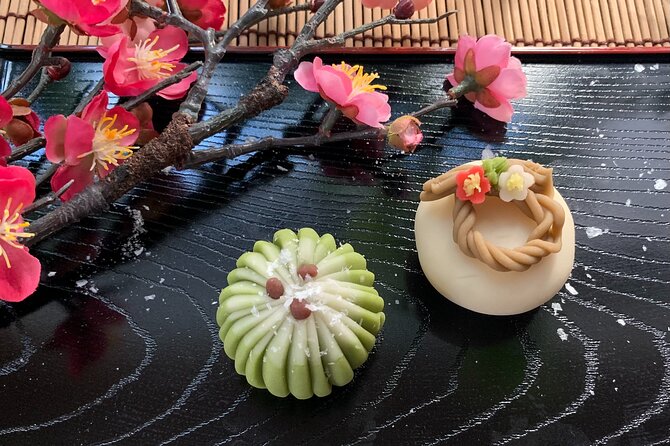
- Nerikiri course (linked with tea ceremony style sweets)
- Or a combination course that mixes Mochi, Dango, and Nerikiri
This setup is smart because it lets you match the class to your mood.
If you love chewy, stretchy textures, you’ll likely have the most fun with Mochi. If you want something a bit simpler and more about forming and timing, Dango can be a good entry point. And if you’re the type who enjoys precise shaping and decorative detailing, Nerikiri is the one that tends to make people say they feel like artists.
Also, the class doesn’t position these as random desserts. Each track is taught with cultural meaning attached, like how certain sweets appear during particular celebrations and tea traditions. That’s how wagashi becomes more than sugar. It becomes a language.
Arriving at 1-chōme-27-8 Sekiguchi and Getting Settled
Your meeting point is 1-chōme-27-8 Sekiguchi, Bunkyo City, Tokyo. The area is described as central and near public transportation, which is key for a two-hour activity. You don’t want a long commute eating into your making time.
What I’d plan for: arrive a few minutes early and take a minute to settle your brain. This class is hands-on, so you’ll do better if you’re not arriving stressed or rushing. A big part of wagashi work is patience. If your shoulders are up by your ears, your dough won’t be the only thing that’s tense.
Once you’re there, you’ll be welcomed at the home. Several participants mention the feeling is warm and family-like, with Yuko treating them like she’s genuinely happy you showed up. That tone matters for learning. When you feel relaxed, your hands figure things out faster.
The Tea and Matcha Moment: More Than a Starter Course
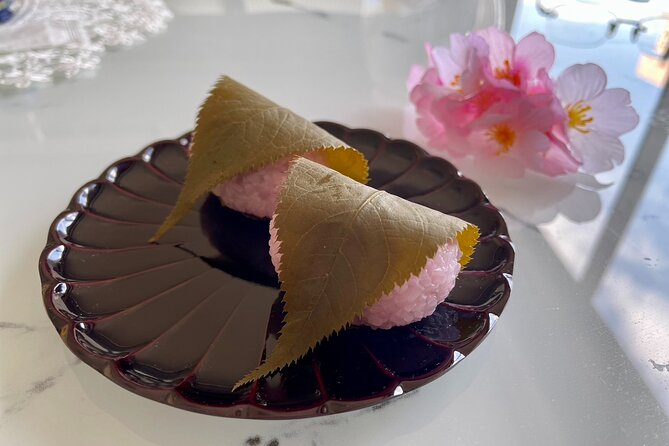
Even before you start shaping, expect a proper tea-and-matcha setup. This is not a hurried “sip and go” situation.
From participant notes, the session often includes tea and finishes with matcha, and some people specifically enjoyed the tea ceremony-style component. That matters because wagashi and tea are paired by design. You’re not just learning dessert; you’re learning the slow, considered atmosphere that surrounds it.
In practical terms, the tea break is also a reset. You’ll get a chance to see how your sweets are meant to be enjoyed, then jump back into making with better focus.
Mochi Making: Where Your Hands Learn the Timing
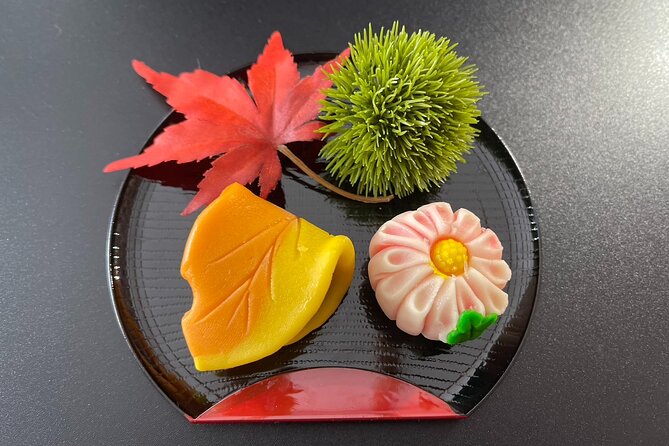
Mochi is the type of food that looks simple until you try it. That’s why a guided class is worth paying for.
In this workshop, Yuko teaches the process step by step and stays attentive during each stage. Participants repeatedly mention her patience and the way she performs steps with precision—then teaches you to copy them. That combination is powerful: you get a model of what “good” looks like, and you get feedback when your version is still becoming.
Here’s what you should expect from the mochi part:
- You’ll learn the steps, not just the end result.
- You’ll work hands-on during the session, so you don’t leave feeling like you only watched.
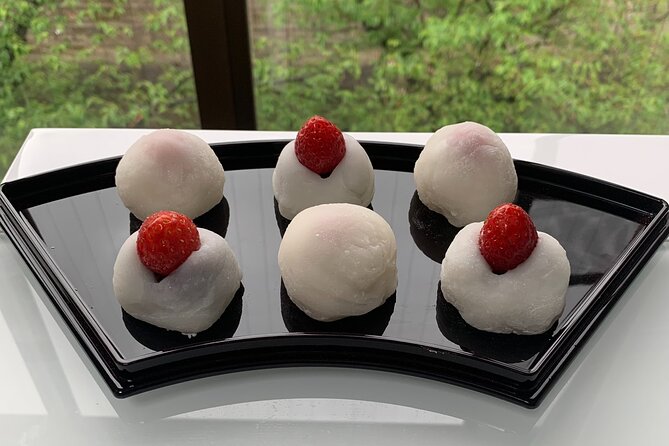
- You’ll make mochi with a focus on craft and detail, which is why people talk about being able to create creative designs.
One fun detail that shows the mindset of the class: someone mentioned a Halloween-shaped mochi outcome. That kind of example tells you the workshop isn’t strict in a museum sense. It’s skill-building with room for personality.
If you’ve never made anything like this at home, that’s fine. The class is framed as beginner-friendly with simple techniques. The goal is that you can repeat the key motions later, not that you’ll master every wagashi trick forever in one sitting.
You can also read our reviews of more tours and experiences in Tokyo





Nerikiri and Dango: Texture, Shape, and Cultural Meaning
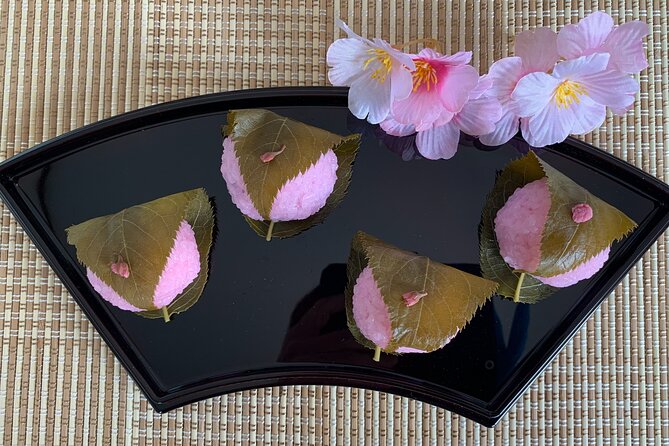
If you choose Nerikiri, get ready for a craft vibe. Nerikiri is known for its shaped, decorative look, and the workshop treatment reflects that.
Participants highlight that Yuko explains not only how to make the sweets, but also the significance behind them. In the nerikiri track, that connection to tea ceremony-style sweets isn’t just background. It shapes how you think about presentation. You’re making something meant to be seen, not only eaten.
The Dango option, on the other hand, is often a great match if you want a more straightforward forming process. Dango is associated with special events, which gives the track a celebratory angle rather than a purely decorative one. If your goal is to leave with a technique you can reproduce quickly, dango tends to fit that purpose well—while still letting you practice wagashi basics.
For combination courses, expect a bit of everything: more variety, more techniques, and a higher chance that you’ll leave with multiple sweets you can talk about. It’s also a good choice if you’re coming as a couple or with family and everyone wants a different kind of sweet.
What You Take Home: Edible Art Plus Keepsakes
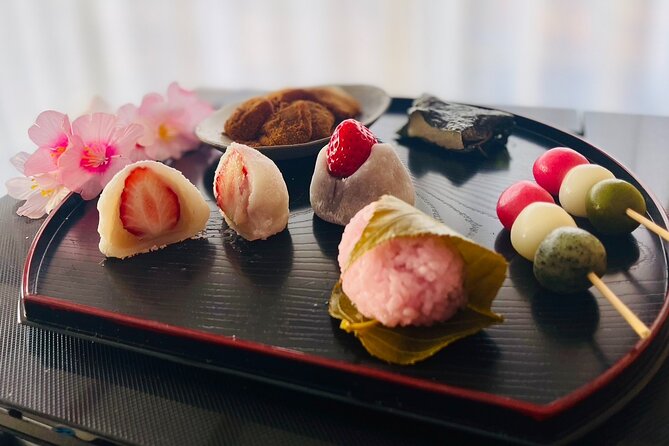
A class ends when you can’t eat the proof anymore. This one tries to solve that problem.
Participants report being sent home with a take-out tray of sweets and a goodie bag for keepsakes. That means you’re not packing the only memento in your phone camera roll. You’ll have the physical reminder that you made it.
Two practical tips for the take-home part:
- Plan how you’ll store and transport your sweets. Don’t assume they’ll survive a long walk across town in a hot bag.
- If you want to practice later, take note (or photos during the clean moments) of how the teacher’s steps look right before you start copying them.
Even if you don’t remember every motion perfectly, you’ll likely remember the big checkpoints: texture cues, timing, and the “shape idea” for each sweet type.
Price and Value: Is $78.83 for Two Hours Worth It?
At $78.83 per person for about 2 hours, you’re paying for three things you usually can’t get from casual food tours:
- Private, hands-on instruction
This isn’t a mass class where you share attention with 20 people.
- A trained wagashi specialist
Yuko is described as a bilingual, native-Japanese instructor trained by the Wagashi Association of Japan. That training shows up in the structure of the lesson and the way steps are taught.
- A complete experience, not just a recipe
You’re learning how wagashi connects to tea and celebrations, getting tea-and-matcha time, and taking home sweets plus keepsakes.
When I look at value for classes like this, I compare it to what you’d pay for tastings plus a generic cooking demo. This workshop is more “craft workshop” than “eat-and-learn,” which usually means you leave with both skills and edible results. For families, it’s also a strong use of time: everyone sits down, makes something, and gets a shared activity that doesn’t require advanced cooking knowledge.
One more practical value note: it’s mobile-ticket supported and runs in central Tokyo, which makes planning easier than experiences that are hard to find or require complicated logistics.
Who This Wagashi Class Suits Best (and Who Should Think Twice)
This workshop is a great fit if you:
- Want a private class instead of a crowded group setting
- Like hands-on cooking where you create the final sweets
- Enjoy Japanese tea culture enough to care about presentation and meaning
- Travel as a solo person and still want an intimate, personal learning experience
- Come with family, especially if you want everyone to participate at the table
It may be less ideal if you:
- Want a large, lively atmosphere with lots of people watching and wandering around
- Prefer street food style exploration where you’re constantly moving
- Dislike home-based venues and would rather be in a hotel or restaurant classroom setting
If you’re on the fence, your best clue is your learning style. If you like copying techniques and getting feedback, you’ll likely love this setup.
Book It or Skip It: My Decision Guide
I’d book this if your Tokyo plan includes any room for a quiet, craft-focused activity. Mochi and nerikiri aren’t the kind of thing you learn from a menu. You learn them from a teacher watching your hands.
Skip it only if you’re trying to maximize sightseeing in the same day with zero buffer. The session is short—about two hours—so it’s best when you can arrive relaxed and give your attention to the work.
If you do book, here’s how to get the most out of it:
- Choose the course that matches what you want to eat most: Mochi for chew, Nerikiri for detail, Dango for a friendly starter rhythm.
- Arrive a few minutes early so you’re not rushed at the start.
- Treat the tea-and-matcha part as part of the lesson, not a break from it.
FAQ
How long is the mochi and matcha making class?
The class runs for about 2 hours.
Is this a private class?
Yes. It’s a private tour/activity, and only your group participates.
What sweets can I make during the class?
You can choose between Mochi or Dango, or Nerikiri, or a combination course that includes Mochi, Dango, and Nerikiri.
Who teaches the class?
The class is presented by a bilingual, native-Japanese instructor trained by the Wagashi Association of Japan.
Where does the class take place?
The meeting point is at 1-chōme-27-8 Sekiguchi, Bunkyo City, Tokyo, and the activity ends back at the meeting point.
Is it easy to get to?
The venue is near public transportation.
Do I get matcha and tea during the experience?
Yes. The class includes tea and matcha as part of the experience.
What’s the cancellation policy?
Free cancellation is offered up to 24 hours in advance of the experience start time for a full refund.