REVIEW · TOKYO
Shinto Shrine Tour: Explore Japanese Culture in Tokyo
Book on Viator →Operated by Japan Awaits · Bookable on Viator
Shrines, in three stops, in Tokyo. This tour is a private group outing with a Shinto expert, so you get the myths, daily practice, and shrine etiquette without second-guessing, plus three famous shrines in about three hours with entrance fees handled.
I especially like that it saves you time: you move between spots using public transportation and you’re not stuck solving logistics while everyone else is reading signs. One possible drawback: there’s a fair amount of walking and standing, so if your legs are touchy, go in with comfortable shoes and a calm pace.
In This Review
- Quick takeaways
- Why this Shinto shrine tour feels different in Tokyo
- Price and what $206.26 buys you (and what it doesn’t)
- Getting started at Harajuku Station: fast meeting, real focus
- Stop 1: Meiji Jingu Shrine and the calm forest effect
- Stop 2: Kanda Shrine and a shrine with a long survival story
- Stop 3: Tokyo Daijingu (O-Ise-sama) and marriage prayers
- What your guide actually helps you do: purification, praying, and respectful behavior
- Walking, timing, and weather: the practical stuff that makes or breaks the day
- Photo opportunities without turning it into a photo shoot
- Who this tour is best for (and who might want something else)
- Should you book this Shinto shrine tour?
- FAQ
- Which shrines does the tour visit?
- How long is the Shinto shrine tour?
- Is the entrance fee included?
- Where is the meeting point?
- Does the tour provide transportation between shrines?
- What’s the dress code?
- What if I arrive late?
Quick takeaways
- Three shrines, one smooth story through Shinto beliefs and modern Japanese life
- Entrance fees included so you don’t lose time at gates
- Harajuku Station start near one of Tokyo’s easiest rail hubs
- Public transport between stops cuts down navigation stress
- Guided shrine etiquette for purification and respectful praying
- Your guide matters; guides like Ami, Hitomi, Ken, Atsuko Kobayashi, Katsunori Fugiwara, and Asami have led this experience
Why this Shinto shrine tour feels different in Tokyo
Tokyo has a lot of “see it and go” sightseeing. This tour slows you down just enough to understand what you’re looking at, without turning the day into a lecture. It’s built around real shrine behavior—how you purify yourself, how people pray for good fortune, and what all those small rituals are trying to communicate.
You also get a private group setup. That means your guide can adjust the pace, answer questions, and keep the experience personal instead of herding people through at a sprint. If you’re short on time but want more meaning than a quick photo, this format is a strong fit.
You can also read our reviews of more tours and experiences in Tokyo.



Price and what $206.26 buys you (and what it doesn’t)
At $206.26 per person for about 3 hours, this isn’t a bargain-bin walking tour. The value comes from what’s included: a professional English-speaking guide, public transportation between shrines, photo opportunities, and entrance fees at each stop.
What you should plan for:
- Food and drinks are not included.
- You’ll need to handle getting to and from the meeting spot on your own (no hotel pickup/drop-off).
- It ends in a different location, so expect to continue your day from where the tour finishes.
If you’d otherwise spend time juggling tickets, directions, and etiquette research, the guide can feel like money well spent. If you’re the type who likes to wander freely with a map and a translation app, you may not feel the need for a guided route.
Getting started at Harajuku Station: fast meeting, real focus
You’ll meet at Harajuku Station (1 Chome-18 Jingumae, Shibuya, Tokyo 150-0001) with a 9:00 am start. From there, the tour moves on to shrines that are well known, but not all crammed into one neighborhood bubble.
A practical note: even though it’s private, the guide will wait up to 30 minutes after the scheduled start time. If you’re coming by train, build in buffer for platform changes and station crowds.
Also, you’ll use a mobile ticket, which helps on a day like this when you don’t want to hunt for printed confirmations. Dress code is smart casual—think neat layers and shoes you trust.
Stop 1: Meiji Jingu Shrine and the calm forest effect
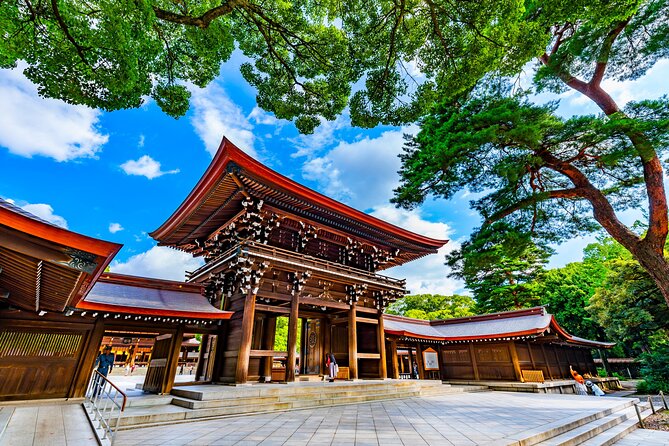
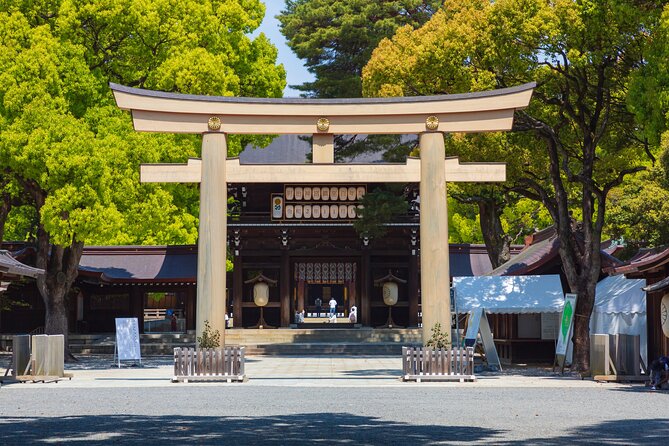
Meiji Jingu Shrine is dedicated to the souls of Emperor Meiji and Empress Shōken. What makes this stop feel special is the approach: the shrine sits inside a lush forest area made from trees donated from different regions of Japan. It’s a visual reset from the city, and your guide will help you connect that setting to how the shrine space is meant to be experienced.
You’ll typically spend about 1 hour here, and entrance is included. This is a great first stop because it sets expectations for how Shinto space works—where people pause, how the grounds guide you to slow down, and what visitors are doing in the worship area.
One more reason to like Meiji Jingu early: you get the context before you hit the more downtown-feeling shrines later. If you’re aiming to understand, not just “collect shrines,” this pacing matters.
Stop 2: Kanda Shrine and a shrine with a long survival story
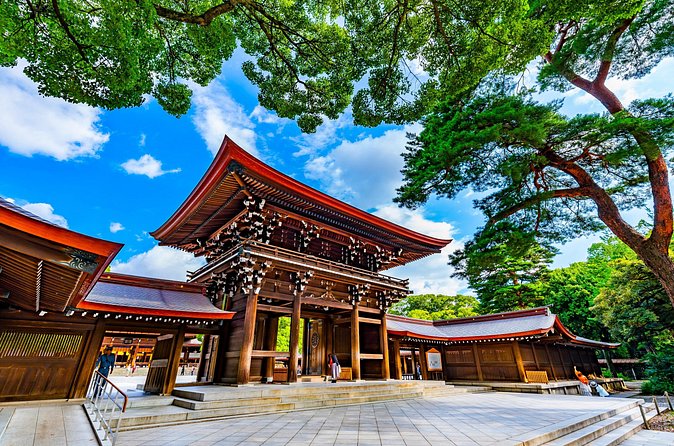
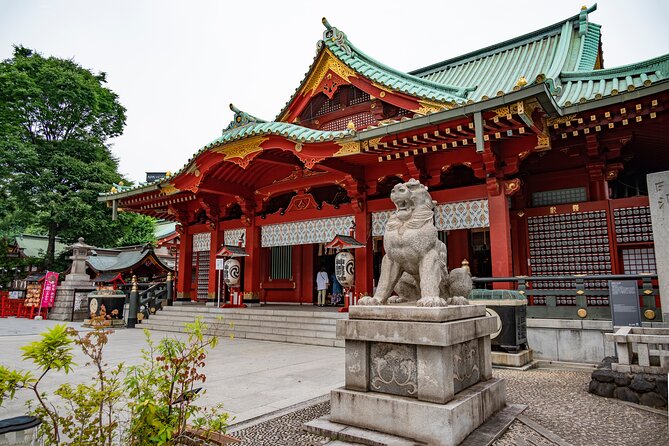
Kanda Shrine is in Chiyoda, Tokyo, and the background is part of the attraction. The site dates back 1,270 years, and while the current structures have been rebuilt many times due to fire and earthquakes, the shrine’s presence is continuous in spirit and community.
This stop is also about 1 hour, with entrance included. If you like history, you’ll appreciate how your guide frames resilience here—this isn’t a museum display behind glass. It’s a shrine that has had to adapt, recover, and keep serving worshippers through Japan’s real-world challenges.
Also, Kanda’s location gives you a sharper contrast with Meiji Jingu. You go from a forested hush to a city-connected shrine atmosphere. That difference helps you see how Shinto lives inside modern Tokyo, not off to the side.






Stop 3: Tokyo Daijingu (O-Ise-sama) and marriage prayers
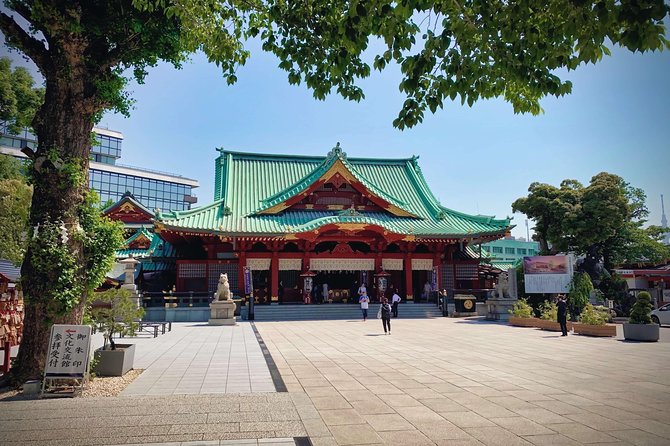
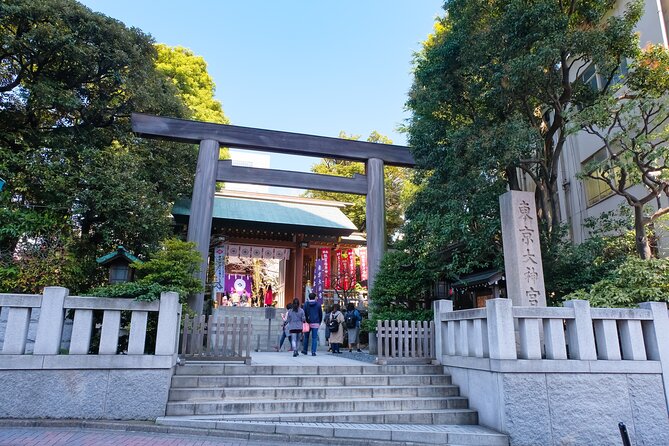
By the time you reach Tokyo Daijingu, you’ll likely be in “I get it now” mode. It’s affectionately called O-Ise-sama in Tokyo, and it’s known for being one of the famous shrines in Tokyo.
This shrine has a particular reputation: it’s famous for the god of marriage among girls. If that’s relevant to you, or if you simply like learning how specific shrines are associated with specific hopes, this is a meaningful final stop. Expect about 1 hour, with entrance fees included.
Because it’s also a major shrine, your guide’s job is important here. You’ll get context for what people are asking for and how they approach praying respectfully, rather than just guessing based on what you see.
What your guide actually helps you do: purification, praying, and respectful behavior
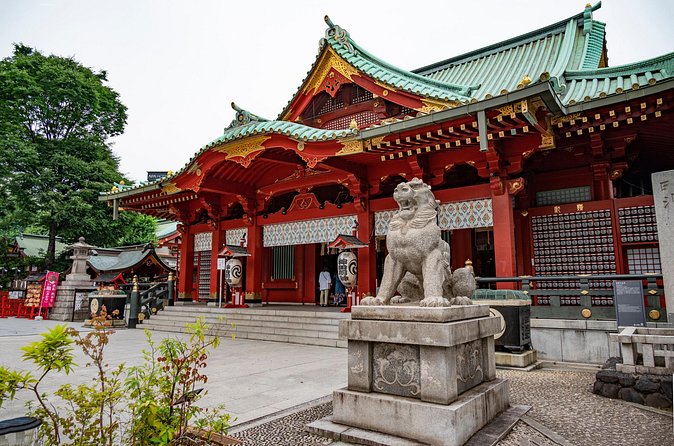
The best part of this experience is that you’re not left translating on your own. Your guide is there to explain the ideas behind Shinto practice and the way people show respect at shrines.
Across the route, you’ll learn things like:
- how purification works in Shinto practice
- how people pray for good fortune
- how shrine worship connects to everyday hopes for success
That may sound abstract, but on the ground it matters. When you know what you’re seeing, you stop treating each shrine like a checklist. You start noticing how visitors move, when they pause, and what the rituals are trying to accomplish.
And yes—guides can bring personality. In the names shared by prior groups, you might get leaders such as Ami, Hitomi, Ken, Atsuko Kobayashi, Katsunori Fugiwara, or Asami. The common theme is clear guidance and a friendly tone, with some guides also proving flexible when someone needs a slower pace.
Walking, timing, and weather: the practical stuff that makes or breaks the day
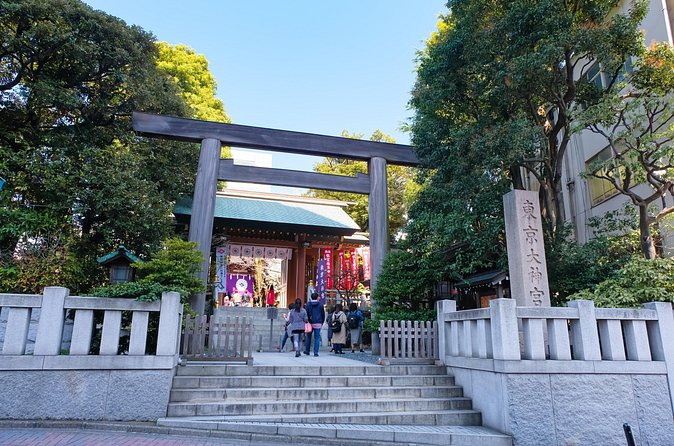
This tour is short—about 3 hours total—so there isn’t much padding. That means the walking and transitions are part of the experience, not a detour.
Plan around:
- comfortable shoes (you’ll likely be on your feet more than you expect)
- smart-casual clothing that still lets you move
- a light layer, since Tokyo weather can shift quickly
Weather matters too. If the tour is canceled due to poor conditions such as a typhoon or other extreme weather, you’re offered an alternative date or a full refund. That’s a relief in a city where plans can get disrupted fast.
Photo opportunities without turning it into a photo shoot
You do get photo opportunities, but the tour doesn’t feel built only for photos. The guide’s explanations help you frame what you’re photographing—especially at Meiji Jingu, where the setting (forest approach and shrine atmosphere) is part of the story, not just background.
Bring your camera, sure. But also bring attention. The best shots come when you understand what visitors are doing and why the shrine layout encourages pauses.
Who this tour is best for (and who might want something else)
This tour is a strong match if:
- you want Japanese culture context fast
- you have limited time but want to see three major shrines
- you care about doing things correctly at shrines, especially around purification and praying
- you’d rather follow a plan than work out etiquette and routing on your own
It may be less ideal if:
- you hate walking and standing for long stretches
- you prefer unstructured wandering and don’t want a guide-led explanation
- you’re mainly after deep independent research rather than a paced overview
Should you book this Shinto shrine tour?
I think it’s worth booking if you want meaning, not just locations. The combination of a private group, English-speaking guide, shrine etiquette teaching, and included entrance fees makes it a practical way to experience Shinto culture in Tokyo without turning the day into logistics work.
Book it if you’re curious about how Shinto practice shows up in everyday wishes—good fortune, success, and prayers connected to specific hopes like marriage among girls. Skip it if you’re only looking for photos and don’t care about what the rituals mean.
If you’re unsure, ask yourself one question: do you want your visit to feel like a guided understanding, or like a solo stroll? This tour is built for understanding.
FAQ
Which shrines does the tour visit?
The tour visits three Shinto shrines in Tokyo: Meiji Jingu Shrine, Kanda Shrine, and Tokyo Daijingu Shrine.
How long is the Shinto shrine tour?
The tour lasts about 3 hours.
Is the entrance fee included?
Yes. Entrance fees for the shrines are included.
Where is the meeting point?
The meeting point is Harajuku Station (1 Chome-18 Jingumae, Shibuya, Tokyo 150-0001, Japan).
Does the tour provide transportation between shrines?
Yes. The tour includes public transportation between the shrines.
What’s the dress code?
Dress code is smart casual.
What if I arrive late?
Even though it’s private, the guide will wait up to 30 minutes after the scheduled start time. If you don’t arrive within that window, the tour is considered canceled.