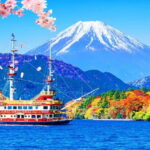
Fuji and steam in one packed day. This private outing pairs Mt. Fuji scenery (weather permitting) with Hakone’s famous volcanic zone and scenic shrine-and-lake views. It’s a full, efficient morning-to-afternoon plan, with the comfort of a driver and an easy rhythm between highlights.
I particularly like the practical comfort: an air-conditioned vehicle, plus onboard WiFi, bottled water, and snacks. You also get a tight set of major sights without the hassle of coordinating multiple transit connections on your own.
One big consideration: Mt. Fuji may be hidden by clouds, and the plan can feel different depending on what the sky gives you that day.
In This Review
- Key highlights worth planning around
- How the 8:00am Tokyo to Hakone Day Fits Together
- Mt. Fuji 5th Station: The Iconic View, Weather-Dependent
- Lake Kawaguchi: Fuji Reflections Without the Climb
- Owakudani Valley: Hakone’s Volcanic Core in Real Life
- Hakone Ropeway and Hakone Shrine: Cable Views and the Floating Gate
- Lake Ashinoko and the Pirate Ship: A Scenic Finish With Extra Ticket Costs
- What You Actually Pay For: Group Price vs. Ropeway and Boat Add-Ons
- Guides Make It Work: From Ryu to Yosuke to Riley and Tomoya
- Photo and Comfort Tips for Fuji Days
- Who This Mt. Fuji and Hakone Tour Suits Best
- Should You Book This Mt. Fuji and Hakone Tour?
- FAQ
- Is pickup offered for this Mt. Fuji and Hakone tour?
- How long is the tour?
- What time does the tour start?
- Is this a private tour?
- What’s included in the price?
- What is not included?
- How much does the Lake Ashi pirate ship cost?
- Is Mt. Fuji guaranteed to be visible?
- Can I cancel for a full refund?
- Is there a mobile ticket?
Key highlights worth planning around
- Private group up to 9 people, so you move together and don’t get stuck waiting on strangers
- Start time is 8:00am, which helps you beat traffic and gives you a better shot at clearer skies
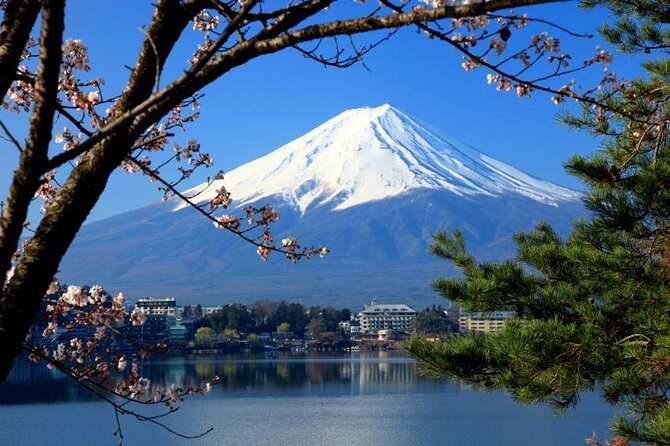
- Mt. Fuji 5th Station is free, and it’s the classic gateway point for seeing the mountain’s scale
- Owakudani’s sulfur-and-steam zone (with the option of the ropeway) makes Hakone feel truly volcanic
- Hakone Shrine’s gate over Lake Ashi is a signature photo moment with an easy stop length
- Lake Ashi cruise (pirate ship) is optional and not included, so it’s a controllable add-on cost
How the 8:00am Tokyo to Hakone Day Fits Together
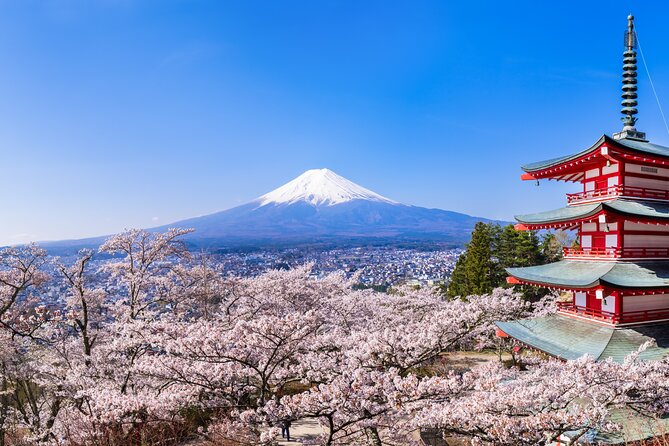
This tour is built as a straightforward day: you start at 8:00am and spend roughly 8 to 10 hours seeing the main Hakone-and-Fuji stops in one go. It’s private, so your group only shares the vehicle with your party. Pickup is offered, and the meeting point is described as being near public transportation, which can help if you want to plan your morning transit.
On the comfort side, I like that you’re not just dropped off and sent off with a map. You’re in an air-conditioned vehicle with WiFi on board, plus bottled water and snacks to keep the day from feeling like one long scramble.
The flow is also realistic: you do a scenic mountain approach, then shift into lake views, then into Hakone’s volcanic core, and finally end with the lake and shrine scenery. That pacing matters. It keeps you from doing the most tiring parts back-to-back, which is a common way day trips end up feeling longer than they are.
You can also read our reviews of more tours and experiences in Tokyo.



Mt. Fuji 5th Station: The Iconic View, Weather-Dependent
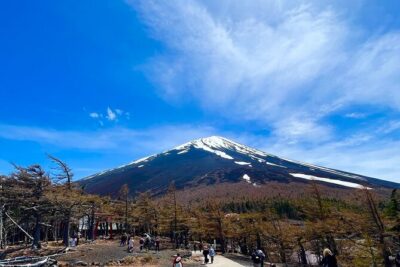
Mt. Fuji 5th Station is the classic starting point for the climbing route, so it carries that instant wow-factor even if you never plan to hike higher. The drive from Tokyo to the station is about 2 hours, and admission here is free, which is a nice bonus.
Here’s the honest part: Fuji is weather-dependent. The tour explicitly notes that you may not see the mountain depending on conditions. That’s not a small detail. If the sky is socked in, you’ll spend time at the station and around Fuji-related viewpoints, but the star of the show may be muted.
The upside is that the schedule doesn’t leave you empty-handed. In at least one case, when Fuji visibility was poor, the guide swapped in Oshino Hakkai instead of proceeding to the 5th station. You can treat that as a signal of how flexible the day can be—if skies don’t cooperate, the focus may shift to another classic Fuji-area sight.
Practical note: plan your expectations around possibilities, not promises. You’re going for the best chance, early start, and the right viewpoints—not a guarantee of a clear peak photo.
Lake Kawaguchi: Fuji Reflections Without the Climb
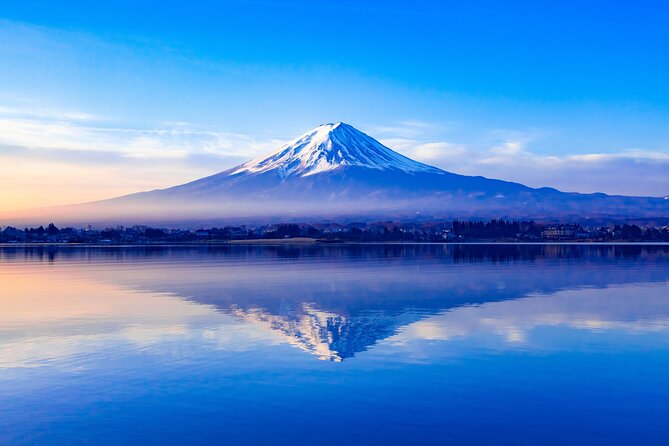
After Fuji’s station, you head to Lake Kawaguchi, one of the most popular spots for seeing the mountain mirrored in calm water. You get about 1 hour here, which is enough time to walk a bit, find a viewing angle, and still stay on schedule.
What I like about this stop is the way it gives you options. You’re not stuck with one view. There’s the direct view of Fuji, and then there’s the classic idea of an inverted reflection on the water when conditions line up.
If Fuji is partially visible, Kawaguchi can still feel satisfying because the lake gives you scale and atmosphere even when the peak isn’t crystal-clear. It’s also a good “reset” stop after time at elevation—your legs get a lighter outing, and you’re back to easy walking.
Owakudani Valley: Hakone’s Volcanic Core in Real Life
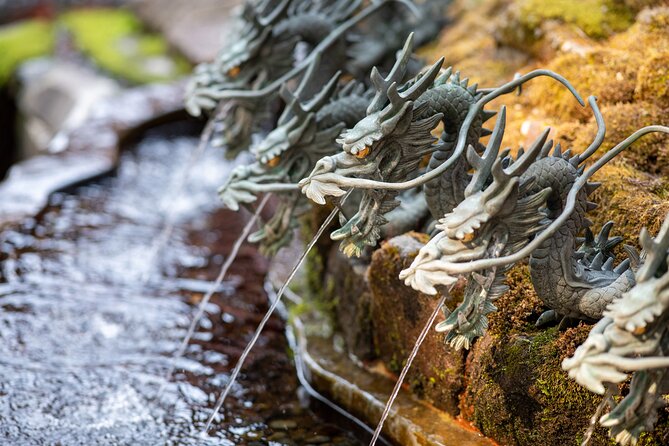
Then you move into Hakone’s volcanic world: Owakudani Valley. This area is tied to the crater created during the last eruption of Mount Hakone about 3,000 years ago. Today it’s an active volcanic zone where you can encounter sulfurous fumes and hot spring activity.
This stop runs about 2 hours, which is a solid chunk of time. You’re not rushed through. You can pause for views, take in the steam, and adjust to the smell and heat level in a way that feels more comfortable than a quick photo stop.
If you want a little extra scenic lift, there’s Hakone Ropeway access as part of the plan, around 30 minutes for the ride time. The important catch: the ropeway admission isn’t included in the base price. So think of it as an optional upgrade rather than a free add-on.
Even without buying every extra ticket, Owakudani is the kind of place where Hakone feels real. The scenery comes with sensory cues—steam, sulfur, and that crater-zone feeling—that make it harder to forget than just another viewpoint.
Hakone Ropeway and Hakone Shrine: Cable Views and the Floating Gate
After Owakudani, the day turns into signature Hakone iconography. The Hakone Ropeway links the volcanic area and gives you a different perspective over the area around Owakudani—part of why people are happy to add the extra ticket cost here.
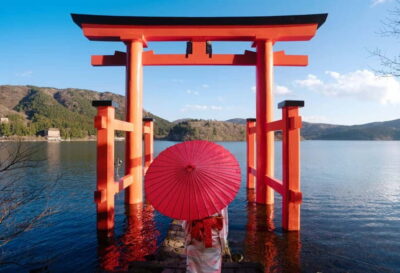
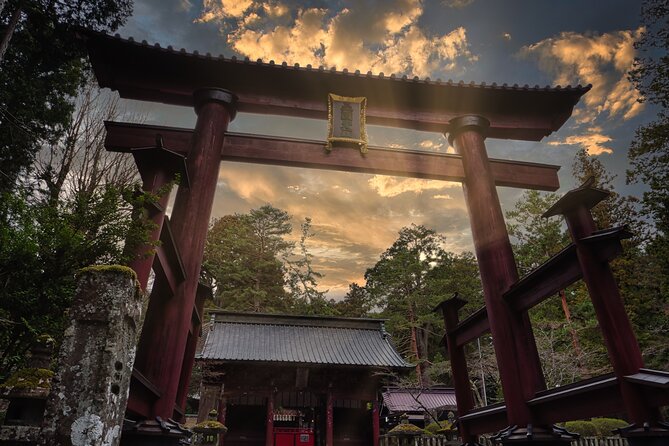
Next is Hakone Shrine / Kuzuryu Shrine, with about 30 minutes on site and free admission. This is an old shrine, originally built in 757, and it’s historically associated with military commanders praying there. You’ll recognize it fast from the big gate view.
The tour description calls out a key photo angle: the gate looks like it’s floating on Lake Ashi. That’s why this stop works so well. You’re not only looking at a shrine structure; you’re framing it like a postcard against the lake and waterline.
This is also where the day stays efficient. Thirty minutes is enough to see the main sights, grab photos, and then get ready for the lake portion without feeling like you’re stuck in one spot waiting for others.




Lake Ashinoko and the Pirate Ship: A Scenic Finish With Extra Ticket Costs
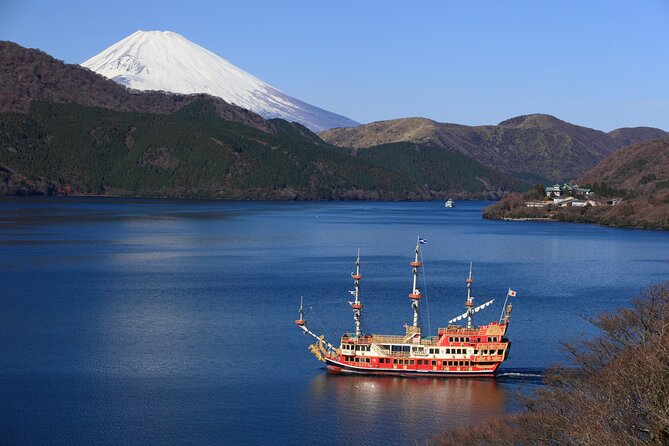
The finale focuses on the lake: Lake Ashinoko (also commonly called Lake Ashi). You get about 3 hours here, and the big experience is a sightseeing boat ride.
From the tour notes, you’ll see it described like a pirate ship—and that nickname matters because it gives you the vibe. This isn’t a silent commuter ferry. It’s a sightseeing cruise designed for views.
The ship ticket isn’t included, but the pricing is clearly listed:
- Adult: 2,200 yen
- Child (under 13): 1,110 yen
On a clear day, the route can offer a breathtaking view of Mt. Fuji and the Hakone Shrine gate from the water. Even if Fuji is faint or missing, the lake views and shrine-water alignment can still be satisfying, since the gate framing is one of the main visual reasons this ride is popular.
If you’re trying to keep costs down, treat the boat as an optional payoff. If you like scenic transport and want an iconic Hakone experience without extra hiking, it’s often worth considering.
What You Actually Pay For: Group Price vs. Ropeway and Boat Add-Ons

The headline price is $972.18 per group, up to 9 people. That’s a group rate, so the value shifts depending on how many seats you fill.
Here’s a simple way to think about it:
- If you fill all 9 spots, you’re effectively around $108 per person
- If you’re only 4 people, it’s more like $243 per person
- For 2 people, it jumps to $486 per person
What you get for that group price is solid for a day like this: an air-conditioned vehicle, WiFi, bottled water, snacks, and admission tickets for key stops (including the Mt. Fuji 5th Station and the shrine).
The two clear non-included add-ons are:
- Hakone Ropeway (30 minutes)
- The Lake Ashi pirate ship ticket (with the yen prices above)
So you’re not paying a mystery surcharge. You can decide on the spot based on sky conditions and your energy level. On a Fuji-clear day, people often want the ropeway and ship for maximum viewpoints. On a cloudy day, you might still enjoy the volcanic and shrine stops without adding as much cost.
Guides Make It Work: From Ryu to Yosuke to Riley and Tomoya
One of the strongest themes in the tour experience is the human factor: the guides and drivers are part of why the day feels smooth instead of chaotic. Names that come up include Ryu (from Outech), Yosuke, Riley (aka Ryoko), and Tomoya.
What I take from those accounts is that the guiding style tends to be pro without being pushy. Explanations are described as not overbearing, and the guide can answer questions without turning the day into a lecture. That matters when you’re moving quickly between viewpoints. You want context, but you also want time to look around and breathe.
Another practical piece: guides in these notes are described as getting groups to the sights and also sticking with you through the process. That reduces the stress of timing—especially on a day where weather can change the plan.
If you care about having someone help you navigate in English while still keeping your day feeling personal, this type of guide-led format is a big part of the value.
Photo and Comfort Tips for Fuji Days
Because visibility is not guaranteed, I treat Fuji travel like a weather game. You start early at 8:00am for a reason: the clearest conditions often come earlier. Even then, clouds can roll in.
A good strategy is to plan for two kinds of success:
- Peak visibility: you chase the classic images at the 5th station, Kawaguchi, and the lake cruise
- Partial or no peak visibility: you focus on shapes, steam, and lake framing, where you can still get strong photos
For comfort, pack like you’ll be moving between cool mountain air and warmer lake/hakone areas. You’ll also spend time around a sulfurous volcanic zone at Owakudani, so think about what you can tolerate outdoors.
Lastly, remember that the day includes a lot of “look up, look out, walk a bit” moments. That’s why the vehicle perks—WiFi, snacks, and water—actually help. They make it easier to keep your energy steady instead of running low between stops.
Who This Mt. Fuji and Hakone Tour Suits Best
This tour is a good fit if you want a lot of iconic Hakone-and-Fuji scenery in one day without wrangling transit connections yourself. The private setup also works well for:
- Families who want one plan and one driver
- Small groups who want flexibility in pace
- Couples who prefer a guided route but don’t want a rigid, hour-by-hour museum feel
It’s also a strong pick if you like having options. You get classic stops with free entry, plus optional upgrades like the ropeway and the lake cruise.
The main mismatch is people who need a guaranteed view of Mt. Fuji. If that’s your one non-negotiable, you’ll have to accept the weather risk—this tour acknowledges it directly.
Should You Book This Mt. Fuji and Hakone Tour?
If you’re excited by both Fuji scenery and Hakone’s volcanic atmosphere, I’d book it—especially if you can fill enough of the group seats to keep per-person costs reasonable. The included vehicle comfort, snacks, bottled water, and onboard WiFi make the long day feel manageable.
The decision comes down to one point: Fuji visibility. If you’re okay with the idea that clouds might change what you can see, the day still offers plenty—Kawaguchi lake views, Owakudani volcanic drama, and the shrine-and-lake gate photo angle.
If you want maximum scenic payoff, plan to consider the Hakone Ropeway and the Lake Ashi pirate ship when conditions look promising.
FAQ
Is pickup offered for this Mt. Fuji and Hakone tour?
Yes. Pickup is listed as offered, and the meeting point is described as being near public transportation.
How long is the tour?
The duration is approximately 8 to 10 hours.
What time does the tour start?
The start time is 8:00am.
Is this a private tour?
Yes. It’s private, and only your group will participate.
What’s included in the price?
The tour includes an air-conditioned vehicle, WiFi on board, bottled water, and snacks. Admission tickets are free for the Mt. Fuji 5th Station and the Hakone Shrine.
What is not included?
The Hakone Ropeway ticket is not included. The sightseeing boat on Lake Ashi (described as a pirate ship) is also not included.
How much does the Lake Ashi pirate ship cost?
Adult tickets cost 2,200 yen, and child tickets under 13 cost 1,110 yen.
Is Mt. Fuji guaranteed to be visible?
No. The tour notes that Mt. Fuji may not be visible depending on weather conditions.
Can I cancel for a full refund?
Yes, free cancellation is available. You can cancel up to 24 hours in advance for a full refund.
Is there a mobile ticket?
Yes. The tour includes mobile ticket access.