REVIEW · TOKYO
Imperial Palace Tour: Discover Samurai History with a Local Guide
Book on Viator →Operated by YURAGI · Bookable on Viator
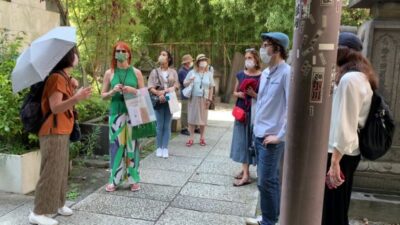
Tokyo’s power story is written in stone and silence. This 2-hour walk through the Imperial Palace East Gardens turns a well-known landmark into a living timeline, tying samurai culture and the politics of the Edo era to what you’re seeing on foot. It’s a calm route, but the explanations bring the place to life.
What I really like here is the small group size (max 8). That tighter setup makes it easier to ask questions and stay focused, instead of tuning out while everyone gets herded from stop to stop. I also appreciate that the big sights you stop at have admission ticket free listed right in the tour flow, so you’re not stuck doing math every time you reach a new checkpoint.
One thing to consider: the start is everything. The tour meets at a specific Starbucks near Kokyo Gaien Wadakura Fountain Park, and one review flagged that the initial challenge was simply finding the guide before the interesting part kicked in. Add that you’ll walk for about 2 hours with a moderate fitness level, and it pays to plan your meeting-point timing.
In This Review
- Key things to know before you go
- Meeting at Starbucks near Wadakura Fountain Park
- Stop 1: Sakurada Tatsumi Yagura watchtower (Edo-era survivor)
- Stop 2: Ni-ju Bashi (Nijūbashi Bridge), the double-arch icon
- Stop 3: Imperial Palace East Gardens and Edo Castle ruins on foot
- Stop 4: Imperial Palace (the emperor’s residence) and the power behind it
- How the 2 hours feel: pace, group size, and practical value
- What you’ll learn: samurai culture, emperors, and political power in one route
- The only real drawback: the meeting-point moment
- Who should book this Imperial Palace East Gardens walking tour?
- Should you book this tour?
- FAQ
- How long is the Imperial Palace Tour with a Local Guide?
- How much does the tour cost?
- How many people are in the group?
- Do I need to pay admission at the stops?
- Where does the tour start?
- Is it a walking tour, and is it suitable for most people?
- Can I use a mobile ticket and bring a service animal?
Key things to know before you go
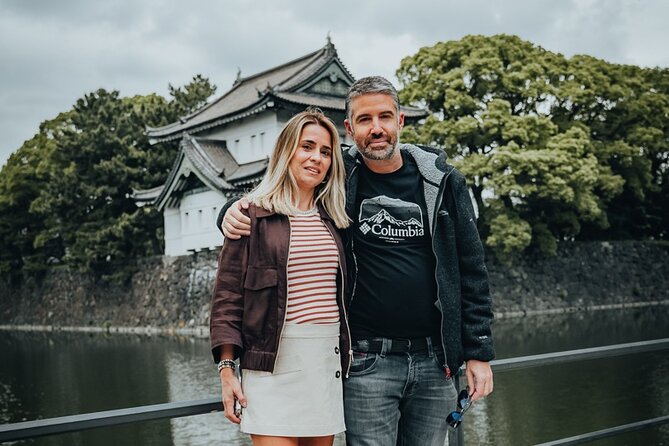
- Max 8 travelers keeps the pace human and the guide’s attention closer
- Mobile ticket means you don’t have to juggle printed paperwork
- Admission ticket free at each listed stop helps your budget feel predictable
- Edo Castle remnants are the thread connecting every photo stop to the samurai era
- East Gardens walking route is scenic and story-led, not just sightseeing
- Tatsumi Yagura and Nijūbashi Bridge give you the most recognizable Imperial Palace visuals
Meeting at Starbucks near Wadakura Fountain Park

The tour’s meeting point is very specific: Starbucks Coffee at Kokyo Gaien Wadakura Fountain Park, 3-1 Kōkyogaien, Chiyoda City, Tokyo 100-0002. You’ll want to arrive with a bit of buffer because the group is small, and the tour is only about 2 hours long total. In practice, that means late arrivals can turn into awkward delays.
I like that it ends back at the meeting point. That makes planning easier when you’ve got dinner reservations or you’re trying to connect to other sights around Chiyoda. You’ll also have a mobile ticket, which is handy in Tokyo, where moving between train lines and walking streets is part of daily life.
The tour is also noted as near public transportation, so you shouldn’t feel stuck if you’re coming from central Tokyo. Still, because the start point matters so much, I’d give yourself extra time to get your bearings before you show up.
You can also read our reviews of more guided tours in Tokyo


Stop 1: Sakurada Tatsumi Yagura watchtower (Edo-era survivor)
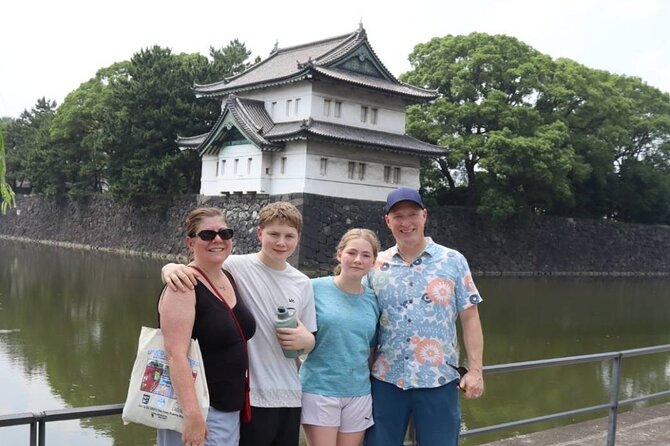
Your first stop is Sakurada Tatsumi Yagura, also known as Sakurada Nijū Yagura. This is a historic two-story watchtower in the Imperial Palace grounds, built during the Edo period. The tour description also notes it as one of the few surviving structures—so it’s not just a pretty viewpoint. It’s a rare physical link to how the area worked in the Tokugawa shogunate era.
When you’re there, look at it like a function, not a postcard. A watchtower tells you someone cared about visibility, security, and monitoring movement. Even if you’re not a military-architecture nerd, the guide’s stories about samurai culture and political power help you “read” the building instead of just staring at it.
Time here is about 30 minutes, and you should use that chunk. Watch how the area around it is laid out and how the watchtower fits into the palace grounds. That contrast—stone structure and quiet surroundings—makes the Edo period feel closer.
Stop 2: Ni-ju Bashi (Nijūbashi Bridge), the double-arch icon
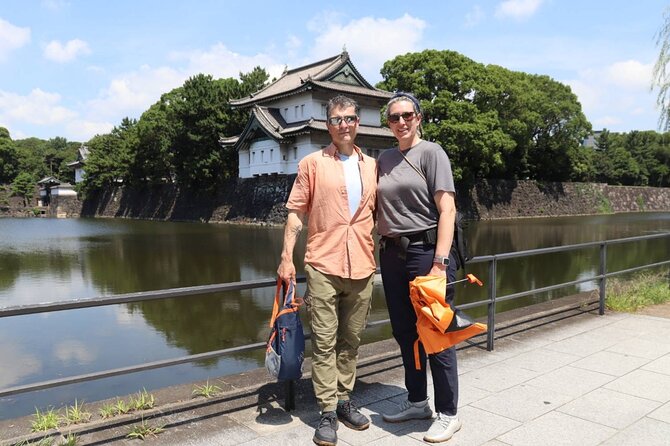
Next comes one of Tokyo’s most photographed Imperial Palace views: the Two-tiered Bridge, also called Ni-ju Bashi or Nijūbashi Bridge. The core detail is the elegant double-arched stone design spanning the moat. It’s presented in the tour as the main approach to the inner grounds, which is exactly why it matters.
This is one of those stops where timing and angle can make a big difference for your photos. The guide’s context matters too: a bridge like this is not just a crossing. It’s a statement about order, power, and controlled access—ideas that connect to the Tokugawa shogunate and the broader samurai world the tour talks about.
You only spend about 15 minutes here, so don’t treat it like a long break. Instead, use it efficiently: a couple of minutes for understanding what you’re looking at, then a couple of minutes for photos, then move on. The rest of the tour is where that first “wow” gets turned into meaning.
Stop 3: Imperial Palace East Gardens and Edo Castle ruins on foot
The heart of the walk is the Imperial Palace East Gardens, described as the public area on the former grounds of Edo Castle. This is where stone walls, gates, seasonal flowers, and traditional Japanese landscaping show up in the same route. It’s also where the tour connects the physical remnants to the bigger story of Japanese emperors and the political power shaping Japan.
What I like about this part is that it’s not only about monuments. You’re walking paths, seeing how space is organized, and picking up how the Edo Castle layout influenced what you can observe today. Stone ruins and gates have a way of making history feel less abstract because they force you to deal with scale and placement.
The garden stop is about 30 minutes, which is long enough to slow down but short enough to keep energy up. If you want a good balance between photos and listening, this is the place to do it. Also, because seasonal flowers are mentioned, your experience may feel a little different depending on when you go. Even then, the story thread should stay consistent: the Tokugawa shogunate era leaving traces behind.
One practical note: since this is a walking tour, the garden pace is part of the experience. You’re not racing. You’re absorbing—step by step—what the guide explains about emperors, samurai warriors, and the political forces behind their world.
Stop 4: Imperial Palace (the emperor’s residence) and the power behind it
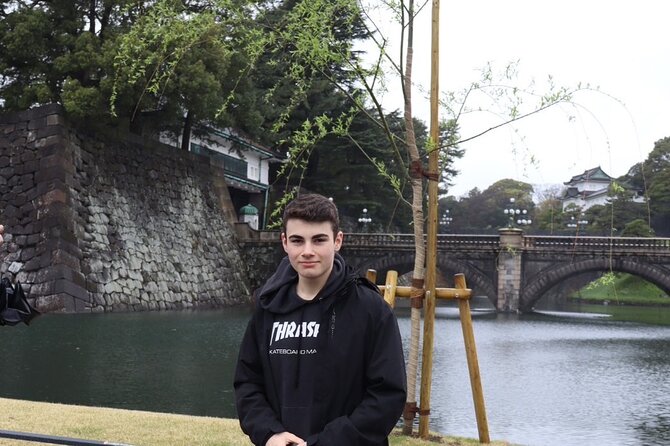
The final major sight is the Imperial Palace itself—listed as the residence of the Emperor of Japan and a major Tokyo landmark in Chiyoda Ward. The tour also mentions that the site features moats and beautiful Imperial Palace East Gardens nearby, connecting the palace imagery to the calmer walking you’ve already done.
This stop works well as a “wrap-up in place.” Earlier you saw pieces of Edo Castle and distinctive structures like watchtowers and bridges. Here, you’re looking at the living center that still defines the area’s identity. The tour frames it through stories of Japanese emperors and the shift from samurai-era power structures to later imperial leadership in Japan.
Time is again about 30 minutes, which gives you room to take in the general layout without feeling rushed. If you’re the type who enjoys understanding why places are arranged the way they are, pay attention to how moats and stone elements create separation and control. Even if you never get close to everything, the way the area is presented helps you understand the theme of political power that runs through the tour.
You can also read our reviews of more historical tours in Tokyo





How the 2 hours feel: pace, group size, and practical value
At $12.90 per person for about 2 hours with a small group (up to 8), this is priced like a local-guided orientation, not a high-end private tour. And that’s a good thing. You’re paying for context: the guide’s commentary that connects Edo Castle remnants, iconic structures like Nijūbashi Bridge, and the broader samurai-and-imperial storyline.
Because the tour highlights the listed stops as admission ticket free, your money is mostly going toward interpretation and guided time, not repeated entry fees. For me, that’s what turns a “walking around” activity into actual value. Tokyo can be expensive quickly, so I like seeing a tour where the core sights aren’t each another charge.
The time breakdown also helps. You’re not spending the whole tour inside one area. You rotate through the watchtower, the bridge, the gardens, and the palace grounds, with short photo and listening windows that keep the pacing comfortable.
One more practical win: the tour starts and ends back at the meeting point. That means you can tack it onto a half-day of exploring Chiyoda without worrying about getting stuck across town. And since it’s near public transportation, you can usually plan your next stop without stress.
What you’ll learn: samurai culture, emperors, and political power in one route
The tour description promises stories about samurai warriors and Japanese emperors, plus the political power that shaped Japan’s past. That theme is important, because Tokyo’s Imperial Palace area can otherwise feel like just another “big famous place” with lots of rules.
Here, the guide’s role is to connect the physical details to the human story. A watchtower isn’t just a structure; it’s a way of watching and controlling space. A bridge isn’t just a bridge; it’s the visual and ceremonial approach that tells you what matters and what’s restricted.
I also like that the tour frames everything in relation to the Tokugawa shogunate through Edo Castle. That gives you a clear historical anchor as you move. You’ll finish the walk with a better sense of how samurai power and governance shaped the environment you’re walking through today.
The only real drawback: the meeting-point moment
As mentioned earlier, one review hit a snag at the beginning: they couldn’t find the guide at first. That’s not a dealbreaker, but it is a useful warning. In a small-group experience, the “first five minutes” can feel important, especially if you arrive unsure.
So here’s my practical advice: do not cut it too close. If you’re coming on foot from another nearby site, add time for getting oriented around Wadakura Fountain Park. Once you’re inside the tour rhythm, it’s the kind of experience where the details and explanations do the heavy lifting.
Also remember the tour calls for moderate physical fitness. This is a walking route across garden paths and palace grounds, so wear shoes you’d actually want on after a long day in Tokyo. Light comfort matters more than people think.
Who should book this Imperial Palace East Gardens walking tour?
You’ll like this tour if you want a guided way to understand the Imperial Palace grounds without spending your entire time staring at signs. It’s especially good for first-time visitors to Tokyo who want a structured introduction to the palace area and the Edo Castle remnants within it.
I’d also recommend it if you enjoy history that you can see. The combination of Sakurada Tatsumi Yagura, the Nijūbashi Bridge, and the East Gardens gives you multiple physical anchors to remember. The samurai and emperor storyline then ties those anchors together.
On the other hand, this might not be your best choice if you’re looking for long, unbroken time at one single spot or if you dislike walking. The tour is tight by design—about 2 hours—so it’s more “focused route with context” than “hang out as long as you want.”
Should you book this tour?
Yes, I think it’s worth booking if you want real guidance in one of Tokyo’s most meaningful areas. The standout ingredients are the small group (max 8), the story-driven stops (watchtower, bridge, East Gardens, palace grounds), and the fact that the core stops are listed as admission ticket free. At $12.90, you’re paying for context at a price that won’t sting your day budget.
Just go in smart: arrive early enough to find the meeting point without panic. If you do that, you’ll spend your limited tour time on what matters—understanding how Edo Castle and the Tokugawa era echo through what you see now.
FAQ
How long is the Imperial Palace Tour with a Local Guide?
It runs for about 2 hours (approx.).
How much does the tour cost?
The price is $12.90 per person.
How many people are in the group?
The tour has a maximum of 8 travelers.
Do I need to pay admission at the stops?
The listed stops include admission ticket free.
Where does the tour start?
It starts at Starbucks Coffee – Kokyo Gaien Wadakura Fountain Park, 3-1 Kōkyogaien, Chiyoda City, Tokyo 100-0002, Japan.
Is it a walking tour, and is it suitable for most people?
It’s a walking tour and is noted for travelers with a moderate physical fitness level.
Can I use a mobile ticket and bring a service animal?
The tour uses a mobile ticket, and service animals are allowed.