REVIEW · TOKYO
2 Days Tokyo ,Mount Fuji / Hakone Private Tour from Tokyo
Book on Viator →Operated by Xplor Japan · Bookable on Viator
Two days is enough to hit the big wow moments. This private Tokyo-to-Hakone trip bundles sightseeing, driving, and a clear plan so you can focus on views, temples, and market snacks.
What I like most is the private transportation that keeps logistics from eating your daylight, and the tight routing that fits Tokyo highlights and Hakone scenery into one smooth flow.
One thing to plan around: clear weather isn’t guaranteed, and a few top sights have extra ticket costs beyond the tour price.
A major plus is the guide quality—Ryu is praised for friendly energy and packing in Japan history details that make the stops feel less like checkboxes. I also like that the Mount Fuji moments are built around viewpoints and photo-worthy stops, not random pull-offs.
Just keep expectations realistic: if clouds roll in, you’ll still get a very good day in Hakone, but the iconic Fuji backdrop can be hit-or-miss.
In This Review
- Key Highlights Worth Your Time
- How the Private Setup Changes Your Tokyo-to-Hakone Timing
- Entering Imperial Palace East Gardens: calm before the crowds
- Tsukiji Outer Market: best used for snacks and people-watching
- Tokyo Skytree: choose the height experience, pay the ticket
- Senso-ji Temple and Takeshita Street: old Tokyo meets fashion Tokyo
- Chureito Pagoda: the Fuji photo stop you’ll understand fast
- Kitaguchi Hongu Fuji Sengen Jinja: a Mount Fuji shrine in the forest
- Oshino Hakkai and Lake Ashi: two kinds of water magic
- Hakone Ropeway and Owakudani: volcanic scenery you can feel
- The Travel Value: what you’re really paying for
- Tickets, Lunch, and Photo Planning Without Getting Stressed
- Who This Tour Fits Best
- Should You Book This Tokyo + Hakone Private Tour?
- FAQ
- What does the tour cost and what’s the group size?
- Does the tour offer pickup in Tokyo?
- Is this a private tour?
- Are tickets for Tokyo Skytree, Hakone Ropeway, or the Lake Ashi cruise included?
- Is lunch included?
- Is there a mobile ticket?
- What happens if the weather is poor for seeing Mount Fuji?
Key Highlights Worth Your Time
- Private, air-conditioned car for both days, with parking and tolls handled
- English-speaking driver/guide who brings context, not just directions (Ryu is singled out for history stories)
- Tokyo classics in one day: Imperial Palace East Gardens, Tsukiji Outer Market, Tokyo Skytree, Senso-ji, Takeshita Street
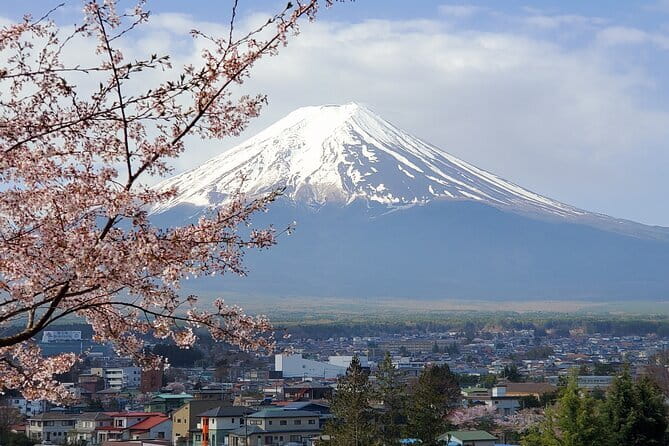
- Hakone Mount Fuji viewpoints built into the day with Chureito Pagoda and Lake Ashi photo time
- Volcanic Hakone stop at Owakudani with steam vents and dramatic scenery
- Mobile tickets and a 2-day format that reduces transfer stress
How the Private Setup Changes Your Tokyo-to-Hakone Timing
This is a true private tour for your group (up to 5), so you’re not squeezed into a big bus with a fixed pace. You start at 8:00am, and the plan runs across about two days, with your guide and driver handling the driving, parking, and tolls. That matters in Tokyo, where transfers can turn into time-sinks if you’re doing it yourself.
The vehicle is air-conditioned, which is a big quality-of-life upgrade on hot days or when weather shifts. And because it’s private, you can usually move with the group instead of waiting for everyone to catch up across multiple transit lines.
You’ll also see a clear split in the kind of stops you get. Tokyo is about landmarks you can’t easily “accidentally” plan well—then Hakone is about scenery and views that really reward a planned route.
You can also read our reviews of more private tours in Tokyo

Entering Imperial Palace East Gardens: calm before the crowds
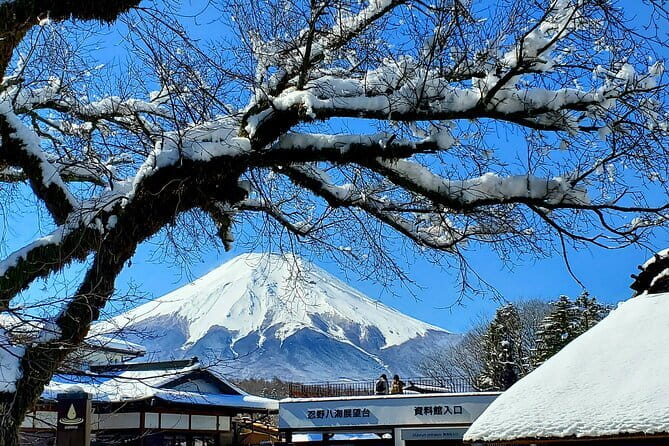
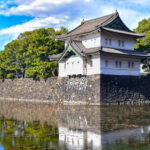
Your Tokyo day starts with the East Gardens of the Imperial Palace (Edo Castle ruins). It’s a strong opener because it gives you a peaceful green pocket right at the start of an otherwise high-energy itinerary. Even if you’re not deep into architecture or feudal history, the layout makes it easy to slow down and reset your pace.
You’ll have about 1 hour, and that timing is perfect: enough time to walk and take photos, without turning it into a marathon. This stop is also free, so it’s an easy win early in the day.
What to watch for: the gardens are well-landscaped and designed for strolling, so wear shoes you don’t mind walking in. If you’re the kind of traveler who hates feeling rushed, this is the stop that sets you up well for the rest of Tokyo.
Tsukiji Outer Market: best used for snacks and people-watching
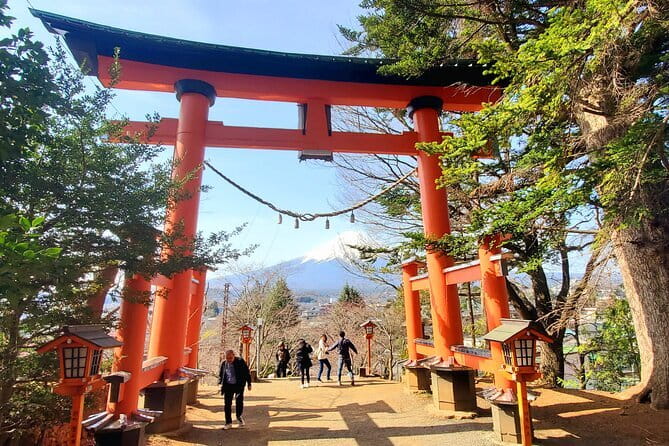
Next up is Tsukiji Outer Market, with about 1 hour. This is the part of Tokyo that sells the idea of Japan as a food culture, and it’s one of the easiest places to spend time without needing a reservation.
The tour keeps it practical: you get market time without turning your morning into an overly scripted restaurant stop. You can focus on small bites—seafood treats, hot snacks, and quick tastes—then move on before you start feeling like you’ve out-stayed your appetite.
One caution: the market can feel tightly packed, and you’ll be on your feet. If you have mobility challenges, this is still “doable,” but you’ll want to take it slow.
Tokyo Skytree: choose the height experience, pay the ticket
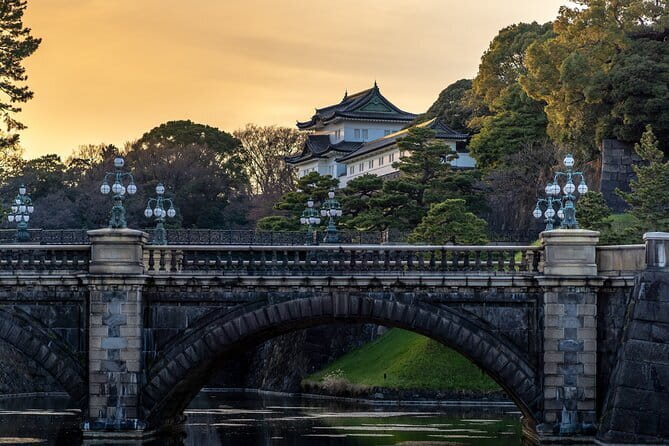
Then you head to Tokyo Skytree for about 1 hour. This is one of those landmarks where the payoff depends on what you want from it. If you want skyline views, it’s worth the time. If you’re more interested in street-level Tokyo, you might treat it as a quick stop for photos and then keep moving.
Important budget note: Tokyo Skytree admission isn’t included, and the tour lists ¥3,400 per person. That’s not a small add-on, so I’d treat it like a deliberate choice: if you love panoramic views, plan for it. If you don’t care much about tall-building viewpoints, you could spend more time elsewhere with the guide (if the schedule allows).
The upside is that this stop fits naturally in a day that already includes major cultural sites. Skytree gives you a high-level sense of scale—Tokyo looks like a different city when you see it from above.
Senso-ji Temple and Takeshita Street: old Tokyo meets fashion Tokyo
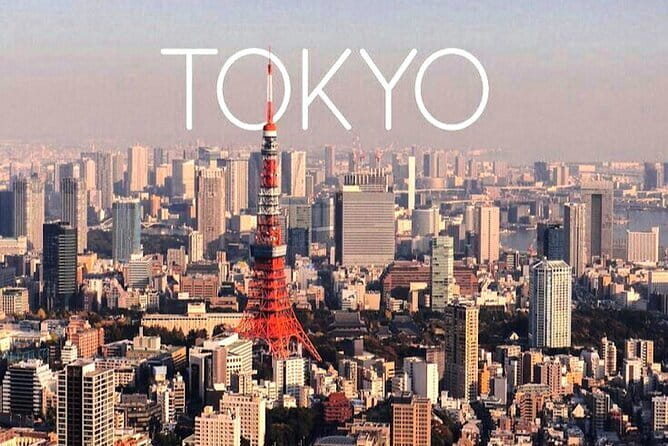
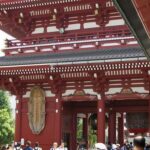
After Skytree, you’ll visit Senso-ji Temple (about 1 hour, free admission). This is classic Tokyo in the best way: a major temple with iconic atmosphere, easy landmark navigation, and plenty of photo spots without needing deep planning.
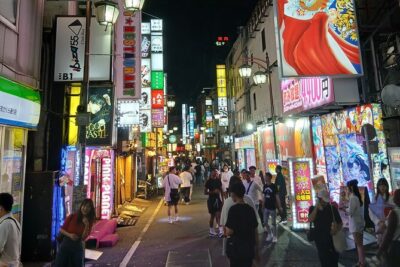
Then comes Takeshita Street for about 1 hour. This is where the energy flips from temple calm to youth fashion and street style. It’s fun and a bit chaotic—in a good, candy-colored way. It also helps balance your day: if you’ve been walking history-focused places, this kind of street time is a relief valve.
Practical tip: plan on browsing rather than hunting for a perfect souvenir. This area rewards quick wandering and people-watching. And if you want photos without constant foot traffic in your face, a little pacing helps—don’t rush through, but don’t stand in one spot for too long either.
You can also read our reviews of more tours and experiences in Tokyo
Chureito Pagoda: the Fuji photo stop you’ll understand fast
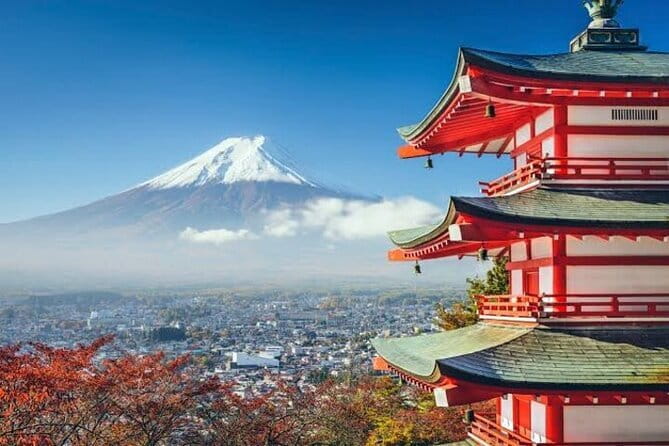
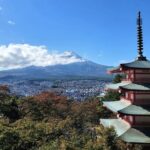
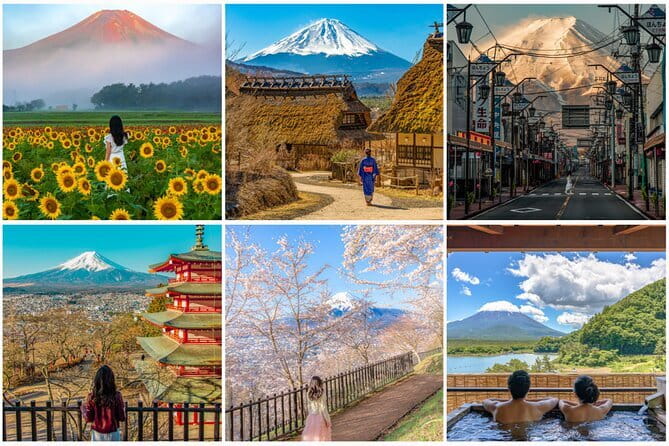
On day two, you head toward Hakone for Mount Fuji viewpoints, starting with Chureito Pagoda for about 1 hour. This stop is famous for a reason: it’s one of the most recognizable ways to see Fuji framed by a classic pagoda shape.
Here’s the key thing to know: the tour is designed around “best viewpoints,” but weather controls what you can actually see. If the day is clear, this is pure photo gold. If clouds soften things, you’ll still get a great cultural sight and a sense of place—just with less dramatic Fuji visibility.
The practical value of having a guide here is pacing. Your time is limited, so you want to get set up without wasting it looking for where to stand.
Kitaguchi Hongu Fuji Sengen Jinja: a Mount Fuji shrine in the forest
Next is Kitaguchi Hongu Fuji Sengen Jinja Shrine (about 30 minutes, free). This is a shorter stop, which is good—think of it as a cultural pause between big scenery moments.
The shrine is dedicated to Mount Fuji worship, and being in a forested area changes the mood from Tokyo’s streets. This kind of stop helps you understand that Fuji isn’t just a view. It’s a spiritual landmark in Japanese culture.
For your visit, the best move is simple: walk slowly, observe the details, and don’t treat it like a rushed photo station. Even though the stop is short, it’s designed for that “slow look” feeling.
Oshino Hakkai and Lake Ashi: two kinds of water magic
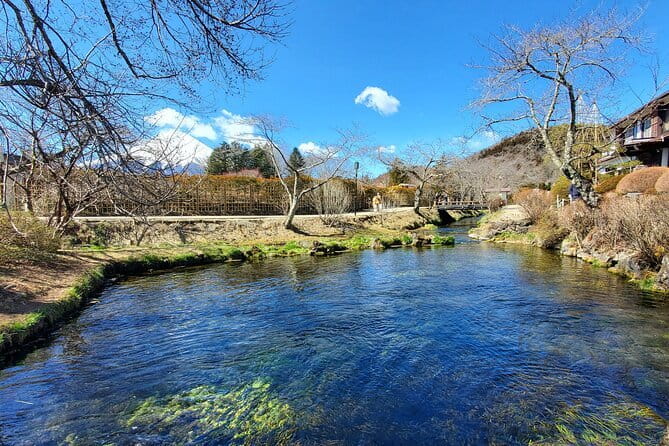
Then you move to Oshino Hakkai (about 1 hour, free). This is a set of ponds fed by snowmelt that filters through volcanic rock, which gives the water a clean, mirror-like look. It’s a great stop because it’s calmer than the bigger attractions and gives you a break from constant walking.
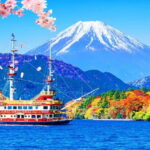
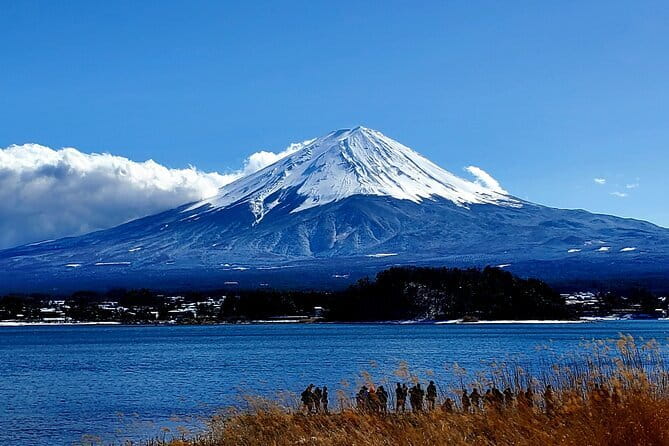
After that, you visit Lake Ashinoko for about 1 hour (free to enter). This is where the Fuji view often gets its second chance. The lake’s wide setting gives you more angles to catch clear-sky conditions.
Also worth knowing: the Lake Ashinoko cruise ship fee isn’t included, and it’s listed at ¥1,200 per person. If you want that extra perspective over the water, this is where you’d plan for the cost. If you’d rather keep your time on land for photos and walking, you can still enjoy the lake without adding it.
My advice: treat Lake Ashi as a “choose-your-own-photo” stop. If Fuji is visible, linger. If not, enjoy the lake scene anyway and don’t get stuck waiting forever.
Hakone Ropeway and Owakudani: volcanic scenery you can feel
Next is Hakone Ropeway (about 30 minutes). The ropeway gets you up toward Mount Komagatake, with views back over Lake Ashi and toward Fuji when conditions cooperate. Admission is not included, listed at ¥1,500 per person, so again: decide if you want the ride for the elevation payoff.
After that you reach Owakudani Kurotamago Kan (about 40 minutes, free). This is the volcanic valley stop—steam vents, hot-sulfur atmosphere, and that unmistakable “Hakone is real” feeling. It’s one of the strongest sensory parts of the day because you’re not just looking at scenery; you’re surrounded by it.
If you’re sensitive to strong smells or steam, plan to move with the group and keep water on hand. You don’t need a long time here to understand why it’s famous.
The Travel Value: what you’re really paying for
At $811 per group (up to 5), the headline cost can feel high until you break down what’s actually included. You’re paying for a two-day private setup that includes an English-speaking driver/guide, an air-conditioned vehicle, plus gas, tolls, and parking. Those items are where DIY planning often gets messy in Japan.
If you max out the group size, you’re roughly looking at about $162 per person for two days of guided driving and logistics. Then you add what’s not included: lunch and several attraction tickets.
So the value math depends on you:
- If you want a hands-off plan and don’t want transit math, it can be very fair.
- If you enjoy routing and transfers on your own, you’ll compare it to buying trains and tickets separately and decide if the savings are worth the hassle.
I also like that it’s timed well for sightseeing: Tokyo highlights first, then the Fuji/Hakone day. It keeps the trip from feeling like two separate vacations stitched together.
Tickets, Lunch, and Photo Planning Without Getting Stressed
A few notable ticket items are not included: Tokyo Skytree (¥3,400 pp), Hakone Ropeway (¥1,500 pp), and the Lake Ashinoko cruise (¥1,200 pp). Your tour time for those places is already built in, so you’re not left guessing where you’ll fit them.
Lunch is also not included. That’s common for private tours, but it does mean you should plan for meals on the way rather than expecting a lunch stop. With a guide, you’re usually in better shape because they can steer you toward what’s practical for your route and timing.
Weather note: the experience requires good weather. If it’s canceled due to poor conditions, the tour offers a different date or a full refund. I’d treat Fuji day like a “hope for clarity, accept the plan either way” situation, because the itinerary still includes plenty of rewarding sights beyond just Fuji silhouettes.
Who This Tour Fits Best
This is a smart choice if:
- You want Tokyo highlights plus Hakone views without coordinating trains, transfers, and parking.
- You prefer a private pace over a group bus schedule.
- You care about having an English-speaking guide to add context at temples and cultural stops.
It also works well for couples and small families because it’s private and you can keep everyone moving together. If your group is highly budget-driven and comfortable doing transit on your own, you might compare options. But if you want your time to feel planned and low-stress, this format is hard to beat.
Should You Book This Tokyo + Hakone Private Tour?
I’d book this tour if you value time and comfort more than squeezing every last yen. The private car, English-speaking guide, and two-day structure do the heavy lifting, and you get multiple Fuji-related viewpoints rather than a single shot at luck.
You should think twice if you’re strongly price-sensitive for add-on tickets (Skytree, ropeway, and the lake cruise) or if you’re the kind of traveler who gets frustrated by weather uncertainty around Fuji. If you can roll with that, the overall experience feels worth it because it compresses a lot of classic sights into two days without the usual chaos.
If you tell me your travel dates and whether your group is more into food, photos, or history, I can help you judge whether the paid viewpoint stops match your style.
FAQ
What does the tour cost and what’s the group size?
It costs $811.00 per group, and the group size is up to 5 people.
Does the tour offer pickup in Tokyo?
Yes, pickup is offered, with the start time listed as 8:00am.
Is this a private tour?
Yes. It’s a private tour/activity, and only your group participates.
Are tickets for Tokyo Skytree, Hakone Ropeway, or the Lake Ashi cruise included?
No. Tokyo Skytree admission (¥3,400 per person), Hakone Ropeway (¥1,500 per person), and the Lake Ashinoko cruise ship (¥1,200 per person) are not included.
Is lunch included?
No. Lunch is listed as not included.
Is there a mobile ticket?
Yes, the tour includes a mobile ticket.
What happens if the weather is poor for seeing Mount Fuji?
The experience requires good weather. If it’s canceled due to poor weather, you’ll be offered a different date or a full refund.