REVIEW · TOKYO
Hakone Private Two Day Tour from Tokyo with Overnight Stay in Ryokan
Book on Viator →Operated by Japan Awaits · Bookable on Viator
Hakone in two days without the scramble. This tour bundles transport, sightseeing, and a true ryokan night, so you can focus on the views instead of planning. You’ll see the highlights across two pacing modes too: a guided day one, then independent time on day two.
Two things I really like: you get Lake Ashi cruising time and the Hakone Ropeway/Owakudani area when weather cooperates, and you also get a traditional inn setup with tatami rooms and breakfast included. The second big win is the ticket-and-transfer load is handled with the Hakone Free Pass plus your Tokyo–Hakone rail round-trip via Odawara, which cuts down on ticket hunting.
One possible drawback: some of the “wow” moments tied to Mt. Fuji are weather dependent, and you’ll also pay extra for popular add-ons like certain ropeway segments or museum galleries.
In This Review
- Key highlights worth planning around
- A Two-Day Hakone Plan That Actually Feels Relaxed
- Picking the Right “Included” Sights in Hakone
- Getting to Hakone: Tickets and Transfers That Save Time
- Day 1: Lake Ashinoko, Ropeway Area, and the Classic Hakone Loop
- The Ryokan Night: Tatami, Futon, and Real Japanese Inn Rhythm
- Day 2: Independent Exploring in a Gora-Style Garden Setting
- Weather, Mt. Fuji, and How to Not Feel Let Down
- Price and Value: What You’re Really Paying For
- Who This Tour Fits Best (and Who Might Prefer Something Else)
- Practical Tips Before You Go
- Should You Book This Hakone Private Tour?
- FAQ
- How long is the Hakone tour?
- What’s included with the overnight stay?
- Does the tour include transportation from Tokyo to Hakone?
- Are meals included besides breakfast?
- Does the tour guarantee Mt. Fuji views?
- What’s the meeting point and start time?
Key highlights worth planning around
- Ryokan overnight with breakfast so you don’t have to book lodging on your own
- Hakone Free Pass + Shinkansen round-trip to Odawara, plus local transport coverage
- Day 1 guided flow that helps you move efficiently between Hakone’s zones
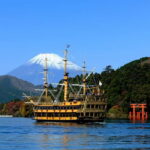
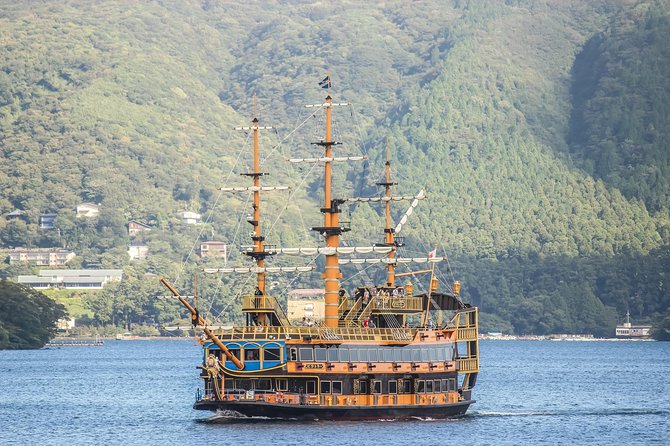
- Lake Ashi and the pirate-ship cruise option for classic views (best in clear weather)
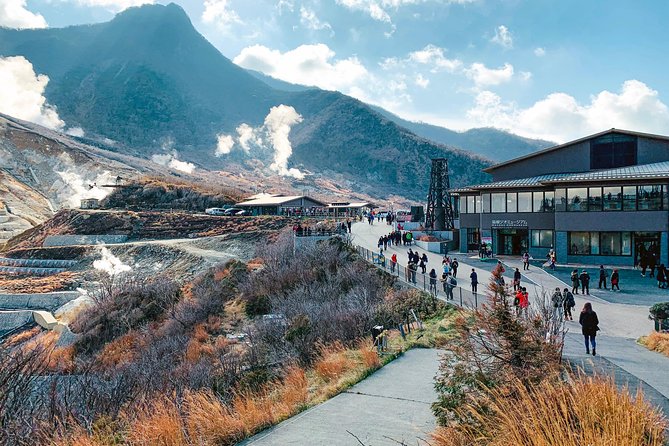
- Owakudani Ropeway in good weather for volcanic scenery at Boiling Valley
- Independent day 2 exploring with a self-guided garden stop
A Two-Day Hakone Plan That Actually Feels Relaxed
Hakone can be confusing fast. You’re hopping between lake views, volcanic valleys, museums, and hot-spring towns, and public transport is spread out. This tour solves that by building a tight route across two days instead of trying to do everything in one long sprint.
I also like the structure: day one gives you a guided roadmap and ticket timing help. Day two lets you break away and explore on your own, which is where Hakone starts to feel more personal and less like a checklist.
You can also read our reviews of more private tours in Tokyo

Picking the Right “Included” Sights in Hakone
This is not just a bus tour. It’s built around a handful of Hakone anchors, then fills in surrounding experiences so you’re not constantly repeating the same view angles. The standout names you’ll see in the mix include Lake Ashi, the Hakone Ropeway/Owakudani area, Owakudani volcanic scenery, Hakone Open-Air Museum, and time connected to the Old Tokaido Road area.
The tour’s great at connecting the dots between those anchors. Lake Ashi is the easy-to-fall-in-love-with star, while Owakudani adds drama with the volcanic setting. The museum and checkpoint stops add a calmer, culture-focused counterweight, so the day doesn’t feel like pure sightseeing motion.
Getting to Hakone: Tickets and Transfers That Save Time
Your trip runs out of Shinjuku Station with a 7:30 am start and an end back at the same Shinjuku location. Pickup is offered, and the drop-off can be adjusted at your hotel or train station if you coordinate with the guide.
For transport, you’re covered in a practical way: the tour includes a Shinkansen round-trip from Tokyo to Hakone (Odawara Station) and the Hakone Free Pass, plus bus fares and the mountain train and cable cars within Hakone. You also get fuel surcharge and a mobile ticket, which helps if you want fewer paper tickets cluttering your day.
One detail I appreciate: the tour is private in the sense that only your group participates. Still, it moves in a guided, schedule-based way rather than a slow, custom wandering style.
Day 1: Lake Ashinoko, Ropeway Area, and the Classic Hakone Loop
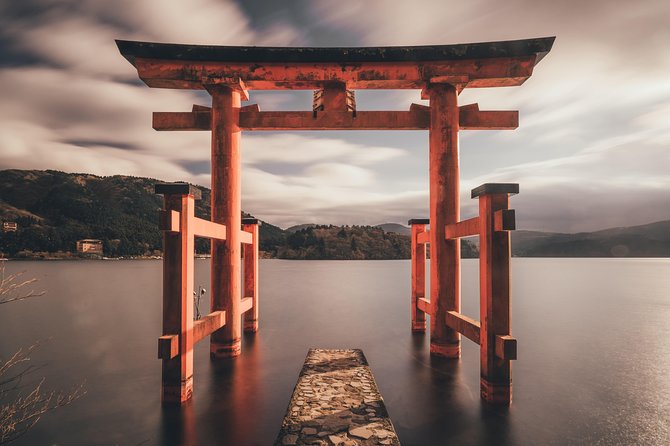
Day one is your guided workhorse. You start with Lake Ashinoko (Lake Ashi)—a crater lake setting that frames everything else you’ll do. Expect a scenic stop with a relaxed pace for photos and atmosphere; admission here is free.
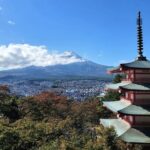
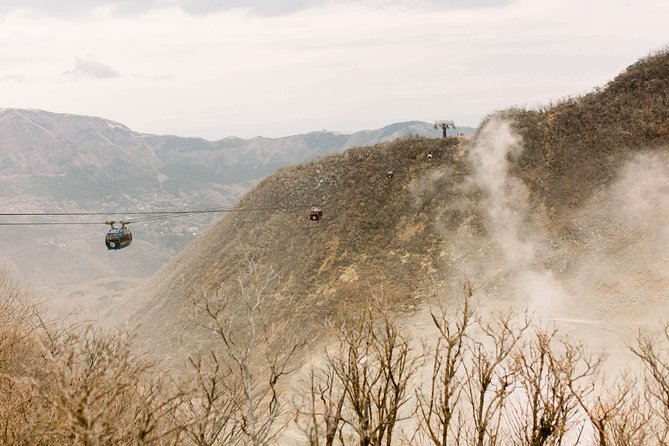
From there, you move into the ropeway world. You’ll have a Hakone ropeway segment at the Hakone Komagatake area, and the itinerary also builds in the bigger volcanic viewpoint option: Owakudani Ropeway. When conditions are good, this is where you get to see volcanic activity at Boiling Valley, and you may also catch Mt. Fuji in the distance. If weather isn’t clear, plan for the volcanic scenery to be the star instead of Fuji.
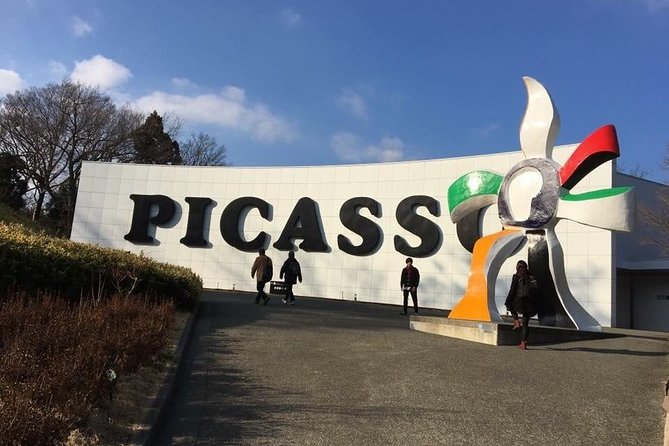
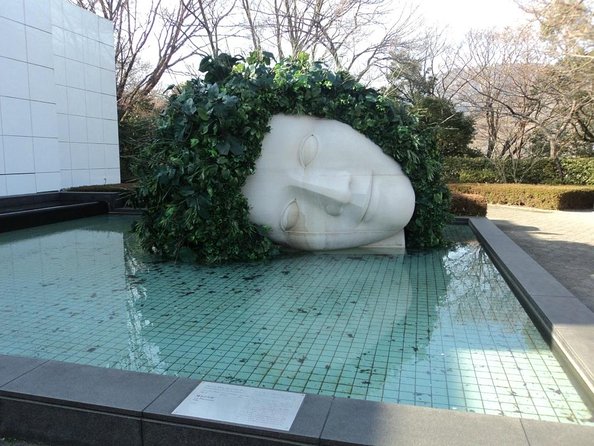
Next comes the museum/culture layer. Hakone Open-Air Museum is Japan’s first open-air museum and it’s known for major sculpture and gallery space (including collections that feature famous artists like Picasso and Henry Moore). If you want the optional add-on pieces—like the Picasso gallery—you can choose based on your interests and budget.
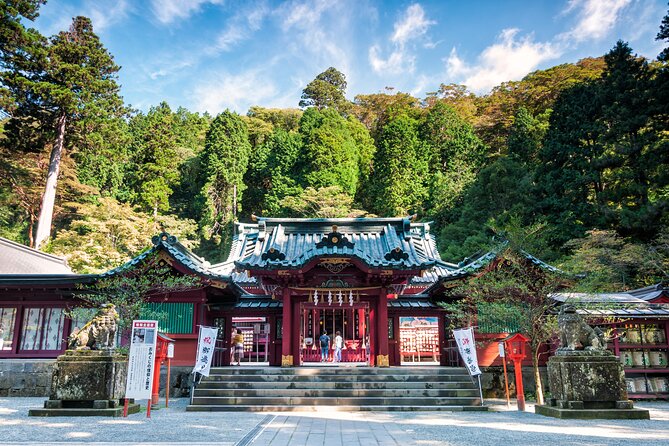
Then you’ll add Shinto and historic texture around the lake. You’ll visit Hakone Shrine on the shores of Lake Ashi, and you’ll also encounter a hot-spring related shrine vibe associated with Hakone’s long onsen tradition. These stops are free, but they’re not throwaway. The shrine sits right in the scenery zone, so it feels like a pause rather than a stop between stops.
After that, the day turns more “old Japan” and less “view deck.” You’ll visit Hakone Sekisho and the Sekisho Museum, a restored-era checkpoint with gates, fencing, housing for officers and foot soldiers, a prison chamber, and a lookout tower. Even if you don’t read every sign, the structure helps you picture how movement and control worked in earlier Japan.
The day wraps with a garden/pause stop at Hakone Gora Park, a French-styled landscaped park with a fountain and rose garden, plus a relaxed feel that’s perfect after a full day of moving around.
The Ryokan Night: Tatami, Futon, and Real Japanese Inn Rhythm
The ryokan portion is the whole reason this tour is more than a “see Hakone” day trip. You get one night in a ryokan with hotel breakfast included. Rooms are non-smoking, and smoking is handled in designated outside areas.
Inside, you should expect tatami floors with futon sleeping arrangements laid out for you. That’s the classic ryokan feel, and it’s also practical to know in advance: you’ll be sleeping close to the floor, on futon bedding. If you prefer higher beds, this is something to factor into your comfort level.
Your ryokan accommodation is listed as 3-star, so it’s not luxury-only. If you want something more upscale, there’s an option for a 4- or 5-star hotel or ryokan, typically with an added cost.
One more practical note: breakfast is included, but meals and snacks are not included otherwise. There is an optional kaiseki dinner on the first night, listed at 15,000 JPY per person, which is the main way most people round out the evening. If you like the idea of the full inn experience, kaiseki is the add-on to consider.
You can also read our reviews of more tours and experiences in Tokyo
Day 2: Independent Exploring in a Gora-Style Garden Setting
Day two keeps the pace lighter. After the guided day one, you get time to explore on your own with less handholding. That independence can be a plus if you want to linger, get coffee, or just pace yourself after yesterday’s ropeway and shrine stops.
Your day includes a self-guided western-style hillside botanical garden stop with a tea house and greenhouses. That’s a very different mood from volcanic valleys and lake cruises, and it’s a smart contrast. This is the kind of place where you don’t need a strict agenda—just time to stroll and reset.
Even with an independent feel, you’re still supported. The tour includes transportation within Hakone, and the overall schedule is structured so you can enjoy the second day without second-guessing how to get from point A to point B.
Weather, Mt. Fuji, and How to Not Feel Let Down
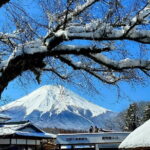
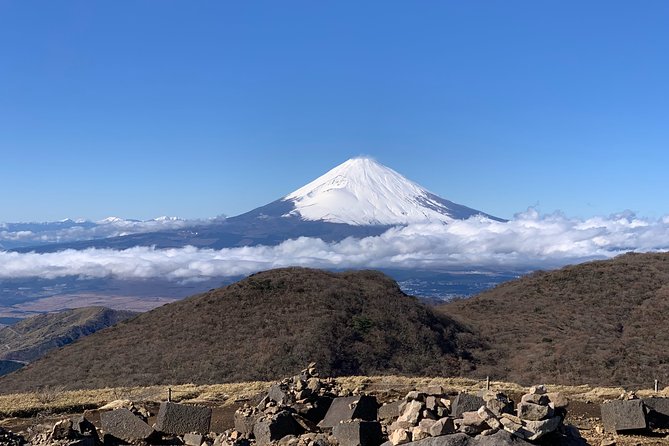
This tour can include Mt. Fuji glimpses, but it does so in a conditional way. The itinerary notes Mt. Fuji views specifically tied to the Owakudani Ropeway and the Lake Ashi cruising segment, both in good weather.
So here’s the practical mindset I’d use: treat Mt. Fuji as a bonus, not the main mission. Hakone still delivers even when Fuji is hiding. Lake Ashi’s crater-lake atmosphere and the volcanic terrain around Owakudani keep the drama going whether the sky is perfect or not.
Price and Value: What You’re Really Paying For
At $486.47 per person, this isn’t a budget throwaway. It’s priced like a bundled experience: rail transfer to Odawara, the Hakone Free Pass, local transport coverage, guided time on day one, and a ryokan night with breakfast.
The value angle is that you’re buying fewer “unknowns.” Instead of separately paying for the Shinkansen, figuring out which transport passes cover which segments, and then booking a ryokan last-minute, the tour bundles those headaches. When you break it down, the included transport and lodging make the price feel more reasonable than a pay-as-you-go approach.
Where the budget can shift is in your optional choices. If you add ropeway extras (like the Komagatake ropeway upgrade), museum galleries, tea ceremony add-ons, hot bath entries, or kaiseki dinner, your final cost climbs. Still, you control those decisions.
Who This Tour Fits Best (and Who Might Prefer Something Else)
This is a strong fit for you if:
- You want Hakone highlights in two days without planning every connection
- You care about a ryokan stay but don’t want the booking logistics
- You like the mix of guided structure and a little freedom on day two
You might want to think twice if:
- You’re chasing guaranteed Mt. Fuji views (you’re depending on weather)
- You hate early starts. 7:30 am is the start time, and the day moves
- You strongly prefer non-futon beds or high-end hotel comfort. This is a 3-star ryokan category
Also note: the tour asks for moderate physical fitness. You’ll be walking at multiple stops and moving between transport systems.
Practical Tips Before You Go
A few things will make the whole trip smoother:
- Bring a passport. The tour data says it will be required for transportation on tour day, and it may be used to verify age.
- Dress for weather. Hakone weather can shift, especially around the ropeway/volcanic zones.
- If you’re counting on optional sights, do it with a plan. Some popular add-ons cost extra, like museum galleries or certain ropeway segments.
- If you’re sensitive to schedules, remember the guide will wait up to 30 minutes at the start before the tour can be canceled.
Should You Book This Hakone Private Tour?
I’d book it if your goal is a smooth, two-day Hakone hit with a ryokan night and key scenery: Lake Ashi, Owakudani’s volcanic drama, plus the cultural stops that keep things from feeling repetitive. The big selling point is value through organization—you’re buying transportation coverage and guided routing, not just admission tickets.
I’d pause if your travel style is fully DIY and you enjoy building your own Hakone route from scratch. In that case, you might prefer a lighter arrangement. And if your budget is tight, double-check how many optional upgrades you want, because dinner and extra museum/ropeway choices can add up fast.
FAQ
How long is the Hakone tour?
The tour runs for about 2 days (approximately 2 days).
What’s included with the overnight stay?
You get one night in a traditional ryokan with hotel breakfast included.
Does the tour include transportation from Tokyo to Hakone?
Yes. It includes Shinkansen round-trip from Tokyo to Hakone (Odawara Station) and uses the Hakone Free Pass for transport within Hakone.
Are meals included besides breakfast?
No. Meals, snacks, and drinks are not included, though there is an optional kaiseki dinner available on the first night.
Does the tour guarantee Mt. Fuji views?
No. Mt. Fuji views are listed as available in good weather, especially around Owakudani Ropeway and the Lake Ashi cruising segment.
What’s the meeting point and start time?
You meet at Shinjuku Station 3-chōme-38-1, with a 7:30 am start. The tour ends at the same Shinjuku station location, and the drop-off can be discussed with the guide.