REVIEW · TOKYO
Private Walking Tour: The Little Kyoto of Tokyo, Kagurazaka
Book on Viator →Operated by 外国人向け体験ツアー · Bookable on Viator
Kagurazaka feels like a time machine. What I like about this private walk is how quickly you trade big-city Tokyo for cobblestone lanes and dark wooden fences, plus those small moments that feel unscripted, like finding the town’s heart-shaped stones while you’re on the move. This is Tokyo, yes—but quieter, older, and more human-scale.
The second thing I really like is the format: a multilingual local guide (English/French/German/Spanish) tailored to your group size, so you can ask questions as you go. You’ll connect what you see—shrines, temples, and street life—to why Kagurazaka has that old-Japan vibe, from the geisha district atmosphere to the Edo-era stories tucked into everyday streets.
One possible drawback: it’s only about two hours, and it’s built as a tight route. If you want lots of shopping stops, long museum-style explanations, or a slower “wander all day” pace, you may feel a bit rushed.
In This Review
- Key points worth knowing before you go
- Kagurazaka’s Little Kyoto vibe is real, not theme-park
- How the private format changes the whole experience
- Stop-by-stop: what you’ll actually see in Kagurazaka
- Akomeya Tokyo in la kagū: the warm start (rice, dashi, and design)
- Akagi Shrine: relocation stories that make time feel personal
- Zenkoku-ji Temple (Bishamonten): a national-protection origin
- Tsukudo Hachiman Shrine: a long-time religious landmark
- Remains of Ushigome Gate: Edo Castle history you can see
- The cultural payoffs: samurai traces, geisha hints, and everyday Tokyo
- Price and value: why $104.05 can make sense (or not)
- Timing, meeting point, and what the route feels like
- Who this tour suits best (and who should skip it)
- Should you book the Kagurazaka Little Kyoto walking tour?
- FAQ
- How long is the Private Walking Tour: The Little Kyoto of Tokyo, Kagurazaka?
- Is this a private tour or shared group tour?
- Where do I meet, and where does the tour end?
- What language is the guide available in?
- What’s the price per person?
- Are there admission fees for the listed stops?
- Is a mobile ticket provided?
- Is food or snacks included?
- When will I receive confirmation after booking?
- Is the tour refundable or changeable if my plans shift?
Key points worth knowing before you go
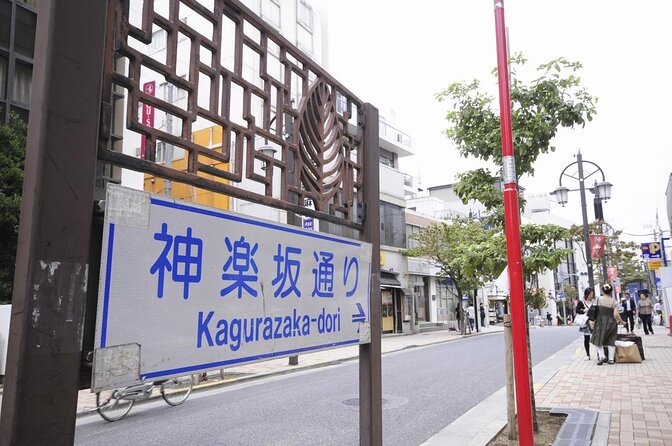
- A compact route through classic Kagurazaka: shrines, a major temple, and even remnants tied to Edo Castle’s moat defenses.
- Street-level details that matter: cobblestones, fences, and the story of the neighborhood’s 1636 street build-up.
- Admissions are free at the stops listed: you’re not paying extra entry fees as the walk progresses.
- Private means you can ask questions: the experience is only for your group.
- Mobile ticket + local guide: easy to handle on arrival, with support from your guide.
- No snack plan included: you’ll have to buy what you want along the way.
Kagurazaka’s Little Kyoto vibe is real, not theme-park
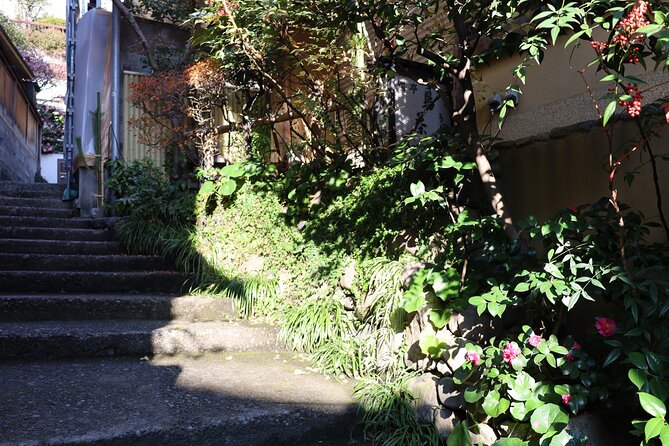
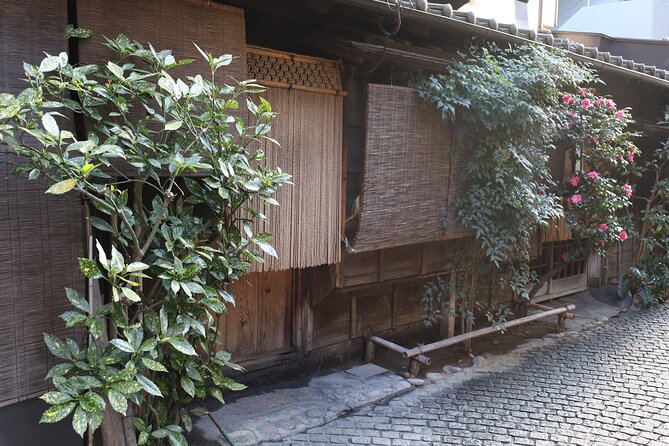
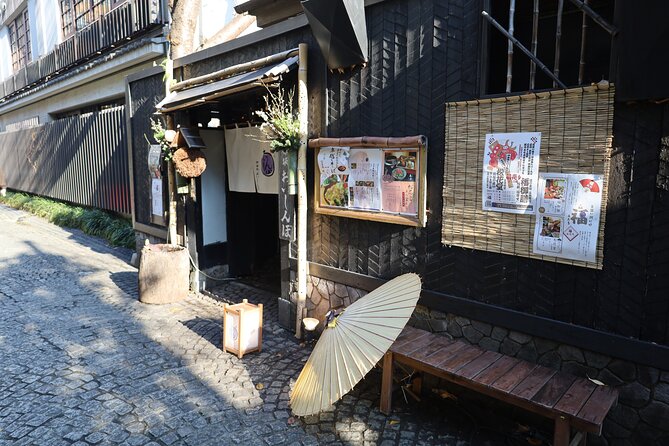
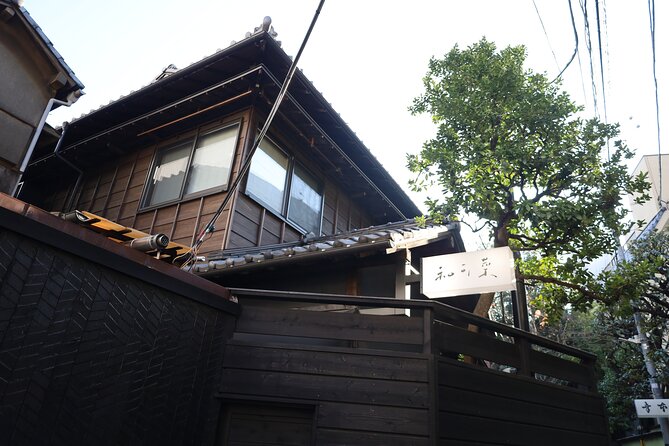
Kagurazaka has the kind of atmosphere people chase in Kyoto, but it sits right inside Tokyo. The streets are made for slow walking: uneven cobblestones, black wooden fences, and small lanes that make you feel like you’ve stepped sideways in time. And because this tour focuses on an area that’s still less hammered by mass tourism, the pace stays calm enough to actually notice details.
The neighborhood’s identity traces back to the Edo period. Kagurazaka Street was constructed in 1636 under Tokugawa Iemitsu, the 3rd Shogun. That single fact changes how the walk feels: you’re not just strolling through “pretty streets,” you’re walking through a town that has been arranged—street by street—for centuries of daily life.
You’ll also get the cultural layers that make Kagurazaka more than scenery. The tour frames things as a blend of samurai-era roots, shrine and temple culture, geisha district presence, and even references tied to Japanese modern literature. That mix is why this area works so well for travelers who like context, not just photos.
You can also read our reviews of more walking tours in Tokyo


How the private format changes the whole experience
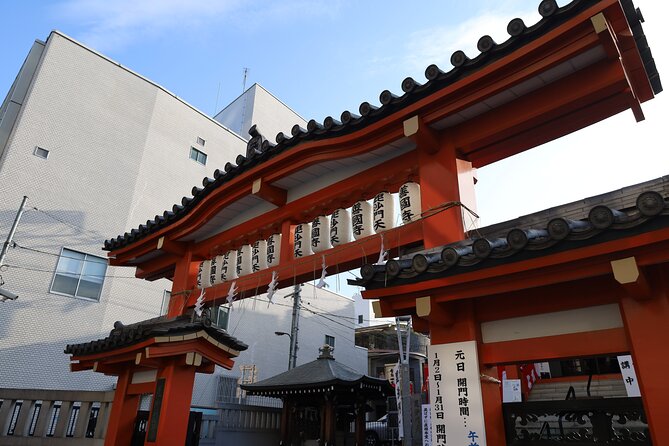
This is not a “stand here and follow the leader” situation. It’s a private walking tour, meaning only your group participates. In practice, that’s a big deal in a neighborhood like Kagurazaka, where the best parts are often small: a shrine gate you might otherwise miss, a stone wall fragment, or a story that makes a side street feel important.
The guide is multilingual—English, French, German, or Spanish—so you won’t be stuck with a “guess and hope” vibe. And the walking style is meant to be leisurely, with time built into each stop rather than a nonstop treadmill march. It’s ideal if you like asking questions mid-walk, like how certain places were moved or why a particular shrine ended up where it is today.
One more practical note: the tour uses a mobile ticket, which is helpful in a city where paper tickets can feel old-school. You’ll still want your phone charged, because this is Japan and life already runs on QR codes and transit apps.
Stop-by-stop: what you’ll actually see in Kagurazaka
The route is designed to be easy to follow and logical in its flow. You’ll start near Kagurazaka Station (Yaraicho area) and end at JR Iidabashi Station, West Exit. Plan for about two hours on foot, not counting the time you may want to linger for a photo or a quick look inside a gate area.
Here’s what the walk covers, in the order you’ll encounter it:
Akomeya Tokyo in la kagū: the warm start (rice, dashi, and design)
Your first stop is AKOMEYA TOKYO in la kagū, a commercial facility renovated by architect Kengo Kuma using a warehouse from Shinchosha Publishing Co. That matters because it sets the tone. You begin with a place that’s both practical and design-minded, centered on high-quality food staples like rice and dashi, plus seasonings.
If you’ve ever tried to understand Japanese cuisine without getting lost in a million options, this stop helps. It’s not a lecture; it’s an orientation moment where you can connect why ingredients are treated with care here. Admission is free for this stop, so you’re not forced into spending money immediately—you can look, read labels, and decide what (if anything) you want.
Small consideration: since it’s a shop-focused spot, people who prefer purely historical sites might feel like they’ve started with a commercial pause. For me, it works as a friendly on-ramp before the more solemn shrines and temples.
Akagi Shrine: relocation stories that make time feel personal
Next up is Akagi Shrine. This place has a migration-and-relocation backstory: it was founded in Ushigome Waseda by Ohgoshi Hikotaro Shigeharu, who migrated from the foot of Mount Akagi (Gunma Prefecture) in 1300. The shrine was then relocated to its current location in 1555.
That timeline makes the shrine feel less like a fixed postcard and more like a living institution shaped by people moving through Japan. You’ll get a chance to look closely at the shrine setting without feeling like you’re on a strict “30 seconds per stop” schedule. Admission is free, so you can focus on atmosphere and context instead of budgeting for entry fees.
Why it’s valuable: stories like this are the difference between seeing a shrine and understanding why that shrine exists where it does.
You can also read our reviews of more private tours in Tokyo



Zenkoku-ji Temple (Bishamonten): a national-protection origin
Then you’ll walk to Zenkoku-ji Temple, also known for Bishamonten. It was established in 1595 in Nihonbashi Bakurocho on the order of Tokugawa Ieyasu (the first shogun of the Edo shogunate) to protect the nation. After fires, it was later… (the tour gives you the rest of the story on-site).
Even without going deep into every historical twist, the key is that this isn’t a minor shrine tucked into a corner—it’s tied to a big national narrative. That’s why the stop feels meaningful during a short walk. You’re not only touring Kagurazaka’s present-day vibe; you’re touching the Edo power structures that shaped the country around it.
Again, admission is free at this stop, which helps this tour feel better value, especially if you’re trying to keep the overall trip costs under control.
Tsukudo Hachiman Shrine: a long-time religious landmark
You’ll also visit Tsukudo Hachiman Shrine, described as an ancient shrine believed to have been established about 1200 years ago. There’s also a story tied to an Amitabha Buddha statue enshrined in a small shrine here, said to be carved by Saicho.
This stop adds a different flavor: Hachiman shrines often connect to broader shrine traditions, but the details here—especially the age and the Saicho connection—give you something concrete to hold onto. It’s a good moment to slow down, look, and let the guide’s explanations connect dots between different eras.
Admission is free, so you’re paying for the guide’s walking storytelling, not entrances.
Remains of Ushigome Gate: Edo Castle history you can see
The final “history punch” comes with the remains of Ushigome Gate, located in the outer moat of Edo Castle. The gate was constructed in 1636, the same year the Kagurazaka Street story highlights. Seeing the remains—stone walls—lets you visualize how massive the structure once was.
This is one of those stops that changes your sense of scale. In modern Tokyo, you can feel distant from fortress structures. But stonework remnants bring that distance back to reality.
Admission is free, and the payoff is that the last part of the walk leaves you with a tangible piece of Edo-era defense logic—something you can stand next to and think about.
The cultural payoffs: samurai traces, geisha hints, and everyday Tokyo
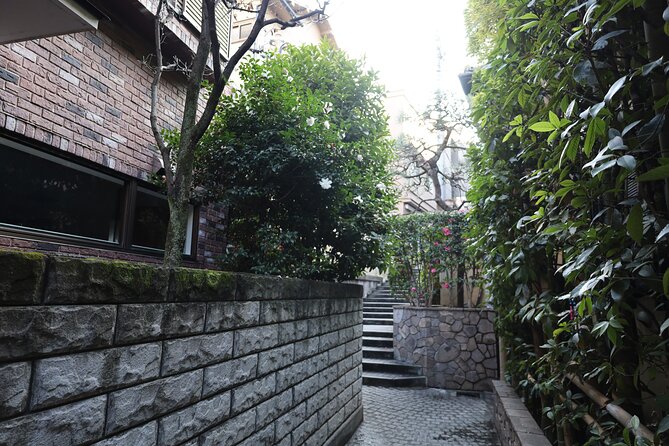
The tour’s big promise is understanding Kagurazaka in multiple “voices.” You’ll see samurai-era traces in the way the neighborhood’s layout and historical references are explained, and you’ll also get a sense of the geisha district atmosphere as you walk through streets where traditional culture is still part of the daily environment.
There’s also a focus on how Kagurazaka works across different aspects of Japanese culture:
- Shrines and temples as spiritual landmarks and community anchors
- Shopping streets and residential areas as evidence that tradition lives alongside everyday life
- Japanese modern literature connections (the guide ties this neighborhood to what writers noticed, not just what tourists chase)
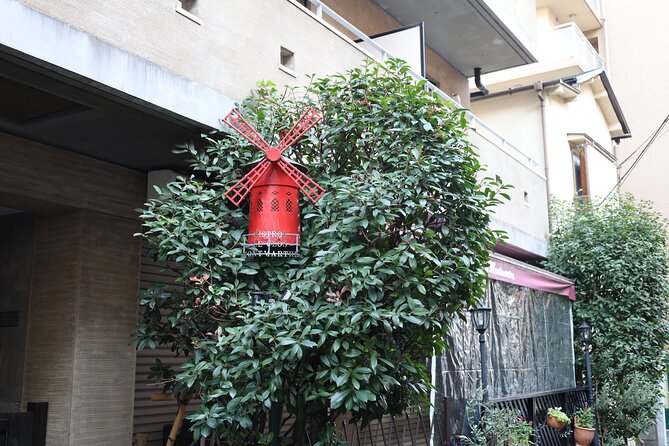
And yes, you may spot playful details along the way, like the tour highlighting heart-shaped stones. Those bits are more than cute. They remind you the “old Japan” feeling in Kagurazaka includes human scale and whimsy, not just formal architecture.
Price and value: why $104.05 can make sense (or not)
At $104.05 per person for about two hours, the price is in the mid-range for a private walking tour in central Tokyo. Whether it feels worth it depends on how you travel.
This can be great value if:
- You want a private group experience rather than joining a large group
- You like a guided thread that links sites together, instead of bouncing between places yourself
- You’d rather pay for a guide who can explain why places matter than spend time researching every shrine and temple origin
It may feel less worth it if:
- You’re traveling solo and would rather self-navigate slowly with your own research
- You don’t care much about historical context and mostly want scenic strolling
One reason the math can work here: multiple listed stops have free admission, so your money is aimed at guided interpretation, not tickets and entry fees piling up.
Timing, meeting point, and what the route feels like
You start at Kagurazaka Station (Yaraicho), Shinjuku City, and you end at JR Iidabashi Station (West Exit). The tour runs across the week during hours listed as 9:00 AM to 8:30 PM. Since this is near public transportation, you can slot it easily into an itinerary that also includes Shinjuku or Iidabashi-area sightseeing.
The pacing is leisurely, and the total time is around two hours. That’s long enough to feel like you’ve learned the neighborhood, but short enough that you won’t be exhausted afterward.
Practical tip: wear comfortable shoes with grip. Tokyo sidewalks are fine, but cobblestones and uneven stone paths make “nice shoes” a bad idea.
Who this tour suits best (and who should skip it)
This works best for you if you:
- Want an authentic neighborhood walk rather than a list of far-flung sights
- Like guided history that connects Edo-era details to present-day street life
- Prefer private pacing so you can ask questions as you go
It’s not the best fit if you want:
- A full-day itinerary with long breaks and lots of food stops planned in advance
- A heavy museum-style experience (this is street-based walking)
Also, snacks are not included. If you’re hoping the guide takes you to a set of tastings, you’ll need to handle that yourself. The area has plenty of food temptations, but the tour keeps the focus on walking and cultural context.
Should you book the Kagurazaka Little Kyoto walking tour?
If your ideal Tokyo day includes calm streets, shrine and temple stories, and a guide who can connect what you see to why it matters, I’d book it. Kagurazaka is the kind of neighborhood that rewards walking with context, and this tour is built for that.
Before you decide, consider two things:
- It’s non-refundable and not changeable once booked. If your schedule is fragile, wait until you’re confident.
- It’s only about two hours. If you’re the type who wants to linger in every shop, add extra time after the tour—especially since you might want to stop for sweets or drinks on your own.
If you’re ready for old-meets-new Tokyo with a relaxed pace and real historical anchors, this private Kagurazaka walk is a solid use of your time.
FAQ
How long is the Private Walking Tour: The Little Kyoto of Tokyo, Kagurazaka?
It runs for about 2 hours (approx.).
Is this a private tour or shared group tour?
This is a private tour/activity, and only your group will participate.
Where do I meet, and where does the tour end?
The start is Kagurazaka Sta. Yaraicho, Shinjuku City, and the tour ends at JR Iidabashi Station, West Exit.
What language is the guide available in?
The tour includes a multilingual local guide in English, French, German, and Spanish.
What’s the price per person?
The price is $104.05 per person.
Are there admission fees for the listed stops?
The stops listed include free admission ticket information (for the stops shown).
Is a mobile ticket provided?
Yes, the tour includes a mobile ticket.
Is food or snacks included?
No. Snacks are not included, though you can savor local delicacies on your own.
When will I receive confirmation after booking?
Confirmation is received within 48 hours of booking, subject to availability.
Is the tour refundable or changeable if my plans shift?
The experience is non-refundable and cannot be changed for any reason.